Table of Contents >> Show >> Hide
- Why This BBQ Turkey Breast Recipe Works
- Ingredients
- Equipment You’ll Want
- How to Make BBQ Roast Turkey Breast
- How to Tell When Turkey Breast Is Done
- Flavor Variations
- What to Serve with BBQ Roast Turkey Breast
- Common Mistakes to Avoid
- Storage and Leftovers
- BBQ Roast Turkey Breast Recipe Summary
- Experiences and Real-World Tips from Cooking BBQ Roast Turkey Breast (Extended Notes)
- Conclusion
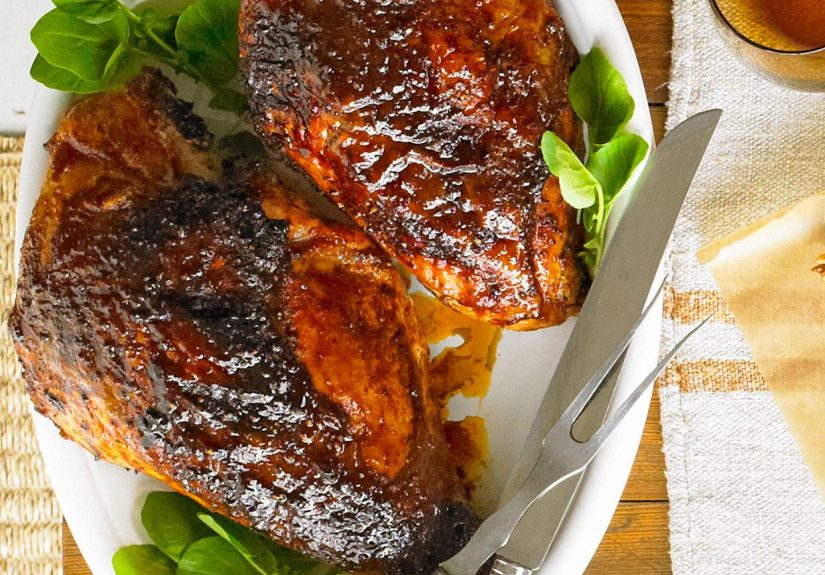
If a whole turkey feels like inviting a marching band into a studio apartment, this BBQ roast turkey breast recipe is your smarter move. You get juicy white meat, crisp skin, big smoky-barbecue flavor, and way less stress. No wrestling a 15-pound bird. No dramatic “is it done?” panic. Just a flavorful turkey breast that tastes like you know exactly what you’re doingeven if this is your first time cooking turkey on a grill.
This recipe uses a grill-roast (indirect heat) method, which means your BBQ works like an outdoor oven. You’ll season the turkey with a bold spice rub, roast it gently, and finish with an optional glossy barbecue glaze. The result is perfect for holidays, weekend cookouts, meal prep, or anytime you want roast turkey energy without the full Thanksgiving production budget.
Why This BBQ Turkey Breast Recipe Works
Turkey breast is lean, which is wonderful for slicing and sandwichesbut it can dry out if overcooked. The trick is combining flavor and moisture strategies:
- Indirect heat for even cooking and better control
- A BBQ spice rub for deep flavor and color
- A thermometer for accuracy (not guesswork, not vibes)
- A short rest so juices stay in the meat instead of on your cutting board
Optional brining helps too, especially if you’re cooking a bone-in turkey breast for a holiday table and want maximum forgiveness.
Ingredients
For the Turkey
- 1 bone-in, skin-on turkey breast (about 5 to 7 pounds), fully thawed
- 2 tablespoons olive oil or melted butter
- 1 tablespoon kosher salt (reduce slightly if turkey is pre-brined/injected)
- 2 teaspoons brown sugar
- 2 teaspoons paprika (smoked paprika if you like extra smoke flavor)
- 1 teaspoon garlic powder
- 1 teaspoon onion powder
- 1 teaspoon chili powder
- 1 teaspoon ground cumin
- 1/2 teaspoon black pepper
- 1/2 teaspoon dried thyme or poultry seasoning
- 1/4 teaspoon cayenne pepper (optional, for heat)
Optional Quick BBQ Glaze (Brushed at the End)
- 1/2 cup barbecue sauce
- 1 tablespoon apple cider vinegar
- 1 tablespoon honey or maple syrup
- 1 teaspoon Worcestershire sauce
Optional Brine (Best for Extra Juiciness)
- 8 cups cold water
- 1/3 to 1/2 cup kosher salt
- 2 tablespoons brown sugar
- 2 cloves garlic, smashed
- 1 teaspoon black peppercorns
- 2 bay leaves
Note: If your turkey breast is labeled “enhanced,” “self-basting,” or “contains up to X% solution,” skip the brine or reduce salt in the rub. Those birds already contain added salt.
Equipment You’ll Want
- Gas grill or charcoal grill with a lid
- Instant-read thermometer (essential)
- Optional probe thermometer (extremely helpful)
- Disposable foil pan or drip pan
- Small bowl for rub and glaze
- Tongs and a brush
How to Make BBQ Roast Turkey Breast
1) Prep and Brine (Optional but Helpful)
If brining, combine the brine ingredients and stir until the salt dissolves. Add the turkey breast and refrigerate for 6 to 12 hours (up to 24 hours for larger pieces, depending on salt concentration). Remove from brine, rinse lightly if desired, and pat very dry with paper towels.
If you skip the brine, that’s totally fine. You can still make a fantastic turkey breast. Just be a little more attentive with temperature near the end.
2) Dry the Skin Like You Mean It
Moisture is the enemy of browning. Pat the turkey breast dry very thoroughly, including around the cavity and under loose skin areas. For even crispier skin, leave it uncovered in the fridge for a few hours (or overnight) after drying.
3) Season with the BBQ Rub
Mix salt, brown sugar, paprika, garlic powder, onion powder, chili powder, cumin, pepper, thyme, and cayenne. Rub the turkey with oil or melted butter. Gently loosen the skin over the breast meat (without tearing it off) and rub some seasoning under the skin, then the rest all over the outside.
This under-the-skin step is a game changer. It seasons the meat directly instead of leaving all the flavor on the skin like a tasty jacket.
4) Set Up the Grill for Indirect Heat
Preheat your grill to 325°F to 375°F using indirect heat.
- Gas grill: Turn on one side (or outer burners) and leave the center/off side unlit. Put a drip pan under the turkey area.
- Charcoal grill: Bank coals to the sides and place a foil pan in the center. Put the turkey over the pan, not directly over coals.
Close the lid and let the temperature stabilize before the turkey goes on. A steady grill is easier than chasing heat swings later.
5) Grill-Roast the Turkey Breast
Place the turkey breast skin-side up over the indirect zone. Insert a probe thermometer into the thickest part of the breast, avoiding bone. Close the lid and cook until the internal temperature reaches 160°F to 165°F in the thickest part.
Typical cook time: about 1 1/2 to 2 1/2 hours, depending on size, grill type, and how steady your temperature is. Time is a rough estimate; temperature is the real boss.
If your grill runs hotter than expected, lower the heat and keep the lid closed. If the skin browns too quickly, loosely tent with foil for the last part of cooking.
6) Optional Glaze for Sticky BBQ Finish
In the last 10 to 15 minutes of cooking, stir together the glaze ingredients and brush a thin coat on the turkey. Repeat once more if you want a shinier finish. Don’t glaze too earlysugars can burn.
7) Rest Before Slicing
Remove the turkey from the grill and let it rest for 15 to 20 minutes before carving. This helps the juices redistribute so your slices stay moist. If you pull the turkey closer to 160°F, confirm it rises to a safe final temperature of 165°F during the rest.
How to Tell When Turkey Breast Is Done
The safest and best method is a thermometer inserted into the thickest part of the breast, without touching bone. Pop-up timers can be inconsistent, and turkey is too expensive to leave your dinner to a spring-loaded mystery gadget.
Here’s the practical rule:
- Safe final internal temperature: 165°F
- Check more than one spot for accuracy, especially on larger bone-in breasts
- Rest before carving to improve texture and juiciness
Flavor Variations
Smoky-Sweet Holiday Style
Use smoked paprika, a little extra brown sugar, and a cranberry BBQ glaze. This gives you that holiday-table feel without roasting a whole bird.
Texas-Inspired Peppery Turkey
Go heavier on black pepper, use less sugar, and skip the glaze. Let the smoke and turkey flavor lead.
Chipotle-Citrus Turkey Breast
Add chipotle powder, orange zest, and a squeeze of lime to the rub. Great for sandwiches, tacos, or rice bowls the next day.
What to Serve with BBQ Roast Turkey Breast
- Roasted sweet potatoes or grilled potatoes
- Cornbread or biscuits
- Cranberry sauce or cranberry BBQ sauce
- Mac and cheese
- Green beans, Brussels sprouts, or a crunchy slaw
- Gravy made from drippings (if you used a drip pan)
Specific example: For a small Thanksgiving, serve this turkey breast with mashed potatoes, green beans, and cranberry sauce. For a summer BBQ, pair it with slaw, baked beans, and grilled corn. Same bird, different personality.
Common Mistakes to Avoid
- Cooking by time only: Turkey doesn’t care what the recipe said your grill would do.
- Putting it over direct heat: That’s how you get burnt skin and undercooked meat.
- Skipping the thermometer: Guessing is for board games, not poultry.
- Slicing immediately: Resting matters more than people think.
- Over-salting pre-brined turkey: Read the label before seasoning.
- Washing raw turkey: It spreads germs around the sink and counters.
Storage and Leftovers
Carve leftovers off the bone and cool them quickly. Store in shallow containers and refrigerate within 2 hours of cooking (sooner if it’s very hot outside). Eat refrigerated leftovers within 3 to 4 days, or freeze for longer storage. Reheat leftovers to 165°F.
Leftover ideas: BBQ turkey sandwiches, turkey quesadillas, chopped turkey salad, turkey-and-rice bowls, turkey chili, or a very ambitious midnight snack while standing in front of the fridge. No judgment.
BBQ Roast Turkey Breast Recipe Summary
If you want juicy meat, crisp skin, and bold barbecue flavor without cooking a whole turkey, this BBQ roast turkey breast recipe is the sweet spot. It’s easier to manage, cooks faster, and still looks impressive on a platter. The key is simple: indirect heat, a good rub, and a thermometer. Everything else is just delicious bonus points.
Experiences and Real-World Tips from Cooking BBQ Roast Turkey Breast (Extended Notes)
The first thing most people notice when they switch from whole turkey to turkey breast is how much less stressful the cook becomes. You’re not juggling dark meat versus white meat timing, and you’re not trying to rotate a giant bird while wearing one oven mitt and a brave face. A turkey breast fits better on most grills, heats more evenly, and gives you a much clearer thermometer reading. For weeknight testing or a smaller holiday meal, it’s honestly the MVP.
One common experience: the grill temperature dips hard right after the turkey goes on. That’s normal. Don’t panic and crank everything to maximum like you’re launching a rocket. Give it 10 to 15 minutes to stabilize. If you chase every little temperature wobble, you’ll end up with a rollercoaster cook and uneven doneness. Think “steady steering,” not “aggressive overcorrection.”
Another practical lesson is that turkey skin and sugar glaze have a complicated relationship. They can be friends, but only at the end. If you glaze too early, the sugars darken fast and can turn bitter before the breast is fully cooked. A thin glaze in the last 10 to 15 minutes gives you color and flavor without turning your masterpiece into a cautionary tale. If you want extra shine, do a final brush after resting and just before serving.
Brining is also one of those topics that starts debates at family gatherings. Some cooks swear by wet brine, others prefer dry brine. In real-life use, both can work. Wet brining can add insurance for juiciness, especially on lean turkey breast. Dry brining is simpler, less messy, and still delivers excellent flavor and texture. If your fridge space is limited, dry brine wins on convenience. If you’re hosting and want maximum forgiveness, wet brine is a solid choice. The real key is not overcooking.
A thermometer changes everything. People often assume turkey is dry because “that’s just how turkey is,” but in many cases it’s simply overcooked by 10 to 20 degrees. Once you start pulling the turkey at the right point and resting it properly, the slices stay juicy and tender. This is especially noticeable when making leftovers: properly cooked turkey breast still tastes great the next day, while overcooked turkey becomes sandwich filler that needs extra mayo to survive.
Finally, turkey breast is more versatile than it gets credit for. A BBQ rub version can headline a holiday table, then reappear in grain bowls, wraps, and soups all week. That’s one reason this recipe is so useful: it feels special when served hot and sliced, but it also works like a meal-prep hero. In other words, this isn’t just a “Thanksgiving backup plan.” It’s a genuinely great barbecue recipe you’ll want to make againpossibly before the cranberry sauce even leaves the fridge.
Conclusion
Make this once, and you’ll see why so many home cooks keep a grilled turkey breast recipe in regular rotation. It’s practical, flavorful, and far easier to master than a whole bird. Whether you’re feeding six people at a holiday dinner or cooking ahead for the week, this BBQ roast turkey breast recipe delivers the kind of juicy, smoky results that make everyone ask for secondsand the recipe.