Table of Contents >> Show >> Hide
- What Counts as a Breakfast Bread or Pastry?
- The Three Big Families of Breakfast Baking
- 8 Breakfast Bread & Pastry Recipes Worth Baking Again and Again
- How to Make Breakfast Bakes Taste Better
- Common Mistakes That Ruin Good Intentions
- How to Choose the Right Breakfast Bread or Pastry Recipe
- Conclusion
- Experiences from the Kitchen: Why Breakfast Baking Keeps Pulling Me Back
There are two kinds of mornings. The first kind begins with an alarm, a sigh, and a granola bar eaten while standing. The second kind smells like cinnamon, butter, toasted nuts, warm fruit, and the slightly dangerous confidence of someone who believes homemade pastries are a personality trait. This article is for the second kind of morningor for anyone who wants more of them.
Breakfast bread and pastry recipes have a special kind of magic. They can be rustic or fancy, sweet or savory, easy enough for a Tuesday or dramatic enough for a holiday brunch where everyone suddenly speaks in compliments. Better yet, they cover a wide range of baking styles. Some are quick breads that come together with baking powder and a bowl. Others are yeasted breads that reward a little patience with fluffy texture and deep flavor. Then there are pastries: flaky, buttery, glorious little overachievers that make the kitchen smell like a bakery with decent life choices.
From banana bread and blueberry muffins to biscuits, coffee cake, cinnamon rolls, danishes, scones, and puff pastry turnovers, the best breakfast bakes all do the same thing: they make people very willing to get out of bed. Here is how to think about breakfast bread and pastry recipes, which ones are worth mastering, and how to make them taste like they came from somewhere with a pastry case and very confident lighting.
What Counts as a Breakfast Bread or Pastry?
Breakfast breads are the broad, comforting category. They include quick breads like banana bread, pumpkin bread, lemon loaf, zucchini bread, biscuits, muffins, and coffee cake. They also include yeast breads such as cinnamon rolls, sticky buns, brioche buns, babka, bagels, and enriched breakfast loaves.
Breakfast pastries lean more toward the flaky and layered side of the spectrum. Think Danish, croissants, fruit turnovers, hand pies, puff pastry braids, pop-tarts, and cream cheese pastries. Some require laminated dough and a cool head. Others rely on frozen puff pastry, which is one of the finest inventions of modern civilization and deserves more public appreciation.
The key difference is texture and method. Quick breads are tender and straightforward. Yeast breads are airy, chewy, and more bread-like. Pastries aim for layers, crisp edges, rich fillings, and that delicate shatter that says, “A napkin would have been smart.”
The Three Big Families of Breakfast Baking
1. Quick Breads for Busy Mornings
Quick breads are the weekday heroes. They do not need proofing, which means they are ideal when you want homemade breakfast without scheduling your life around dough. Banana bread, pumpkin bread, blueberry muffins, cranberry-orange loaf, and streusel coffee cake all live here. They are reliable, forgiving, and excellent for bakers who prefer immediate gratification over emotional negotiations with yeast.
Quick breads also adapt well to seasonal ingredients. In summer, go with zucchini, berries, peaches, or lemon. In fall, pumpkin, apple, pecan, and warm spices take over. In winter, cinnamon coffee cake and orange-cranberry muffins feel festive without demanding a culinary thesis.
2. Yeast Breads for Weekend Glory
Yeasted breakfast breads are for mornings when you have more timeor at least more ambition. Cinnamon rolls, sticky buns, sweet rolls, babka, milk bread, breakfast buns, and bagels offer softness, structure, and that bakery-quality texture that makes people look suspiciously impressed.
These recipes often taste better because fermentation builds flavor. Even better, many can be made ahead. Refrigerating shaped rolls overnight means you do the messy part in advance and wake up to a short, satisfying bake. It is the breakfast version of setting your future self up for success, which is rare and beautiful.
3. Pastries for Maximum Main Character Energy
Pastries are where breakfast gets a little dramatic. Danish pastries with fruit or cream cheese, flaky turnovers, almond braids, puff pastry tarts, and homemade breakfast pastries bring buttery layers and visual appeal. Some use classic pastry dough, while others use shortcut dough or store-bought puff pastry.
There is no shame in the shortcut path. A puff pastry sheet with jam and cream cheese can produce a breakfast that looks expensive and tastes far more complicated than it is. This is not cheating. This is strategy.
8 Breakfast Bread & Pastry Recipes Worth Baking Again and Again
Banana Bread
Banana bread is still undefeated. It is rich, moist, beginner-friendly, and useful whenever three bananas on the counter start looking like they have seen too much. A good loaf balances sweetness, banana flavor, and tenderness. Brown sugar, sour cream, yogurt, walnuts, pecans, chocolate chips, or cinnamon can all take it in different directions.
For SEO purposes and real-life purposes, banana bread remains one of the best breakfast bread recipes because it stores well, slices cleanly, and tastes excellent toasted with butter. Few breakfasts ask so little and give so much.
Blueberry Muffins
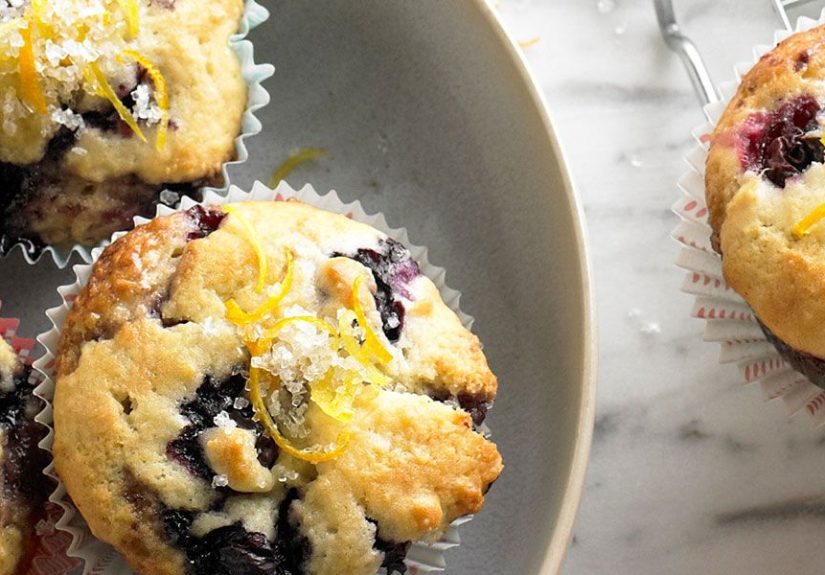
Blueberry muffins are the classic breakfast pastry-adjacent bake that works for both rushed weekdays and slow weekends. The best versions have a high, craggy top, juicy berries, and a tender crumb that does not collapse into a sad sponge. A pinch of lemon zest makes the flavor brighter. A crumb topping makes them feel bakery-worthy.
They also freeze well, which means future-you can have a better morning with almost no effort. Past-you will deserve the credit, and for once, rightfully so.
Cinnamon Rolls
Cinnamon rolls are the diplomatic solution to almost any breakfast gathering. They are soft, sweet, nostalgic, and hard to refuse. A great cinnamon roll needs fluffy dough, enough cinnamon-sugar filling to matter, and frosting that melts into the spirals instead of sitting on top like a separate opinion.
Overnight cinnamon rolls are especially smart. You mix, knead, shape, and chill them ahead of time. The next morning, they proof a bit while the oven heats, then bake into the kind of breakfast that makes people wander into the kitchen “just to check.”
Scones
Scones are misunderstood. When they are bad, they are dry little doorstops. When they are good, they are buttery, tender, lightly crisp at the edges, and dangerously easy to keep eating. Blueberry-lemon, cranberry-orange, cheddar-chive, maple-pecan, and chocolate chip are all strong choices.
The secret is cold butter, minimal handling, and not overworking the dough. Scones reward restraint. Think of them as the breakfast pastry that respects boundaries.
Biscuits
Biscuits belong on any serious list of breakfast bread recipes. They can go savory with sausage gravy, egg sandwiches, bacon, or cheese. They can go sweet with jam, honey, or whipped butter. They bake quickly and feel comforting in a way that no trendy breakfast item can quite touch.
Flaky biscuits need cold fat and a light hand. Drop biscuits are faster and wonderfully forgiving. Both deserve more weekday attention than they usually get.
Coffee Cake
Coffee cake is the peace treaty between cake and breakfast. No actual coffee required; just a tender base and a generous crumb topping, often with cinnamon, nuts, or fruit. It is ideal for brunch tables because it serves a crowd, slices neatly, and pairs with actual coffee like they have been friends forever.
Apple coffee cake in fall, blueberry or raspberry coffee cake in spring and summer, and sour cream coffee cake all earn repeat status. This is one of the best breakfast bakes when you need something impressive without much last-minute fuss.
Danish and Cream Cheese Pastries
Fruit Danish and cream cheese pastries deliver that bakery feel at home. The filling can be as simple as sweetened cream cheese plus jam, berries, apples, or lemon curd. The pastry can be homemade or store-bought. Either way, the result is flaky, glossy, and just fancy enough to make breakfast feel like an event.
These are also highly customizable. One batch can include cherry, blueberry, raspberry, and apricot filling, which is useful when a family cannot agree on anything before noon.
Puff Pastry Turnovers and Breakfast Tarts
When time is short but standards remain high, puff pastry is your friend. Turnovers, breakfast tarts, jam-filled hand pies, and savory pastry squares with cheese and vegetables all come together quickly and bake beautifully. They look polished, taste buttery, and create the illusion that you planned your life several days in advance.
For sweet versions, try apple-cinnamon, berry, or Nutella. For savory breakfast pastry recipes, use spinach and feta, ham and cheese, or mushroom and Gruyère. Breakfast does not always need to wear sugar to be invited.
How to Make Breakfast Bakes Taste Better
Weigh Ingredients
Baking is chemistry wearing an apron. Measuring flour by volume can swing wildly, so a kitchen scale gives you consistency. Better texture starts with accuracy, which is less glamorous than browned butter but very effective.
Do Not Over-Flour the Dough
When dough gets sticky, the temptation is to keep adding flour until it behaves. Resist that urge. Too much flour makes breads dense and pastries tough. Lightly flour the surface, flour your hands sparingly, and let the dough remain a little soft. Soft dough often bakes into the best texture.
Keep Butter Cold for Flaky Results
For scones, biscuits, pie-style doughs, and pastries, cold butter matters. Those little pieces of fat create steam in the oven, and steam creates layers. Warm butter creates disappointment. Not ruin, necessarily. But definitely disappointment.
Use Make-Ahead Methods
Overnight breakfast recipes are a gift to anyone who likes baked goods but also likes sleeping. Cinnamon rolls, sweet buns, Danish-style doughs, breakfast casseroles with bread, and some coffee cakes can be prepped ahead. Morning-you gets credit for being capable, even though evening-you did the heavy lifting.
Choose the Right Flour Strategy
All-purpose flour works for most breakfast baking. Bread flour can help create more chew in yeasted loaves and rolls. Whole wheat flour adds nuttiness but may need balancing with extra moisture or a partial blend of white flour. For especially soft breads, techniques like tangzhong or adding cooked porridge can improve moisture and shelf life.
Common Mistakes That Ruin Good Intentions
One common mistake is overmixing muffin and quick bread batter. Stir until combined, not until perfectly smooth. Lumps are normal. Aggressive mixing develops gluten and turns a tender crumb into something oddly rubbery.
Another issue is underbaking the center while overbrowning the edges. Use the middle rack, check early, and trust a toothpick or thermometer more than hope. Hope is lovely in relationships. In baking, it is not a method.
The last big mistake is choosing the wrong recipe for the wrong morning. Croissants from scratch on a random school day? Heroic, but questionable. A one-bowl blueberry muffin or overnight cinnamon roll situation makes more sense. The best breakfast recipe is not always the fanciest one. It is the one you will actually bake and happily eat.
How to Choose the Right Breakfast Bread or Pastry Recipe
Choose quick breads when you need speed, easy cleanup, and dependable results. Choose yeasted breads when you want a centerpiece bake with a softer, richer texture. Choose pastries when presentation matters or when you want that buttery, layered payoff that feels a little celebratory.
For feeding a crowd, coffee cake, cinnamon rolls, muffins, and sheet-pan pastries are strong choices. For meal prep, banana bread, breakfast loaf cakes, scones, and muffins freeze beautifully. For holidays, orange rolls, sticky buns, babka, Danish braids, and breakfast tarts add the right amount of drama.
And for cozy weekends? Go with whatever makes the house smell like you absolutely know what you are doing.
Conclusion
Breakfast bread and pastry recipes are not just about sugar, butter, and warm carbsthough those are doing excellent work. They are about turning ordinary mornings into better ones. A slice of banana bread can make Tuesday feel less rude. A pan of cinnamon rolls can make a family breakfast feel memorable. A tray of flaky fruit pastries can make brunch feel like an occasion instead of a scheduling accident.
The best part is variety. You do not need to become a full-time laminating enthusiast to bake something wonderful. You can master quick breads, learn a great biscuit recipe, keep puff pastry in the freezer, and save the yeasted showstoppers for weekends and holidays. With the right recipe and a little technique, breakfast baking becomes less intimidating and a lot more rewarding.
So bake the muffins. Make the coffee cake. Chill the cinnamon rolls overnight. Embrace the puff pastry shortcut. Life is short, mornings are chaotic, and a warm pastry is sometimes the most reasonable response.
Experiences from the Kitchen: Why Breakfast Baking Keeps Pulling Me Back
There is something strangely emotional about breakfast baking. Dinner can be practical. Lunch can be forgettable. But breakfast breads and pastries feel personal. They ask for a little planning, a little patience, and just enough optimism to believe that tomorrow morning deserves better than a rushed bowl of cereal eaten over the sink.
Some of the best kitchen memories tend to start the night before. It is late, the house is quieter, and a bowl of dough is rising on the counter like a secret plan. There is flour on the shirt, butter on the fingers, and some level of self-congratulation already happening. The dough gets shaped into rolls, tucked into a pan, and slid into the refrigerator. In that moment, future breakfast already feels handled. The next morning, the oven comes on, coffee starts brewing, and the whole kitchen shifts from sleepy to hopeful in about fifteen minutes.
Quick breads create a different kind of satisfaction. Banana bread is the classic example because it turns neglect into achievement. Those overripe bananas that looked one hour away from retirement suddenly become the hero ingredient. Mix, pour, bake, and the kitchen smells like brown sugar and redemption. The best part is slicing into the loaf after it cools just enough, seeing that soft crumb, and pretending there was never any doubt about the outcome.
Muffins and scones bring their own lessons. Muffins teach restraint. Overmix them and they punish you. Handle them gently and they reward you with soft centers and high domes. Scones teach temperature control and trust. The dough can look rough, uneven, and not especially promising, then come out of the oven golden and elegant. That transformation never gets old. It is one of the reasons baking remains so addictive: the before and after feels like a small, edible miracle.
Then there are the pastries that fight back a little. Sticky dough, leaking filling, butter that softens too quickly, edges that brown faster than expectedpastries have a flair for theatrics. But they also create the biggest victory laps. Pulling a tray of fruit Danish or puff pastry turnovers from the oven feels absurdly triumphant, as though you have personally restored order to the universe with jam and laminated dough.
What stands out most, though, is what happens after the baking. People gather. They cut uneven slices. Someone burns their tongue because they refused to wait. Someone else asks for the recipe while still chewing. The room smells warm and sweet and alive. Breakfast bread and pastry recipes are delicious, yes, but they are also deeply social. They turn a meal into a moment.
That is why these recipes stay in rotation. Not because every morning needs to be elaborate, but because now and then it is worth making one feel special. A loaf, a pan of rolls, a basket of biscuits, a tray of pastrieseach one says the day can start with comfort, generosity, and maybe a little extra butter. Honestly, there are worse philosophies to live by.