Table of Contents >> Show >> Hide
- How to Choose the Right Breakfast Bake
- The Building Blocks of Great Breakfast Bread & Pastries
- Yeasted Breakfast Breads That Make Mornings Feel Fancy
- Flaky, Tender, and Totally Worth It: Biscuits & Scones
- Laminated Pastries Without Losing Your Weekend
- Make-Ahead & Freezer Strategy (Because Mornings Are Busy)
- Troubleshooting: Common Problems (and How to Fix Them)
- Kitchen Stories & Real-World “Experience” Notes (Extra)
- Conclusion
Breakfast deserves better than a sad granola bar you found at the bottom of your bag. (No judgment. I’ve eaten things
that were basically pocket lint with oats.) If you want mornings that feel a little more “cozy bakery window” and a
little less “chaotic raccoon rummaging,” bread and pastries are the move.
This guide is a practical, mix-and-match roadmap to the best breakfast bread & pastry recipesfrom
quick breads you can stir together half-awake, to flaky pastries that make your kitchen smell like you’ve got your life
together (even if you don’t). You’ll get the “why it works,” the key techniques, and specific recipe ideas you can
rotate all yearwithout drowning in fancy equipment or turning your weekend into a flour-based hostage situation.
How to Choose the Right Breakfast Bake
Before you commit to laminating dough at 7 a.m. (bold choice), match the recipe to your morning reality:
- Need it fast? Pick quick breads, muffins, coffee cake, drop biscuits, or scones.
- Want “weekend brunch energy”? Go for yeasted cinnamon rolls, sticky buns, or brioche.
- Craving flaky layers? Make scones or layered biscuits, or use store-bought puff pastry for quick Danishes/turnovers.
- Feeding a crowd? Choose coffee cake, pull-apart breads, French toast bake, or a big tray of rolls.
- Planning ahead? Prioritize freezer-friendly muffins/scones/biscuits, or overnight cinnamon rolls.
The Building Blocks of Great Breakfast Bread & Pastries
1) Quick breads: the “stir-and-bake” MVP
Quick breads use chemical leaveners (baking powder/soda) instead of yeast. Translation: no proofing, no waiting,
no staring at dough and whispering “please rise” like it’s a motivational poster.
Key technique: Mix gently and stop early. Overmixing develops gluten, which can turn tender loaves into
rubbery disappointment. Stir until you don’t see dry flour, then quit while you’re ahead.
Recipe ideas to rotate:
- Classic banana bread (with cinnamon + nuts). Pro tip: really ripe bananas bring sweetness and moisture.
- Blueberry-banana loaf for a “breakfast that counts as fruit” vibe. Toss berries in a spoonful of flour to reduce sinking.
- Apple-cinnamon breakfast loaf with a crunchy streusel top. Use diced apples and a pinch of nutmeg for warmth.
- Pumpkin bread (fall) or lemon-poppy (spring). Same method, different mood.
2) Muffins: portable joy with a crumb topping
Muffins are basically quick bread’s more social sibling. They bake faster, freeze beautifully, and don’t require slicing
(which is great because slicing is where many of us lose patience).
Two muffin styles worth knowing:
- Cake-y muffins: tender, soft, great with berries and glazes.
- Bakery-style muffins: taller tops, often made with thicker batter and a hotter oven start (then reduced).
Flavor combos that rarely miss:
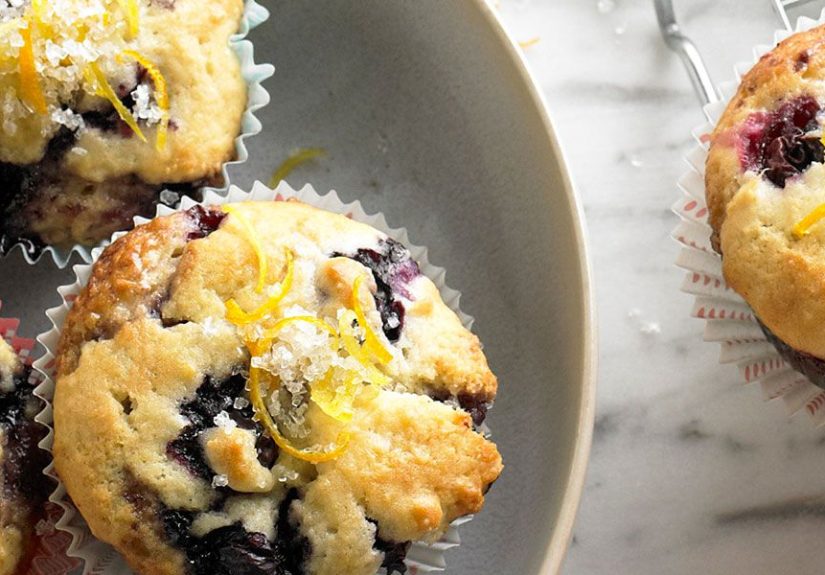
- Blueberry + lemon zest
- Chocolate chip + banana
- Cinnamon + brown sugar + pecans (hello, breakfast dessert)
- Savory: cheddar + chives, or bacon + scallion (yes, muffins can be dinner-adjacent)
3) Coffee cake: the easiest “brunch centerpiece”
Coffee cake is the crowd-pleaser that looks impressive, slices cleanly, and politely pretends it isn’t basically cake at
breakfast. The secret is the streusel: flour + sugar + butter + cinnamon, optionally upgraded with nuts.
Try these variations:
- Cinnamon streusel coffee cake (classic)
- Sour cream coffee cake for a plush, tender crumb
- Blueberry swirl coffee cake with a lemon glaze
Yeasted Breakfast Breads That Make Mornings Feel Fancy
1) Cinnamon rolls: make-ahead magic
Cinnamon rolls can absolutely be a “special occasion” bakebut the real cheat code is making them overnight.
You assemble the rolls the day before, refrigerate them, and bake in the morning. All the glory, less of the chaos.
What makes them pillowy:
- Enriched dough (butter, eggs, milk/buttermilk) for softness and flavor.
- Proper rise so they’re airy instead of dense.
- Don’t overflourslightly tacky dough often bakes up more tender than a dry, stiff one.
Easy flavor twists: orange zest in the filling, espresso powder in the icing, or toasted pecans for crunch.
2) Sticky buns: the caramelized cousin
Sticky buns are cinnamon rolls that decided to put on a tux. The defining move: a buttery brown sugar base (often with
pecans) that turns into gooey caramel as it bakes. Flip them out while warm so the topping doesn’t glue itself to the pan
like it’s claiming squatters’ rights.
3) Brioche & enriched loaves: bread that tastes like butter (because it is)
Brioche is rich, slightly sweet, and perfect for breakfast toast, French toast, or “I’m just going to tear off a piece”
snacking. Once you learn one enriched dough, you can branch into challah-style braids, sweet roll dough, and more.
Best beginner-friendly ways to use brioche dough:
- Mini brioche buns for breakfast sandwiches
- Chocolate chip brioche loaf
- Cinnamon swirl brioche for next-level toast
Flaky, Tender, and Totally Worth It: Biscuits & Scones
1) Biscuits: flaky layers without pastry school
Great biscuits are a science project you get to eat. The goal is cold fat + minimal mixing + high heat. When the cold
butter hits the oven, it releases steam, puffing up those layers like your biscuit just watched an inspirational movie.
Biscuits that belong in your breakfast rotation:
- Buttermilk biscuits (classic) for butter/jam or sausage gravy.
- Drop biscuits when you want speed and don’t want to roll anything out.
- Cheddar-chive biscuits for savory mornings (or soup nights).
Layer trick: Fold the dough over itself a few times before cutting. More folds = more layers = more
“how did you do that?” compliments.
2) Scones: the pastry that forgives your sleep schedule
Scones can be tender and layered or crumbly and delicate, depending on the recipe style. The universal rule: keep the
butter cold. If your kitchen runs warm, chill the bowl, freeze the butter, or pop the shaped scones in the freezer
briefly before baking.
Reliable scone flavors:
- Berry + vanilla + coarse sugar on top
- Lemon + poppy seed with a quick glaze
- Chocolate chip (because joy is important)
- Ham + cheddar (breakfast meets snack meets “I’m not sharing”)
Laminated Pastries Without Losing Your Weekend
1) Croissant-style lamination (the real deal)
Laminated dough is the art of layering butter and dough through rolling and folding. It’s how croissants, Danishes, and
puff pastry get those dramatic flakes. It’s also why bakeries charge what they chargebecause butter layers don’t make
themselves.
If you want to try it at home, treat temperature like the main character: dough and butter should stay cool enough to
remain distinct, but pliable enough to roll without cracking. Chill between folds, work quickly, and don’t be afraid to
pause and refrigerate if the butter starts feeling soft.
2) The shortcut: store-bought puff pastry
Store-bought puff pastry is a beautiful invention. Use it to make breakfast pastries in under an hour:
- Quick Danishes: score squares, add cream cheese filling + jam, bake until puffed and golden.
- Turnovers: fill with apples, berries, or chocolate; crimp with a fork; bake and pretend you bought them.
- Morning bun-ish spirals: brush with butter, sprinkle cinnamon sugar, roll, slice, and bake.
Make-Ahead & Freezer Strategy (Because Mornings Are Busy)
The best breakfast baking habit isn’t waking up at dawnit’s building a freezer stash. Many breakfast baked goods freeze
well, especially muffins, scones, biscuits, and unfrosted quick breads.
What to freeze
- Muffins & scones: freeze baked (cool completely first) or freeze unbaked, shaped dough for fresh-baked results.
- Biscuits: freeze cut biscuits raw; bake from frozen with a few extra minutes.
- Quick bread slices: wrap individually for grab-and-go breakfasts.
Overnight wins
- Cinnamon rolls: assemble, refrigerate overnight, bake in the morning.
- French toast bake: cube bread, soak overnight, bake once everyone’s awake enough to locate forks.
Troubleshooting: Common Problems (and How to Fix Them)
“My muffins are tough.”
You likely overmixed. Next time, stir less. Lumpy batter is fine. Perfectly smooth batter is suspicious.
“My biscuits didn’t rise.”
Possible culprits: warm butter, overhandling, dull cutter (twisting can seal edges), or expired leavening. Keep fat cold,
handle gently, and cut straight down.
“My cinnamon rolls are dense.”
Underproofed dough is common when kitchens are cool. Give it time, or create a warmer proofing spot (like an off oven
with a pan of warm water nearby). Also avoid adding too much flour.
“My scones spread too much.”
Dough may be too warm or too wet. Chill shaped scones before baking and measure liquid carefully (humidity can affect
flour absorption).
Kitchen Stories & Real-World “Experience” Notes (Extra)
If you bake breakfast breads and pastries for a few weekslike, actually make them part of your lifeyou start noticing
patterns. Not “I am now a pastry wizard” patterns (though I support your dreams), but the everyday stuff that quietly
makes your bakes better.
First: your kitchen has a personality. Some kitchens are cool and breezy, where butter stays firm and
dough behaves. Others are basically tropical vacations, where butter melts if you stare at it too intensely. In a warm
kitchen, scone dough can go from “perfect” to “puddle” in the time it takes to answer a text. The solution isn’t
sufferingit’s chilling. Chill your butter, chill your dough, chill your baking sheet. If you’re making biscuits, you
can even freeze the cut biscuits for 10–15 minutes before baking. It feels extra, but the results are flaky and tall,
which is the kind of drama we want.
Second: timing matters more than talent. Overnight cinnamon rolls are the perfect example. The first
time you do it, you might worry the fridge will “ruin” the dough. What really happens is you wake up to rolls that are
ready for a final rise and bake, and suddenly you look like the person who casually makes fresh pastries on a Tuesday.
(You can keep this secret. I won’t tell anyone you assembled them while wearing socks that don’t match.)
Third: freezer baking is the closest thing to a superpower. A batch of muffins on Sunday can become
weekday breakfasts that don’t require a drive-thru. Freeze them individually, then warm one for 20–30 seconds in the
microwave or a few minutes in a toaster oven. Same with scones. You can even freeze shaped, unbaked scones or biscuits,
then bake them straight from frozen. The smell alone makes mornings feel less like a sprint and more like a soft reset.
Fourth: small upgrades create big “bakery” energy. A sprinkle of coarse sugar on scones, a simple glaze
on quick bread, or an egg wash on buns can make the same recipe look and taste more polished. Even brushing a loaf with
milk or an egg wash before baking can change the crust and color dramatically. These are the tiny touches that make
people say, “Wait… you made this?” while they reach for a second piece.
Fifth: you’ll learn your household’s “breakfast personality”. Some people want sweet: cinnamon rolls,
coffee cake, blueberry muffins. Others are firmly Team Savory: cheddar biscuits, chive scones, breakfast sandwich buns.
Once you figure out what disappears fastest, your baking gets easier because you’re not guessingyou’re stocking what
your people actually crave. And if you live alone, “your people” can still be you. You’re allowed to romance your own
mornings. A warm slice of banana bread with a smear of butter counts as self-care. (So does eating the muffin top
first. That’s just good strategy.)
Finally: imperfection is part of the deal. A cracked loaf still tastes great. A slightly lopsided scone
is still a scone. Even laminated pastry that isn’t picture-perfect can be wildly delicious. The real win is building a
rhythm: one dependable quick bread, one freezer-friendly muffin, one “weekend flex” recipe, and one shortcut puff
pastry bake for when you want big results with minimal effort. Do that, and breakfast stops being an afterthought and
starts being a mood.
Conclusion
The best breakfast bread & pastry recipes aren’t the fanciestthey’re the ones you’ll actually make again. Start with
a quick bread or muffins for easy wins, add scones or biscuits for flaky satisfaction, and save yeasted rolls or sticky
buns for weekends (or overnight prep when you want the payoff without the pre-dawn panic). Build a freezer stash, learn
a couple of core techniques, and you’ll always have a bakery-level morning within reachno artisanal mustache required.