Table of Contents >> Show >> Hide
- What Makes a Dinner Roll “Classic”?
- Recipe Snapshot
- Ingredients
- Equipment
- Step-by-Step: Classic Dinner Roll Recipe
- How to Tell When Dinner Rolls Are Done
- Troubleshooting: Quick Fixes for Common Roll Problems
- Make-Ahead Options (Because Schedules Are Real)
- Variations That Still Feel “Classic”
- Serving Ideas
- Kitchen Notes: of Real Dinner Roll Experience
- Conclusion
There are two kinds of people at the dinner table: the ones who politely take one roll, and the ones who
“accidentally” take three and call it quality control. If you’ve ever chased the bread basket like it
owes you money, welcomethis is your recipe.
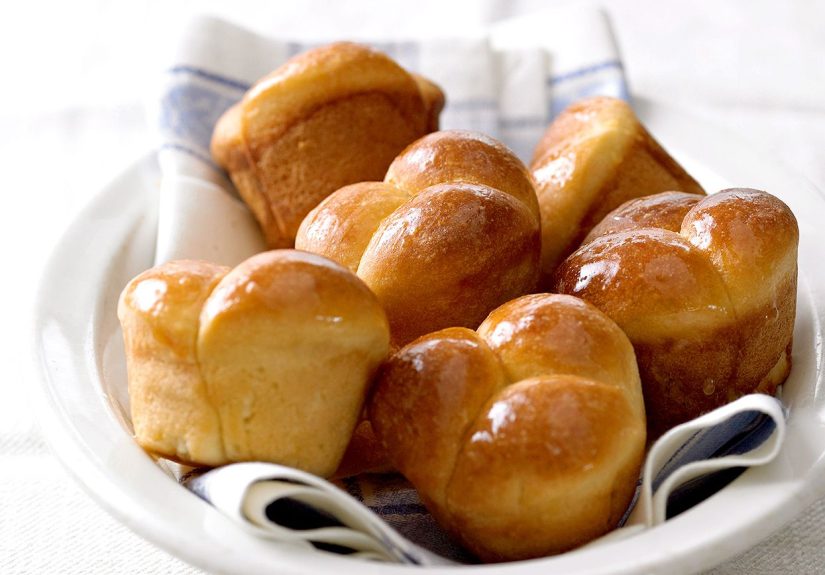
These classic dinner rolls are soft, buttery, lightly sweet, and sturdy enough to swipe up gravy without
turning into a sad sponge. They’re the kind of homemade yeast rolls that make the whole house smell like
you have your life together, even if your laundry is currently living in a chair.
What Makes a Dinner Roll “Classic”?
“Classic” dinner rolls usually mean an enriched yeast doughflour + yeast + salt + a bit of sugar,
plus milk, butter, and often an egg. That enrichment is the magic: it creates a tender crumb, a
slightly rich flavor, and that pull-apart softness that makes people hover by the pan.
Recipe Snapshot
- Yield: 12 rolls (9 larger rolls also works)
- Total time: ~2 hours 15 minutes (mostly rising time)
- Skill level: Beginner-friendly (yeast is not a villain; it’s just misunderstood)
- Texture: Soft and fluffy with buttery tops
Ingredients
(Weights are recommended for consistent results.)
- Milk: 3/4 cup (180 g), warmed to lukewarm
- Water: 1/4 cup (60 g), warmed to lukewarm
- Yeast: 2 1/4 teaspoons instant yeast (or active dry; see notes)
- Sugar: 3 tablespoons (38 g)
- Butter: 4 tablespoons (57 g) melted + 2 tablespoons for brushing
- Egg: 1 large, room temp
- Salt: 1 teaspoon fine salt (or 1 1/4 teaspoons kosher salt)
- All-purpose flour: 3 to 3 1/2 cups (360–420 g), as needed
Optional (but lovely)
- Flaky salt for the tops
- Honey (1 tablespoon) stirred into the melted butter for brushing
Equipment
- Stand mixer with dough hook or a big bowl + your hands
- 9×13-inch baking dish (or a rimmed sheet pan)
- Measuring cups/spoons or a kitchen scale
- Clean kitchen towel or plastic wrap
Step-by-Step: Classic Dinner Roll Recipe
1) Warm the liquids (don’t overheat)
Warm the milk and water until they feel like a comfortable bathlukewarm, not hot. If you have a
thermometer, aim for about 100–110°F. Too cool slows the rise; too hot can weaken or kill yeast.
2) Mix the dough
In the bowl of a stand mixer (or a large mixing bowl), combine warm milk, warm water, sugar, and yeast.
Add melted butter, egg, and salt. Stir to combine.
Add 3 cups (360 g) flour and mix until a shaggy dough forms. If it looks like thick batter,
keep goingthis dough should become soft and slightly tacky, not soupy.
3) Knead until smooth and springy
Knead with the dough hook on medium-low for 6–8 minutes, or knead by hand for
8–10 minutes. The dough should feel smooth, elastic, and just a little tacky. If it’s
sticking to everything like it has attachment issues, add flour 1 tablespoon at a time.
Quick test: Press a finger into the dough. It should slowly bounce back. If it tears easily,
knead a bit longer.
4) First rise (bulk fermentation)
Lightly grease a bowl, place the dough inside, and turn it once so the surface is lightly coated.
Cover and let rise until doubled, about 60–75 minutes at room temperature.
5) Shape the rolls
Gently punch down the dough (gentlythis is bread, not a boxing match). Turn it onto a lightly floured
surface and divide into 12 equal pieces.
To shape: flatten each piece slightly, then pull the edges toward the center to create surface tension.
Flip seam-side down and roll under your palm into a smooth ball.
6) Second rise (proof)
Butter your baking dish. Arrange the dough balls evenly (they should have a little space between them).
Cover and let rise until puffy and the rolls are touching or nearly touching,
about 35–50 minutes.
7) Bake
Preheat the oven to 375°F. Bake for 18–22 minutes, until golden brown on top.
If they brown too quickly, tent loosely with foil for the last few minutes.
8) Butter like you mean it
As soon as the rolls come out, brush with melted butter (optionally mixed with honey). Let cool for
10 minutes, then pull apart and serve warm.
How to Tell When Dinner Rolls Are Done
- Color: deep golden tops, lightly browned edges
- Sound: they should sound slightly hollow when tapped
- Best method: internal temperature around 190°F in the center
Troubleshooting: Quick Fixes for Common Roll Problems
My rolls didn’t rise
- Check yeast freshness (expired yeast is basically decorative sand).
- Liquids may have been too hot or too coldlukewarm is key.
- Room temperature matters. If your kitchen is chilly, rising takes longer. Time is a suggestion; dough is the truth.
My rolls are dense
- Under-kneaded dough can’t trap gas well. Knead until smooth and elastic.
- Too much flour is the #1 culprit. The dough should be soft, not stiff.
- Under-proofing: if the rolls weren’t puffy before baking, they’ll bake up tight.
My dough is sticky
- Sticky is normal; unmanageable isn’t. Add flour gradually1 tablespoon at a time.
- Lightly oil your hands for shaping instead of dumping in lots of flour.
My rolls are dry
- Over-baking dries them out. Pull them when golden and check internal temp if possible.
- Measure flour carefully (a scale helps). Scooping flour can pack too much in.
- Brush with butter right after baking to lock in moisture and add flavor.
Make-Ahead Options (Because Schedules Are Real)
Option A: Overnight refrigerator rise
After the first rise, shape the rolls, place in the buttered dish, cover tightly, and refrigerate overnight.
The next day, let them sit at room temperature until puffy (usually 60–90 minutes), then bake.
This slow rise can also deepen flavoryour rolls will taste like you planned ahead on purpose.
Option B: Freeze baked rolls
Let baked rolls cool completely. Wrap airtight and freeze. Reheat, wrapped in foil, at 300°F until warm,
or microwave briefly (but the oven keeps them softer).
Option C: Freeze unbaked shaped rolls
Shape the rolls, place them on a pan, and freeze until solid. Transfer to an airtight bag.
When you want fresh rolls: arrange in a buttered dish, cover, and let rise until puffy
(this can take several hours), then bake.
Variations That Still Feel “Classic”
Parker House-style (folded) rolls
Roll each portion into an oval, brush with butter, fold in half, and place in the pan. The result:
a buttery “pocket” that’s basically designed for ham and holiday leftovers.
Honey-butter tops
Mix 2 tablespoons melted butter with 1 tablespoon honey and brush on hot rolls. Sweet, shiny, and
dangerously snackable.
Herb dinner rolls
Add 1–2 teaspoons dried Italian seasoning or finely chopped fresh rosemary to the dough,
or sprinkle everything bagel seasoning on buttered tops before baking.
Extra-soft upgrade (tangzhong)
Want rolls that stay softer longer? You can use a tangzhong-style paste (a small portion of flour cooked
with milk) to boost moisture and tenderness. It’s optional for “classic,” but it’s the kind of optional
that feels like cheating in a good way.
Serving Ideas
- Holiday spreads: turkey, ham, roast chicken, all the gravy you can legally serve
- Weeknight comfort: soups, stews, chili, and anything with a bowl and a spoon
- Next-day glory: slice and toast for breakfast with jam, or make mini sandwiches
Kitchen Notes: of Real Dinner Roll Experience
The first time I made classic dinner rolls, I learned an important life lesson:
dough does not care that you’re hungry. You can glare at it. You can pep-talk it. You can
play motivational music. If the kitchen is cold and the yeast is sleepy, the dough will rise
at the pace of a cat deciding whether it wants attention.
Since then, I’ve made rolls for everything from cozy Sunday roast dinners to big holiday
gatherings where the oven is already booked like a celebrity hair stylist. The biggest
breakthrough wasn’t a secret ingredientit was learning what “soft dough” actually feels like.
Early on, I kept adding flour because sticky dough felt wrong. Plot twist: sticky isn’t wrong.
Sticky is just dough being honest about wanting to be tender. When I finally stopped trying
to turn it into a firm, dry ball, my rolls went from “fine” to “why are there only three left?”
Shaping was another comedy arc. At first I made lumpy little bread meteorsedible, yes,
photogenic, no. What fixed it was learning surface tension: tuck the edges under, then
roll the ball against the counter to smooth it out. Once the tops were tight and smooth,
the rolls baked up taller and more evenly, like they had a group project meeting and
actually coordinated.
Holiday roll-making also taught me that timing is half the battle. When I’m hosting, I like
to shape the rolls earlier in the day and refrigerate them, then bring them out to proof while
I wrangle everything else. That way, the oven isn’t a bottleneck and I’m not trying to knead dough
while also pretending I’m calm. And when I’m really planning ahead? I freeze shaped rolls.
There is something deeply satisfying about pulling “future bread” out of the freezer and
baking it fresh. It’s like meal prep, but with more butter and less virtue signaling.
Finally: the butter brush. People treat it like decoration. It is not decoration. It’s flavor,
softness, and that bakery-style glow. I brush once right out of the oven, thenif I’m feeling
extraI brush again a few minutes later. Is it necessary? No. Does it make everyone think you’re
a bread wizard? Absolutely.
Conclusion
Classic dinner rolls don’t need complicated tricksjust a soft enriched dough, enough kneading to build
structure, and enough time to rise until puffy. Bake them golden, butter them generously, and watch the
table go quiet in the best possible way.
If you only remember one thing: don’t bully the dough with flour. Keep it soft, be patient, and the rolls
will reward you with that fluffy, pull-apart perfection that makes any dinner feel like an occasion.