Table of Contents >> Show >> Hide
- The Core Cleaning Toolkit (What You Actually Need)
- Microfiber Cloths: How to Use Them Without Ruining Them
- Sponges, Scrubbers, and Dish Brushes: The “Replace Me” Tools
- Scrub Brushes: Pick the Right Bristle for the Job
- Vacuum Care: More Suction, Less “Why Isn’t This Working?”
- Mops: Clean Floors Without Smearing Dirty Water Everywhere
- Brooms, Dustpans, and Dusters: The Forgotten Tools That Still Matter
- Disinfection Without Drama: When, Where, and How
- Tool-to-Task Matching: Stop Fighting Messes With the Wrong Weapon
- Storage, Replacement, and the “Don’t Let It Get Gross” System
- Room-by-Room Mini Playbook (So You Can Start Today)
- Conclusion (Plus of Real-World “Cleaning Tool” Experience)
Cleaning is basically a sport where the opponents are dust, grease, and whatever that sticky mystery spot is on the
fridge handle. The good news: you don’t need a thousand gadgets to winyou need the right cleaning tools,
used the right way, and cared for so they don’t become tiny germ hotels living under your sink.
This guide breaks down the most useful house-cleaning tools (the classics and the “why did I wait so long to buy
that?” picks), plus how-tos, maintenance tips, and smart habits that make cleaning faster, safer, and way less
annoying. Expect specific examples, a little humor, and zero “spray and pray” nonsense.
The Core Cleaning Toolkit (What You Actually Need)
If your cleaning stash looks like a supermarket aisle exploded, you’re not alone. But most homes can cover 90% of
messes with a lean set of tools. Think “Swiss Army” instead of “warehouse.”
Tier 1: The non-negotiables
- Microfiber cloths (at least 8–12): for counters, glass, dusting, stainless steel, and spill patrol.
- Scrub brushes (2–3 types): a small detail brush, a medium all-purpose brush, and a tougher one for grout/garage.
- Vacuum (or a great broom + dustpan if you’re in a small space): for dust, hair, crumbs, and “why is there glitter?”
- Mop system: flat microfiber mop or spin mop for hard floors; swap pads/heads often.
- Squeegee: shower doors, windows, mirrorsaka the streak-prevention superhero.
- Rubber gloves: protects skin and helps you clean hotter, longer, and with fewer regrets.
Tier 2: The “this makes life easier” upgrades
- Extendable duster: ceiling fans, vents, blinds, and the top of the fridge where dust goes to retire.
- Crevice tools: old toothbrushes, a narrow brush, and a slim vacuum attachment for baseboards and tracks.
- Spray bottles (labeled!): for diluted solutions and quick daily clean-ups.
- Microfiber mop pads (extras): because washing one pad doesn’t help if you need to keep cleaning today.
The secret isn’t owning more toolsit’s matching each tool to the mess and keeping it in good shape. A clogged
vacuum and a sour mop head don’t clean; they just redistribute yesterday’s problems.
Microfiber Cloths: How to Use Them Without Ruining Them
Microfiber is beloved because it grabs dust and grime instead of shoving it around like a tiny broom. But it’s also
picky. Treat it wrong and it turns into a smear machine.
How to microfiber like a pro
- Fold into quarters to create 8 clean sidesflip to a fresh section as it gets dirty.
- Go damp, not soaked for counters and cabinets. Too wet = streaks and wasted effort.
- Use a dedicated glass cloth so you’re not polishing mirrors with a cloth that just fought a greasy stovetop.
How to wash microfiber (so it keeps working)
- Skip fabric softener and dryer sheets (they can coat fibers and reduce absorbency).
- Wash warm or cold with a normal detergent; don’t overdose detergent.
- Air dry or low heat; high heat can damage fibers over time.
- Sort by job (kitchen grease cloths separated from general dusting cloths) to avoid cross-contamination.
Quick tip: Color-code your microfiber (example: blue for glass, gray for dust, green for kitchen). It’s an easy, low-drama way to prevent “toilet cloth accidentally meets countertop.”
Sponges, Scrubbers, and Dish Brushes: The “Replace Me” Tools
Sponges are convenient… and famously gross. They stay damp, catch food bits, and basically throw a house party for
microbes. The key isn’t panicit’s routine.
Best practice: Use, sanitize, replace
- Rinse and wring thoroughly after each use. Leaving a sponge soaking is like giving it a warm bath and a bedtime story.
- Let it dry fast (upright in a holder, not flat in a puddle).
- Replace regularlyespecially if it smells, gets slimy, frays, or discolors.
Sanitizing options (choose what fits your routine)
- Dishwasher method: run on a hot cycle (top rack is common advice).
- Bleach solution soak: use only if you’re comfortable handling bleach safely; rinse thoroughly after.
- Swap to a dish brush: brushes dry faster and are easier to keep cleaner than sponges.
If you want to minimize the “replace-it” category, silicone scrubbers and dish brushes can last longer than
traditional sponges. The trade-off: they don’t always hold soap as well, so you may use a little more dish liquid.
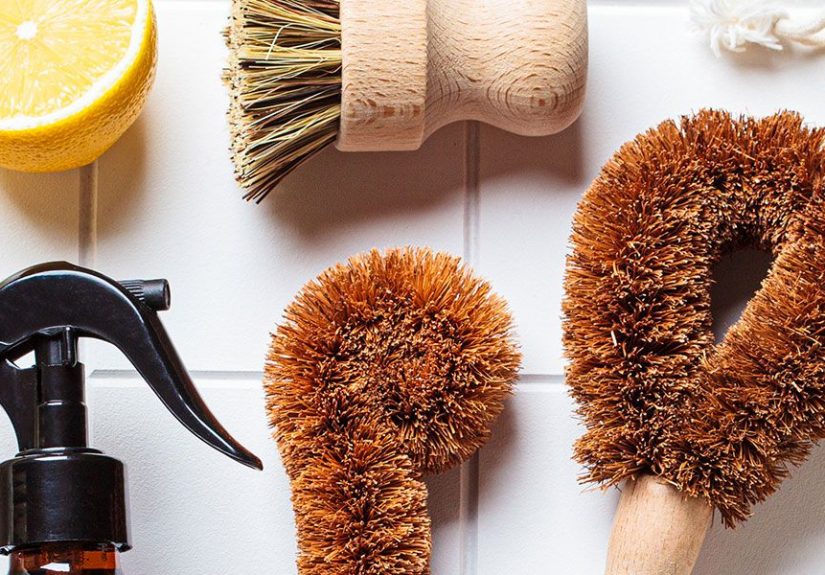
Scrub Brushes: Pick the Right Bristle for the Job
The perfect scrub brush is like the perfect friend: strong when needed, gentle when it matters, and not made of
metal when you’re cleaning something that scratches.
Three brush types to keep on hand
- Soft/medium nylon brush: tubs, sinks, stovetops, textured plastic, sneakers.
- Stiffer brush: grout lines, outdoor mats, garage floors, stubborn scuffs.
- Detail brush/toothbrush: faucet bases, caulk edges, shower-door tracks, around handles and buttons.
How to clean your brushes (yes, brushes need cleaning)
- Rinse under hot water after use and flick off debris.
- Soak in warm, soapy water occasionally; rinse well.
- Let dry bristles-down or hanging so water drains away from the handle.
Vacuum Care: More Suction, Less “Why Isn’t This Working?”
A vacuum can be a cleaning MVP or a loud, wheezy reminder that maintenance exists. Most vacuum “failures” are just
clogs, full bins/bags, dirty filters, or a brush roll wrapped like a hair burrito.
Monthly (or “when it looks gross”) vacuum checklist
- Empty the bin / change the bag before it’s packed tight.
- Cut hair off the brush roll and clear string/fibers.
- Check the hose and intake path for clogs (a chopstick is oddly useful heregently).
- Filter care: wash washable filters only if the manual says so; some HEPA filters should not be washed.
How often should filters be replaced?
It depends on the model and your home (pets, allergies, construction dust, etc.). A common guideline is replacing
certain high-efficiency filters about every 6–12 months, but your owner’s manual is the final boss here. If suction
drops or odors persist after cleaning, the filter is often the culprit.
Specific example: If you vacuum pet hair daily, check the brush roll weekly. Hair wrap can quietly kill performance long before the bin looks full.
Mops: Clean Floors Without Smearing Dirty Water Everywhere
Mopping should make floors cleanernot shinier with “mystery film.” The difference is technique, water management,
and a mop head that isn’t secretly fermenting in a closet.
The right order: dry debris first, then wet clean
- Sweep or vacuum first to remove crumbs, hair, and dust. Otherwise you’re basically making floor soup.
- Use the right moisture level for your floor: wood and laminate generally prefer “damp,” not wet.
- Refresh dirty water before you’re mopping with something that looks like iced coffee.
The two-bucket system (the underrated hack)
Keep one bucket for clean solution and one for rinsing/wringing. This reduces how much grime you redeposit on the
floor. It’s also a fantastic way to feel like you’re running a tiny, very serious floor-cleaning lab.
How to clean mop heads (because they remember everything)
- Microfiber pads: machine wash (often warm) with detergent; skip fabric softener.
- Cotton/string mop heads: commonly washed hot; fully dry before storing.
- Non-removable heads: rinse thoroughly, then soak in hot soapy water; rinse again and air dry upright.
If your mop head smells even after washing, it’s telling you something. Listen to it. Replace it.
Brooms, Dustpans, and Dusters: The Forgotten Tools That Still Matter
Brooms don’t get enough respect. They’re quiet, low-tech, and always readyuntil the bristles are bent and the
dustpan edge has a permanent “crumb gap.”
How to clean a broom and dustpan
- Comb hair and fuzz off bristles after each use (a gloved hand works).
- Wash bristles occasionally in warm, soapy water; rinse well.
- Dry completelyhang it up or stand it bristles-up so they keep their shape.
- Wipe the dustpan lip clean so it can seal against the floor.
Dusting tips that actually reduce dust
- Top to bottom so you’re not dusting the floor first and then raining dust confetti onto it.
- Slightly damp microfiber can capture dust better than a dry feather duster.
- Vacuum attachments help on vents, baseboards, and blinds (where dust likes to cling).
Disinfection Without Drama: When, Where, and How
A lot of people default to disinfecting everything, all the time. Public-health guidance generally emphasizes that
cleaning with soap/detergent and water removes most germs, and that routine disinfection is usually
most important when someone is sick, at higher risk, or after a sick visitor has been in the home.
Clean first, then disinfect (if needed)
- Step 1: remove dirt and grime with a cleaner (soap or detergent-based products).
- Step 2: if disinfecting, apply an appropriate disinfectant and follow the label directions.
- Step 3: allow proper “contact time” (the surface needs to stay wet long enough to work).
Safety rules that should be printed on the inside of your brain
- Never mix bleach with ammonia or acids (including vinegar). Dangerous gases can form.
- Ventilate when using stronger chemicalsopen windows, run fans.
- Wear gloves and wash hands after cleaning tasks.
- Use products as directedmore isn’t better; it’s usually just messier.
If you want to reduce harsh exposures, look for third-party programs that identify products designed with safer
ingredients. Also note: even “safer” disinfectants must still be used exactly as labeledcontact time and handling
instructions still matter.
Tool-to-Task Matching: Stop Fighting Messes With the Wrong Weapon
Grease (kitchen cabinets, stovetops, vent hoods)
- Best tools: microfiber cloth + non-scratch scrub pad + medium nylon brush.
- How-to: apply degreaser, let it dwell briefly, wipe, then scrub corners with a brush.
- Pro move: finish with a clean damp cloth to remove residue that can attract more grime.
Soap scum (showers, tubs, glass doors)
- Best tools: squeegee + scrub brush + microfiber.
- How-to: scrub and rinse; then squeegee after showers to prevent buildup.
- Pro move: keep a small detail brush for tracks and hardware.
Pet hair (rugs, upholstery, baseboards)
- Best tools: vacuum with the right attachment + rubber broom or pet hair tool.
- How-to: vacuum slowly; clean brush roll regularly so hair doesn’t strangle it.
Dust (fans, vents, blinds, bookshelves)
- Best tools: extendable duster + vacuum brush attachment + microfiber.
- How-to: top to bottom, then vacuum the floor last.
Gunk in tiny places (faucet bases, grout, appliance seams)
- Best tools: toothbrush/detail brush + microfiber.
- How-to: use a paste-like cleaner for grip, scrub gently, wipe away with a damp cloth.
Storage, Replacement, and the “Don’t Let It Get Gross” System
The fastest way to make cleaning harder is storing tools wet, dirty, or mashed into a dark cabinet like they’re
being punished. A simple system keeps tools functional (and less smelly).
Storage rules
- Airflow is king: let mops, sponges, and brushes dry fully before storing.
- Hang what you can: brooms and mops last longer when bristles/heads aren’t bent.
- Label spray bottles: mystery liquids are not a personality trait.
- Separate “bathroom tools” from kitchen tools to reduce cross-contamination.
Replacement cues (use your senses)
- Sponges: smell, slime, discoloration, fraying = replace.
- Mop heads/pads: odor after washing, visible wear, reduced performance = replace.
- Vacuum filters: persistent odor, reduced suction, or manufacturer schedule says it’s time = replace.
- Microfiber: if it smears even when clean, fibers may be coated or worn outretire it to “gross jobs.”
Room-by-Room Mini Playbook (So You Can Start Today)
Kitchen (10–15 minutes for a “reset”)
- Clear counters, then wipe with a damp microfiber.
- Spot-scrub grease zones (stove knobs, hood edges, cabinet pulls).
- Sink: scrub basin, rinse, then dry with a dedicated cloth.
- Floor: quick vacuum/sweep around the table and high-crumb areas.
Bathroom (where shine is mostly strategy)
- Spray and let cleaner dwell on shower/tub while you tackle the sink.
- Scrub corners with a detail brush; rinse thoroughly.
- Wipe mirrors with a clean microfiber; squeegee glass doors.
- Quick floor pass with a microfiber pad (especially around the toilet).
Floors (the “don’t skip the first step” rule)
- Always remove debris first (vacuum/sweep).
- Mop with the right dampness for the floor type.
- Change water/pads as needed to avoid spreading dirt.
Conclusion (Plus of Real-World “Cleaning Tool” Experience)
Most people don’t struggle with cleaning because they’re lazy. They struggle because they’re using the wrong tool,
the wrong technique, or a tool that’s overdue for a wash (or retirement). Once the basics are dialed inmicrofiber
for wiping, a brush that matches the job, a vacuum that can actually breathe, and a mop head that isn’t hauntedyour
home gets cleaner with less effort. That’s the goal: fewer marathon sessions, more quick wins.
What people tend to notice once they upgrade their cleaning tools (and habits)
Here’s the funny thing about cleaning tools: the “experience” shifts fast once the tools stop working against you.
In many homes, the first aha moment happens with microfiber. People often start by using one cloth for everything
(kitchen, bathroom, mirrorsyikes), then wonder why the mirror looks like it was wiped with a grilled cheese. Once
they separate cloths by taskespecially keeping a dedicated glass clothstreaks drop dramatically, and cleaning
feels less like an endless redo. The second realization is that detergent and fabric softener habits matter:
skipping softener for microfiber and washing it properly keeps cloths absorbent, which means fewer passes and less
frustration.
Another common experience: the vacuum “mysteriously” starts performing better when the brush roll is cleaned. Pet
owners, in particular, tend to think they need a stronger vacuum when the real issue is hair wrap and clogged
filters. Cleaning the brush roll weekly (or even every few days during shedding season) can make the vacuum feel
new again. People also notice that vacuuming becomes quicker because the machine actually picks things up on the
first passnovel concept, right? And when filters are replaced on schedule (especially higher-efficiency filters),
odors and dusty exhaust tend to improve, which is a big deal for allergy-prone households.
Floors are where the “wrong method” penalty shows up the most. A lot of folks have the lived experience of mopping
a floor that still looks dull or sticky afterward. The fix is usually not stronger cleanerit’s better workflow:
vacuum first, use a damp mop (not a swamp), and stop using dirty bucket water for the entire house. The two-bucket
system feels extra until you try it and realize you were basically marinating your floors in yesterday’s grime.
People also tend to love the experience of having spare mop pads: instead of pushing dirt around, they swap pads
mid-clean and actually remove the mess. It’s surprisingly satisfying.
Bathrooms deliver the biggest “small change, huge payoff” story: a squeegee. Many people report that once they get
into the habit of a quick squeegee after showers (even 30 seconds), soap scum builds slower, glass stays clearer,
and deep-clean day becomes less dramatic. It’s the cleaning equivalent of brushing your teethsmall daily work that
prevents the big, painful appointment later.
Finally, there’s the experience of adopting a simple replacement mindset for certain tools. Sponges and scrubbers
are not family heirlooms. When people replace them regularly (and let them dry properly), the kitchen smells
fresher, and the “what is that odor?” mystery disappears. Add in labeled spray bottles, a little tool organization,
and the overall experience becomes calmerbecause you’re not hunting for supplies, guessing what’s in a bottle, or
realizing mid-clean that your mop smells like regret.
If you take only one thing from this: cleaning tools should make cleaning easier, not harder. Choose a core set,
maintain it, store it dry, and replace the “gross-prone” items on purpose. Your future self will thank youand your
floors will stop giving off that subtle “something’s off” vibe.