Table of Contents >> Show >> Hide
- What Is PCOS, Really?
- How Blood Sugar Fits Into the PCOS Picture
- Why the PCOS-Blood Sugar Connection Matters So Much
- Signs That Blood Sugar May Be Part of Your PCOS Story
- How Doctors Usually Check Blood Sugar in PCOS
- Can Blood Sugar Problems Happen Even if Weight Is Not the Main Issue?
- What Helps Improve Blood Sugar in PCOS?
- PCOS, Blood Sugar, and Fertility
- What If You Suspect PCOS and Blood Sugar Issues?
- The Bottom Line
- What People Commonly Experience With PCOS and Blood Sugar
- SEO Tags
If PCOS had a talent agent, it would probably market itself as a “period problem.” Irregular cycles, acne, extra hair growth, stubborn weight changes, mood swings, fertility stress, the whole dramatic package. But the real backstage boss is often blood sugar. More specifically, it is insulin, the hormone that helps move glucose out of your bloodstream and into your cells for energy.
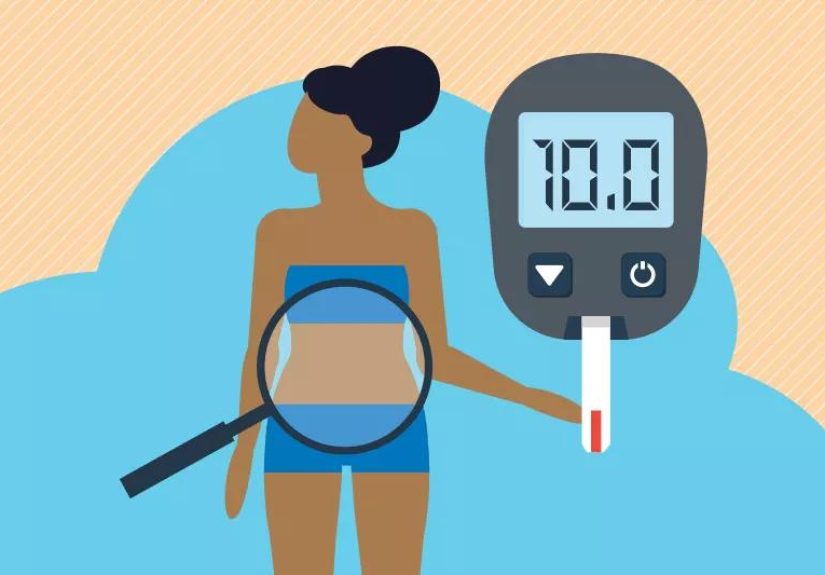
That is why the connection between PCOS and blood sugar matters so much. For many people, PCOS is not just about ovaries. It is also about metabolism. When insulin stops working as efficiently as it should, the body often pumps out more of it. Those higher insulin levels can push the ovaries to make more androgens, which can make classic PCOS symptoms worse. So yes, the plot twist is real: blood sugar and hormones are often tangled together like headphones in a pocket.
This article breaks down what that connection means, why it matters, how it can affect daily life, and what steps may help. It is written in plain American English, with the medical jargon kept on a short leash.
What Is PCOS, Really?
Polycystic ovary syndrome, or PCOS, is a hormonal and metabolic condition that can affect ovulation, periods, skin, hair growth, weight, fertility, and long-term health. People with PCOS may have irregular or missed periods, acne, thinning hair on the scalp, extra facial or body hair, difficulty getting pregnant, or weight gain that seems to have a personal grudge against them.
Despite the name, PCOS is not simply a condition of “cysts on the ovaries.” It is better understood as a syndrome, meaning a group of related symptoms and body changes that can look different from one person to another. Some people have very noticeable symptoms. Others do not realize anything is wrong until they start trying to conceive or get routine lab work.
And this is where blood sugar enters the chat.
How Blood Sugar Fits Into the PCOS Picture
Insulin resistance is often the bridge
Insulin is the hormone that helps your body use glucose, which is a main fuel source. When your cells become less responsive to insulin, the pancreas often makes more of it to keep blood sugar under control. That is called insulin resistance.
In many people with PCOS, insulin resistance is one of the major reasons the condition sticks around and causes trouble. At first, blood sugar may still look normal on basic labs because the body is compensating by making extra insulin. But “normal for now” does not always mean “everything is perfectly fine forever.” It may simply mean the body is working overtime behind the scenes.
Higher insulin can make hormone imbalance worse
When insulin levels stay high, the ovaries may produce more androgens. Those extra androgens can interfere with ovulation and contribute to symptoms such as acne, unwanted hair growth, and irregular periods. In other words, insulin does not just affect blood sugar. It can also stir up the hormonal side of PCOS.
This is one reason the connection between PCOS and blood sugar feels so frustrating. It is not a neat, one-lane road. It is more like a messy roundabout where insulin, glucose, weight, inflammation, and hormones all keep circling each other.
You can have PCOS even if you do not have diabetes
A common misunderstanding is that PCOS automatically means diabetes. It does not. Plenty of people with PCOS do not have diabetes. But PCOS can raise the risk of prediabetes, type 2 diabetes, gestational diabetes, and other metabolic problems over time, especially if insulin resistance is part of the picture.
That is why regular follow-up matters. PCOS is not a guarantee of diabetes, but it is also not something to shrug off with a casual, “My period is weird, but I guess that is just my brand.”
Why the PCOS-Blood Sugar Connection Matters So Much
When blood sugar regulation is off, the effects can go beyond a lab report. They can affect energy, hunger, cravings, sleep, skin, weight patterns, and long-term health. Some people notice a strong afternoon crash after a pastry-heavy breakfast. Others feel shaky, ravenous, foggy, or irritable when meals are skipped. Some gain weight mostly around the midsection and feel like their metabolism has started freelancing without permission.
Longer term, unmanaged insulin resistance may increase the risk of prediabetes, type 2 diabetes, high blood pressure, unhealthy cholesterol levels, heart disease, and metabolic syndrome. During pregnancy, PCOS can also be linked with a higher chance of gestational diabetes. That does not mean problems are guaranteed. It means blood sugar deserves a seat at the table when PCOS is being evaluated and treated.
Signs That Blood Sugar May Be Part of Your PCOS Story
No single symptom can diagnose blood sugar problems, but some common clues may make a healthcare professional look more closely:
- Strong cravings for sweets or refined carbs
- Energy crashes after meals
- Feeling tired even when you are eating “enough”
- Weight gain that seems concentrated around the abdomen
- Trouble losing weight despite consistent effort
- Dark, velvety patches of skin, often on the neck, underarms, groin, or under the breasts
- A family history of type 2 diabetes
- A history of gestational diabetes or elevated blood sugar
These clues do not prove insulin resistance on their own, but they do suggest it is worth discussing blood sugar testing with a clinician. Think of them as nudges, not verdicts.
How Doctors Usually Check Blood Sugar in PCOS
If you have PCOS, your healthcare provider may look at more than reproductive hormones. Depending on your age, symptoms, weight history, pregnancy plans, and family history, they may also check fasting glucose, A1C, or sometimes an oral glucose tolerance test. Cholesterol, triglycerides, and blood pressure may also be part of the bigger metabolic picture.
This matters because insulin resistance can exist before obvious diabetes shows up. A person may not “feel diabetic,” may not look sick, and may still have metabolic changes worth catching early. Early is good. Early is much easier than letting things snowball and then trying to negotiate with a blood sugar crisis later.
Can Blood Sugar Problems Happen Even if Weight Is Not the Main Issue?
Yes. Weight can absolutely affect insulin sensitivity, but it is not the entire story. PCOS is a complex condition influenced by hormones, genetics, activity level, diet, sleep patterns, body fat distribution, and individual metabolism. Some people with PCOS live in larger bodies and have clear insulin resistance. Others are not overweight and still show metabolic issues.
That is one reason a good PCOS conversation should never stop at, “Just lose weight.” Healthy changes can help, yes. But dismissing everything as a willpower problem is both unhelpful and medically lazy.
What Helps Improve Blood Sugar in PCOS?
1. Meals that are balanced, not chaotic
A helpful approach is to build meals around protein, fiber, healthy fats, and smarter carbohydrate choices instead of letting every meal turn into a white-bread parade. That does not mean carbs are evil. It means your body often handles them better when they are paired well.
For example, a bagel by itself may send blood sugar soaring and then dropping like a dramatic reality-show contestant. A meal with eggs, Greek yogurt, berries, beans, vegetables, fish, tofu, nuts, seeds, oats, or whole grains may provide steadier energy. Many clinicians also recommend a Mediterranean-style eating pattern because it supports heart and metabolic health while keeping meals practical and sustainable.
One very useful trick is pairing carbs with protein and fiber. An apple with peanut butter generally lands better than a giant muffin eaten in the car while negotiating with traffic and your life choices.
2. Regular movement
Exercise helps the body use insulin more effectively and can improve blood sugar control over time. That does not mean you need to transform into a fitness influencer who refers to kale as “fuel.” Walking, cycling, swimming, strength training, dancing in your kitchen, and consistent daily movement all count.
For many people with PCOS, the sweet spot is a combination of aerobic activity and resistance training. Walking after meals can also be surprisingly helpful. Glamorous? No. Effective? Often, yes.
3. Weight management, when relevant
For people carrying excess weight, even modest weight loss may improve insulin sensitivity, cycle regularity, and overall symptoms. That said, the goal is not punishment or crash dieting. Fast, restrictive plans usually backfire, especially when they leave you tired, hungry, and angry at celery.
The better strategy is consistency: balanced meals, movement you can repeat next week, sleep that is not a disaster, and realistic habits that survive busy days.
4. Medication, when appropriate
Some people with PCOS may be prescribed medicine to improve insulin sensitivity, especially if blood sugar issues are already showing up. Metformin is one of the better-known examples. Depending on symptoms and goals, treatment may also include hormonal birth control, fertility medication, or other symptom-specific options.
There is no one-size-fits-all PCOS formula. Treatment should match the person, not the internet comment section.
5. Ongoing monitoring
If you have PCOS and your labs are normal today, that is good news, not a reason to disappear for five years and reappear only when your energy has tanked and your snacks have become emotionally supportive. Periodic follow-up can help catch metabolic changes early, especially if your symptoms change, your weight changes, or you are planning a pregnancy.
PCOS, Blood Sugar, and Fertility
The PCOS-blood sugar connection also matters for fertility. High insulin and higher androgen levels can interfere with ovulation, making it harder to predict or achieve pregnancy. Improving insulin sensitivity may help some people ovulate more regularly. If pregnancy is the goal, managing blood sugar becomes even more important because it can influence fertility treatment, pregnancy health, and the risk of gestational diabetes.
This does not mean PCOS makes pregnancy impossible. Far from it. Many people with PCOS conceive successfully. It simply means the metabolic side of the condition deserves attention early, not as an afterthought.
What If You Suspect PCOS and Blood Sugar Issues?
If this article is making you think, “Well, that explains a few things,” the next step is not self-diagnosing from the couch while holding a family-size snack bag. The next step is getting evaluated.
Talk with a healthcare professional if you have irregular periods, acne that will not quit, unusual hair growth, patches of darkened skin, fertility concerns, unexplained weight changes, or a strong family history of diabetes. Ask whether your blood sugar, A1C, cholesterol, and other metabolic markers should be checked. If you already know you have PCOS, ask how often those markers should be monitored.
Good care for PCOS looks at the whole picture: hormones, periods, fertility goals, mental health, skin changes, cardiovascular risk, and blood sugar. Not just one symptom. Not just one lab. Not just one lecture about salads.
The Bottom Line
The connection between PCOS and blood sugar is not a side note. For many people, it is one of the central reasons PCOS affects so much more than the menstrual cycle. Insulin resistance can help drive hormonal imbalance, worsen symptoms, and raise the risk of prediabetes and type 2 diabetes over time.
The encouraging part is that this connection also gives us useful targets. Balanced meals, regular movement, weight management when appropriate, sleep support, medical follow-up, and individualized treatment can all improve the outlook. You do not need to be perfect. You just need a plan that is grounded in real physiology and realistic enough to survive ordinary life.
PCOS may be complicated, but the goal is simple: better blood sugar, better hormone balance, better long-term health, and fewer days where your body feels like it is freelancing without permission.
What People Commonly Experience With PCOS and Blood Sugar
One of the most common experiences people describe is confusion. They may go to the doctor because of irregular periods or acne, only to learn that blood sugar may be part of the story too. That can feel surprising at first. Many people think blood sugar problems only show up in diabetes, so hearing that insulin resistance can exist before diabetes develops often changes the way they understand their symptoms. Suddenly, the fatigue after meals, constant cravings, or that “I just ate, why am I hungry again?” feeling starts to make more sense.
Another common experience is the energy roller coaster. Some people with PCOS feel fine in the morning, then hit a wall by midafternoon, especially after meals that are heavy in refined carbs and light on protein or fiber. They may describe feeling sleepy, foggy, irritable, or oddly shaky. Others notice that skipping meals backfires. They try to “be good,” accidentally go too long without eating, and then end up ravenous later. The result is often a cycle of restriction, cravings, overeating, and guilt, which is not exactly a fun hobby.
Weight changes are also a big part of many lived experiences. Some people say they gain weight quickly, especially around the middle, and lose it very slowly, even when they are trying hard. That can be emotionally exhausting. It is hard enough to manage symptoms without feeling like your body is ignoring your effort out of pure spite. For many, the breakthrough comes when the focus shifts from eating less in a vague, miserable way to eating more strategically, building balanced meals, and moving consistently. The scale may not change overnight, but energy, cravings, and periods sometimes improve before dramatic weight loss shows up.
Skin changes can be another clue people remember clearly. Some notice acne that persists long after the teenage years should have packed up and left. Others notice darkened, velvety skin in places like the neck or underarms and do not realize it can be linked with insulin resistance. That discovery can be upsetting, but it can also be useful because it points toward a real medical explanation rather than a cosmetic mystery.
Emotionally, many people with PCOS and blood sugar issues feel dismissed before they feel understood. They may be told to “just lose weight,” with very little explanation of why their body seems to be fighting back. Others are frustrated because their glucose tests look normal while they still feel clearly off. That is why better education matters. Blood sugar problems in PCOS are not always obvious on day one, and symptoms do not always arrive in a tidy order.
There is also a lot of relief when people finally get a practical plan. Instead of chasing random internet advice, they learn how to pair carbs with protein, go for a walk after dinner, follow up on labs, and talk with a clinician about whether medication makes sense. In real life, progress often feels less like a miracle and more like fewer crashes, steadier moods, more predictable hunger, and the quiet joy of realizing your body is becoming a little easier to live in.