Table of Contents >> Show >> Hide
- What Freeze Branding Actually Is
- Why Doctors Say Freeze Branding Puts People at Risk
- Freeze Branding vs. Traditional Tattoos: Why the Comparison Falls Apart
- Why the Trend Is So Tempting Online
- What Doctors Want People to Understand Before They Try It
- Safer Ways to Think About Body Art
- The Bottom Line
- Real-World Experiences and Lessons People Keep Describing
- SEO Tags
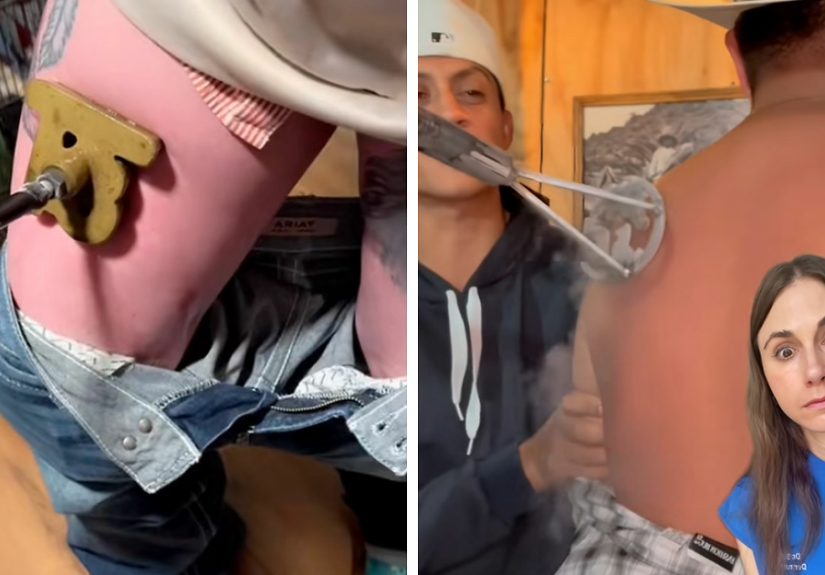
Social media never sleeps, and apparently neither does its ability to turn a terrible idea into a trend by lunchtime. The latest example is freeze branding, a body-art stunt being sold as an edgy alternative to traditional tattoos. The pitch sounds almost clever: no ink, no buzzing tattoo machine, just a stark, scar-like mark created with extreme cold. Very minimal. Very dramatic. Very likely to make a dermatologist sigh into the void.
Doctors are warning that this so-called tattoo alternative is not some harmless beauty hack. It is, in practical terms, a deliberate cold injury to the skin. And once you stop calling it “freeze branding” and start calling it what it actually is, the appeal cools off fast. What looks stylish for five seconds on a viral clip can leave behind weeks of wound care, a higher risk of infection, permanent discoloration, and scarring that may look nothing like the person imagined.
That is the central problem with the trend: it borrows the language of body art, but medically, it behaves more like a wound. And wounds are not known for their commitment to clean lines, symmetry, or artistic restraint.
What Freeze Branding Actually Is
Freeze branding, sometimes called cryo-branding, comes from livestock marking. The basic idea is that extreme cold damages pigment-producing cells and hair follicles, creating a pale or scarred mark over time. On animals, the method is used for identification. On humans, it has been repackaged online as a “cooler” alternative to tattoos, which is the kind of sentence that should probably come with a warning siren.
Part of the confusion comes from the fact that liquid nitrogen and other forms of cryotherapy are real medical tools. Dermatologists use carefully controlled cryotherapy to treat certain skin lesions in clinical settings. But that fact does not turn DIY or social-media freeze branding into a smart idea. A medical procedure performed by trained professionals on specific skin conditions is not the same thing as intentionally freezing healthy skin for aesthetic effect. That is like noticing chefs use knives and deciding juggling them on a trampoline is basically culinary school.
The difference is control. In a medical setting, a clinician knows what is being treated, how deep the tissue should be affected, how long exposure should last, and how to manage complications. A viral trend has none of that built in. It has confidence, poor judgment, and a comments section full of people typing “looks sick.”
Why Doctors Say Freeze Branding Puts People at Risk
1. Extreme Cold Can Cause Real Tissue Damage
Freeze branding may get dressed up as alternative body art, but from a medical standpoint it can function like a cold burn or frostbite-type injury. Severe cold exposure can permanently damage skin and deeper tissue. Even ice left directly on skin too long can cause injury; liquid nitrogen is far colder and far less forgiving.
That matters because the final result is not magically “a tattoo, but frozen.” It is an injury that heals unpredictably. One person may end up with a pale mark. Another may get blistering, an ulcer-like wound, uneven pigment loss, or a scar that spreads beyond the original shape. Social media tends to show the moment of impact, not the less glamorous sequel starring swelling, discomfort, and a bandage.
2. Broken Skin Creates an Opening for Infection
Once skin is damaged, bacteria have an easier path inside. That is why dermatologists and other clinicians warn about cellulitis, a bacterial infection of the skin and tissue underneath it. Cellulitis can begin when bacteria enter through a wound, burn, scrape, or other break in the skin. And no, “but it was for aesthetics” is not recognized by bacteria as a valid exemption.
An infected wound is not just annoying. It can become painful, hot, red, swollen, and medically urgent. If it worsens, treatment may require antibiotics and closer care. In more serious cases, skin and soft tissue infections can escalate quickly. That is exactly why doctors are sounding the alarm: a trend designed for likes can turn into a problem designed for urgent care.
3. The Scar May Be Permanent, but Not in a Cute, Editorial Way
Many people trying freeze branding are chasing a certain look: pale lines, raised edges, or a dramatic “branded” design. The reality is that scars do not read your mood board. They heal according to biology, not aesthetics.
Some injuries heal flat. Others heal thick, raised, or wider than expected. People prone to keloids or hypertrophic scars can end up with scar tissue that grows larger than the original wound. That risk is especially important for anyone with a personal or family history of abnormal scarring. A shape that looked tiny in a concept sketch can become a long-term, uneven scar that does not respect boundaries.
There is also the issue of pigment change. Cryotherapy can leave skin lighter or darker than the surrounding area, and these changes can be long-lasting or permanent. That makes freeze branding especially unpredictable for people with deeper skin tones, who may be more likely to experience noticeable discoloration. In other words, the mark may stay forever, but the result may still be nothing like the one that inspired the trend in the first place.
4. Healing Takes Time, and Skin Does Not Bounce Back Like a Screen Filter
One of the more stubborn myths around viral beauty trends is that the body quietly cooperates with the plan. Skin does not. Wound healing is a process, and it can take weeks, months, or longer depending on the injury. Even after a wound closes, the area remains weaker than untouched skin for quite some time, and the final appearance of a scar can keep evolving.
That means freeze branding is not just a momentary experiment. It can become a long-term recovery project. The area may need cleaning, protection, moisture, dressing changes, and a lot of patience. And if the wound becomes infected or scars badly, the aftercare may get much more complicated. Suddenly the “tattoo alternative” is behaving less like fashion and more like homework you did not ask for.
Freeze Branding vs. Traditional Tattoos: Why the Comparison Falls Apart
Supporters of the trend often frame freeze branding as if it is simply another lane in the body-art universe. But that comparison is misleading. A traditional tattoo places pigment into the skin in a controlled way. It comes with real risks too, which is why reputable studios follow hygiene standards, licensing rules, and aftercare practices.
Freeze branding, by contrast, relies on deliberate tissue destruction and uncertain healing. The “design” is not placed into the skin; it emerges from damage. And damage is famously bad at being precise.
That is why medical professionals are not treating this as a quirky style preference. They are treating it as an unnecessary injury. A tattoo may leave you deciding whether the snake should have been smaller. Freeze branding may leave you deciding whether you now need a doctor, scar management, or both.
Why the Trend Is So Tempting Online
Part of freeze branding’s appeal is visual. The videos are dramatic, the result looks unusual, and the language around it makes it sound almost futuristic. It also benefits from the classic internet formula: take a risky practice, give it a sleek name, edit out the boring consequences, and add background music.
There is also a psychological trick at work. People tend to underestimate cold injuries because cold can numb the area at first. That can create the false impression that something is less harmful than it really is. But reduced sensation in the moment does not mean reduced damage later. The injury can declare itself after the adrenaline and the camera angle have moved on.
And that is the problem with social media health logic in general. It rewards novelty, not safety. The algorithm is not asking whether a body modification trend has a predictable healing profile. It is asking whether it stops the scroll.
What Doctors Want People to Understand Before They Try It
The biggest medical message is simple: healthy skin is not a blank wall for reckless experiments. When doctors use cryotherapy, they do so for a reason, with training, and with a plan for complications. Freeze branding for aesthetic purposes skips the reason, keeps the damage, and crosses its fingers about the outcome.
Doctors also want people to understand that “permanent” and “worth it” are not synonyms. A mark can last forever and still be a bad idea. A scar can be intentional and still become a source of regret. And once a wound heals in an uneven way, there may be only limited options for improving it.
That is why professionals keep returning to the same point: the trend is risky not because doctors are anti-fun, anti-style, or anti-self-expression. It is risky because the skin has very predictable ways of responding to major injury, and many of those ways are inconvenient, painful, expensive, and not remotely aesthetic.
Safer Ways to Think About Body Art
People are always going to look for new ways to customize their appearance. That part is not surprising. What matters is whether the method respects basic health and hygiene. If someone is serious about body art, the safer path is obvious: talk to licensed professionals, understand the risks, and avoid anything that depends on DIY tissue destruction for the final look.
That does not mean every conventional option is risk-free. It means there is a difference between managed risk and chaotic risk. Choosing a licensed tattoo studio or discussing cosmetic concerns with a dermatologist is very different from treating extreme cold like an art supply. One approach starts with safety standards. The other starts with a viral video and ends with gauze.
The Bottom Line
Doctors warn that freeze branding is not a clever tattoo alternative. It is a dangerous body modification trend that can cause cold burns, infection, scarring, pigment changes, and a long, unpredictable healing process. The visual might look bold online, but the medical reality is much less glamorous. Human skin is not livestock hide, and liquid nitrogen is not a styling product.
That is the real lesson behind the trend. If a body-art idea requires you to gamble with frostbite, cellulitis, or permanent scarring just to get a minimalist mark, it is probably not avant-garde. It is just bad planning with a better publicist.
Real-World Experiences and Lessons People Keep Describing
One reason doctors are speaking so bluntly about freeze branding is that the pattern of regret is easy to predict. The experience often begins with curiosity and confidence. People see a clip online, assume the process looks quick, and convince themselves that the unusual finish will somehow be cleaner or more artistic than a regular tattoo. In the beginning, the appeal is all concept: sharp lines, pale contrast, no ink, no cliché. It feels like a shortcut to something original.
Then the body enters the chat.
A common theme in stories shared around cold injury and cosmetic mishaps is that the first impression can be misleading. The area may seem numb at first, which encourages the false idea that the damage is manageable. But when the tissue starts reacting, people are often surprised by how uncomfortable and inconvenient the healing stage becomes. Suddenly there is tenderness, swelling, blistering, drainage, crusting, or a wound that needs real attention instead of a dramatic reveal for followers.
Another repeated experience is disappointment with the final shape. Social media makes everything look crisp. Human healing prefers improvisation. Lines that were supposed to be delicate can spread. Color that was supposed to be pale and even can turn patchy. A result that looked “clean” in the imagination can heal into something raised, shiny, irregular, or much more noticeable than planned. For some people, the worst part is not the pain. It is the mismatch between the fantasy and the mirror.
There is also the emotional side. People dealing with a wound on a visible part of the body often describe the aftercare as exhausting. It is not just a physical issue. It can affect sleep, clothing choices, workouts, workdays, confidence, and social comfort. A trend that was supposed to feel rebellious and stylish can quickly become a source of stress. Some people worry about whether the area is infected. Others wonder whether the mark will fade, flatten, or stay exactly as it is. Waiting for skin to heal can feel very long when the damage was voluntary and avoidable.
And then comes the classic internet aftermath: the clip that inspired the decision is long gone, but the wound is still there. That mismatch matters. Viral trends are built for novelty; healing is built for patience. One moves at the speed of attention. The other moves at the speed of biology.
The broader lesson from these experiences is not merely “be careful.” It is that body trends involving deliberate injury almost always hide the hard part. They spotlight the stunt and crop out the consequences. Doctors are trying to put those consequences back in frame. Because once people understand that freeze branding can mean real wound care, real scarring, and real medical risk, the trend stops looking edgy and starts looking exactly like what it is: a bad bargain dressed up as self-expression.