Table of Contents >> Show >> Hide
- Why food brand collaborations are everywhere right now
- 7 dream food collaborations brands should absolutely consider
- 1. Cheetos x Wet Ones: The snack-and-cleanup power couple
- 2. McDonald’s Fries x McFlurry Dip Cups
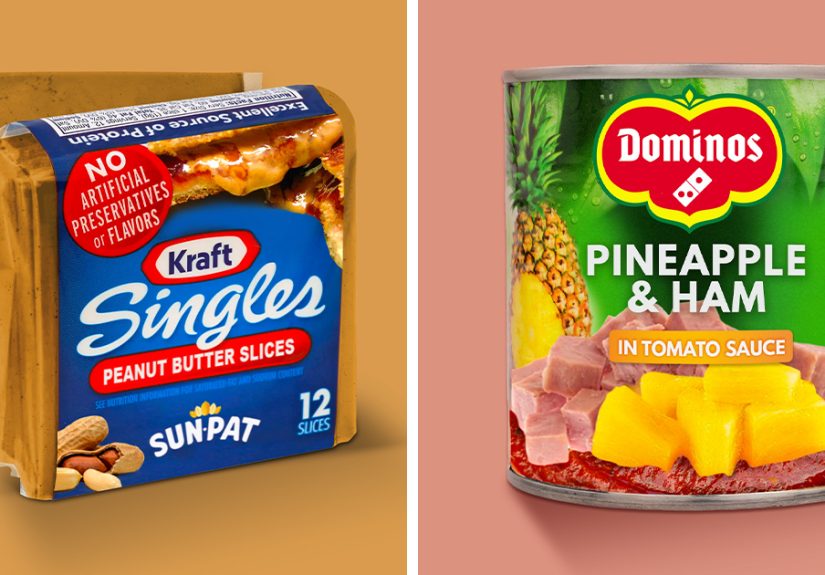
- 3. Jif x Uncrustables Toast Sheets for lazy breakfast geniuses
- 4. Domino’s x Del Monte Pineapple Packs for the great pizza debate
- 5. Campbell’s x Goldfish Grilled Cheese Dunk Cups
- 6. Girl Scouts x Ben & Jerry’s cookie-dunk sundae pints
- 7. Bonne Maman x Devon cream-style “peace swirl” jars
- What these dream collaborations reveal about consumers
- The real secret behind great dream food collaborations
- 500 more words on the experience of noticing missed food-brand opportunities
- Final bite
- SEO Tags
There are two kinds of people in this world: people who see a new food collaboration and think, “Neat,” and people who stare at it like a conspiracy board and whisper, “Why stop there?” This article is for the second group.
Because once you’ve seen enough limited-edition snacks, strange restaurant tie-ins, cereal stunts, and grocery aisle plot twists, you start noticing something important: food brands are no longer just selling flavor. They are selling surprise. They are selling nostalgia. They are selling the thrill of spotting a product so odd that you text a photo of it to three friends before you even put it in your cart.
That helps explain why the internet has become obsessed with dream food collaborations. Fans are no longer waiting for brands to invent the next mashup. They are doing the ideation themselves. They are looking at their favorite foods, their laziest snack habits, their most irrational cravings, and asking the only question that matters: why does this not already exist?
And honestly, that question is getting harder to ignore. The American food scene has already embraced the weird and wonderful. We have seen cookie-and-candy mashups, breakfast products borrowing from bacon and dessert, fast-food items transformed into packaged snacks, and limited-time collabs that feel like they were brainstormed during a sugar rush and approved five minutes later. Yet even in that delightfully chaotic landscape, there are still plenty of missed opportunities for food brands.
So instead of simply gawking at bizarre releases from the sidelines, let’s do what snack lovers do best: overthink them. Below are seven fan-worthy, highly marketable, occasionally ridiculous, and weirdly believable food brand collaboration ideas that deserve to exist. Some are practical. Some are chaotic. All of them make a little too much sense.
Why food brand collaborations are everywhere right now
The modern grocery shelf is basically a speed-dating event for brands. A legacy snack meets a nostalgic dessert. A restaurant favorite jumps into the frozen aisle. A candy brand borrows the identity of a cookie. And consumers, instead of backing away slowly, often lean in.
Why? Because food collabs solve a very modern consumer problem: people want novelty, but they don’t want risk. A totally unfamiliar product can feel like a gamble. A collaboration between two known favorites feels safer. It gives shoppers permission to be adventurous without wandering too far from what they already trust.
That is the magic formula. Familiarity plus surprise. Comfort plus curiosity. The result is a product that feels new enough to be exciting and recognizable enough to be clickable, shareable, and worth trying at least once.
There is also the social media effect. The most successful viral food trends do not always begin with a boardroom. Sometimes they begin with people layering, dipping, mixing, or hacking foods at home. Once brands see enough of that behavior online, the obvious next move is to make the shortcut official. That is how a fan habit becomes a product launch, and how a joke turns into a sellout.
In other words, dream collaborations work because they often start with something very real: human laziness, human curiosity, and the eternal desire to make snack time less complicated and more fun.
7 dream food collaborations brands should absolutely consider
1. Cheetos x Wet Ones: The snack-and-cleanup power couple
Let’s begin with a problem older than the internet itself: orange fingers. Cheese dust is delicious, but it is also clingier than an ex in a rom-com. Fans have accepted this for years as the price of admission, but why should they have to? A branded collaboration between a messy snack icon and a wipe company would be funny, useful, and extremely giftable.
Picture it: a limited-edition party pack with crunchy snacks on one side and travel-size cleanup wipes on the other. It would be part joke, part utility, and entirely on-brand for the era of self-aware marketing. Best of all, it would acknowledge what consumers already know: the best snack products are not just tasty, they understand the real-life experience of eating them.
2. McDonald’s Fries x McFlurry Dip Cups
People have been dipping fries into cold, sweet desserts for years. This is no longer a quirky food confession. It is a mainstream behavior with a loyal following and zero shame. So why are customers still doing this with improvised hand choreography in the front seat of a car?
A proper dip cup would turn a fast-food habit into an intentional menu item. Think smaller portions, thicker texture, and flavors made specifically for salty fries. Vanilla? Easy. Chocolate? Classic. Something caramel-cookie? Now we are talking. This is the kind of limited-edition snack collaboration that would feel obvious the moment it launches, which is usually the mark of a winner.
3. Jif x Uncrustables Toast Sheets for lazy breakfast geniuses
There are plenty of people who love peanut butter but do not love spreading peanut butter. It sticks to knives, tears bread, and somehow ends up on the counter, the jar, and one finger you swear never touched it. That is why a ready-to-melt or ready-to-toast peanut butter sheet would have real appeal.
A collaboration built around pre-portioned peanut butter layers could turn toast into a one-step affair. Add fruit flavor, marshmallow, honey, or even a light chocolate swirl and suddenly breakfast becomes a product category again. It sounds ridiculous until you remember how many once-ridiculous convenience foods are now completely normal.
4. Domino’s x Del Monte Pineapple Packs for the great pizza debate
Pineapple on pizza is one of the internet’s favorite fake civil wars. But for all the shouting, the category still feels oddly underdeveloped. Why not create a simple add-on kit for pineapple lovers that makes the topping feel deliberate, premium, and a little playful?
A branded pineapple topper pack could include perfectly sized fruit pieces, a sweet-heat glaze, and even suggested pairings with bacon, jalapeño, or barbecue chicken. This would not just sell a topping. It would sell a point of view. And in the age of personality-driven food marketing, that is half the battle.
5. Campbell’s x Goldfish Grilled Cheese Dunk Cups
Few pairings are more emotionally stable than tomato soup and grilled cheese. That combo is practically American comfort food royalty. So the next logical move is a portable version that captures the whole experience without demanding a saucepan, a skillet, and the energy of a functioning adult.
Imagine a microwavable tomato soup cup with buttery, grilled-cheese-flavored Goldfish or mini toasted sandwich bites built into the lid compartment. It would be lunchbox-friendly, office-friendly, and almost guaranteed to trigger nostalgia. This kind of collaboration would not need to be shocking to succeed. It would just need to feel inevitable.
6. Girl Scouts x Ben & Jerry’s cookie-dunk sundae pints
Some collaborations work because they taste good. Others work because they activate every sentimental nerve ending in your body. A premium ice cream brand partnering with beloved cookie flavors would do both.
Thin Mints-inspired mint fudge swirl. Samoas-style caramel-coconut-chocolate crunch. Tagalongs with peanut butter ribbons. None of these ideas require consumers to be convinced; they require consumers to be restrained. The appeal here is not subtle. It is the thrill of seeing two already adored products stop flirting and finally commit.
7. Bonne Maman x Devon cream-style “peace swirl” jars
There is something deeply human about arguing over how jam and cream belong on a biscuit or scone. One person goes fruit first. Another goes cream first. Nobody changes their mind, and brunch quietly becomes a tribunal.
That is why a neatly swirled jar that combines both elements would be more than a novelty. It would be a peace treaty in glass form. It would eliminate the order debate, reduce mess, and make the whole experience look more elegant. In food marketing terms, this is gold: convenience, visual appeal, conversation value, and a built-in emotional hook.
What these dream collaborations reveal about consumers
At first glance, fan-made mashups look like jokes. But look closer and they reveal something useful about how people actually eat. Consumers are not just asking for louder flavors or wilder packaging. They are asking for products that fit real habits.
They want less mess. Less assembly. Less kitchen cleanup. Less decision fatigue. They want foods that understand how they snack on the couch, eat lunch at a desk, improvise a late-night treat, or build tiny rituals around comfort foods. A smart food brand collaboration is not random. It starts with behavior.
That is why the best concepts do not feel like stunts for the sake of it. They feel like shortcuts to joy. They turn a thing consumers already do into something more convenient, more polished, or simply more fun.
And yes, sometimes the goal is nothing more profound than making people laugh in the snack aisle. But even that has value. In a crowded market, delight is a strategy.
The real secret behind great dream food collaborations
Not every brand mashup deserves to exist. Some feel stitched together by marketing panic and held upright by a hashtag. But the good ones, and especially the fan-invented ones that people immediately “get,” usually share three traits.
First, they solve a tiny but real problem. Orange fingers. Messy spreading. Awkward dipping. Portable comfort food. Those are small annoyances, but products built around tiny irritations often become big hits.
Second, they preserve the personality of both brands. Nobody wants a collaboration where one partner disappears completely. The best pairings let each brand remain recognizably itself while creating a product that feels fresh.
Third, they create a story people want to repeat. “Have you seen this?” is one of the most powerful marketing engines in food right now. The more instantly explainable the product is, the stronger the buzz tends to be.
500 more words on the experience of noticing missed food-brand opportunities
One of the funniest parts of modern snack culture is that consumers increasingly do brand development in their heads while grocery shopping. You walk into a store for eggs and leave wondering why no one has invented a cereal milk coffee creamer that actually tastes like the bottom of the bowl. You stand in front of the chip aisle and suddenly become a consultant. You see a cookie flavor, then an ice cream brand, then a candy bar, and your brain immediately starts playing matchmaker.
That experience matters, because it shows how interactive food branding has become. Consumers do not just passively consume products anymore. They mentally remix them. They imagine the packaging, the flavor profile, the social media ad, and the limited-edition release date. They think, “This would sell out in two days,” and most of the time, they are probably right.
There is also a very specific kind of frustration that comes from seeing a collaboration that almost works. Maybe the brands are great, but the format is wrong. Maybe the flavor concept is strong, but the execution feels timid. Maybe the product is fun to photograph and disappointing to eat. Those near-misses are what push fans to invent better ideas. It is not just criticism. It is participatory craving.
And honestly, the best dream collaborations often come from the most ordinary moments. Someone is eating crackers and wishes they had a dip compartment built into the package. Someone is making toast and resents needing three separate jars. Someone is curled up on the couch and wants soup-and-sandwich comfort without creating a sink full of dishes. Innovation is not always born from culinary genius. Sometimes it is born from not wanting to get up.
That is part of why these ideas are so relatable. They are rarely about luxury. They are about convenience, comfort, and small pleasures. They come from the same instinct that made meal kits popular, snack packs successful, and grab-and-go formats so powerful. If a brand can remove one annoying step from a favorite food ritual, consumers notice. If it can do that while being funny and photogenic, consumers really notice.
There is a nostalgia angle, too. Many dream collaborations pair foods people already loved as kids or teens. That emotional memory gives brands a head start. A cookie, a cereal, a fry, a soup, a candy bar, a frozen dessert: these are not neutral products. They come loaded with school lunches, sleepovers, road trips, after-school snacks, movie nights, and comfort eating. A well-designed collaboration taps into those memories while still feeling current.
Then there is the social aspect. Food collaborations are conversation bait. They invite debate, ranking, joking, and instant reactions. Some people buy them because they genuinely want them. Others buy them because they want to experience the spectacle. Both are valuable. In a world where attention is expensive, a product that gets people talking before they even taste it already has a serious advantage.
That is why missed opportunities feel so obvious once you spot them. The right collaboration does not look like a gimmick. It looks like a solution that somehow took too long to arrive. And when brands finally do get it right, consumers respond with a mix of surprise and annoyance that can be translated as: “Yes, exactly. What took you so long?”
Final bite
Food brands do not need to chase every bizarre mashup idea on the internet. But they would be smart to pay attention to the ones people instantly understand. The most convincing dream food collaborations are not random acts of snack chaos. They are tiny case studies in consumer desire.
They show where convenience could improve, where nostalgia could be packaged better, and where flavor combinations already have an audience waiting. Sometimes the market does not need a revolutionary new product. Sometimes it just needs someone brave enough to say, “What if we made this thing people already do… much easier and much more fun?”
And if that happens to come with a ridiculous name, a sellout launch, and a flood of internet comments yelling “take my money,” well, that is just good food marketing.