Table of Contents >> Show >> Hide
- What the Drapeau Dish Towel – Natur actually is
- Why linen is a big deal for dish towels
- The design: simple stripes that earn their keep
- How to use a Drapeau-style linen dish towel like a pro
- Care and cleaning: how to keep linen looking good and smelling normal
- How to style the Drapeau Dish Towel – Natur in a real kitchen
- Is it worth paying more for a linen dish towel?
- FAQ: quick answers before you overthink a towel (too late)
- Kitchen experiences: real-world moments where the Drapeau Dish Towel earns its keep
- Conclusion
Every kitchen has a few “supporting actors” that quietly steal the show: the wooden spoon that never splinters,
the pan that behaves, the timer that actually gets used… and the dish towel that somehow does everything.
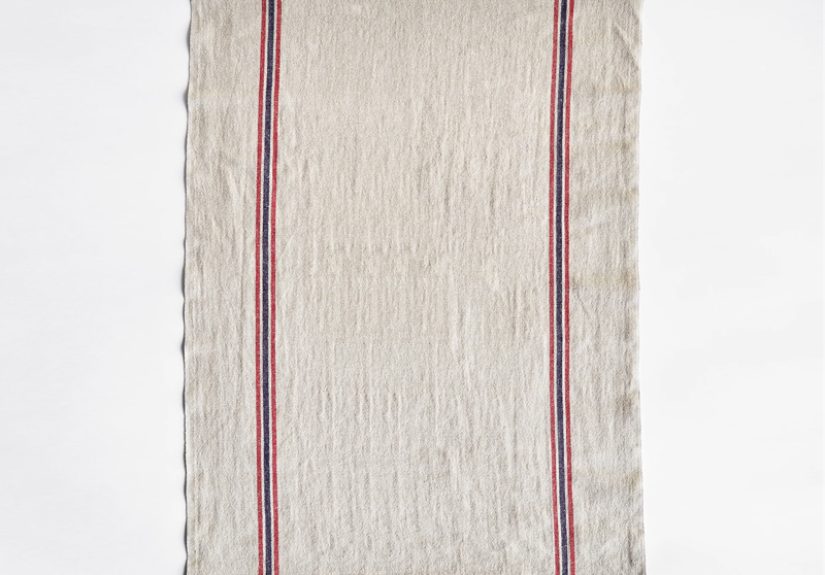
The Drapeau Dish Towel – Natur is that kind of towel. It looks simple (classic stripes, neutral base),
but it’s built from 100% linen, which means it’s basically the overachiever of kitchen textilesdrying,
polishing, covering, carrying, and generally rescuing your countertops from your best (and messiest) cooking intentions.
“Drapeau” is French for “flag,” and the name fits: the striped design has that timeless, bistro-ish vibe that feels
equally at home in a minimalist kitchen or a maximalist one that owns six types of salt “for reasons.”
The “Natur” colorway keeps things calm and unfussylike the beige trench coat of dish towels, except it actually
works for a living.
What the Drapeau Dish Towel – Natur actually is
Let’s get specific. The Drapeau Dish Towel – Natur is a classic striped linen kitchen towel that’s sized to be
genuinely usefulnot a tiny decorative square pretending to be helpful, and not a bedsheet with a loop.
It’s commonly listed at approximately 55 cm x 75 cm (about 21.5 in x 29.5 in) and is typically
labeled as machine washable up to 60°C (about 140°F).
At-a-glance: why people pick it
- Material: 100% linen (aka flax fiber, the tough-but-elegant one)
- Look: classic stripes on a natural/neutral baseclean, timeless, and not trend-dependent
- Size: large enough to handle real tasks (glassware, trays, rising dough, dish stacks)
- Versatility: often described as usable as a small table cloth in a pinch
- Care: can handle a hot wash when your kitchen day gets “extra”
Why linen is a big deal for dish towels
Cotton gets most of the spotlight in towel land, but linen is the quiet professional. A good linen towel tends to
wick moisture efficiently, dry relatively quickly, andcrucially for anyone who owns glasswarecan be
low-lint when it’s a smooth, tightly woven towel. That makes linen a favorite for polishing wine glasses,
drying stemware, and wiping without leaving behind the confetti of tiny fibers.
Linen’s “break-in period” (yes, your towel has a personality arc)
New linen can feel a bit crisp or structured. That’s normal. Over time and repeated washing, linen typically softens
and becomes more pliable. Many people end up liking older linen towels bestpartly because they feel nicer, and partly
because they’ve “earned their keep” through a hundred small kitchen saves.
Absorbency isn’t just “how much water”
Kitchen towel performance is more than a single soak test. A towel might drink up a spill but then stay damp forever
(hello, funk). Linen’s advantage is often in how it manages moisture: it can wick water away and release it as it dries,
which helps a towel feel fresher between usesespecially if you hang it up properly instead of leaving it in a guilty pile
on the counter.
The design: simple stripes that earn their keep
The Drapeau’s striped layout is more than a style choice. Darker stripes can hide light staining better than pure white,
while the overall “clean” look makes it appropriate for kitchens that double as entertaining zones. It’s the kind of towel
you can leave hanging on an oven handle without feeling like you’re broadcasting “I just panic-cleaned.”
Also: it can do double duty as a small table cloth
The size and crisp drape of linen make it surprisingly useful beyond drying. If you’ve ever needed a quick surface cover
for a bread basket, a casual snack board moment, or a “we’re eating outside and the table is questionable” situation,
a linen towel can step in like a polite bodyguard for your food.
How to use a Drapeau-style linen dish towel like a pro
1) Drying dishes without making them feel re-wet
If you hand-wash dishes or do a “dishwasher plus a few annoying leftovers” routine, a linen towel shines as a finishing
towel. The trick is to use linen for final drying (especially glassware) and keep a more plush towel (like a terry)
for big spills. Linen is more like a detail brush than a paint roller.
2) Polishing glassware and cutlery
For wine glasses, champagne flutes, and anything that shows streaks the way a black t-shirt shows cat hair, linen is a
go-to. Use a dry section of the towel, and if you’re polishing a lot of glasses, rotate to a fresh area so you’re not
re-depositing moisture. (This is also the moment you’ll feel like you work in a fancy restauranteven if dinner is cereal.)
3) Covering dough, produce, or a “resting” situation
Linen is breathable, which makes it handy for covering bread dough while it rises, shielding tortillas or rolls while
they’re staying warm, or loosely covering washed produce. It’s not an airtight seal, and that’s the point: you want
protection without trapping too much condensation.
4) A safer “kitchen boundary” habit
One underrated towel upgrade is using separate towels for separate jobs. Keep one towel for clean hands, one for
dishes and glassware, and one for messy cleanup. This isn’t just tidinessit’s a practical food-safety habit that helps
reduce cross-contamination in everyday cooking.
Care and cleaning: how to keep linen looking good and smelling normal
Wash frequency: what matters is how you used it
A linen dish towel that only dries clean hands can usually go a bit longer than one that wipes counters or touches food
residue. But if a towel has been near raw meat juice, greasy pans, or mystery puddles, it deserves a prompt trip to the
laundry. The general rule is simple: if it touched something you wouldn’t lick, wash it sooner.
Hot water and hygiene
Many kitchen-textile guides recommend washing kitchen towels frequently and using warm-to-hot water for better
cleaningespecially for towels used during cooking. The Drapeau Dish Towel – Natur is often listed as washable at
60°C, which is a useful option when you want a more thorough wash.
Skip fabric softener if you want performance
Fabric softeners and dryer sheets can leave residues that reduce absorbency over time. If your goal is a towel that actually
dries things (wild concept), you’ll usually get better long-term results by skipping softener and relying on proper washing,
thorough drying, and the occasional odor reset.
Odor rescue: the “my towel smells like a forgotten gym bag” protocol
Kitchen towels can trap oils and moisture. If you notice stubborn funk:
- Dry towels fully before tossing them into a hamper (damp piles are basically mildew incubators).
- Run a hot wash with a quality detergent; don’t overload the machine.
- Consider an occasional vinegar rinse (in the rinse cycle) to help cut lingering residues and odors.
- For stains, an oxygen bleach soak can be gentler than chlorine bleach while still effective for many messes.
Will it shrink?
Natural fibers can shrink, especially on the first wash and dry. Linen towels are no exception. If you want to minimize
shrinkage, air-dry or tumble dry on a lower setting and remove while slightly damp, then smooth and hang.
The good news: a little shrink often just makes the towel feel denser and more “broken in.”
How to style the Drapeau Dish Towel – Natur in a real kitchen
A dish towel is one of the easiest ways to make a kitchen feel intentional without buying a single new appliance.
The Drapeau’s stripes work like visual structure: they add pattern without turning your kitchen into a theme park.
A few practical styling ideas that also make your life easier:
- Oven handle hang: fold lengthwise so it looks tidy and dries faster.
- Hook or rail storage: hang fully open to reduce damp smells and speed drying.
- Basket liner: line a bread basket or a bowl of citrus for a casual “yes, I host” vibe.
- Quick table cover: lay it under a cutting board to prevent sliding and protect surfaces.
Is it worth paying more for a linen dish towel?
Linen towels usually cost more than basic cotton multi-packs, so it’s fair to ask. The value often comes down to
what you want it to do.
- If you want a towel for polishing glassware and looking good while doing it, linen can feel worth it.
- If you mainly need a spill mop, you might prefer terry or bar-mop towels for brute-force absorption.
- If you want a workhorse that ages well, linen’s durability and “gets better over time” reputation is a big plus.
Many kitchens end up happiest with a mix: linen for finishing and presentation tasks, and cotton terry for the messy,
chaotic moments that happen when a pot boils over and your brain briefly leaves your body.
FAQ: quick answers before you overthink a towel (too late)
Is linen really lint-free?
No towel is magically, scientifically “zero lint,” but well-made linen towelsespecially smoother weavesare often
low-lint compared with many terry cotton towels. That’s why linen is popular for glassware.
Can I use it as a potholder?
A folded towel can help you grab a warm handle in a pinch, but it’s not a true heat-rated potholder.
For very hot pans and oven use, a dedicated potholder or oven mitt is safer.
How many dish towels should a kitchen have?
Enough that you can rotate frequently without feeling like laundry is your full-time job. For many households,
a practical baseline is a few “clean hands” towels, a few dish-drying towels, and a few cleanup towelsso you can swap
without negotiating with a damp one.
Kitchen experiences: real-world moments where the Drapeau Dish Towel earns its keep
A towel like the Drapeau Dish Towel – Natur tends to become part of a kitchen’s daily rhythm because it shows up in
the exact moments that separate “cooking” from “living.” For example: the post-dinner glassware situation. You know the one.
The dishwasher is full, the sink is full, and suddenly every drinking glass you own is on the counter like it’s auditioning
for a minimalist art installation. This is where a linen towel feels different. When you pick up a glass to dry it, linen
doesn’t fight you with fuzz. It’s smooth, it’s steady, and it leaves that satisfying, clear shine that makes even cheap
glasses look like they belong in a candlelit restaurant.
Then there’s baking daywhether that means sourdough from a carefully fed starter or a box mix you heroically upgraded
with “extra vanilla” and confidence. Linen is great for the in-between stages: covering dough as it rises, wrapping a warm loaf
so the crust stays crisp but not bone-dry, or draping over a cooling rack when you want to keep curious pets (or curious
roommates) from “checking” your cookies with their hands. It’s not precious; it’s practical. And because the Drapeau is generously
sized, you can actually cover something without doing towel origami.
Hosting is another moment where this towel quietly shines. Even if you’re not a “tablescape” person, there’s always a point
where snacks end up on a surface and you want that surface to feel… intentional. A linen towel can become a casual runner
under a cutting board, a soft landing spot for a warm bread basket, or a quick buffer between a sweating ice bucket and your
wood table. The Drapeau’s stripes look composed, so the setup feels elevated without looking like you tried too hard.
(Which is the ideal hosting aesthetic: “effortless,” powered by internal chaos.)
And of course, there are the mess moments. Not the cinematic mess momentsthe small ones: a coffee ring, a drip trail from
rinsed berries, a splash of tomato sauce that lands exactly one inch beyond the cutting board like it’s making a point.
Linen isn’t always the best first responder for a full spillterry towels and bar mops are thirstier in that dramatic waybut
linen is excellent for the finishing step. After you’ve cleaned the big mess, a linen towel can wipe a surface clean and dry
without leaving lint behind, which matters if you’re about to plate food or set out dishes.
Over time, a towel like this also tends to encourage better habits. People often start using it as a “clean zone” towelone
that only touches freshly washed hands or clean dishes. That simple separation makes the kitchen feel more organized and a lot
less gross, because you’re not drying a salad bowl with the same towel that wiped up last night’s mystery puddle.
It’s a small shift, but it’s the kind of shift that makes cooking feel smoother: less scrambling, fewer “where is the clean towel?”
moments, and more confidence that what you’re drying is actually clean.
The most telling experience, though, is when you accidentally reach for the towel you like bestwithout thinking. That’s when you
realize a dish towel isn’t just a dish towel. It’s a daily tool. The Drapeau Dish Towel – Natur fits that role by being attractive
enough to leave out, durable enough to use constantly, and practical enough that it doesn’t feel like décor cosplay.
It’s the kind of kitchen textile that quietly becomes a favoriteand then you wonder why you ever tolerated linty towels that
made your wine glasses look like they’d been hugged by a sweater.
Conclusion
The Drapeau Dish Towel – Natur is a simple idea done well: a classic striped linen dish towel that’s sized for
real tasks and designed to look good while it works. Linen’s strengthslow lint, strong performance for drying and polishing,
and a tendency to improve with agemake it a smart upgrade if your kitchen towels are currently more “sad rag” than “capable tool.”
Use it for glassware, bread, everyday drying, and those small hosting moments that make a kitchen feel like home.