Table of Contents >> Show >> Hide
- What Actually Happened: The 2,500-Year-Old “Unsealing” Heard Around the World
- Why the Internet Freaked Out (And Why It’s Not Entirely Silly)
- What Was Inside: Not a Monster, Not a Spell BookA Window Into an Entire Society
- Archaeology vs. Movie Logic: What “Opening” Really Involves
- The Internet’s Greatest Hits: From “Mummy Curses” to “Mummy Juice”
- Why Egypt Publicly Showcases These Finds
- What This Discovery Adds to Our Understanding of Ancient Egypt
- How to Follow Archaeology News Without Falling for the Clickbait Curse
- Conclusion: No CurseJust History, Science, and a Very Online World
- Experiences: What It Feels Like When Ancient History Goes Viral (500+ Words)
Somewhere between “science!” and “please don’t start a curse in 2020,” Egyptian archaeologists did what archaeologists literally exist to do: they opened ancient coffins that had been sealed for about 2,500 years. The internet responded the way the internet always respondsby immediately assuming the worst, making memes, and asking deeply important questions like, “Is this how we get mummies with Wi-Fi?”
But here’s the twist: behind the viral panic is a genuinely fascinating archaeological storyone that says more about ancient Egyptian life (and death) than it does about supernatural doom. Let’s unpack what happened, why it mattered, and why the world collectively clutched its pearls like a Victorian aunt seeing an uncovered ankle.
What Actually Happened: The 2,500-Year-Old “Unsealing” Heard Around the World
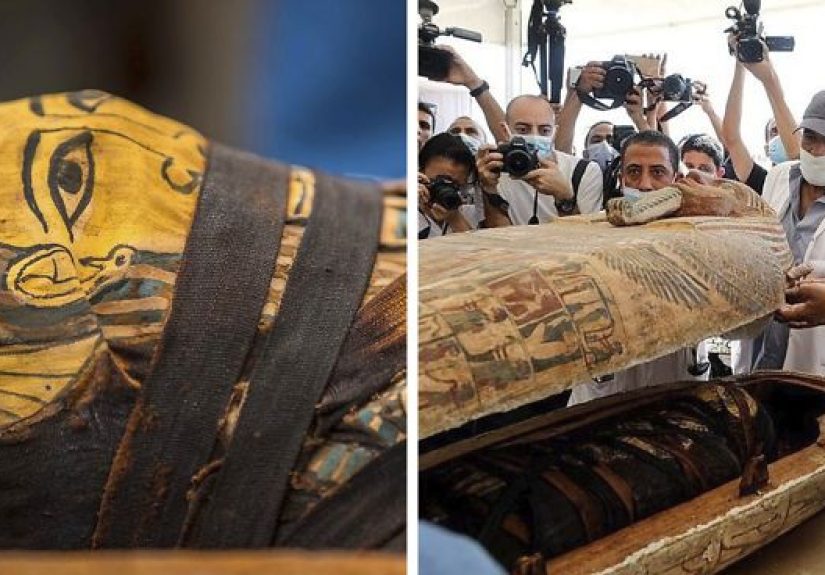
The headline that set social media on fire came out of Egypt’s Saqqara necropolis, an enormous ancient cemetery south of Cairo. In 2020, Egyptian officials announced (and publicly showcased) a discovery of dozens of sealed wooden coffinsmany dating to the Late Period, around the 26th Dynasty (roughly the 7th–6th century BCE). In several press events, archaeologists opened at least one coffin in front of cameras, revealing a mummy wrapped in burial cloth and decorated with inscriptions and iconography.
Saqqara: Not Just “Some Desert,” But a Famous City of the Dead
Saqqara isn’t random sand with a surprise skeleton inside. It’s one of Egypt’s most important archaeological landscapesused as a burial ground for thousands of years and closely linked to Memphis, the ancient capital. It’s also home to iconic monuments like the Step Pyramid complex of Djoser. In other words: if you’re going to find dramatic ancient burials, Saqqara is basically the VIP section.
So… Was It One Sarcophagus or Many Coffins?
Here’s where the internet often turns a precise archaeological update into a cinematic trailer. Many reports used “sarcophagus” as a catch-all term, but the widely shared “2,500-year-old unsealing” moment was tied to painted wooden coffinsnot necessarily a single stone mega-box. (A sarcophagus can mean an outer coffin, often stone, while wooden coffins can sit inside or stand alone depending on period and burial practice.)
What made these finds especially viral was their condition: the coffins were described as sealed and remarkably well preserved, with vivid colors still visible. For a world used to ancient artifacts looking like beige crumbs, seeing bright paint on 2,500-year-old wood feels like discovering your grandma’s yearbook photos in 4K.
Why the Internet Freaked Out (And Why It’s Not Entirely Silly)
Online panic wasn’t just “people are dumb.” It was a predictable collision of pop culture, pandemic-era anxiety, and the uncanny vibe of opening something that was deliberately sealed for millennia.
Reason #1: Our Brains Love Curse Stories
Ancient Egypt has been packaged for modern audiences as a land of mysteries, curses, and dramatic warningsthanks to a century of sensational headlines, adventure films, and yes, that one franchise everyone quotes the moment a mummy shows up. So when archaeologists open a 2,500-year-old coffin on camera, the public doesn’t think “conservation protocols.” They think “third act of a horror movie.”
Real “tomb curses” do exist in the sense that ancient texts sometimes include warnings meant to deter desecration. But the Hollywood versioninstant supernatural punishment for opening a coffinis not how archaeology works. The true risks tend to be far less cinematic: structural collapse, harmful molds, contamination, humidity shock, or simply damaging fragile materials through sudden exposure.
Reason #2: “It’s 2020Don’t Touch Anything!” Energy
The unsealing moment went viral during a period when many people already felt like the world was balancing on a chair made of toothpicks. So the idea of “opening a sealed coffin” became symbolic. Even people who don’t believe in curses joked about it because it captured the mood: please stop pushing buttons labeled ‘DO NOT PRESS.’
Reason #3: Ethical Discomfort Is Real
Some backlash wasn’t about curses at all. It was about respect. Viewers asked: is it okay to open human burials for a spectacle? Archaeology involves human remains, and many people feel uneasy when that work becomes a livestream moment. That discomfort can coexist with genuine curiosityand it’s worth taking seriously rather than brushing it off as “Twitter being dramatic.”
What Was Inside: Not a Monster, Not a Spell BookA Window Into an Entire Society
The most interesting part of the story is what these coffins reveal about the Late Period of ancient Egypt: a time of political shifts, foreign pressures, and intense religious tradition. Many of the Saqqara coffins have been associated (in official statements and reporting) with priests, clerks, and high-status individuals. That matters because it shows how broad and organized Egyptian religious and administrative life wasand how strongly people invested in the afterlife.
The Coffin Art Wasn’t Just DecorationIt Was Technology (For the Soul)
In ancient Egyptian belief, a well-prepared burial wasn’t simply sentimental. It was functional. Coffin texts, painted deities, protective symbols, and hieroglyphic spells were part of a system designed to guide and safeguard a person through the afterlife. Think of it as a spiritual toolkitonly instead of a user manual, it’s a stunning painted box filled with meaning.
Common themes you’ll see on coffins from this era include gods linked to protection and rebirth, stylized eyes meant to let the deceased “see,” and inscriptions naming the individual. These details help researchers learn who was buried, how they wanted to be remembered, and what religious ideas were popular at the time.
Why “Sealed for 2,500 Years” Is a Big Deal
Archaeologically, an undisturbed context is gold. Looting has damaged countless Egyptian burial sites over centuries. So when coffins are found stacked in deep shafts and described as sealed, it suggests the potential for more intact information: original placement, associated artifacts, and inscriptions that haven’t been scattered or stripped.
Archaeology vs. Movie Logic: What “Opening” Really Involves
Movies make it look like archaeologists pop a lid and immediately get chased by angry sand. Real life is slower, more careful, and involves a lot more gloves than screaming.
Step 1: Stabilize the Scene
Before anything dramatic happens, teams document the burial: photos, notes, measurements, mapping, and careful removal of surrounding debris. Context is data. Once it’s disturbed, you can’t rewind history.
Step 2: Control the Environment
Sudden exposure to air and humidity can damage organic materialwood, textiles, pigments. Conservation is often about controlling change: minimizing shock, stabilizing surfaces, and ensuring that “opening” doesn’t become “destroying.”
Step 3: Study Without Over-Handling
Modern analysis may include X-rays, CT scans, and other imaging techniques so researchers can learn about remains and objects without unnecessary disturbance. When mummies are involved, imaging can reveal age-at-death estimates, injuries, and burial methodswithout treating a human being like a prop.
The Internet’s Greatest Hits: From “Mummy Curses” to “Mummy Juice”
If you remember the 2018 “black sarcophagus” saga in Alexandria, you’ve seen this internet pattern before. That earlier discoverya massive granite sarcophagus sealed with mortartriggered global speculation: ancient royals, Alexander the Great, or a curse that would plunge the world into darkness. When it was opened, officials reported something far less mystical but far more disgusting: decomposed remains and reddish sewage water. Yes, sewage. The internet then did the only logical thing: someone started a petition asking to drink the “mummy juice.”
The Saqqara coffins rode a similar wave of attentiononly instead of sewage, the visuals were strikingly beautiful. Bright paint. Intricate glyphs. Wrapped remains. The aesthetic upgrade didn’t stop the curse jokes; it just made them more shareable.
Why Egypt Publicly Showcases These Finds
There’s a practical reason these unsealings often happen with cameras present: archaeology doesn’t exist in a vacuum. Egypt has invested heavily in cultural heritage and tourism, and major discoveries help highlight excavation work, discourage illicit trafficking, and build public interest in museums and preservation. Announcing finds can also establish official provenanceimportant in a world where looted artifacts can vanish into private collections.
Public attention can be a double-edged sword, but it can also build support for conservation funding and for protecting sites like Saqqara from damage and theft.
What This Discovery Adds to Our Understanding of Ancient Egypt
The “internet freakout” framing is funny, but the deeper story is about how people lived, worked, worshiped, and prepared for death during a complex period of Egyptian history.
It Reinforces How Central Religion Was
Priestly burials and coffin inscriptions show a society where religion wasn’t a side hobbyit was a major institution, linked to status, education, and identity.
It Preserves Art That Still Speaks
Painted coffins are cultural documents. Styles change over time. Symbols shift. Names and titles reveal social roles. Even pigment choices can tell researchers about available materials and trade networks.
It Gives Researchers a Chance to Study Individuals, Not Just Monuments
We all know pyramids. But history is also made of ordinary people, administrators, craftspeople, and priests. Coffins and mummies can bring that human scale back into the storyespecially when context remains relatively intact.
How to Follow Archaeology News Without Falling for the Clickbait Curse
- Watch for precise language: “coffin,” “sarcophagus,” and “tomb” aren’t interchangeable.
- Check the time period: “2,500 years old” suggests Late Period; “2,000 years old” often points to Ptolemaic/Roman-era finds.
- Assume the real danger is boring: microbes, humidity, and human errornot glowing green magic.
- Respect the human element: these are remains of real people, not Halloween decorations.
Conclusion: No CurseJust History, Science, and a Very Online World
Egyptian archaeologists unsealing 2,500-year-old coffins didn’t unleash doom. They revealed something much better: a vivid, human connection to a world that still shapes our imagination. The internet’s freakout was part comedy, part anxiety, and part legitimate ethical debate. But once you strip away the memes, you’re left with the real marvel: ancient craftsmanship, enduring belief, and the quiet power of careful scientific work.
And if you still feel nervous? That’s okay. Just remember: the most dangerous thing released by this discovery was… a fresh wave of people confidently misusing the word “sarcophagus.”
Experiences: What It Feels Like When Ancient History Goes Viral (500+ Words)
There’s a specific modern sensation that didn’t exist in any dynasty: watching a 2,500-year-old coffin get opened while your phone buzzes with memes. It’s equal parts awe, curiosity, and the weird realization that you’re witnessing something profoundly ancient through a rectangle that also contains snack ads.
If you’ve ever clicked play on one of those videosarchaeologists in masks and gloves, cameras crowding in, painted wood emerging from dustyou probably felt the tonal whiplash immediately. Your brain knows this is science, but your instincts treat it like the beginning of a plot twist. The lighting is harsh, the silence feels loud, and everyone’s leaning forward like the coffin might sit up and ask for your Wi-Fi password.
Then comes the collective online commentary, which is basically a second soundtrack. In one tab, you’ve got reporting about Saqqara’s significance and Late Period burials. In another tab, you’ve got someone posting, “If a mummy starts a podcast, I’m subscribing.” The experience is a reminder that the internet processes wonder the same way it processes stress: through jokes, references, and a tiny bit of existential dread.
There’s also a quieter experience that hits after the laughter: the weight of time. A sealed coffin isn’t just a container; it’s a decision made by living people who cared deeply about what happened next. Even if you don’t share the beliefs behind mummification, you can feel the intentionprotection, remembrance, continuity. Seeing painted symbols still bright after millennia can make you strangely reflective about what we leave behind, and whether anything we make today will look as vivid in 2,500 years (spoiler: your group chat screenshots probably won’t).
For travelers and museum lovers, the Saqqara story often triggers a different kind of experience: that immediate urge to go. People start mentally planning a trip to Egypt, imagining the desert light, the museum halls, the sense of standing near something older than your entire language. You read about the Step Pyramid and suddenly your “someday” list becomes “maybe this year.” Even from far away, the discovery turns Saqqara from a textbook word into a place with texture and urgency.
Content creators and marketers have their own version of the experienceone that’s both exciting and slightly dangerous. A viral archaeology moment is catnip for clicks, which means you can practically hear headlines mutating in real time. “Coffins revealed” becomes “Sarcophagus unsealed,” which becomes “Ancient curse awakened,” which becomes “Are we doomed?” Watching that progression teaches you something important: the internet doesn’t just share information; it remixes it. If you want the real story, you have to be willing to slow down, read past the punchline, and separate “cool fact” from “algorithm bait.”
And finally, there’s the ethical experienceespecially for people seeing this content for the first time. It can feel uncomfortable to watch a human burial opened on camera, even when it’s handled professionally. That discomfort isn’t a flaw; it’s empathy. The best way to hold that feeling is not to shut down curiosity, but to pair it with respect: acknowledging that archaeology is about knowledge and preservation, while also remembering that the remains belonged to someone who was once alive, loved, and mourned.
So yes, the internet freaked out. But the deeper experiencethe one that lingers after the memesis wonder. A sense that the past isn’t dead and distant. Sometimes, it’s sealed in painted wood beneath desert sand, waiting patiently for us to learn how to look at it responsibly.