Table of Contents >> Show >> Hide
- How Electric Baseboard Heaters Work
- Why People Still Buy Electric Baseboard Heat
- Convection vs. Hydronic Baseboard Heaters
- How Much Heat Do You Need?
- 120V vs. 240V: What’s the Difference?
- The Thermostat Matters More Than Most Buyers Think
- What Operating Cost Really Looks Like
- Features Worth Paying For
- Safety and Placement Tips Before You Buy
- When an Electric Baseboard Heater Is the Right Choice
- How to Choose the Best Electric Baseboard Heater for Your Home
- Final Thoughts
- Real-World Experiences and Lessons From Buying Electric Baseboard Heaters
If home heating had a no-nonsense cousin who shows up on time, does the job, and never asks for applause, it would be the electric baseboard heater. These long, low-profile heaters have been warming bedrooms, basements, offices, and drafty additions for decades. They are simple, quiet, and dependable. They are also gloriously unglamorous, which is exactly why so many homeowners still buy them.
But shopping for one is not as simple as grabbing the first white metal box that fits under a window. Choose the wrong wattage, and your room stays chilly. Choose the wrong thermostat, and your heater becomes a tiny electric money pit. Ignore voltage, safety clearance, or room layout, and your “easy upgrade” can turn into a frustrating redo. This buying guide breaks down what electric baseboard heaters are, who they work best for, what features actually matter, and how to choose a model that fits your space without roasting your budget.
How Electric Baseboard Heaters Work
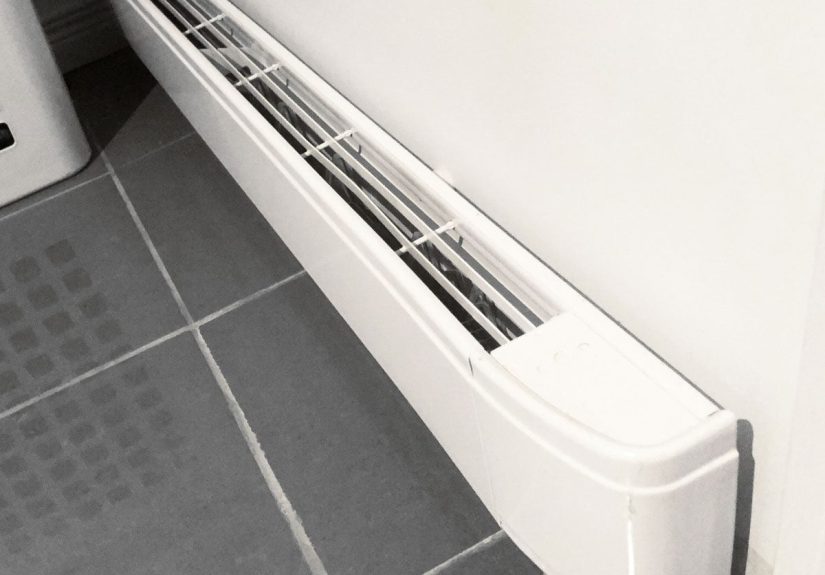
Electric baseboard heaters are a type of zonal heating. In plain English, that means they heat one room or one area at a time instead of pushing warm air through ductwork to the whole house. Inside the heater, electric elements warm metal fins. Cool air enters near the bottom, heats up as it passes over the fins, and rises into the room. No fan. No whoosh. No dramatic entrance. Just steady convection heat.
That fan-free design is one reason many homeowners like them in bedrooms, home offices, and finished basements. They are quiet, low maintenance, and easy to place along exterior walls where rooms tend to feel coldest. Many are installed under windows, which helps counter chilly downdrafts and makes the room feel more comfortable faster.
Why People Still Buy Electric Baseboard Heat
Electric baseboard heaters remain popular because they solve very specific problems well. They are especially useful when you need to heat a single room, an addition, a converted garage, a guest room, or a basement without extending ductwork or installing a full HVAC system. They are also a common replacement option in older homes that already have baseboard heating.
The biggest advantages
Simple installation path: Standard models are usually hardwired, and replacement units often fit familiar locations and footprints.
Quiet operation: Because there is no blower, they are much quieter than many forced-air or fan-based heaters.
Room-by-room control: With the right thermostat, you can heat only the rooms you use.
Low maintenance: There are no filters to change and fewer moving parts to fail.
Good for supplemental heat: If one room is always colder than the rest of the house, a baseboard heater can act like a peace treaty.
The trade-offs
Higher operating cost than many newer systems: Electric resistance heat is convenient, but it is not usually the cheapest way to heat an entire home.
Wall-space hogging: Baseboards live where furniture often wants to go.
Slower whole-room recovery in some spaces: Large, poorly insulated rooms can take longer to feel evenly warm.
Best results depend on sizing: An undersized heater will make you blame the heater for a math problem.
Convection vs. Hydronic Baseboard Heaters
One of the most important buying decisions is choosing between standard convection and hydronic electric baseboard heaters.
Convection baseboard heaters
These are the classic models most people picture. They heat up quickly, cost less upfront, and are widely available. If you want affordable, basic, dependable heat, standard convection heaters are the usual starting point.
Hydronic baseboard heaters
Hydronic units use heated fluid inside the heater to hold and release warmth more gradually. They typically cost more, but they often deliver a softer, more even feel. Many buyers like them for bedrooms, nurseries, or living spaces where they want steady comfort and lower surface temperatures. They also continue releasing some warmth after the thermostat cycles off, which can make the room feel less “on/off” in character.
Rule of thumb: choose convection if upfront cost matters most; choose hydronic if comfort, quieter temperature swings, and a more refined heating feel matter more.
How Much Heat Do You Need?
This is the part buyers skip right before regretting everything.
A common rule of thumb for electric baseboard heater sizing is about 10 watts per square foot for a room with standard ceiling height and average insulation. So a 150-square-foot bedroom often starts around 1,500 watts. A 250-square-foot room often lands near 2,500 watts.
That said, square footage is just the opening bid. You may need more wattage if the room has:
- Older windows or noticeable drafts
- High ceilings
- Exterior walls on multiple sides
- Poor insulation
- It serves as primary heat, not supplemental heat
You may need less wattage if the room is already served by central heat and you only want to take the chill off. In fact, a heater that works beautifully as supplemental heat may feel underpowered as the room’s only heat source.
Quick sizing examples
Small bedroom, 120 sq. ft.: Around 1,000 to 1,250 watts may be enough in a reasonably insulated room.
Bedroom, 150 sq. ft.: A 1,500-watt unit is a common choice.
Finished basement office, 200 sq. ft.: Around 2,000 watts is a solid starting point, especially if the basement runs cool.
Drafty sunroom, 250 sq. ft.: You may need 2,500 watts or even more than one heater for balanced comfort.
When in doubt, it is usually smarter to size carefully and distribute heat well than to rely on one heroic unit trying to warm the room by force of personality.
120V vs. 240V: What’s the Difference?
This is where many shoppers accidentally buy the wrong heater.
120-volt baseboard heaters are common in smaller or portable units. 240-volt baseboard heaters are very common for hardwired, permanently installed room heaters. Many product lines offer several wattages in 240V because that setup is popular for bedrooms, living spaces, and additions.
The key point is simple: the heater voltage must match the circuit voltage. A mismatch is not a “close enough” situation. It is a stop-and-fix-it situation.
If you are replacing an old baseboard heater, check the old unit label and the circuit before buying. If you are adding a new heater, make sure the circuit, breaker, wire size, and heater specifications all line up. If that sentence made you squint, involve a licensed electrician.
The Thermostat Matters More Than Most Buyers Think
A great heater with a lousy thermostat is like buying a sports car and controlling it with a toaster dial.
Baseboard heaters usually use line-voltage thermostats, not the same low-voltage thermostats used by many central HVAC systems. You can choose from built-in, wall-mounted, programmable, and smart line-voltage options. For most homeowners, a wall-mounted thermostat is the better long-term choice because it reads room temperature more accurately than a thermostat mounted right on the heater.
Best thermostat options by buyer type
Budget buyer: A basic manual line-voltage thermostat keeps cost down.
Comfort-focused buyer: An electronic thermostat offers tighter temperature control.
Energy-conscious buyer: A programmable or smart line-voltage thermostat makes room-by-room scheduling much easier.
Placement matters too. Thermostats work best on an interior wall, away from drafts, direct sun, and anything that can fool the temperature reading.
What Operating Cost Really Looks Like
Electric baseboard heater cost is not just the purchase price. It is also what happens when the utility bill arrives with the confidence of a villain monologue.
To estimate running cost, use this formula:
Watts ÷ 1,000 × hours used × electricity rate = operating cost
Example: a 1,500-watt heater running for 8 hours uses 12 kilowatt-hours. At $0.15 per kWh, that is $1.80 per day. If it runs hard every day in winter, that adds up. In real life, the heater cycles on and off as the thermostat maintains temperature, so actual cost varies with insulation, outdoor weather, and thermostat settings.
If your home is drafty, electric resistance heat becomes more expensive fast. That is why insulation, air sealing, and smart thermostat control matter so much with baseboard heating. A better envelope means your heater works less, and your wallet gets to remain on speaking terms with you.
Features Worth Paying For
1. Proper wattage options
The best baseboard heater is not the fanciest one. It is the one sized correctly for the room.
2. A wall thermostat or smart line-voltage thermostat
This is often the upgrade that improves comfort the most.
3. Hydronic design for comfort-sensitive rooms
If you hate temperature swings, hydronic models are worth a look.
4. Quiet, fan-free operation
One of the biggest advantages of baseboard heat is near-silent performance.
5. Multi-watt or replacement-friendly sizing
Some models are designed to make matching older heater lengths and existing wall locations easier.
Safety and Placement Tips Before You Buy
Baseboard heaters are straightforward, but they still need breathing room.
- Do not block them with furniture, bedding, or drapes.
- Keep clear space in front of the unit.
- Do not install them below electrical outlets unless the manufacturer allows it and installation instructions say it is acceptable.
- Choose a location where airflow is not restricted.
- Clean dust from the fins and housing regularly.
If you are shopping for a child’s room, a pet-friendly setup, or a small room with limited layout options, compare surface temperature, clearance recommendations, and thermostat location carefully. Hydronic units may appeal more in these cases because they tend to deliver gentler heat.
When an Electric Baseboard Heater Is the Right Choice
An electric baseboard heater buying guide would be incomplete without one honest truth: these heaters are excellent for the right job and mediocre for the wrong one.
They are a smart buy when:
- You need zoned heat in one or two rooms
- You are replacing existing baseboard units
- You want quiet heat with minimal maintenance
- You are finishing a basement, office, or addition without extending ducts
- You want a relatively affordable upfront heating solution
They are less ideal when:
- You need an economical whole-house heating strategy
- Your home is leaky and poorly insulated
- You want to reclaim every inch of wall space
- You expect one small heater to warm a large, drafty room magically
How to Choose the Best Electric Baseboard Heater for Your Home
If you want the short version, here it is:
- Measure the room accurately.
- Estimate required wattage using square footage and room conditions.
- Confirm whether the heater will be primary or supplemental heat.
- Match the heater to your circuit voltage.
- Choose convection for value or hydronic for comfort.
- Buy the right line-voltage thermostat, preferably wall-mounted.
- Check clearances, installation instructions, and replacement dimensions.
That is how you avoid buying a heater twice.
Final Thoughts
Electric baseboard heaters are not trendy, but they are still relevant. In the right room, they are reliable, quiet, and easy to control. The smartest buyers focus on sizing, thermostat quality, room insulation, and voltage compatibility before worrying about brand hype. Get those four things right, and a baseboard heater can be a practical, comfort-boosting upgrade that quietly does its job for years.
In other words, buy the heater that fits your room, not the one that looks most committed in the product photo.
Real-World Experiences and Lessons From Buying Electric Baseboard Heaters
One of the most common homeowner experiences with electric baseboard heaters is realizing that the heater itself is rarely the whole story. People often replace an old unit expecting dramatic improvement, only to discover the room still feels cold because the real issue is a drafty window, poor insulation, or a thermostat placed in a bad spot. In many homes, the new heater works exactly as designed, but the room leaks warmth like a screen door on a submarine. That is why buyers who are happiest long-term usually pair a heater upgrade with weatherstripping, window fixes, or basic air sealing.
Another frequent lesson is that comfort feels different depending on the type of baseboard heater you choose. Buyers who go with a standard convection model often like the quick response and lower price, especially in home offices or guest rooms that are not used all day. Buyers who choose hydronic models often describe the heat as calmer and more even. The room does not feel like it swings as sharply between “heater on” and “heater off.” For bedrooms, that softer heating pattern can make a noticeable difference at night, especially for light sleepers who want warmth without noisy fans or sudden temperature shifts.
There is also a very predictable thermostat story. Homeowners who stick with an old built-in thermostat often end up fiddling with it constantly. Meanwhile, people who upgrade to a better wall-mounted or programmable line-voltage thermostat usually report that the room feels more stable and easier to manage. The heater did not suddenly become more powerful; the control simply became smarter and more accurate. It is one of the most boring upgrades on paper and one of the most satisfying in real life.
Many replacement buyers are also surprised by how important physical length and wattage combinations are. A heater may look similar online, but when it arrives, the dimensions, voltage, or output may not match the old setup as neatly as expected. This is especially common in older homes where the original heater length was chosen to fit a very specific stretch of wall under a window. Experienced buyers measure twice, check labels, confirm voltage, and compare installation requirements before placing the order. Impulsive buyers get an accidental crash course in returns.
The final big lesson is emotional, not technical: people love baseboard heaters when they use them for the job they are actually good at. They are fantastic for room-by-room comfort, supplemental heat, and quiet warmth in spaces that need simple solutions. They are much less lovable when someone expects them to be a cheap miracle for a large, drafty, whole-house heating challenge. Set realistic expectations, size the heater correctly, and control it well, and you are much more likely to end winter feeling cozy instead of personally betrayed by a strip of white metal.