Table of Contents >> Show >> Hide
- Why fungal infections are so annoyingly good at their job
- Antifungal essential oils: what they can (and can’t) do
- Safety first (because chemical burns are not a vibe)
- Which essential oils are most talked about for antifungal support?
- How to dilute essential oils for skin (the part most people skipand regret)
- Carrier oils that make sense for fungal-prone skin
- Condition-by-condition: practical ways to use antifungal essential oils
- Methods people use (and how to do them more safely)
- When to skip essential oils and use standard medical care
- 500-word experience section: what people commonly run into (composite, real-life style)
- Conclusion
- SEO Tags
Quick reality check (said with love): Essential oils can be a helpful sidekick for some minor skin issues, but they’re not a guaranteed “fungus obliterator,” and they can absolutely irritate skin if used carelessly. If you’re dealing with a stubborn rash, widespread redness, pain, fever, diabetes-related foot issues, immune suppression, or nail fungus that’s marching across your toe like it pays rentloop in a clinician.
Why fungal infections are so annoyingly good at their job
Most everyday “skin fungus” is caused by dermatophytes (think athlete’s foot, jock itch, ringworm) that love warm, damp areas. Yeast (like Candida) can also cause rashes in moist skin folds. Fungi thrive when skin stays sweaty, friction-heavy, or trapped under tight clothing/shoes. That’s why the least glamorous advicekeep it clean and dryis often the most powerful.
Antifungal essential oils: what they can (and can’t) do
What they might do
- Support a routine by reducing odor and surface microbes.
- Help calm itch sensations for some people (when properly diluted).
- Add an extra layer of “environment is less fungus-friendly” alongside proven steps (dryness, hygiene, OTC antifungals).
What they can’t promise
- A cure for all fungal infectionsespecially nail fungus (onychomycosis), scalp ringworm, or widespread rashes.
- Safety when used undiluted. “Natural” doesn’t mean “gentle.” Some oils can burn or cause allergic reactions.
- A substitute for evidence-based antifungal medications when you truly need them.
Safety first (because chemical burns are not a vibe)
Before you put any essential oil on skin, keep these rules in your back pocket:
- Do not ingest essential oils. Swallowing them can be toxic. Topical use is the common route for skin, and even then: diluted.
- Always dilute in a carrier (like fractionated coconut oil, jojoba, or a fragrance-free lotion).
- Patch test first: apply a small diluted amount to the inner forearm and wait 24 hours.
- Avoid eyes, genitals, and mucous membranes. If your rash is in a sensitive area, default to proven OTC antifungals and a clinician’s advice.
- Citrus oils + sun = potential trouble. Some citrus oils can increase sun sensitivity. If you use any citrus-containing blend on exposed skin, keep that area out of direct sunlight.
- Kids, pregnancy, breastfeeding, asthma, eczema, sensitive skin: talk to a clinician first and use extra caution.
Which essential oils are most talked about for antifungal support?
There are many lab studies on essential oils and fungal growth. Real-world results vary because skin is complicated, products vary, and fungi are persistent. That said, a few oils come up again and again in safety and clinical discussions.
Tea tree oil (Melaleuca alternifolia): the headline act
Tea tree oil is the best-known essential oil for skin-related antimicrobial use. It’s also one of the most likely to cause irritation in some people, especially if old/oxidized or used too strong. Start low, dilute well, and patch test. Some clinical research has looked at tea tree oil solutions for athlete’s foot, but concentrations used in studies can be higher than what many people tolerate at homeso “more” is not automatically “better.”
Oregano, thyme, clove, cinnamon: the “power tools” (handle carefully)
These oils are often cited for strong antimicrobial constituents (like carvacrol, thymol, eugenol, cinnamaldehyde). Translation: they may be potent, and they’re also more likely to irritate or burn skin if you get sloppy with dilution. If you’re new to essential oils, don’t begin your journey with the equivalent of a flamethrower.
Lemongrass, eucalyptus, peppermint, lavender: commonly used supporting players
These oils are often used in blends for their scent, cooling feel, or perceived skin comfort. Some people find them helpful as part of a routine. Still: dilute, patch test, and don’t assume “soothing scent” equals “safe for inflamed skin.”
How to dilute essential oils for skin (the part most people skipand regret)
A simple way to think about dilution is “drops per teaspoon.” For adults with non-sensitive skin, many aromatherapy safety guides use low dilutions for leave-on products. When you’re dealing with an irritated rash, it’s smarter to start even lower.
| Use case | Suggested starting dilution | What it looks like |
|---|---|---|
| Small area, mild support (adult) | ~0.5–1% | 1–2 drops essential oil per 1 teaspoon (5 mL) carrier |
| Feet (thicker skin), short-term | ~1–2% (start low) | 2–4 drops per 1 teaspoon carrier |
| Sensitive skin / history of reactions | ~0.25–0.5% | 1 drop per 2 teaspoons carrier (or less) |
Important: “Hot” oils (oregano, cinnamon, clove, thyme) should generally be used at lower dilutions than gentler oils. If you feel burning, stinging, or see redness that wasn’t there beforewash off with soap and water, stop, and don’t “power through.”
Carrier oils that make sense for fungal-prone skin
- Fractionated coconut oil (MCT): lightweight, easy for feet, less greasy.
- Jojoba oil: skin-friendly feel, good for leave-on blends.
- Unscented lotion or cream: convenient and usually better tolerated than straight oil for many people.
- Aloe gel (fragrance-free): can feel cooling, but patch testsome gels contain alcohol or additives.
Condition-by-condition: practical ways to use antifungal essential oils
Athlete’s foot (tinea pedis)
Best foundation: dry feet, breathable socks, alternating shoes, and proven OTC antifungal products when needed. If you want to add essential oils, think “support,” not “replacement.”
- Wash and dry: clean feet daily and dry wellespecially between toes.
- Use proven treatment if symptomatic: OTC antifungal creams/sprays are standard for active infection.
- Add a diluted essential oil blend (optional): try a 1% tea tree blend:
- 1 teaspoon carrier + 1–2 drops tea tree oil
- Apply to clean, dry skin once daily (avoid broken skin)
- Shoe strategy: rotate shoes, let them dry fully, and consider antifungal powders if recommended.
Example routine: OTC antifungal in the morning, diluted tea tree blend at night after drying thoroughlyplus fresh socks and dry shoes. If symptoms aren’t improving in 1–2 weeks, upgrade to medical advice.
Jock itch (tinea cruris)
This area is more sensitive. Keep the plan simple.
- Do: keep the area dry, wear loose underwear, change after sweating, use OTC antifungal products if needed.
- Don’t: apply strong essential oils here. If you insist on using an EO, keep it extremely diluted and patch test elsewhere firstmany people are better off skipping EOs in this region.
Pro tip: Put socks on before underwear when dressing if you also have athlete’s footthis can reduce spreading fungus from feet to groin.
Ringworm on the body (tinea corporis)
Ringworm often responds to OTC antifungals, but it can spread if untreated or mis-treated. One key mistake: using steroid creams on a rash that’s actually ringworm, which can make it worse.
If you add essential oils, keep them secondary:
- Use an OTC antifungal as directed.
- Optionally apply a very low dilution tea tree blend to intact skin around the area (not on raw, inflamed patches).
- Wash bedding/towels regularly and avoid sharing them.
Yeast-related rashes in skin folds (intertrigo / Candida-type rashes)
These rashes love moisture and friction. The winning combo is dryness + reducing rubbing + appropriate treatment.
- Gently cleanse, pat dry, and consider using a barrier (like zinc oxide) if recommended.
- Use clinician-recommended or OTC antifungal products when appropriate.
- If you try essential oils, keep the dilution very low and avoid “hot” oils entirely in folds.
Toenail fungus (onychomycosis): the marathon, not the sprint
Nail fungus is tough because nails are thick and medication penetration is limited. Many people need prescription approaches, and treatment can take months. Essential oils may be used as a supportive measure (for example, applying a diluted tea tree blend around the nail), but don’t expect quick resultsand don’t delay proper diagnosis if the nail is painful, lifting, or worsening.
Methods people use (and how to do them more safely)
1) Leave-on oil blend (simple and controlled)
Best for: small areas, feet, or around nails (not mucous membranes).
Starter blend (adult):
- 1 teaspoon carrier oil
- 1–2 drops tea tree oil
Apply to clean, dry skin once daily. If tolerated and helpful, you may increase to twice daily. Stop if irritation develops.
2) Add to an unscented lotion (often gentler)
Best for: people who hate oily feet or have mild sensitivity.
- 1 tablespoon unscented lotion
- 2–3 drops tea tree oil (aim low)
3) Foot “soak” (only if you do it correctly)
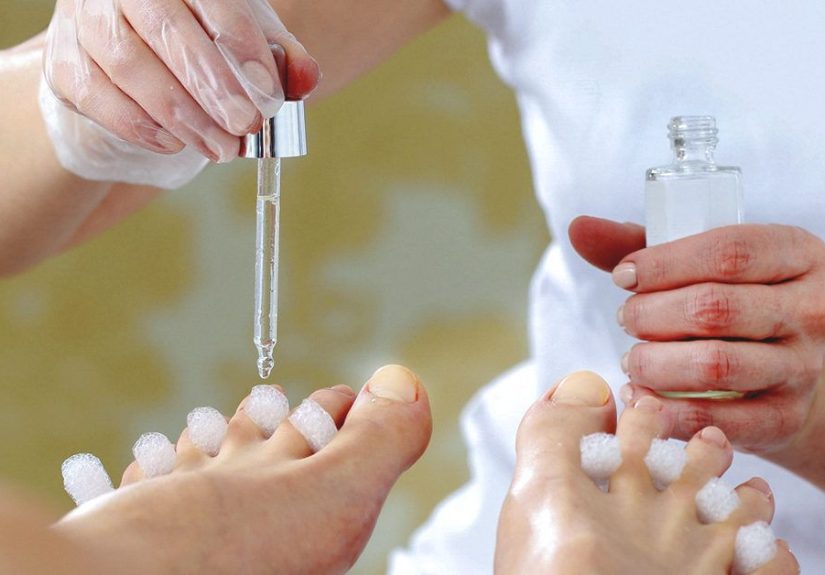
Essential oils don’t mix with waterthey float. If you drop essential oil straight into a basin, you risk a concentrated blob landing on skin (hello, irritation). If you want a soak:
- Mix 2–3 drops tea tree oil into 1 tablespoon carrier oil or a small amount of fragrance-free liquid soap.
- Then add to warm (not hot) water and stir well.
- Soak 10 minutes, dry thoroughly, especially between toes.
When to skip essential oils and use standard medical care
- The rash is on the face, scalp, genitals, or a large body area.
- You have diabetes, poor circulation, immune suppression, or frequent infections.
- There’s pain, swelling, pus, fever, or rapidly spreading redness.
- You suspect nail fungus with thickening, lifting, or multiple nails involved.
- It’s not improving after 1–2 weeks of proper OTC care.
500-word experience section: what people commonly run into (composite, real-life style)
Let’s talk about the part most articles skip: the human experience of trying antifungal essential oils. Not the glossy “before/after” fantasymore like the real-life montage where you’re holding a tiny bottle like it’s a magic wand while your socks are plotting against you.
Composite experience #1: The Athlete’s Foot Two-Step. A lot of people start with tea tree oil because it’s famous and smells like a forest that means business. They dab it on straight (because confidence), and then wonder why their skin feels like it’s auditioning for a sunburn role. The win usually comes when they back up: they dilute to a low percentage, apply only to intact skin, and pair it with the boring-but-effective basicsdrying between toes, rotating shoes, and using an OTC antifungal if symptoms are active. People often report the biggest “aha” moment isn’t the oil itselfit’s realizing moisture control is the real villain.
Composite experience #2: The “Hot Oil” mistake. Someone reads that oregano oil is “strong,” and thinks “Great, I’ll nuke the fungus.” Cue instant regret. Oregano (and cinnamon/clove/thyme) can feel like a spicy apology letter to your skin if used too strong. In stories like this, the happier ending is usually: discontinue, wash off, let skin calm down, and if they try again, they use a far gentler approachvery low dilution, tiny area, short-term use, or they skip essential oils entirely and stick with standard antifungal creams. The lesson: potency is not the same as “skin-friendly.”
Composite experience #3: The Nail Fungus Patience Test. Toenail fungus turns people into full-time amateur detectives. They start filing, soaking, applying drops, switching socks, cleaning shoes, and staring at the nail like it’s going to sprout a “Congratulations!” banner. What folks commonly discover is that nails grow slowly. Even with prescription treatment, visible improvement can take months. Essential oils, if used, tend to be part of a larger routine: keeping feet dry, trimming nails safely, disinfecting footwear, and getting a real diagnosis so they’re not treating a look-alike condition. Many people eventually appreciate a “supportive” mindset: the oil is one tool, not the whole toolbox.
Composite experience #4: The “Is this even fungus?” plot twist. Sometimes the rash isn’t fungal at allit’s eczema, contact dermatitis, or irritation from sweating and friction. In that scenario, essential oils can backfire because irritated skin doesn’t want fragrance compounds. People often do best when they pause experimentation, simplify their routine, and get proper guidance. Ironically, the most “natural” move can be to stop applying extra stuff and let the skin barrier recover.
If there’s one consistent theme in these experiences, it’s this: the most successful routines are boringly consistent. Dryness, hygiene, proven antifungal meds when appropriate, and cautious, diluted essential oil use (if any). The fungus hates a well-run household.
Conclusion
Antifungal essential oilsespecially tea tree oilcan play a supportive role for minor skin concerns when used properly diluted and paired with the fundamentals: keeping skin clean and dry, avoiding shared towels/shoes, and using proven OTC or prescription antifungals when needed. If you use essential oils, treat them like concentrated tools, not casual skincare. Patch test, start low, and don’t hesitate to get medical advice for persistent, severe, or high-risk situations.