Table of Contents >> Show >> Hide
- Why Mittens Beat Gloves When the Porch Becomes Your Workshop
- What Makes Embroidered Mittens Practical, Not Just Pretty
- Best Materials for Embroidered Mittens During Outdoor Decorating
- How Embroidered Mittens Fit Into Outdoor Decorating Tasks
- How to Stay Warm and Still Get the Job Done
- How to Care for Embroidered Mittens So They Last
- Style Tips: Making Embroidered Mittens Part of the Whole Look
- Outdoor Decorating Experiences: What Embroidered Mittens Really Change
- Conclusion
There are two kinds of people during outdoor decorating season: the ones who glide through the process looking like a holiday movie extra, and the ones who are five minutes in, can’t feel their fingertips, and are whispering dramatic things to a tangled strand of lights. If you’ve ever tried to fluff a wreath, hang garland, or wrestle with porch ribbon in freezing weather, you already know that cold hands can turn a cheerful decorating session into a tiny personal crisis.
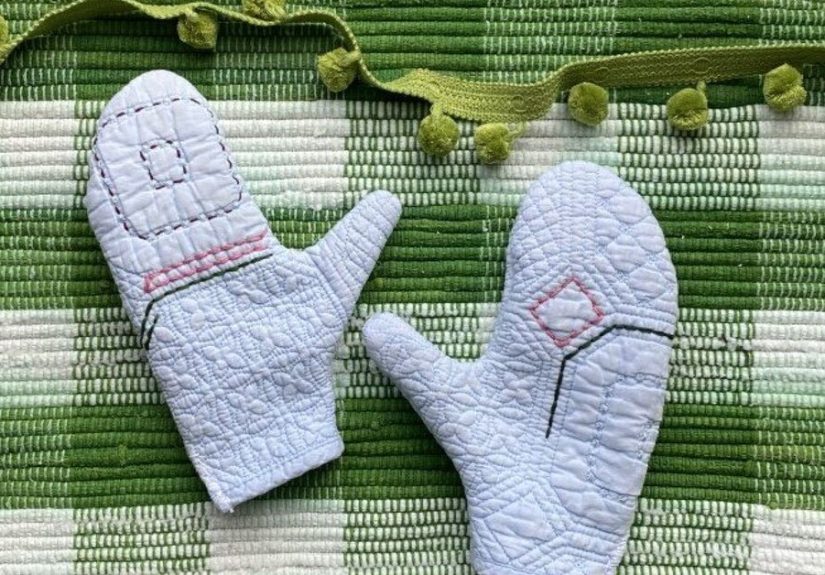
That is exactly where embroidered mittens come in. They are warm, charming, and delightfully capable of making you look more put together than you actually feel while standing on the porch muttering about extension cords. Better yet, today’s embroidered mittens are not just cute accessories. Many styles now blend practical features like fleece linings, moisture-managing fabrics, grippy palms, wind-resistant shells, and longer cuffs with decorative stitching, fair isle patterns, or custom monograms. In other words, they can absolutely bring the cozy cottage energy while still helping you survive a cold afternoon of outdoor decorating.
This guide breaks down why embroidered mittens make sense for cold-weather decorating, what materials and features are worth your money, how to match them to specific outdoor tasks, and how to keep your hands warm without giving up all your dexterity. Because yes, your mittens can be festive and functional. We love a talented accessory.
Why Mittens Beat Gloves When the Porch Becomes Your Workshop
The biggest reason mittens tend to feel warmer than gloves is simple: your fingers share heat inside one insulated space. When they are bundled together instead of separated into individual little fabric apartments, they do a better job of staying warm. That makes mittens especially helpful during outdoor decorating, when you spend a lot of time standing still, fiddling with materials, and exposing your hands to cold air between tasks.
Of course, mittens come with a tradeoff. Gloves usually give you better dexterity for tiny tasks, like twisting wire ties or fastening mini ornament hooks. But for a lot of decorating jobs, pure fingertip precision is overrated. You are often carrying wreaths, holding garland, hauling bins, fluffing bows, adjusting planters, and stepping back every ten minutes to ask, “Does this lantern look charming or just confused?” For those jobs, warmth matters more than typing speed.
That is why many decorators do best with mittens for setup, arranging, carrying, and styling, then briefly slip one hand out when they need fine control. Some people also pair mittens with thin liner gloves underneath, which is basically the winter equivalent of having a backup singer ready to jump in at any moment.
What Makes Embroidered Mittens Practical, Not Just Pretty
Let’s clear something up right away: embroidery itself does not magically turn a mitten into a polar expedition tool. The decorative stitching is the frosting, not the cake. The real performance comes from the base materials, insulation, lining, fit, and weather protection. So if you want embroidered mittens that actually help during outdoor decorating, focus on the construction first and the cute details second.
Insulation That Works in Real Weather
Good outdoor mittens should trap warmth without becoming so bulky that you feel like you are decorating with oven mitts. Fleece-lined mittens are soft, cozy, and great for moderately cold days. Synthetic insulated mittens are often the better pick for damp or snowy weather because they continue performing even when conditions are less than ideal. If you decorate in truly bitter temperatures, an insulated mitten with a weather-resistant shell will feel a lot more useful than a thin fashion pair that looks adorable for exactly nine minutes.
Moisture Management Matters More Than People Think
Cold weather gets blamed for everything, but moisture is often the real villain. Wet hands get cold fast, whether the moisture comes from snow, sleet, or your own sweat after hauling storage tubs from the garage. That is why merino wool, fleece, and moisture-managing linings are so helpful. They can keep the inside of the mitten more comfortable while you move between chores. If your decorating routine includes brushing snow off railings, handling wet greenery, or setting lights along a frosty path, a water-resistant or waterproof outer layer is worth serious consideration.
Long Cuffs and a Secure Fit
A mitten that gaps at the wrist is basically sending winter a handwritten invitation. Longer cuffs help seal out cold air, especially when you are reaching overhead to hang lights or lifting your arms to drape garland around columns. A snug but not tight fit is ideal. You want enough space to trap warm air, but not so much extra room that your hands slide around like socks in a dryer.
Grip Where You Need It
If you will be holding ladders, bins, light clips, planters, or metal railings, look for mittens with textured palms or a grippy overlay. Smooth knit mittens may look charming in photos, but they can be less helpful when you are carrying a heavy wreath and trying not to recreate a holiday slapstick scene on your front steps.
Best Materials for Embroidered Mittens During Outdoor Decorating
Not all mittens are built for the same mission. Some are made for looking polished while carrying a latte. Others are made for actually doing things in the cold. Outdoor decorating usually calls for the second type, even if you want it dressed like the first.
Merino Wool
Merino wool is a favorite for a reason. It is warm, breathable, soft, and better at handling moisture than basic cotton. Embroidered or patterned merino-blend mittens can work beautifully for decorating on cold, dry days, especially if you are mainly styling the porch, arranging lanterns, or placing decor rather than digging through wet storage boxes. They also feel less sweaty than some synthetic options during active tasks.
Fleece
Fleece mittens are the comfort food of winter accessories. They are cozy, lightweight, and friendly for long decorating sessions when you are going in and out of the house. Embroidered fleece mittens are especially appealing because the soft texture pairs naturally with festive details. For light chores and moderate cold, they are a strong option. In sloppy weather, though, you may want something with more water resistance.
Synthetic Insulated Shells
If your decorating style includes phrases like “I’ll just do the whole yard today,” pay attention here. Synthetic insulated mittens with a wind-resistant or waterproof shell are ideal for longer outdoor sessions, damp conditions, or snowy driveways. These can still come in attractive styles, and some embroidered designs now borrow technical features from outdoor gear while keeping the look softer and more giftable.
Convertible or Layered Setups
A practical compromise is a mitten setup that includes liner gloves underneath. That way, you can pull off the outer mitten briefly for detail work without exposing bare skin to the cold. It is especially useful when you need to attach clips, check a decorating photo on your phone, or fix one stubborn bow that has apparently declared independence.
One material to avoid for this kind of job? Plain cotton. Cotton may feel fine indoors, but it is not a champion once cold and moisture show up. Outdoor decorating is not the time to let your hands learn that lesson the hard way.
How Embroidered Mittens Fit Into Outdoor Decorating Tasks
So where do embroidered mittens actually shine? More places than you might think.
Front porch styling: If you are arranging doormats, lanterns, faux trees, wreaths, ribbons, or winter planters, mittens are ideal. These are mostly styling tasks that involve carrying, placing, fluffing, and stepping back to admire your work like the creative genius you are.
Mailbox and fence decor: Tying bows, attaching garland, and wrapping simple accents on outdoor fixtures can be surprisingly cold work because your hands are exposed to metal and wind. Mittens keep the overall experience much more pleasant.
Outdoor container arrangements: Winter greens, branches, pinecones, and berries can be rough on bare fingers. A sturdy embroidered mitten with some structure lets you handle decor without losing all sense of touch.
Light setup support: While you may remove a mitten briefly for clip placement or plug connections, mittens are excellent for the prep work around lighting, such as carrying strands, sorting supplies, and walking the perimeter of the house to map out the design.
Cold-weather cleanup: After the decorating is done, someone still has to gather packaging, carry storage lids, and move the unused bins back inside. Elegant? No. Necessary? Unfortunately, yes. Mittens help here too.
How to Stay Warm and Still Get the Job Done
Even the best embroidered mittens are only part of the equation. If you want warm hands during outdoor decorating, use them as part of a bigger system.
Dress for the Task, Not Just the Photo
Yes, the mittens matter. But so do your coat, hat, socks, and shoes. Cold hands often go hand in hand with a cold body. Once your core temperature drops, your hands are usually first in line to complain about it.
Use Outdoor-Rated Lighting and Safe Setup Habits
Warmth is wonderful, but safety is not optional. Use outdoor-rated lights and extension cords, check for damage before hanging anything, and avoid working during icy or stormy conditions. If you are using a ladder, keep a helper nearby whenever possible. Removable clips are generally kinder to your house than nails or staples, and they also make setup less dramatic, which is always a seasonal win.
Choose LEDs and Keep a Plan
LED holiday lights are popular for good reason: they use less electricity, last longer, and make it easier to build a festive display without creating a tiny side quest in power management. Planning your layout before you start also cuts down on cold exposure. It is a lot easier to stay warm when you are not standing in the driveway trying to decide whether the garland should go on the railing, the columns, or “somewhere that feels emotionally correct.”
Keep a Spare Pair Nearby
If your mittens get wet, your mood can go downhill fast. Keep a backup pair inside the door. It feels a little extra until the moment it feels wildly intelligent.
How to Care for Embroidered Mittens So They Last
Decorating mittens go through a surprising amount of abuse. They rub against rough greenery, collect glitter, grab dusty bins, and get tossed onto entryway benches like they owe somebody money. A little care helps them survive more than one winter season.
Always check the care label first, especially if the embroidery includes delicate threadwork or embellishments. Many fleece and synthetic mittens can be machine washed gently, while wool styles often need more careful treatment. Let damp mittens dry fully before storing them. Stuffing wet mittens into a basket or closet is a terrific way to create smells that can only be described as “forgotten snowman.”
Store them flat or loosely folded, and keep them with your winter decorating supplies if they are part of your seasonal routine. When the first cold weekend arrives, you will thank your past self for not making this a scavenger hunt.
Style Tips: Making Embroidered Mittens Part of the Whole Look
Now for the fun part. Embroidered mittens are not just functional; they also contribute to the mood of the season. If your outdoor decor has a cozy, classic, or nostalgic feel, embroidered mittens fit right in. Think fair isle patterns, floral stitching, Scandinavian-inspired motifs, monograms, snowflakes, stars, or tiny woodland details. They make even practical cold-weather gear feel festive.
Rich reds, cream tones, forest green, navy, and soft gray all pair beautifully with winter porch decor. If your outdoor scheme leans rustic, choose mittens with folk-style embroidery and natural textures. If you prefer a cleaner, more modern look, go with simple tonal stitching or a subtle monogram. Matching your mittens to your scarf, beanie, or even your ribbon color palette is not required, but it is undeniably satisfying.
And if someone compliments your mittens while you are hanging garland, accept the praise. You earned it. You are decorating outdoors in the cold. That is not fashion. That is character development.
Outdoor Decorating Experiences: What Embroidered Mittens Really Change
Here is the part people do not always talk about when discussing winter accessories: the right mittens do not just make you warmer. They change the entire feeling of the job.
Picture a typical decorating day. The bins come out first, always heavier than you remembered. The tape is missing, naturally. One extension cord has wandered off to some parallel universe. The air is cold enough to bite, but not cold enough to stop you, because you have decided this is the weekend the porch becomes magical. Without good mittens, that enthusiasm burns off quickly. Your fingers stiffen, you rush through decisions, and suddenly the wreath is hanging a little crooked because your hands have gone from “creative director” to “frozen breadsticks.”
Now picture the same morning with embroidered mittens that are actually built for the weather. You slip them on before you haul the first storage tub outside. The lining feels warm instead of scratchy. The cuffs cover your wrists properly. You can still grip the handles on lanterns and lightly squeeze branches into a planter arrangement. You are not distracted by numb fingers every thirty seconds, which means you decorate more slowly, more thoughtfully, and usually with better results.
There is also something oddly cheerful about wearing mittens that look festive while you work. Functional winter gear can sometimes make you feel like you are gearing up for a snowstorm survival test. Embroidered mittens soften that whole experience. They add personality. They make the work feel less like a chore and more like a seasonal ritual. That sounds dramatic, but anyone who has ever stood on a porch at dusk, string lights glowing, hot drink waiting inside, knows exactly what I mean.
They also help with the stop-and-start nature of decorating. Outdoor styling is rarely one smooth, glamorous sequence. It is more like a series of mini missions. Hang the wreath. Step back. Adjust the bow. Move the lantern. Reposition the planter. Plug in the lights. Realize one strand is out. Go back inside. Find batteries. Come back out. During all that back and forth, embroidered mittens keep your hands comfortable enough that you do not resent every extra trip.
For families, they can become part of the tradition too. The mitten drawer gets raided, someone claims the “cute pair,” someone else insists they do not need gloves and regrets it almost immediately, and suddenly everyone is outside fluffing garland and arguing lovingly about whether the porch looks elegant or like a pine branch exploded. Warm mittens make those memories easier to enjoy because nobody is racing indoors after ten minutes with hands like ice cubes.
Even solo decorating feels different. Instead of rushing through the setup just to escape the cold, you linger. You tweak things. You notice details. You try the wreath a little higher. You swap one ribbon for another. You take a photo, look at it, and make one last change because now you have enough comfort and patience to do the job the way you wanted in the first place.
That is really the hidden value of embroidered mittens during outdoor decorating. They do not just keep your hands warm. They protect your mood, your pace, and your ability to enjoy the process. They let the day feel cozy instead of punishing. And when outdoor decorating is supposed to be festive, that difference matters a lot.
Conclusion
Embroidered mittens are one of those small winter upgrades that can make a surprisingly big difference. They bring together warmth, comfort, seasonal style, and just enough practicality to keep outdoor decorating from turning into a cold-weather endurance test. The smartest pairs combine festive details with real performance features like insulation, moisture control, longer cuffs, and decent grip. Whether you are hanging lights, styling a porch, dressing up planters, or simply trying to survive a windy afternoon with your holiday spirit intact, a well-made pair of embroidered mittens earns its place in the seasonal rotation.
So yes, buy the pretty pair. Just make sure the pretty pair can actually handle a wreath, a ladder spot, and one extremely stubborn string of lights. Beauty and usefulness can absolutely coexist. Around here, we call that a holiday miracle.