Table of Contents >> Show >> Hide
- First, a quick heartburn reality check
- Essential oils 101: what they can (and can’t) do for heartburn
- So… which essential oils for heartburn “work”?
- 1) Lavender oil: best for the stress–heartburn connection
- 2) Ginger oil: potentially helpful for nausea, not a direct acid fix
- 3) Chamomile oil: calming vibes, but watch allergies
- 4) Lemon (or citrus) oils: mood support onlydon’t confuse smell with stomach chemistry
- 5) Peppermint oil: popular… and often the wrong choice for heartburn
- How to use essential oils for heartburn without making things worse
- The stuff that works better than oils (and pairs well with them)
- When heartburn is a “call someone” situation
- Bottom line: what works, what doesn’t
- Real-World Experiences: What People Notice (and What It Usually Means)
Heartburn has a special talent: it can turn a perfectly good burrito into a bedtime horror story.
One minute you’re living your best life, the next your chest feels like it’s hosting a tiny dragon
with a flamethrower. Naturally, people go looking for gentler fixesand essential oils often show up
in that search, wearing a tiny cape and promising relief.
Here’s the honest truth: essential oils aren’t a primary treatment for heartburn.
Some may help indirectly (think stress, nausea, bloating, sleep routines), while others can
absolutely make reflux worse (hello, peppermintyes, we’ll talk). This article breaks down
what actually makes sense, what’s mostly wishful thinking, and how to use oils safely without
accidentally upgrading your heartburn to “legendary difficulty.”
First, a quick heartburn reality check
Heartburn usually happens when stomach contents flow back into the esophagus (acid reflux). If it’s frequent
or severe, it may be related to GERD (gastroesophageal reflux disease). The discomfort is real, the burning
is real, and your regret about that late-night pizza is also very real.
Common triggers that have nothing to do with your willpower
- Meal timing: Lying down soon after eating is basically inviting reflux to a sleepover.
- Portion size: A very full stomach increases pressure and makes reflux easier.
- Specific foods: Fatty foods, spicy foods, citrus, tomato products, chocolate, caffeine, carbonated drinks, alcohol, mint.
- Body mechanics: Tight waistbands, bending over after meals, or sleeping flat.
- Stress: Not always the “cause,” but it can crank up symptom sensitivity and habits that worsen reflux.
The most effective strategies for heartburn are usually the unsexy ones: adjusting meal timing, identifying triggers,
elevating your upper body at night, and using proven medications when needed. Essential oils can be a supporting actor,
not the star of the show.
Essential oils 101: what they can (and can’t) do for heartburn
Essential oils are concentrated plant extracts. They smell great and can influence mood, relaxation, and sometimes nausea.
But they do not reliably “neutralize stomach acid” or “tighten the valve” between your stomach and esophagus
(the lower esophageal sphincter). If someone says an oil “cures GERD,” your skepticism should immediately do a little
cartwheel.
Safety rules (because your esophagus is not a chemistry lab)
- Don’t ingest essential oils unless specifically prescribed by a qualified clinician trained in their internal use. “A few drops” can still irritate or cause toxicity.
- Always dilute for skin (typically 1–2% in a carrier oil for adults). Undiluted oils can burn, irritate, or trigger allergic reactions.
- Keep oils away from kids and pets unless you’ve confirmed safety. Accidental ingestion is a real poison-control issue.
- Avoid applying near the face of infants/young kids. Some oils/compounds can cause breathing problems.
- Patch test on a small area first. Your skin deserves a heads-up.
If you’re thinking, “Okay, so oils aren’t magicthen why use them at all?” Great question. Because heartburn is often
entangled with stress, sleep, nausea, and habits. Oils can help you build a routine that reduces those contributors.
They can’t rewrite your anatomy, but they can help you stop doom-scrolling at 1 a.m. while eating chips over the sink.
That alone is progress.
So… which essential oils for heartburn “work”?
“Work” needs a definition. In this article, it means: oils that may help you feel better or reduce
symptom flare-ups indirectlywithout increasing reflux risk. It also means being blunt about oils that can backfire.
1) Lavender oil: best for the stress–heartburn connection
If your heartburn shows up when your brain is sprinting and your shoulders are living in your ears, lavender is the
most reasonable place to start. Evidence for aromatherapy suggests it may help mood and relaxation for some people.
Relaxation won’t “turn off” reflux, but it can reduce tension, improve sleep routines, and lessen the “everything feels
worse” amplification that stress brings.
How to use it (safely):
- Diffuser: 15–30 minutes before bed. Keep it subtleyour bedroom should smell calming, not like a perfume store exploded.
- Inhalation: 1–2 drops on a tissue, inhale gently for a minute or two.
- Topical (diluted): A small amount on wrists/neck, not your chest if you’re sensitive.
Who should be cautious: Anyone with asthma triggered by scents, sensitive skin, or fragrance allergies. Also,
if a smell makes you nauseated, it’s not “detoxing”it’s your body voting “no.”
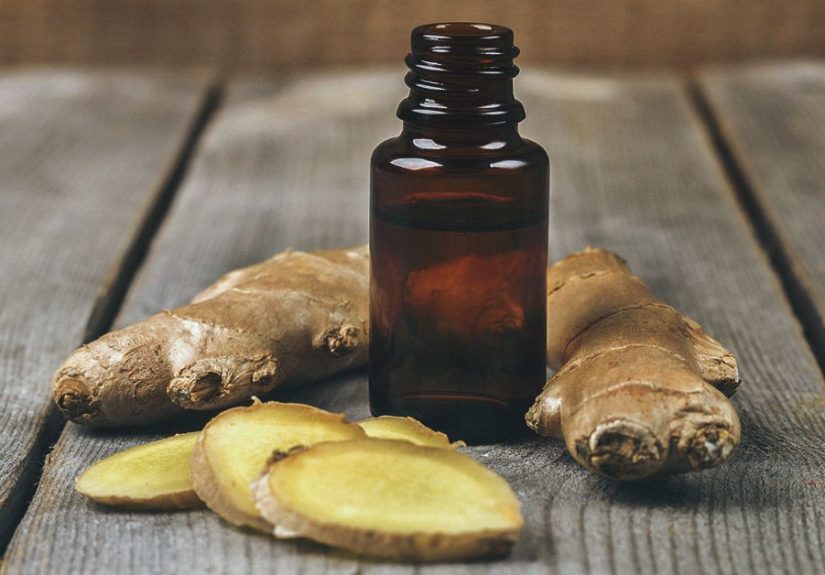
2) Ginger oil: potentially helpful for nausea, not a direct acid fix
Ginger has decent evidence in supplement/food form for nausea. That doesn’t automatically mean ginger
essential oil treats heartburn, but it may help if your “heartburn episode” comes with nausea, queasiness,
or a rolling-stomach feelingespecially when stress or motion is involved.
How to use it (safely):
- Inhalation: 1 drop on a tissue, slow breaths.
- Diffuser: Short sessions (10–20 minutes) when you’re feeling unsettled.
- Topical (diluted): Some people like a gentle abdominal massage (clockwise circles). Keep dilution low, and stop if it warms/burns.
Important nuance: ginger tea or ginger chews are not the same as essential oil. If ginger helps you,
many people do better with ginger as food/tea rather than oil ingestion (which is not recommended without medical guidance).
3) Chamomile oil: calming vibes, but watch allergies
Chamomile is a classic “settle down” plantoften as tea. The essential oil is mainly used for aroma or topical use.
If heartburn is tied to tension, chamomile may support relaxation similar to lavender. It’s not a reflux cure, but it can
be part of a wind-down routine that prevents late-night snacking and improves sleep posture choices.
How to use it (safely):
- Diffuser or inhalation: Low and slow, especially if you’re scent-sensitive.
- Topical (diluted): Patch test first.
Caution: People with ragweed-related allergies can sometimes react to chamomile. If you’re that person who
sneezes near a wildflower, proceed carefully.
4) Lemon (or citrus) oils: mood support onlydon’t confuse smell with stomach chemistry
Citrus scents can feel bright and energizing and may lift mood for some people. That can be helpful if your heartburn is
part of a stress spiral. But citrus is also a common dietary trigger for reflux, and citrus oils can be irritating on skin.
Use them for aroma if you enjoy them, but don’t translate “smells clean” into “fixes acid reflux.”
5) Peppermint oil: popular… and often the wrong choice for heartburn
Peppermint is the internet’s go-to digestive superhero. For certain issues like IBS-related cramping, peppermint oil
(often in enteric-coated capsules) has evidence. But for heartburn? Peppermint can relax the lower esophageal sphincter,
making it easier for stomach contents to travel upward. In plain English: peppermint may worsen reflux.
That means peppermint oilespecially orallycan be a “helpful” solution in the same way pouring water on a grease fire is
“helpful.” (Technically it does something. Just not the thing you want.)
What to do instead:
- If mint seems soothing in the moment but you flare later, that’s a clue. Consider switching to lavender or chamomile for calming.
- If you love the scent, keep it very light and avoid bedtime diffusion if nighttime reflux is your problem.
- If you have frequent heartburn or diagnosed GERD, peppermint is typically a “proceed with caution” oil.
How to use essential oils for heartburn without making things worse
Option A: The “calm your nervous system” routine (best overall)
- After dinner: Take a short walk (even 10 minutes). Bonus points if it’s not to the fridge.
- Wind-down cue: Diffuse lavender or chamomile for 15–30 minutes.
- Posture win: Stay upright for at least 2–3 hours after eating.
- Sleep setup: Elevate your upper body with a wedge or raise the head of the bed (not just extra pillows).
Option B: The “nausea + reflux” support routine
- Inhale ginger briefly (1 drop on tissue).
- Hydrate lightly (small sips). Avoid chuggingyour stomach is not a swimming pool.
- Skip triggers (fatty/spicy foods, peppermint, late-night snacks).
Option C: Gentle topical comfort (for some people)
Some people find a diluted oil massage on the abdomen relaxing. This likely helps through relaxation and distraction
rather than changing stomach acid. If it feels soothing and doesn’t trigger symptoms, it can be part of your toolkit.
- Dilution: Aim around 1% (about 1 drop essential oil per teaspoon of carrier oil) for sensitive skin.
- Placement: Abdomen only; avoid applying on the chest if you’re prone to irritation.
- Stop if: You feel burning, rash, headache, or nausea from the scent.
The stuff that works better than oils (and pairs well with them)
If heartburn is frequent, the biggest wins usually come from lifestyle and evidence-based care. Think of essential oils
as the soundtracknot the engine.
1) Sleep strategy: use gravity like it’s your personal assistant
- Elevate your upper body: Raising the head of the bed about 6–8 inches or using a wedge can reduce nighttime reflux.
- Left-side sleeping: Many people do better on the left side than the right.
- Timing: Finish eating 2–3 hours before lying down.
2) Meal strategy: smaller, earlier, and less “surprise spice”
- Try smaller portions and slower eating (fast eating = swallowed air + pressure).
- Track triggers for two weeks. You don’t need to ban everythingjust identify your personal troublemakers.
- Limit late-night snacks, especially high-fat, chocolate, mint, tomato-heavy, or spicy foods.
3) Pressure strategy: reduce squeeze on your stomach
- Looser clothing around the waist (yes, even at homeyour sweatpants can still be judgmental).
- Weight management if recommendedexcess abdominal pressure can worsen reflux.
- Quit smoking if applicable; it can worsen reflux mechanisms.
4) Medication strategy: when “natural” isn’t enough
Over-the-counter antacids, H2 blockers, and proton pump inhibitors (PPIs) have real evidence for acid suppression and symptom control.
If you’re relying on remedies every day, or symptoms are persistent, it’s worth discussing with a clinician rather than DIY-ing forever.
Essential oils can still support relaxation and routinesjust don’t use them as a substitute for medical care when you need it.
When heartburn is a “call someone” situation
Occasional heartburn happens. But please don’t try to aromatherapy your way through red flags. Get medical advice if you have:
- Heartburn more than twice a week, or symptoms that persist despite lifestyle changes
- Trouble swallowing, food sticking, chronic cough/hoarseness, or wheezing
- Unintentional weight loss, vomiting, black stools, or anemia
- Chest pain, pressure, or symptoms that feel cardiac (when in doubt, treat it as urgent)
Bottom line: what works, what doesn’t
If you want a simple verdict: lavender (and sometimes chamomile) can “work” by supporting relaxation and better habits,
and ginger can “work” for nausea-adjacent discomfort. These are indirect helpersuseful, but not acid-stoppers.
Peppermint is the frequent troublemaker for heartburn and GERD-prone folks.
The best plan is a combo: proven reflux strategies (meal timing, elevation, trigger awareness, medical care when needed)
plus a calming oil routine that makes it easier to follow the plan. Your esophagus will thank you, preferably without using flames.
Real-World Experiences: What People Notice (and What It Usually Means)
Let’s talk about the messy, human sidewhat people actually report when they try essential oils for heartburn. These aren’t clinical trials,
but they’re patterns that show up again and again, and they can help you troubleshoot without falling into the “one weird trick” trap.
The “Lavender + bedtime routine” people
A lot of folks don’t say, “Lavender cured my reflux.” They say something like, “I stopped waking up at 2 a.m. feeling like a volcano.”
Usually, what changed wasn’t stomach acid chemistryit was the chain reaction: lavender helped them unwind, which made it easier to stop
late-night snacking, which made it easier to finish dinner earlier, which made it easier to sleep slightly elevated without tossing around like a rotisserie chicken.
The oil didn’t fix the valve between stomach and esophagus; it helped fix the habits that were poking the valve with a stick.
The common “aha” moment is realizing that heartburn isn’t always about one food. It’s often about timing, stress, portion size, and posture.
Lavender becomes a cue: “Kitchen closed, lights dim, body upright, bedtime setup.” If an oil helps you keep that promise to yourself,
it’s doing something valuable.
The “Ginger saved me” people (with an asterisk)
People who swear by ginger are often dealing with a combo of symptoms: nausea, bloating, and that sour reflux feeling. What they usually notice is
that ginger aroma (or ginger tea) calms the queasiness, and once the nausea is quieter, the whole episode feels less intense.
It’s not that ginger essential oil is neutralizing acid; it’s that your gut-brain alarm system is less blaring.
The asterisk: some people with reflux are sensitive to strong flavors or spicy sensations. If ginger (especially as food/tea) feels “hot” going down,
it might irritate rather than soothe. In that case, the experience flips: instead of relief, you get “why does my throat hate me right now?”
That’s your sign to dial it back, try gentler options, and focus on posture/timing changes first.
The “Peppermint betrayal” club
This is the most dramatic storyline. It usually goes:
“I heard peppermint is good for digestion.” Then: “It did feel soothing for about 20 minutes.”
Then: “Why am I breathing fire at midnight?”
Peppermint can relax smooth musclegreat if your issue is cramping, not great if your issue is reflux.
Many people notice that peppermint feels nice short-term but triggers heartburn later, especially at night.
If that’s you, you’re not broken. You’re just using a tool designed for a different job.
The “Topical oils help because it’s calming” crowd
Some people love a diluted belly massage with lavender or ginger. The relief they describe tends to be “I feel less tight, less panicky, more settled.”
That’s a legitimate outcome. When your body is relaxed, you’re less likely to clench, hunch, gulp air, or spiral into anxious breathingbehaviors that can
make reflux sensations feel worse.
But if someone reports that topical oil “burned” or caused a rash, that’s not the oil “working.” That’s irritation. Dilute more, patch test, or skip topical use entirely.
Your skin does not need to suffer for your stomach to feel heard.
What experienced reflux folks usually learn (the practical takeaway)
- Oils work best as routines: a trigger to eat earlier, stay upright, and set up sleep correctly.
- Nighttime reflux loves flat beds: elevation and left-side sleeping often matter more than any scent.
- “Soothing” isn’t always “helpful”: peppermint is the classic example.
- Less is more: strong scents can cause headaches or nausea that mimic or worsen reflux discomfort.
If you treat essential oils like a small comfort toolused safely, sparingly, and paired with proven reflux strategiesyou’ll get the best version of what they can offer.
If you treat them like a cure, you’ll mostly get disappointment (and possibly a stern lecture from your esophagus).