Table of Contents >> Show >> Hide
- Why “Russia” Ends Up in So Many Titles
- Major Narrative Films With “Russia” in the Title
- Major Documentaries and Series With “Russia” in the Title
- Russia 1985–1999: TraumaZone (Docuseries)
- Putin, Russia and the West (Docuseries)
- Wild Russia (Nature Miniseries)
- The Art of Russia (Series)
- Russia: Land of the Tsars (Miniseries)
- Canada Russia ’72 (Miniseries)
- Russia’s Mystery Files (Documentary)
- Russia’s Wild Sea (Documentary)
- Russia’s War: Blood Upon the Snow (Documentary)
- Issue-Focused Documentaries With “Russia” in the Title
- How to Watch These Without Getting Lost in Search Results
- Viewer Experiences: What It Feels Like to Go on a “Russia-in-the-Title” Binge
- Conclusion
If you’ve ever scrolled past a title with Russia in it and thought, “Okay, this is either going to be espionage, snow, a tragic violin solo… or all three,”
you’re not alone. In entertainment, the word Russia can function like a neon sign: it promises high-stakes intrigue, a massive historical backdrop, a
culture-clash comedy, or a documentary ready to make you sit up straighter on the couch.
This guide rounds up major movies and TV shows with “Russia” in the official titlethe ones most likely to be referenced, reviewed, archived, streamed,
or taught. There are countless news specials and one-off episodes that mention Russia in subtitles or marketing blurbs; we’re focusing on
stand-alone films, documentaries, and series/miniseries where “Russia” is part of the actual on-the-poster name.
Along the way, we’ll also unpack why creators keep putting the word in the title, and what expectations it sets before you’ve seen a single frame.
Why “Russia” Ends Up in So Many Titles
A title is a promise. When “Russia” is in it, the promise usually falls into one (or more) of these buckets:
-
Spycraft shorthand: “Russia” signals coded meetings, double agents, and the kind of small talk that ends with someone saying,
“You shouldn’t have come here.” - History on hard mode: the word can point to WWII, Cold War tension, the Soviet era, or the aftermathbig eras with big stakes.
- Culture-clash comedy: sometimes “Russia” is used as a setup for language confusion, travel chaos, or fish-out-of-water antics.
- Documentary authority: adding “Russia” can signal journalism, testimony, or archival storytellingespecially when paired with names or dates.
- Brand echo: yes, one famous phrase (“From Russia with Love”) became so iconic it spawned spiritual cousins and playful riffs.
In other words: “Russia” is rarely a neutral adjective in entertainment. It’s a mood, a map pin, and a set of assumptions. Sometimes that’s illuminating.
Sometimes it’s a shortcut. Often it’s both.
Major Narrative Films With “Russia” in the Title
These are feature films (fiction or dramatized stories) that use “Russia” as more than just a location tag. The word is doing marketing work:
it’s the hook, the tension, or the emotional center of gravity.
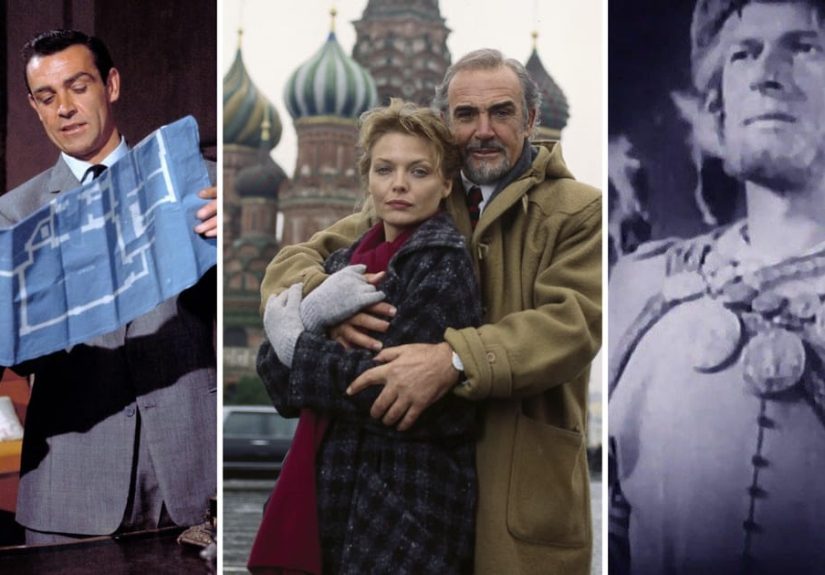
From Russia with Love (1963)
If “Russia in the title” had a Mount Rushmore, this would be carved into it. From Russia with Love is a foundational James Bond entryslick,
suspicious, and elegantly paranoid. The title does something clever: it sounds romantic, even sweet, and then the story weaponizes that sweetness.
You go in expecting glamour; you stay for the trapdoors.
Why it matters: it helped teach pop culture that “Russia” in a title can imply secrets, seduction, and state-level consequencesall at once. It also
launched a title-template that creators still riff on decades later.
The Russia House (1990)
The Russia House takes the spy-thriller vibe and trades some explosions for moral fog. It’s the kind of espionage story where the most dangerous
weapon is a conversation you can’t take back, and the biggest twist is realizing what you wanted to believe. (Also: it’s a reminder that “spy movie”
doesn’t always mean “fast.” Sometimes it means “watch people lie with excellent posture.”)
Why it matters: it’s a high-profile example of “Russia” in the title functioning as a whole atmospheregray sky, gray ethics, gray choices.
Song of Russia (1944)
Song of Russia is a WWII-era Hollywood film that blends romance and wartime messaging. The title is pure emotional packaging: “Russia” isn’t just a place,
it’s a thememusic, sacrifice, homeland, and heartbreak, all wrapped in a phrase that sounds like a ballad.
Why it matters: it shows how quickly “Russia” can shift meanings depending on the era. Titles are time capsules, and this one is stamped “1944.”
The Battle of Russia (1943)
The Battle of Russia is documentary filmmaking with a wartime purpose. The title is direct and declarativeno wink, no poetry. You’re being told:
this is the scale, this is the front, this is the subject. It’s the opposite of the Bond-style tease.
Why it matters: it’s a classic example of how “Russia” in a title can signal not entertainment first, but explanation firstan attempt to shape understanding.
The Incredible (Unbelievable) Adventures of Italians in Russia (1974)
This Soviet-Italian comedy is basically proof that “Russia” in the title doesn’t always mean doom and gloom. Here, Russia is the stage for a
chaotic treasure-hunt energyslapstick, miscommunication, and escalating mayhem. The word “Russia” acts like an invitation to the audience:
pack light, things are about to get weird.
Why it matters: it’s a useful palate cleanser. If your mental library says “Russia titles = spies,” this one argues, “Or… comedic pandemonium.”
The Dragon from Russia (1990)
A Hong Kong action film whose title sounds like a legendand that’s exactly the point. “From Russia” here works like a mythic origin story: it signals
an external force, a feared training ground, a dangerous reputation. Even before you know the plot, the title is already building the character’s aura.
Why it matters: it shows how “Russia” can be used internationally as a symbolless about geography, more about perceived toughness and mystique.
Russia 88 (2009)
This one is darker and more confrontational. Russia 88 uses the country-name as part of a label, like a stamp or a badgeexactly the kind of naming
that makes you question who chose it and why. It’s a reminder that “Russia” in a title can point to social reality, not escapism.
Why it matters: it represents the “Russia as contemporary subject” laneless romance and intrigue, more raw depiction and critique.
Hurricane Bianca: From Russia With Hate (2018)
Here’s the Bond echo in neon lights. The “From Russia With…” phrasing instantly telegraphs a parody-adjacent attitude: you’re meant to recognize the classic
structure, then enjoy the twist. Swapping Love for Hate signals the tone before the trailer even loadscamp, rivalry, and big comic energy.
Why it matters: it proves the phrase has become pop-culture currency. Even if you’ve never watched Bond, you’ve probably absorbed the rhythm of that title.
Major Documentaries and Series With “Russia” in the Title
When documentaries use “Russia” in the title, the word often functions like a claim: “This is about the real thing.” Sometimes it’s broad (“Russia” as a nation);
sometimes it’s specific (“Russia” within a defined time period, conflict, or cultural tradition).
Russia 1985–1999: TraumaZone (Docuseries)
A title with dates is basically a contract: you’re about to see a timeline, a transformation, and consequences. Russia 1985–1999: TraumaZone
leans into archival-storytelling energy, using the years to frame an era and the subtitle to frame the feeling. It’s not subtleand it doesn’t need to be.
Why it matters: it’s a standout modern example of “Russia + dates” signaling a deep historical excavation rather than a travelogue.
Putin, Russia and the West (Docuseries)
When a title names a leader, a country, and a geopolitical relationship, you know the structure will be cause-and-effect. Putin, Russia and the West
is built like an argument: the commas are doing work. This isn’t “Russia” as scenery; it’s “Russia” as a political and historical actor.
Why it matters: it’s emblematic of the “Russia in the title = explanatory documentary” laneorganized, thematic, and debate-ready.
Wild Russia (Nature Miniseries)
Not every Russia title is about governments and gray suits. Wild Russia is in the nature-documentary tradition: landscapes, ecosystems,
“wait, that animal lives there?” wonder. Here, “Russia” signals scale. You’re being promised enormous terrain and biodiversity.
Why it matters: it helps balance the cultural association. Russia isn’t only a political symbol; it’s also a massive natural environment.
The Art of Russia (Series)
In arts programming, “Russia” in the title often functions like a museum wing label. The Art of Russia signals curation and cultural history:
artists, movements, iconography, influence. It’s a reminder that country-name titles can be about creativity, not conflict.
Russia: Land of the Tsars (Miniseries)
Put “Land of the Tsars” after “Russia” and you’ve basically chosen your lens: monarchy, legacy, and the long shadow of empire. The title aims for
epic-history tonebig costumes, big palaces, big turning points.
Canada Russia ’72 (Miniseries)
Sometimes “Russia” in the title isn’t about espionage at allit’s about rivalry and spectacle. Canada Russia ’72 is a sports-history style title:
two names, one year, and the promise of a story people still argue about at dinner.
Russia’s Mystery Files (Documentary)
This title is basically a genre in seven syllables. “Russia’s” plus “Mystery” plus “Files” suggests secrets, archival material, and a narrator who knows how to
pause for dramatic effect. It’s the “case file” version of country-name storytelling.
Russia’s Wild Sea (Documentary)
Like Wild Russia, this title uses “Russia” to signal vastnessonly the focus is maritime. It’s a reminder that “Russia” can be the start of a
natural-world story as easily as it can be the start of a political one.
Russia’s War: Blood Upon the Snow (Documentary)
This is an emotionally loaded title by design: “Russia’s War” frames ownership and stakes, and the subtitle paints the tone in one brushstroke.
It signals conflict history told with intensity, not detachment.
Issue-Focused Documentaries With “Russia” in the Title
Some of the most impactful uses of “Russia” in a title are the ones that narrow the frame to a specific human story. These films tend to be less about
“Russia as abstraction” and more about lived realities within a particular context.
Hunted: The War Against Gays in Russia (2014)
This HBO documentary uses a title that reads like a headlinebecause the subject is urgent. “Hunted” is the emotional word; “Russia” is the location context;
the rest tells you the stakes. You don’t go into this expecting escapism. You go into it expecting testimony and investigation.
Campaign of Hate: Russia and Gay Propaganda (2014)
Similar in purposefully direct titling, Campaign of Hate frames its subject as organized and systemic. “Russia” here signals the policy and media
context in which the story unfolds.
Fire and Ice: The Winter War of Finland and Russia (2006)
This title does what strong historical-documentary titles do: it pairs a metaphor (“Fire and Ice”) with a precise subject (“The Winter War of Finland and Russia”).
You’re promised both atmosphere and claritypoetry plus a map.
Soldiers of Music: Rostropovich Returns to Russia (1991)
This one uses “Russia” in a deeply personal way. “Returns to Russia” signals homecoming, identity, and cultural stakes, with music as the through-line.
It’s the opposite of the spy-title vibe: the tension isn’t “Who’s lying?” It’s “What does home mean now?”
How to Watch These Without Getting Lost in Search Results
Searching “Russia movie explain” is how you end up watching a random clip titled “RUSSIA MOVIE (INSANE ENDING)!!!” posted in 240p. Try these practical moves instead:
- Use exact-title search with quotation marks: “The Russia House” or “Russia 1985-1999: TraumaZone.”
- Add a year if the title is generic: “Song of Russia 1944.”
- Add the format: “Wild Russia miniseries” vs. “Wild Russia documentary.”
- Watch for near-twins: some titles have alternate English names (especially international releases).
Viewer Experiences: What It Feels Like to Go on a “Russia-in-the-Title” Binge
Watching a run of “Russia” titles back-to-back is a strangely revealing experiencenot only about the stories themselves, but about what you expect
the word to mean. The first thing you notice is how quickly your brain starts making predictions. You see “Russia” in the title and you brace for cold air
and colder people, even though the next film might be a slapstick treasure hunt or a nature documentary where the only “plot twist” is an animal casually
surviving a climate you wouldn’t survive in a well-insulated jacket.
You also start to feel how titles can pre-load emotion. From Russia with Love sounds like a postcard; it’s practically perfumed stationery.
That sweetness makes the suspense sharper, because your mind is already in romance-mode when the story starts tightening the net. Then you jump to a title
like The Battle of Russia and the language turns bluntno flirtation, no wink. The effect is immediate: you sit differently, as if the movie has
switched from entertainment to evidence.
Another common viewing experience is realizing how “Russia” can function as a symbol rather than a place. In some movies, the word signals
geographystreets, buildings, landscapes. In others, it signals reputationa shorthand for intensity, secrecy, endurance, or danger.
That’s why a title like The Dragon from Russia can feel mythic even if you know nothing about the plot. “From Russia” reads like “from the hard place,”
the way “from the trenches” reads like “from the real fight.” Your brain supplies the legend.
If you mix fiction and documentaries, the emotional whiplash is real. A drama might use “Russia” as a mood boarddim lighting, moral ambiguity,
slow-building dreadwhile a documentary uses it as a demand for attention. And somewhere in the middle you’ll hit a title that borrows a famous phrase
(“From Russia With…”) and suddenly you’re smiling, because you recognize the rhythm. That recognition is part of the experience: you’re not just watching stories;
you’re watching how pop culture recycles its own signals.
The most surprising part, though, is how these titles can expand your mental filing cabinet. After a few watches, “Russia in the title” stops being one genre.
It becomes a shelf with many compartments: spy fiction, wartime history, cultural arts, nature scale, sports rivalry, and intimate human stories.
If you go in expecting a single vibe, a binge will gently (or not so gently) correct you. And when that happens, you’ve gotten what good screen storytelling
is supposed to do: it changes the shape of your assumptionswithout needing to announce that it’s doing it.
Conclusion
“Russia” in a title isn’t just a labelit’s a signal flare. Sometimes it’s selling espionage, sometimes history, sometimes art, sometimes wilderness, and sometimes
an urgent documentary lens. The major takeaway is simple: the word carries genre expectations, but the best films and shows use that expectation as a tooleither
fulfilling it with style or flipping it for surprise. If you’re building a watchlist, mix the categories. That’s where the most interesting contrasts appear.