Table of Contents >> Show >> Hide
- What Is Gout, Exactly?
- Gout Symptoms: What a Flare Feels Like
- Gout Pictures: What You’ll See (and What Photos Can’t Capture)
- Why Gout Happens: Uric Acid 101
- Risk Factors & Triggers (a.k.a. the Usual Suspects)
- How Doctors Diagnose Gout (No, It’s Not Just “Vibes”)
- Gout Treatment: What Works in Real Life
- Home Remedies for Gout: Helpful, Not Magical
- Gout Diet: What to Eat and What to Avoid (Without Losing Your Mind)
- Complications: When Gout Doesn’t Stay “Occasional”
- Prevention & Long-Term Plan (How to Stop Living in Fear of Your Toe)
- Quick FAQ
- Wrapping It Up
- Real-World Experiences: What Living With Gout Often Looks Like (and How People Cope)
Gout is the kind of joint pain that doesn’t politely “act up.” It kicks the door in at 2:00 a.m., flips on the lights, and announces itself with a hot, swollen joint that feels like it’s being attacked by a tiny army of angry needles. (Spoiler: it basically is.)
This guide covers what gout is, the most common symptoms, what gout looks like in pictures, how doctors diagnose it, what treatments actually work, and which home remedies can help you feel better and prevent future flareswithout turning your life into a joyless spreadsheet of forbidden foods.
What Is Gout, Exactly?
Gout is a form of inflammatory arthritis caused by a buildup of urate (uric acid) in the body. When urate levels stay high long enough, needle-shaped crystals can form and settle in and around a joint. Your immune system sees those crystals and reacts like, “Absolutely not,” triggering intense inflammation, swelling, and pain.
Gout often comes in flares (attacks): sudden symptoms that can last days to a couple of weeks, then calm downsometimes for months, sometimes not for very long at all.
Gout Symptoms: What a Flare Feels Like
The classic gout “signature”
- Sudden, severe joint pain that peaks fast (often within hours)
- Swelling and visible puffiness
- Redness (sometimes deep red to purplish)
- Heatthe joint can feel warm or hot to the touch
- Extreme tenderness: even a bedsheet can feel like a personal insult
- Limited range of motion because everything hurts
Where gout strikes
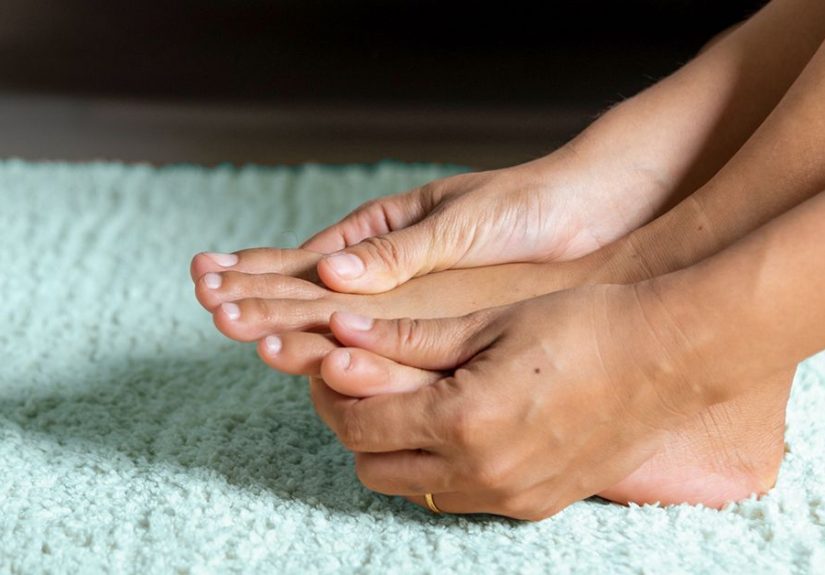
The big toe is the celebrity location (this is called podagra), but gout can also hit the midfoot, ankle, knee, fingers, wrists, and elbows. Many people describe it as pain that feels “too intense to be normal,” which is a pretty useful clue.
When it might not be gout (don’t tough it out)
A red, hot, swollen joint can also be caused by an infection (septic arthritis), which is an emergency. If you have a fever, chills, feel generally ill, or the pain is rapidly worseningespecially if you have a weakened immune systemget urgent medical evaluation.
Gout Pictures: What You’ll See (and What Photos Can’t Capture)
People search “gout pictures” because seeing it can be reassuring (“Okay, my toe isn’t the only one that looks like a tomato with a heartbeat”). While this article can’t show medical photos, here’s what typical gout images usually reveal:
- Shiny, stretched skin over the affected joint from swelling
- Bright redness or a deeper red-purple tone
- Obvious puffiness, often around the big toe joint or ankle
- Post-flare peeling: as swelling resolves, skin may flake or peel
Tophi: the “lumps” you might see in chronic gout pictures
In long-standing or uncontrolled gout, you may see tophifirm, sometimes chalky-looking lumps under the skin. They’re collections of urate crystals that can show up on fingers, toes, around the elbow, or along the outer ear. Tophi can damage joints and are a strong sign gout needs long-term management, not just “pain control when it flares.”
Why Gout Happens: Uric Acid 101
Uric acid is produced when your body breaks down purinesnatural substances found in your cells and in many foods. Most of the time, uric acid dissolves in blood, travels to the kidneys, and exits in urine.
Gout tends to happen when either:
(1) your body makes too much uric acid, or
(2) your kidneys don’t remove enough of it (this is common).
When urate stays high over time (hyperuricemia), crystals can form and a flare becomes more likely.
Risk Factors & Triggers (a.k.a. the Usual Suspects)
Gout isn’t just about one food or one habit. Common risk factors and flare triggers include:
- Sex and age: more common in men; risk increases with age
- Family history: genetics matter more than your friend’s “miracle cleanse”
- Excess body weight: higher urate production and lower clearance
- Kidney disease or reduced kidney function
- Alcohol (especially beer) and binge drinking
- Sugary drinks, especially those sweetened with fructose
- Diet patterns heavy in organ meats, red meat, and certain seafood
- Dehydration or sudden changes (fasting/crash dieting)
- Some medications (for example, certain diuretics; always ask your clinician)
- Recent illness, surgery, or traumayour body under stress can flare
How Doctors Diagnose Gout (No, It’s Not Just “Vibes”)
A classic story and exam can strongly suggest gout, but diagnosis can be confirmed in a few ways:
1) Joint fluid test (the most definitive)
If needed, a clinician can remove a small amount of fluid from the swollen joint and look for urate crystals under a microscope. This helps distinguish gout from infection or other crystal arthritis (like pseudogout).
2) Blood test
Serum uric acid levels can support the diagnosisbut here’s the twist: uric acid may be normal during an acute flare. So a normal number doesn’t automatically clear gout.
3) Imaging
Ultrasound and specialized CT (dual-energy CT) can sometimes detect urate deposits, especially in more complex or chronic cases.
Gout Treatment: What Works in Real Life
Stopping an acute gout attack
The goal during a flare is rapid inflammation control. Common medical options include:
- NSAIDs (anti-inflammatory pain relievers) for eligible patients
- Colchicine, especially when started early in a flare
- Corticosteroids (oral or injection), often used when NSAIDs aren’t a safe option
- Other anti-inflammatory options in select cases under specialist guidance
Because these meds interact with other conditions (like kidney disease, ulcers, blood pressure, blood thinners, diabetes), the “best” choice is personal. This is why your neighbor’s regimen should not become your personality.
Preventing future flares: urate-lowering therapy (ULT)
If you have frequent flares, tophi, joint damage, or certain complications (like kidney stones), long-term urate control is often recommended. This is where urate-lowering therapy comes inmedications that lower uric acid over time to prevent crystals from forming.
Common options include:
allopurinol (often first-line),
febuxostat (an alternative),
and uricosuric medicines in select patients.
In severe, refractory cases, other advanced therapies may be considered by specialists.
A key concept: long-term treatment is typically managed to a target urate level (often discussed as “treat-to-target”) so crystals gradually dissolve and flares become less frequent.
One annoying truth that saves joints
Starting urate-lowering therapy can sometimes trigger flares early on (crystals shifting as levels change). Clinicians often pair it temporarily with anti-inflammatory prevention (like low-dose colchicine or an NSAID when appropriate). It’s not a sign the plan failedit’s often a sign the plan has started working.
Home Remedies for Gout: Helpful, Not Magical
Home remedies won’t “melt crystals overnight,” but they can reduce discomfort during a flare and lower your odds of repeat attacks over time. Think of them as your gout support crew.
During a flare: do this first
- Rest the joint and avoid “walking it off” (gout loves that idea)
- Ice packs for 15–20 minutes at a time, several times a day
- Elevate the limb to reduce swelling
- Hydratewater helps your kidneys clear urate
- Avoid alcohol and sugary drinks until things calm down
- Follow your clinician’s flare plan (many people do best with a prepared plan)
Between flares: build your “anti-flare” routine
- Choose a heart-healthy eating pattern (Mediterranean or DASH-style)
- Lose weight slowly if neededrapid weight loss can increase urate temporarily
- Consider cherries or tart cherry juice (evidence is mixed, but promising for some)
- Get vitamin C from foods (citrus, peppers, strawberries)
- Include low-fat dairy if tolerated
- Prioritize sleep and stress management (stress can be a flare trigger)
Supplements (including high-dose vitamin C, “uric acid cleanse” pills, or random internet powders) are not automatically safeespecially if you have kidney disease or take other medications. If it sounds like a detox commercial, treat it like a detox commercial.
Gout Diet: What to Eat and What to Avoid (Without Losing Your Mind)
Diet can’t replace medication for many people with gout, but it can reduce flare frequency and help lower urateespecially when combined with weight management and hydration.
Foods and drinks that commonly trigger gout flares
- Organ meats (liver, kidneys)
- Red meat and heavy meat portions
- Some seafood (anchovies, sardines, shellfishindividual tolerance varies)
- Beer and heavy alcohol intake
- Sugary drinks and foods high in fructose corn syrup
Foods that generally fit a gout-friendly plan
- Vegetables (including many that contain purinesmost don’t seem to trigger flares like meat-based purines)
- Whole grains and high-fiber foods
- Fruits (especially those rich in vitamin C)
- Legumes and plant proteins
- Low-fat dairy if tolerated
- Healthy fats like olive oil, nuts, and seeds
- Water (yes, it deserves its own bullet point)
A practical plate rule
If you want a simple strategy: aim for half your plate vegetables, a quarter lean protein (often plant-forward or lower-purine choices), and a quarter whole grainsthen adjust with your clinician if you have kidney disease, diabetes, or other conditions that change your targets.
Complications: When Gout Doesn’t Stay “Occasional”
Untreated or poorly controlled gout can become more frequent and more damaging over time. Potential complications include:
- Tophi (urate crystal lumps under the skin)
- Chronic gouty arthritis with joint damage and reduced function
- Kidney stones (including uric acid stones) and kidney strain in susceptible people
If you’ve had kidney stones, frequent flares, or visible tophi, it’s a strong signal to talk with a clinician about long-term urate controlnot just “flare firefighting.”
Prevention & Long-Term Plan (How to Stop Living in Fear of Your Toe)
- Know your flare triggers: alcohol, dehydration, certain meals, stress, travel, illness
- Hydrate consistently (especially in heat or during exercise)
- Address comorbidities (blood pressure, diabetes, sleep apnea, kidney health)
- Take preventive meds as prescribed if you’re on themskipping doses invites chaos
- Ask for a flare plan: what to take, when to take it, and when to seek care
Quick FAQ
How long does a gout flare last?
Many flares last several days to about one or two weeks. Treatment started early usually shortens the misery window.
Can you have gout with “normal” uric acid?
Yes. Uric acid can be normal during a flare. That’s why symptoms, history, and (when needed) joint fluid testing matter.
Is gout only a “big toe disease”?
Nope. The big toe is common, but gout can affect ankles, knees, wrists, fingers, and elbows.
Can home remedies cure gout?
Home remedies can help with comfort and prevention, but “cure” usually requires controlling urate levels long-termoften with medication, especially if gout is recurrent or complicated.
Wrapping It Up
Gout is common, painful, and extremely dramaticbut it’s also manageable. The best outcomes usually come from a two-part approach:
treat flares fast and reduce urate over time so crystals don’t keep rebuilding their tiny, terrible fortress in your joints.
Add smart lifestyle tweakshydration, a gout-friendly diet pattern, gradual weight management, and trigger awarenessand you can often go from “frequent flares” to “rarely think about it,” which is the ultimate flex.
Real-World Experiences: What Living With Gout Often Looks Like (and How People Cope)
If you ask a room full of people with gout to describe their first flare, you’ll hear the same storyline with different supporting characters: “I went to bed fine… and woke up convinced my foot had been replaced with a haunted furnace.” Many describe that classic nighttime onsetsudden pain that escalates quicklyfollowed by confusion because the joint looks angry but there wasn’t a clear injury. A common theme is disbelief at how intense it feels compared to how “small” the joint is. Your big toe, it turns out, can generate main-character energy.
Another pattern is the emotional whiplash. People often feel embarrassed (it’s “just gout,” right?) until they try putting on a sock and realize socks are now an advanced engineering problem. Some report frustration that friends and family assume it’s purely dietlike a flare is punishment for eating a burger near a full moon. In reality, many people do adjust food and alcohol choices and still get flares, because genetics, kidney clearance, body weight, medications, hydration, and stress can all play a role. For a lot of patients, the turning point is realizing gout isn’t a moral failing; it’s a medical condition with an actual mechanism and real treatment.
Practically speaking, people who manage gout well usually develop a “flare protocol.” It’s not glamorous, but it’s effective: they recognize early signs (a twinge, warmth, tightness), start their clinician-approved medication plan quickly, hydrate, and protect the joint like it’s a cracked phone screen. Many say ice packs become a household celebrity. Elevation is another underrated heroespecially when swelling makes the joint feel like it’s wearing a too-tight shoe made of pain.
Diet-wise, the most sustainable success stories aren’t about eliminating everything enjoyable. They’re about patterns: fewer sugary drinks, fewer alcohol-heavy weekends, smaller portions of red meat, more vegetables and fiber, and more waterespecially during travel or hot weather. People often mention that hydration is the easiest “home remedy” to underestimate. It’s not exciting, but it’s one of the few steps that helps nearly everyone, because it supports kidney clearance of urate and reduces the chance of dehydration-triggered flares.
Many also describe trial-and-error with triggers. Some can eat seafood occasionally without issues; others learn that beer is their personal nemesis. A useful habit is keeping a simple flare log: what you ate, drank, and did in the 48 hours before symptoms. Not to shame yourselfjust to spot patterns. Over time, people often build a realistic “safe list” that doesn’t feel like a punishment.
Finally, a lot of long-term relief stories involve committing to urate control, not just flare control. People frequently report that once they stick with a preventive plan (often including urate-lowering medication when indicated), flares gradually become less frequent and less intense. The early months can be bumpy, and that’s where many quitright before it gets better. The most encouraging experience shared by patients is simple: gout can stop dominating your calendar. With the right plan, the big toe can return to its normal jobbeing ignored.