Table of Contents >> Show >> Hide
- First, what counts as a “crib death”?
- What do the numbers say? Not vanishedjust changed
- Why deaths fell dramatically (and why they didn’t hit zero)
- The biggest risk factors that keep “crib deaths” from vanishing
- The modern safe sleep recipe (simple, not always easy)
- But what about all the “high-tech” solutions?
- What changed recently in the U.S.? Laws, recalls, and fewer “sleepy gadgets”
- Myth-busting: why the question keeps coming up
- So, have crib deaths vanished?
- Practical checklist: the “3 a.m. decision helper”
- Real-World Experiences: What Families and Care Teams Report
- Conclusion
Quick note: This article is for general education, not medical advice. If you’re worried about your baby’s breathing, sleep, or safety setup, talk with your pediatrician right away.
“Crib death” is one of those phrases that sounds like the crib itself did something shady in the night. Spoiler: it didn’t. The phrase stuck because many tragedies happen during sleep, and a crib is where a baby is supposed to sleep. But when people ask, “Have crib deaths vanished?” they’re really asking a bigger question:
Did we solve sleep-related infant deathsSIDS, suffocation, and other sudden lossesor did we just get better at preventing some of them?
The honest answer is both hopeful and frustrating: sleep-related infant deaths have dropped a lot since the 1990s thanks to safer sleep practices and stronger product standards, but they have not disappeared. The problem is smaller than it used to be… and still heartbreakingly real.
First, what counts as a “crib death”?
In everyday conversation, “crib death” often refers to Sudden Infant Death Syndrome (SIDS), but professionals usually talk about Sudden Unexpected Infant Death (SUID), a broader umbrella. In the U.S., SUID commonly includes:
- SIDS: sudden death in an infant under 1 year that remains unexplained after a full investigation.
- Accidental suffocation and strangulation in bed (ASSB): sleep-related deaths with a clear accidental cause (like soft bedding or overlay).
- Unknown cause: cases that remain unclear even after investigation, often due to limited scene information or mixed factors.
So when someone says “crib death,” they may be referring to multiple situationssome mysterious, some preventable, many intertwined with sleep environment and caregiver practices.
What do the numbers say? Not vanishedjust changed
The most recent finalized national mortality data show that thousands of U.S. infants still die suddenly and unexpectedly during sleep each year. In 2022, SUID included deaths attributed to SIDS, unknown causes, and accidental suffocation/strangulation in bedtogether totaling roughly 3,700 infants.
If that number makes your stomach drop: same. And it’s also why the question “Have crib deaths vanished?” deserves a careful, reality-based answer. Because the progress is real… but so is the remaining risk.
Why deaths fell dramatically (and why they didn’t hit zero)
1) The “Back to Sleep” revolution
In the early 1990s, one change reshaped infant sleep safety: the push to place babies on their backs for sleep. The national “Back to Sleep” campaign (now “Safe to Sleep”) launched in 1994 and helped shift sleep norms. Back-sleeping reduced risk and was associated with a major decline in SIDS rates over time.
Sometimes public health wins look boring. “Put baby on their back” is not exactly a Hollywood plot twist. But it saved livesquietly, steadily, and at scale.
2) A clearer picture of suffocation risk
As back-sleeping became more common, researchers and investigators got better at identifying accidental hazards in the sleep spacethings like soft bedding, pillows, adult mattresses, couches, and sleeping with an adult in unsafe conditions. Over time, more deaths were categorized as accidental suffocation/strangulation rather than SIDS, reflecting improved investigation and classification and persistent unsafe sleep environments.
3) Stronger product standards and new bans
The crib itself got safer. Slat spacing rules, sturdier hardware requirements, and mandatory standards reduced entrapment and structural hazards. More recently, U.S. law and federal rules banned certain products associated with sleep-related deaths, including inclined sleepers and crib bumpers (and yes, the “cute padded bumper” look is officially out of stylebecause breathing is in style).
4) Real life is messy, and sleep is when adults are least alert
Even perfect guidance runs into reality: exhausted caregivers, limited space, cultural habits, misinformation, secondhand products, and the 3 a.m. moment when “just this once” seems totally reasonable. Safe sleep is simple in theory and surprisingly hard under pressureespecially when families lack support, resources, or consistent messaging from everyone who cares for the baby.
The biggest risk factors that keep “crib deaths” from vanishing
It helps to separate risk into two buckets: things you can’t control and things you often can.
Non-modifiable or harder-to-modify factors
- Age: risk peaks between about 2–4 months and drops after 6 months.
- Prematurity/low birth weight (higher vulnerability).
- Certain underlying biological vulnerabilities (the “triple risk” idea: vulnerable infant + critical developmental period + external stressor).
Modifiable factors (where prevention lives)
- Sleep position: back for every sleep (naps included).
- Sleep surface: firm, flat, and level (not inclined), with a fitted sheet only.
- Sleep space: baby sleeps in their own crib/bassinet/play yardno pillows, blankets, stuffed animals, bumpers, or “breathable” add-ons.
- Bed-sharing and couch-sleeping: especially risky when an adult is overtired or using alcohol/drugs/sedating meds, or when the surface is soft.
- Smoke/nicotine exposure: during pregnancy and after birth increases risk.
- Overheating: too many layers, too warm a room, head covered.
Notice something? Most of the “big knobs” are about the sleep environment. The crib isn’t the villain; the setup (and where baby actually sleeps when plans change) is the real plot.
The modern safe sleep recipe (simple, not always easy)
Safe sleep advice can feel like it was written by someone who never tried to get a baby to sleep. But the core guidance is consistent across major U.S. health organizations:
The ABCs: Alone, Back, Crib
- Alone: no loose bedding, toys, pillows, or extra padding in the sleep space.
- Back: place baby on their back for every sleep.
- Crib: use a safety-approved crib/bassinet/play yard with a firm, flat mattress and fitted sheet.
Room-share (not bed-share)
Many guidelines recommend keeping baby’s sleep space in the same room as the caregiver for at least the first 6 months. This can make feeding and soothing easier while avoiding the added risks of adult beds and bedding.
Breastfeeding and pacifiers (when appropriate)
Breastfeeding is associated with lower SIDS risk. Pacifier use at sleep time is also associated with reduced risk for some infants. If you’re breastfeeding, you can wait until feeding is well established before introducing a pacifier (ask your pediatrician if you’re unsure).
Skip the “sleep accessories” aisle
If the crib looks like a cozy designer showroom with quilts, bumpers, plushies, and “positioners,” it may look adorablebut it’s not aligned with safe sleep guidance. The safest crib is basically a minimalist Airbnb: firm mattress, fitted sheet, baby.
But what about all the “high-tech” solutions?
Here’s the tough-love truth: no consumer device has been proven or authorized to prevent SIDS/SUID.
Wearable socks, special mattresses, “anti-roll” wedges, sleep positioners, and smart monitors can offer a sense of controlespecially when you’re anxious and sleep-deprived. But major medical guidance has long warned that home cardiorespiratory monitoring has not been proven to prevent sudden unexpected infant deaths, and federal regulators have cautioned consumers against products marketed with prevention claims.
If you use a monitor for your own peace of mind, treat it like a smoke alarm: helpful as a backup, useless if you keep lighting candles in the curtains. The primary protection is still the safe sleep environment.
What changed recently in the U.S.? Laws, recalls, and fewer “sleepy gadgets”
One reason people feel like crib deaths should be gone is because baby products look safer than ever. And in many ways, they are. But the safety story has been reactive: tragedies lead to investigations, which lead to recalls and standards.
Ban on inclined sleepers and crib bumpers
The U.S. Safe Sleep for Babies Act (effective in late 2022, with later rules codifying the ban) targeted two categories strongly linked to infant sleep risks: inclined sleepers and crib bumpers. The key message is blunt: if it’s angled, padded, or marketed to “help baby sleep longer,” be skeptical.
Crib standards and “secondhand surprises”
Modern cribs must meet specific standards (including slat spacing). But many families inherit older cribs or buy secondhand. That’s where risk can sneak in: missing hardware, broken slats, aftermarket mattresses that don’t fit snugly, or add-on products that were never part of the tested crib system.
Rule of thumb: if you can fit more than two fingers between the mattress and crib frame, the fit may be too loose. A tight fit reduces entrapment risk.
Myth-busting: why the question keeps coming up
Myth 1: “If baby sleeps on their back, there’s no risk.”
Back-sleeping is hugebut it’s not the only factor. Soft bedding, overheating, bed-sharing in risky conditions, and sleeping on couches or chairs can still be dangerous.
Myth 2: “The crib is dangerous.”
Modern, safety-approved cribs are designed to be one of the safest sleep spaceswhen used correctly. Many sleep-related deaths occur outside cribs: adult beds, sofas, recliners, or improvised spaces.
Myth 3: “A monitor will stop SIDS.”
Monitors don’t replace safe sleep practices, and no device is authorized to prevent SIDS/SUID. Worse, false alarms can increase anxiety, and “false reassurance” can tempt families to loosen safe sleep practices.
Myth 4: “Crib bumpers are fine if they’re ‘breathable.’”
Bumpers (including many padded versions) have been linked to risks and have been banned under U.S. law when they meet the Act’s definition. In safe sleep, the best bumper is… no bumper.
So, have crib deaths vanished?
No. But the story isn’t hopeless. Sleep-related infant deaths have declined significantly since the 1990s because back-sleeping and safer sleep environments work. Product standards have improved, and some hazardous items have been banned. Families and caregivers have better guidance than ever.
Yet thousands of infants still die suddenly during sleep each year in the U.S. The remaining cases are fueled by a mix of vulnerability, inconsistent adherence to safe sleep practices, confusing marketing, secondhand products, and the brutal fact that new parents are asked to make perfect safety choices while running on two hours of sleep and half a granola bar.
The goal isn’t to parent in fear. It’s to stack the odds in your baby’s favorevery nap, every night, every caregiver, every time.
Practical checklist: the “3 a.m. decision helper”
- Is baby on their back? If not, start there (unless your pediatrician gave a medical exception).
- Is the surface firm, flat, and empty? No pillows, quilts, bumpers, plushies, positioners.
- Is baby in their own sleep space? Crib/bassinet/play yard beats couch, recliner, or adult bed.
- Did you accidentally fall asleep feeding? Plan ahead: feed in a safer location, keep bedding minimal, and return baby to their sleep space as soon as you wake.
- Are all caregivers on the same page? Grandparents, babysitters, daycareeveryone needs the same simple rules.
- Are you avoiding smoke and keeping baby cool? Light layers, clear head, comfortable room temperature.
If you do nothing else, remember this: bare, flat, back, separate space. Boring? Yes. Effective? Also yes.
Real-World Experiences: What Families and Care Teams Report
Because the topic is heavy, it’s tempting to treat safe sleep like a checklist you complete oncethen never think about again. In real homes, it’s more like brushing your teeth: you know what to do, but the hard part is doing it consistently when you’re tired, rushed, or improvising.
Experience #1: “The baby only sleeps on me.”
One of the most common early-parent experiences is contact napping: baby sleeps deeply on a caregiver’s chest, and transferring to a crib feels like defusing a bomb. Many families describe the same patternbaby dozes off while feeding, the caregiver’s eyes close for “just a second,” and suddenly it’s 45 minutes later on a couch or recliner. Care teams often emphasize that this is not a moral failure; it’s biology plus exhaustion. The practical fix isn’t shame. It’s planning: if you might doze, try feeding on a safer surface (not a couch), reduce loose blankets and pillows near you, set an alarm, and move baby back to a separate sleep space as soon as you wake. Families who succeed long-term often build “transfer rituals” (dim lights, white noise, slow lowering, hand on baby’s chest for a minute) and accept that it may take repetition before it works smoothly.
Experience #2: The “cute crib” phase.
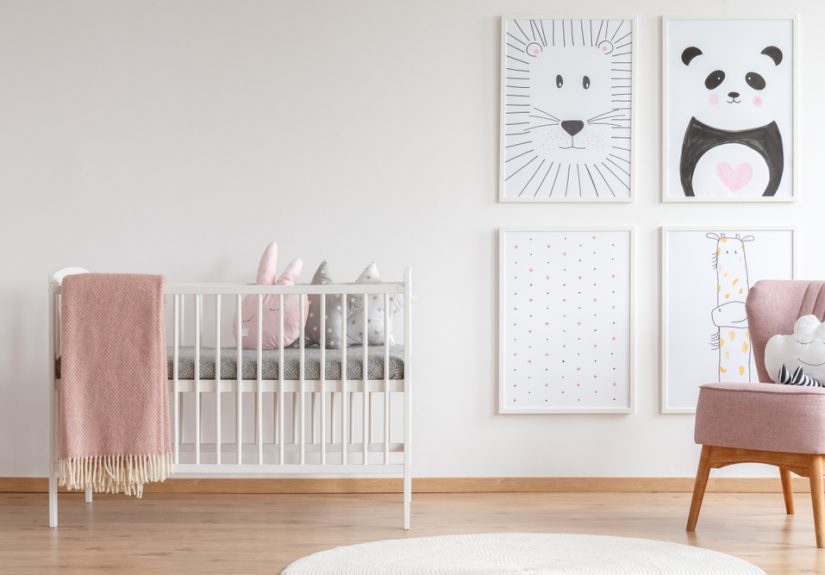
Many parents set up a nursery that looks like a magazine spreadpillows, quilts, stuffed animals lined up like tiny bedtime bodyguards. Then a pediatrician or hospital nurse says, “Actually, none of that goes in the crib.” The first reaction is usually disbelief (“But it’s cold!” “But bumpers prevent injuries!”). Families who adjust successfully often reframe the crib as a “sleep safety zone,” not a comfort décor project. Warmth comes from wearable blankets or sleep sacks, not loose blankets. Comfort comes from routine and caregiver presence, not extra padding. Over time, many parents say they grew to love how simple a safe crib looksless to wash, less to rearrange, fewer things to worry about.
Experience #3: Mixed messages from helpers.
A big friction point is inconsistency between caregivers. A grandparent might insist, “We put babies on their stomachs and you survived,” or a babysitter may add a blanket because “it feels wrong not to.” Families who reduce risk tend to communicate clearly and early: they share a one-page safe sleep rule list, demonstrate the setup, and explain that the guidance has changed because evidence improved. Some parents even keep a “safe sleep kit” (sleep sack, fitted sheets, portable play yard) for visits and travel, because unfamiliar homes are where improvisation creeps in.
Experience #4: Tech anxiety.
Modern parents are surrounded by products that promise peace of mind: wearable monitors, “breathable” mattresses, positioners, apps with graphs and alerts. A common experience is that the tech helps for a week… then starts driving everyone nuts with false alarms or obsessive checking. Clinicians often encourage parents to focus first on what has the strongest evidence: back sleeping, a firm flat surface, a bare sleep space, and room-sharing without bed-sharing. Some parents keep a monitor for convenience, but only after they’ve built the safer environmentso the gadget doesn’t become a substitute for the fundamentals.
Experience #5: Progress feels invisibleuntil it isn’t.
The families who stick with safe sleep habits often describe a slow shift: fewer “emergency naps,” fewer improvised sleep spots, and more confidence that baby can sleep in a separate space. The wins aren’t dramatic; they’re quiet. And that’s the point. Preventing tragedies rarely comes with fireworks. It comes with boring consistencydone by tired people who love their baby enough to choose “bare and flat” over “cozy and cluttered,” again and again.
Conclusion
Crib deaths haven’t vanished. But the evidence-backed steps that lowered deaths since the 1990s still matterand still work. If we want the number to keep falling, the path forward isn’t a miracle gadget. It’s clear guidance, safer products, consistent caregiver habits, and support for families so the safest choice is also the easiest choice.