Table of Contents >> Show >> Hide
- Why Boiling Artichokes Works
- What You Need
- How to Boil Artichokes in 12 Steps
- Step 1: Choose artichokes that feel heavy and fresh
- Step 2: Prep a bowl of lemon water
- Step 3: Rinse the artichokes well
- Step 4: Trim the stem
- Step 5: Slice off the top
- Step 6: Snip the leaf tips
- Step 7: Rub all cut surfaces with lemon
- Step 8: Season the cooking water
- Step 9: Add the artichokes and lower to a simmer
- Step 10: Keep them submerged and cook patiently
- Step 11: Test for doneness the smart way
- Step 12: Drain, rest, and serve
- How Long Should You Boil Artichokes?
- How to Eat a Boiled Artichoke
- Best Dips and Serving Ideas
- Common Mistakes to Avoid
- Can You Boil Artichokes Ahead of Time?
- Conclusion
- Real-World Kitchen Experience: What Boiling Artichokes Is Actually Like
- SEO Tags
Artichokes look like vegetables designed by a medieval architect: spiky, layered, dramatic, and just suspicious enough to make a home cook wonder whether takeout might be easier. But once you know how to boil artichokes properly, they stop being intimidating and start being one of the most satisfying things you can put on a plate. Leaf by leaf, dip by dip, you work your way toward the tender heart like a reward system invented by someone who really respected dinner.
This guide breaks the process into 12 clear steps, from choosing fresh artichokes to serving them without turning your kitchen into a leafy crime scene. You will also learn how long to cook them, how to test for doneness, what flavors work best, and the most common mistakes that turn a promising artichoke into a waterlogged disappointment.
If you have ever stood in the produce aisle staring at artichokes like they personally offended you, congratulations. You are exactly where you need to be.
Why Boiling Artichokes Works
Boiling is one of the easiest ways to cook whole artichokes because it is simple, forgiving, and ideal for beginners. You do not need fancy equipment, and you can flavor the cooking liquid with salt, lemon, garlic, bay leaves, or herbs. The goal is not to aggressively blast the vegetable into submission. The real trick is to bring the water to a boil, then let the artichokes cook at a steady simmer until the leaves loosen and the base becomes tender.
Boiled artichokes are perfect for dipping into melted butter, aioli, lemon mayo, herbed yogurt, or vinaigrette. They are also a great starting point for stuffing, grilling, or serving chilled the next day.
What You Need
- 4 whole globe artichokes
- 1 to 2 lemons
- Salt
- Optional aromatics: garlic cloves, bay leaves, peppercorns, parsley stems, or thyme
- A large pot with a lid
- Kitchen shears
- A chef’s knife or serrated knife
- Tongs or a slotted spoon
How to Boil Artichokes in 12 Steps
Step 1: Choose artichokes that feel heavy and fresh
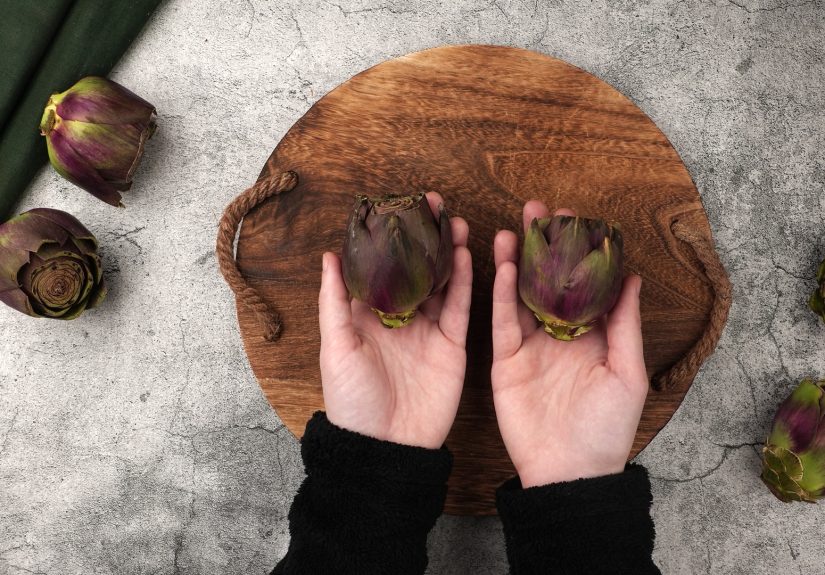
Start with artichokes that feel dense for their size and have tight, compact leaves. A fresh artichoke should look lively, not dried out, faded, or floppy. A little squeak when the leaves rub together is a good sign. Think of it as the vegetable equivalent of a firm handshake.
Step 2: Prep a bowl of lemon water
Before you start trimming, fill a large bowl with cold water and squeeze in lemon juice. Artichokes brown quickly once cut, so this simple step helps preserve their color. It also makes you look like someone who really has their act together in the kitchen.
Step 3: Rinse the artichokes well
Hold each artichoke under cold running water and gently spread the leaves with your fingers to wash out any grit hiding inside. Artichokes are layered, and those layers like to collect dirt the way bookshelves collect dust and mysterious paper clips.
Step 4: Trim the stem
Cut off the stem so the artichoke can sit flat, or leave about half an inch attached if you prefer. Do not toss the stem if it looks tender. Peeled artichoke stem is edible and delicious, with a flavor very similar to the heart. Wasting it would be a small but tragic kitchen crime.
Step 5: Slice off the top
Using a sharp knife, cut about 3/4 inch to 1 inch off the top of the artichoke. This removes the thorniest part of the leaves and helps the artichoke cook more evenly. The cut should be clean and confident. Hesitation is for horror movies, not vegetables.
Step 6: Snip the leaf tips
Use kitchen shears to trim the sharp tip from each outer leaf. This step is optional, but it makes the artichoke easier and nicer to eat, especially if you are serving guests. Nobody wants dinner to fight back.
Step 7: Rub all cut surfaces with lemon
Take a cut lemon half and rub it over the top and stem end of each trimmed artichoke. This slows oxidation and adds a subtle brightness. If you skip this, the artichokes may darken before they even hit the pot.
Step 8: Season the cooking water
Fill a large pot with enough water to come about halfway to two-thirds up the artichokes, depending on pot size. Add a generous amount of salt and any aromatics you like, such as lemon slices, garlic, bay leaves, or peppercorns. Bring the water to a boil. This is your chance to build flavor before the artichokes even begin cooking.
Step 9: Add the artichokes and lower to a simmer
Carefully place the artichokes into the boiling water, stem side down if possible. Once the water returns to a boil, reduce the heat to maintain a steady simmer. This is the part many people get wrong. The method is called boiling, but the best texture usually comes from simmering. A violent boil can rough up the outer leaves before the center is ready.
Step 10: Keep them submerged and cook patiently
Cover the pot and cook until tender. Small artichokes may take 20 to 30 minutes, medium ones about 30 to 40 minutes, and large artichokes 40 to 50 minutes. If they bob around like little green life rafts, place a heat-safe plate or smaller lid on top to keep them submerged. Check the water level once or twice and add more hot water if needed.
Step 11: Test for doneness the smart way
There are three reliable signs that boiled artichokes are ready. First, an outer leaf should pull away easily. Second, a knife or fork should slide into the base with little resistance. Third, the center should feel tender rather than stubborn. If the leaves still cling like they signed a lease, keep cooking.
Step 12: Drain, rest, and serve
Remove the artichokes from the pot with tongs or a slotted spoon and turn them upside down to drain. Let them rest for a few minutes so excess water can escape from between the leaves. Serve warm, room temperature, or chilled. For extra credit, offer dipping sauces and pretend this was all effortless.
How Long Should You Boil Artichokes?
The exact cooking time depends on size, age, and freshness. Younger artichokes often cook faster, while large, mature ones can take longer than expected. As a basic guide:
- Small artichokes: 20 to 30 minutes
- Medium artichokes: 30 to 40 minutes
- Large artichokes: 40 to 50 minutes
Use time as a guide, not a law. The real finish line is texture. If the leaves release easily and the base is tender, you are there.
How to Eat a Boiled Artichoke
If you are new to whole artichokes, here is the short version. Pull off one leaf at a time. Dip the fleshy base of the leaf into your sauce of choice. Then scrape the tender portion through your teeth. Repeat until you reach the pale inner leaves. Once you get to the fuzzy choke in the middle, scoop it out with a spoon and discard it. Underneath is the artichoke heart, which is the reason people get emotional about this vegetable.
Best Dips and Serving Ideas
Boiled artichokes are mild, earthy, and a little nutty, so they work well with bold, bright flavors. Here are a few excellent pairings:
- Melted butter with lemon: classic, rich, and impossible to hate
- Garlic aioli: creamy and punchy
- Lemon-herb yogurt: tangy and lighter
- Mustard vinaigrette: sharp enough to wake everything up
- Mayonnaise with hot sauce: not fancy, still fantastic
You can also chill boiled artichokes, halve them, remove the choke, and add them to salads, antipasto platters, or pasta dishes.
Common Mistakes to Avoid
Using artichokes that are old or dried out
If the vegetable was tired before it reached your kitchen, your results will be tired too. Freshness matters more than people think.
Skipping the lemon
Without lemon water or a quick rub of lemon on cut surfaces, artichokes discolor quickly. The flavor will still be fine, but the appearance can go from appetizing to oddly swampy.
Cooking at a hard boil the whole time
A steady simmer is gentler and more reliable. Think spa day, not demolition derby.
Not salting the water
Unsalted water leads to bland artichokes, which is especially sad when you spent all that time trimming leaf spikes like a tiny produce barber.
Not draining them upside down
Water trapped between the leaves can dilute dips and make the final result seem soggy. A short draining rest makes a big difference.
Can You Boil Artichokes Ahead of Time?
Yes. Boiled artichokes are excellent for make-ahead prep. Let them cool completely, then refrigerate them in an airtight container. They can be served cold, brought back to room temperature, or gently reheated. This makes them a smart choice for entertaining, picnics, spring dinners, and any situation where you want to look organized without doing everything at the last second.
Conclusion
Learning how to boil artichokes is one of those small kitchen skills that feels bigger than it is. At first, the vegetable looks complicated. Then you trim a little, simmer a little, dip a leaf in something delicious, and suddenly the whole thing makes perfect sense. The secret is not fancy technique. It is patience, seasoning, and knowing what doneness actually looks like.
Once you master these 12 steps, boiled artichokes become less of a culinary puzzle and more of a repeatable favorite. They are great for spring dinners, dinner parties, lazy weekends, or any night when you want food that feels both comforting and a little theatrical. Because honestly, any vegetable that makes you work leaf by leaf toward a buttery center deserves a little applause.
Real-World Kitchen Experience: What Boiling Artichokes Is Actually Like
For many home cooks, the first experience with boiling artichokes is not elegant. It is cautious, slightly suspicious, and full of questions like, “Am I supposed to be cutting this much off?” and “Why does this vegetable look like it belongs in a castle moat?” That is normal. Artichokes have a learning curve, but it is a short one. Once you cook them once or twice, the mystery fades fast.
The most common early experience is overthinking the prep. People tend to assume every leaf must be perfectly trimmed and every edge must look restaurant-ready. In reality, a basic trim is usually enough for whole boiled artichokes. Cut the top, trim the stem, snip the sharp points if you want a cleaner presentation, and move on. The artichoke does not need cosmetic surgery. It just needs a little tidying and enough time in seasoned water.
Another very common experience is undercooking the first batch. This happens because the outside starts to look soft before the center is actually tender. A beginner pulls one leaf, meets resistance, gets nervous, and either keeps guessing or serves too early. Over time, cooks learn to trust texture instead of panic. The base should yield to a knife. The leaves should release without a wrestling match. Once you understand those signs, timing becomes much easier.
There is also the funny surprise that boiling artichokes feels more social than many vegetables. You do not usually sit around a table and ceremoniously peel a carrot leaf by leaf. Artichokes invite people to slow down, dip, scrape, compare sauces, and argue over who gets the heart. They turn dinner into an activity, which is part of their charm. Even people who claim they are “too much work” often become suspiciously enthusiastic once the melted butter appears.
Many cooks also discover that their preferences change with experience. At first, plain melted butter may seem like the obvious best partner. Later, you might lean toward lemon aioli, mustard vinaigrette, or garlicky yogurt sauce because the richer, earthier flavor of the artichoke can handle brighter, sharper contrasts. What starts as a simple boiled vegetable often becomes a platform for experimentation.
Perhaps the most useful real-world lesson is that artichokes reward patience more than perfection. They do not need to look flawless. They do not need a complicated recipe. They just need enough water, enough seasoning, and enough time. Once you accept that, the whole process becomes calmer and much more enjoyable. The leaves soften, the center turns tender, and the kitchen starts to smell faintly lemony and hopeful.
That is why so many cooks return to boiled artichokes even after trying roasted, grilled, or stuffed versions. Boiling is simple, reliable, and comforting. It lets the vegetable stay itself. And when you finally reach that soft, meaty heart after working through the leaves, the experience feels oddly satisfying every single time. It is half dinner, half ritual, and completely worth learning.