Table of Contents >> Show >> Hide
- What “Water Retention” Actually Means
- Common Symptoms of Water Retention
- Why It Happens: The Most Common Causes
- Red Flags: When Swelling Needs Urgent Medical Care
- At-Home Remedies That Actually Help
- Medical Evaluation: What a Clinician Might Check
- Prevention Tips If You’re Prone to Water Retention
- Experiences People Commonly Report
- Conclusion
Ever wake up with “pillow face,” struggle to remove a ring that fit yesterday, or feel like your ankles are auditioning
for a role as tiny water balloons? That’s water retentionalso called fluid retentionand it’s incredibly common.
Sometimes it’s harmless (hello, salty takeout + long day sitting). Other times, swelling is your body’s way of waving a
neon sign that says, “Please investigate me.”
This guide breaks down what water retention actually is, the symptoms to watch for, the most common causes, remedies that
genuinely help, and when it’s time to stop Googling and call a healthcare professional.
What “Water Retention” Actually Means
Water retention happens when extra fluid builds up in your body’s tissues. The medical word you’ll often see is
edema. Edema can show up almost anywhere, but gravity loves a dramatic entranceso swelling is especially
noticeable in feet, ankles, and lower legs.
Your body constantly moves fluid between blood vessels and tissues. When that balance is offbecause of salt intake,
hormones, prolonged sitting or standing, certain medications, or problems with your heart, kidneys, veins, lymph system,
or liverfluid can hang around in tissues longer than it should.
Common Symptoms of Water Retention
Typical signs you might notice
- Swelling in the feet, ankles, legs, hands, or face
- Tightness in shoes, socks, rings, watches, or waistbands
- Puffy skin that looks stretched or shiny
- Pitting (press a finger into swollen skin and it leaves a dent for a few seconds)
- Sudden weight changes over a day or two that feel “watery,” not like true fat gain
- Bloating or a heavy, uncomfortable feeling in limbs
Where swelling shows up can offer clues
Water retention isn’t a one-size-fits-all situation. Pattern matters:
- Both ankles/feet after a long day standing or sitting can be fairly common.
- One leg swellingespecially with pain, warmth, or color changesneeds prompt medical attention.
- Swelling plus shortness of breath can be a sign of fluid overload affecting the lungs or heart.
- Abdominal swelling with rapid waist expansion can be linked to fluid buildup in the belly.
Why It Happens: The Most Common Causes
Think of causes in “buckets.” Some are lifestyle-related and temporary. Others are medication- or condition-related and
deserve a closer look.
1) Everyday or temporary triggers
- High-sodium meals: Salt pulls water into the bloodstream and tissues. Packaged and restaurant foods are major culprits.
- Heat and humidity: Blood vessels can widen, and fluid can shift into tissues more easily.
- Prolonged sitting or standing: Less muscle pumping means fluid can pool in the legs.
- Hormonal changes: Many people notice swelling around their menstrual cycle.
- Pregnancy: Mild swelling can be common, but certain patterns (sudden or severe swelling, headaches, vision changes) can be concerning.
- Sunburn or inflammation: Local swelling is part of the body’s repair process.
2) Medication-related water retention
Some medications can encourage fluid retention or cause swelling as a side effect. Common categories include certain
blood pressure meds (notably some calcium channel blockers), anti-inflammatory drugs, and hormone-related medications.
If swelling starts after a new medication or dose change, don’t “tough it out”tell your clinician. Sometimes the fix is
as simple as adjusting the dose or switching medications.
3) Veins, circulation, and blood clots
-
Venous insufficiency: When leg veins struggle to return blood upward, fluid can leak into nearby tissues,
leading to chronic lower-leg swelling. -
Deep vein thrombosis (DVT): A blood clot can cause swellingoften on one sidewith pain, warmth, redness,
or discoloration. This is time-sensitive.
4) Lymphatic system issues (lymphedema)
Your lymphatic system helps drain extra fluid from tissues. If it’s blocked or damagedsometimes after surgery,
cancer treatment, injury, or infectionfluid can build up and cause persistent swelling, often in an arm or leg.
5) Heart, kidney, and liver conditions
These are the “don’t-ignore-me” causes. They don’t mean swelling automatically equals serious diseasebut they do mean
persistent, worsening, or unexplained edema deserves evaluation.
- Heart failure: When the heart can’t pump efficiently, fluid can back up and collect in tissues.
- Kidney disease: Kidneys help balance salt and fluid. If they’re not working well, fluid can accumulate.
- Liver disease: Cirrhosis can change pressures in blood vessels and affect fluid balance, leading to leg swelling and abdominal fluid (ascites).
Red Flags: When Swelling Needs Urgent Medical Care
Water retention is often benignbut certain symptoms should move you from “home remedies” to “get checked now.”
- Sudden swelling in one leg or arm, especially with pain, warmth, redness, or discoloration
- Shortness of breath, chest pain, or trouble breathing
- Swelling with fainting, confusion, or severe weakness
- Rapid weight gain over a day or two with swelling and breathing changes
- New swelling if you have heart, kidney, or liver disease (or you suspect you might)
At-Home Remedies That Actually Help
Let’s focus on strategies with real-world payoffnot “drink one gallon of celery water under a full moon.”
1) Reduce sodium (without making food depressing)
Sodium is a major driver of fluid retention. A practical target for many adults is staying under
2,300 mg/day (and some people aim closer to 1,500 mg/day, depending on health needs).
The sneaky part: most sodium comes from packaged, prepared, and restaurant foodsnot your salt shaker.
- Choose “no-salt-added” or “low sodium” options when possible.
- Rinse canned beans/vegetables to wash off some sodium.
- Use flavor boosters like lemon, vinegar, garlic, herbs, and spice blends (check labelssome blends are salt bombs).
2) Move your body to help fluid “re-route”
Muscles act like pumps. When you walk, flex your calves, or do gentle leg exercises, you help push fluid back toward the
heart. If you’re at a desk, try a mini routine every hour:
- 20 ankle circles each direction
- 10–15 calf raises
- A brisk 2–5 minute walk (even a hallway lap counts)
3) Elevate and decompress
If swelling is in your legs, elevating them above heart level can help reduce pooling. Think: couch time with pillows,
not “feet on coffee table while doomscrolling” (close, but aim higher).
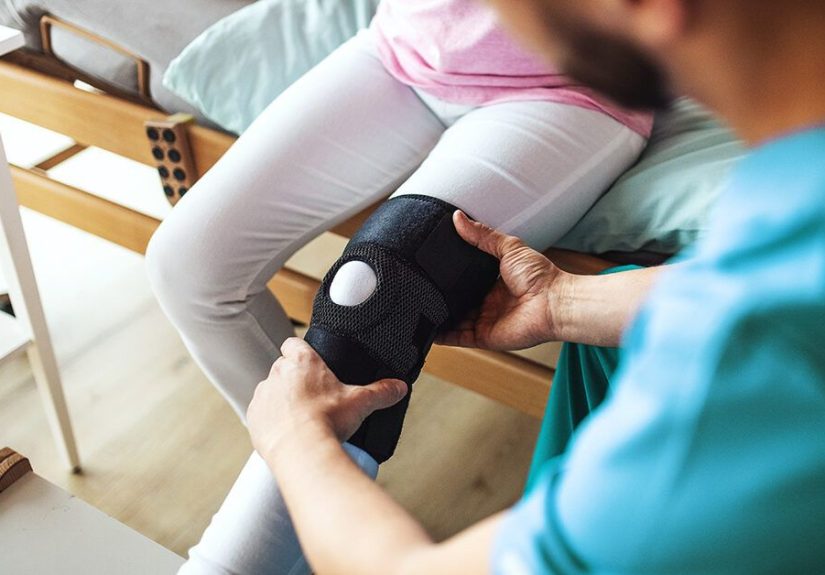
4) Compression stockings (when appropriate)
Compression garments can help some people with leg swellingespecially when venous issues contribute. Fit matters, and not
everyone should use them (for example, certain arterial circulation problems need caution). If swelling is frequent, ask
a clinician which type and compression level makes sense.
5) Hydration: yes, it still matters
It sounds backwards, but dehydration can encourage your body to hold onto water. Regular hydration supports normal fluid
balance. The exception: some people with advanced kidney disease or heart failure may need fluid limitsso follow your
clinician’s guidance if you have those conditions.
6) Check your routine triggers
- Alcohol: Can worsen dehydration and disrupt fluid balance.
- Long travel days: Stand up, walk, and stretch regularly.
- Heat exposure: Take breaks, cool down, and prioritize fluids.
- Medication timing: If swelling correlates with a new prescription, bring it up.
7) Be smart with supplements and “water pills”
Over-the-counter diuretics and supplements are not automatically safeespecially if you have kidney issues, take heart
medications, or are at risk for electrolyte imbalances. If you’re considering magnesium for premenstrual water retention
or any diuretic-like supplement, discuss it with a professional first.
Medical Evaluation: What a Clinician Might Check
If swelling is persistent, worsening, painful, one-sided, or accompanied by other symptoms, medical evaluation is worth it.
The goal is to identify whether the issue is local (like veins/lymph) or systemic (heart, kidney, liver, endocrine).
Common questions you may be asked
- When did swelling startsuddenly or gradually?
- Is it one-sided or both sides?
- Does it improve overnight or with elevation?
- Any new medications, travel, injuries, or recent illness?
- Any shortness of breath, chest symptoms, or changes in urination?
Tests that may be used (depending on your symptoms)
Workups vary, but clinicians often use blood and urine tests to assess kidney function, liver function, thyroid status,
and markers that can help evaluate heart strain. Imaging (like ultrasound) may be used when vein issues or clots are suspected.
Medical treatment options
- Treating the underlying condition: The most effective “fix” is usually addressing the root cause.
- Prescription diuretics (“water pills”): Helpful in some cases, but not a DIY toolthese can affect electrolytes and blood pressure.
- Targeted care for veins/lymph: Compression therapy, physical therapy for lymphedema, and other interventions may help.
- For abdominal fluid (ascites): Management may include sodium restriction and condition-specific treatment guided by a specialist.
Prevention Tips If You’re Prone to Water Retention
- Make low-sodium swaps your default (not your temporary punishment).
- Move frequently on workdaysset a timer if needed.
- Prioritize sleep and manage stress (your hormones notice everything).
- Track patterns around your cycle, travel, heat, workouts, and meals.
- Review medications with your clinician if swelling is new or worsening.
- Seek evaluation if swelling is persistent, one-sided, or paired with other symptoms.
Experiences People Commonly Report
Water retention doesn’t just show up on a lab reportit shows up in real life, in annoyingly specific ways. Here are a few
common experiences people share, along with the practical “what I wish I’d known sooner” takeaways.
“My ankles balloon after a long day at my desk.”
This is a classic. When you sit for hours, your calf muscles aren’t doing their usual job of helping push fluid upward.
By late afternoon, gravity wins, and your socks may leave deep impressions like your ankles have been wearing tiny
rubber bands. People often notice this improves overnight (a helpful clue that it’s related to pooling rather than
something more systemic).
What tends to help: standing up once an hour, adding short walks, doing calf raises while brushing your teeth, and elevating
legs after work. Some people also find compression socks useful on high-sitting daysespecially during travel.
“I eat salty food and wake up puffy everywhere.”
Many people can trace a puffy morning directly back to a sodium-heavy dinnerthink pizza, ramen, deli sandwiches, or
restaurant meals (which can be sneaky-salty even when they don’t taste like seawater). The puffiness can show up in the
face, fingers, and midsection as your body holds onto extra fluid.
What tends to help: balancing the next day with lower-sodium meals, emphasizing whole foods, and drinking fluids normally
(not aggressively forcing water, just steady hydration). A short walk can also help circulation and fluid shifting.
“My rings don’t fit around my period.”
Hormonal changes can affect fluid balance, and premenstrual water retention is a real thingoften described as “my body
is temporarily borrowing someone else’s hands.” People report breast tenderness, bloating, and swelling in fingers or ankles.
It’s frustrating because it’s predictable, but not always avoidable.
What tends to help: keeping sodium in check during the days you’re most prone, prioritizing sleep, and staying active.
Some people ask their clinician about magnesium or other approaches, especially if symptoms are disruptive.
“I started a new medication and suddenly my feet swell.”
This experience is more common than many people realize. Certain medications can trigger swelling, and it may happen
days to weeks after starting (or increasing) a dose. People often describe the swelling as symmetrical (both ankles),
persistent through the day, and not fully fixed by “just drinking more water.”
What tends to help: contacting the prescribing clinician rather than self-adjusting the medication. The solution may be a
dose change or a different medicationespecially if the swelling is uncomfortable or getting worse.
“My swelling came with fatigue, foamy urine, or shortness of breath.”
This is the category where people frequently say, “I thought it was just water retention… until it wasn’t.” When swelling
shows up alongside symptoms like unusual fatigue, breathing changes, high blood pressure, or changes in urination (including
foamy urine), it can point to a medical issue that needs evaluationespecially related to the heart or kidneys.
What tends to help: getting checked sooner rather than later. People often report feeling relieved once they have an explanation
(and a plan), because vague swelling can be strangely stressfullike a mystery novel where the villain is… sodium, or maybe
something more.
Bottom line: your body gives context clues. The more clearly you can describe the patternwhen it happens, where it happens,
what makes it better or worsethe faster you and your clinician can narrow down what’s going on.
Conclusion
Water retention is common, and in many cases it’s tied to everyday factors like sodium intake, heat, hormones, or long
periods of sitting or standing. But persistent, worsening, one-sided, or symptom-heavy swelling deserves medical attention
because fluid retention can also be linked to medication side effects, vein or lymph issues, or conditions involving the
heart, kidneys, or liver.
The best approach is a balanced one: use practical remedies like reducing sodium, moving more, elevating swollen limbs,
and considering compression when appropriatewhile also knowing your red flags. If your body is trying to tell you something,
you don’t have to decode it alone.