Table of Contents >> Show >> Hide
- Why a Balcony Salad Garden Works So Well
- Start With a Balcony Reality Check
- Choose the Right Containers
- Use Potting Mix, Not Garden Soil
- What to Grow for Fresh, Reliable Balcony Salads
- How to Plant Your Balcony Salad Garden
- How to Keep It Growing
- Common Balcony Salad Garden Mistakes
- How to Harvest for an Ongoing Salad Supply
- A Simple Balcony Salad Garden Plan for Beginners
- Conclusion
- Balcony Salad Garden Experiences and Lessons Learned
If your idea of “homesteading” is growing lunch three feet from your patio chair, good news: a balcony salad garden is one of the easiest, smartest, and most satisfying ways to grow food in a small space. You do not need a backyard, a tractor, or a mysterious gardening gene passed down from your grandmother. You need a few containers, decent light, a solid potting mix, and the willingness to water things before they start acting dramatic.
The beauty of a balcony salad garden is that salad crops are made for small-space growing. Lettuce, arugula, spinach, baby kale, chard, parsley, cilantro, chives, and even radishes are fast, productive, and perfectly happy in containers when their basic needs are met. Many of them are also “cut-and-come-again” crops, which is gardener language for “harvest a little now and keep bragging later.”
In this guide, you will learn how to build a balcony salad garden from scratch, choose the best containers and crops, avoid common beginner mistakes, and keep the harvest going for as long as the weather cooperates. Whether your balcony is sunny, breezy, shady, tiny, or suspiciously pigeon-popular, you can still grow a fresh, leafy, crunch-filled salad setup that earns its rent.
Why a Balcony Salad Garden Works So Well
A salad garden is the gateway garden for a reason. Leafy greens and herbs do not need massive root zones, most grow quickly, and several tolerate partial shade better than fruiting crops like tomatoes and peppers. That matters on balconies, where light can be limited by walls, railings, and neighboring buildings.
Salad crops also give quick rewards. You can sow arugula and leaf lettuce and start harvesting baby leaves in a matter of weeks. Radishes can move from seed to plate fast enough to make you feel like a gardening genius. Herbs such as parsley, chives, and cilantro stretch the value of every pot by turning plain greens into a meal that feels intentional rather than accidental.
Best of all, container gardening keeps the whole project manageable. No tilling. Fewer weeds. Less bending. Less space wasted. It is gardening for people who want fresh food without entering a lifelong feud with crabgrass.
Start With a Balcony Reality Check
Figure Out Your Light
Before you buy seeds, spend a few days observing how much direct sun your balcony actually gets. Not how much sun you feel emotionally connected to. The real kind. Most vegetables prefer at least six hours of direct sunlight, but leafy greens and many herbs can still perform reasonably well with less than fruiting crops.
If your balcony gets around three to five hours of direct light, you can still grow looseleaf lettuce, arugula, spinach, baby kale, parsley, cilantro, mint, and chives. With six or more hours, your options widen and your yields usually improve. In hot weather, a little afternoon shade can actually help keep greens from turning bitter or bolting too quickly.
Notice Wind, Heat, and Access to Water
Balconies often create mini weather systems. Wind bounces off buildings, containers heat up faster above concrete, and railings can dry plants out in a hurry. If your balcony is windy, leafy greens may wilt, shred, or dry out faster than expected. Plan for heavier pots, grouped containers, or a simple windbreak. If your balcony gets blazing afternoon heat, expect cool-season greens to need more water and occasional shade protection.
Also, be honest about water access. If filling a watering can feels like a cardio event, simplify your setup. Keep the first season small. A garden you can maintain beats a giant plant hospice.
Check Balcony Rules and Weight Limits
If you rent, review building rules before turning your balcony into a produce department. Large ceramic pots full of wet soil are heavy, and drainage water can annoy neighbors below. Choose lightweight containers when possible, use saucers carefully, and empty standing water after watering so roots do not sit in soggy conditions.
Choose the Right Containers
Best Container Sizes for Salad Crops
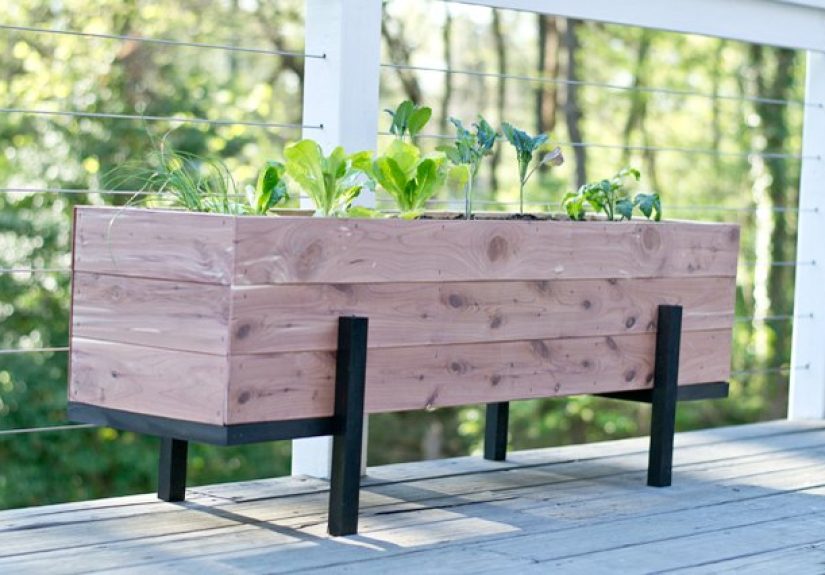
For leafy greens, wider containers are often more useful than deep ones. Window boxes, trough planters, fabric grow bags, and medium nursery pots all work well. As a practical rule, shallow-rooted crops like lettuce, scallions, and radishes can grow in containers with roughly 6 to 8 inches of potting mix. Crops with longer roots, such as carrots, need deeper containers.
Here is a simple balcony-friendly setup:
- One 24-inch window box for mixed lettuces and arugula
- One medium round pot for spinach or baby kale
- Two or three small herb pots for parsley, cilantro, and chives
- One deeper container for radishes or baby carrots
That modest setup can produce a surprising amount of salad over a season, especially if you plant in succession.
Drainage Is Not Optional
Every container needs drainage holes. Every single one. Decorative pots without drainage may look charming, but roots do not enjoy surprise swimming lessons. Good drainage helps prevent root rot, lets excess salts wash out, and gives you a margin of error when you water generously.
If you fall in love with a container that has no holes, use it as an outer cachepot and keep the plant in a plastic nursery pot inside it. Elevating pots slightly can also improve drainage and airflow.
Use Potting Mix, Not Garden Soil
This is one of the biggest container gardening rules: do not fill pots with dirt from the yard. Garden soil is usually too dense for containers. It compacts easily, drains poorly, and can smother roots. Use a high-quality potting mix or soilless mix instead. It should feel light, hold moisture without becoming swampy, and drain well enough that water moves through the container rather than camping out forever.
You can boost a potting mix with compost, but do not overdo it. Too much can make the mix heavy or overly rich. For herbs that like extra drainage, a blend with perlite works especially well. Fill containers to about an inch below the rim so you have space to water without creating a muddy balcony waterfall.
What to Grow for Fresh, Reliable Balcony Salads
Fast Leafy Greens
For a productive balcony salad garden, build around crops that are quick, forgiving, and tasty. Great choices include leaf lettuce, romaine baby leaves, arugula, spinach, mesclun mixes, baby kale, Swiss chard, mustard greens, and bok choy. Looseleaf types are especially useful because you can harvest outer leaves and let the plant continue growing.
Herbs That Earn Their Keep
Herbs bring flavor, structure, and a smug sense of culinary competence. Parsley, cilantro, chives, basil, thyme, oregano, and dill are excellent container herbs. For a salad-focused balcony, parsley, chives, and cilantro are especially useful because they fit naturally into everyday meals. Keep mint in its own pot unless you enjoy watching one plant audition for world domination.
Crunchy Extras
Radishes are a smart addition because they grow fast and bring texture to salads. Scallions, baby beets, and compact carrots can also work in the right containers. If you want a little edible drama, nasturtiums add colorful flowers and peppery leaves while trailing beautifully over container edges.
How to Plant Your Balcony Salad Garden
Seeds vs. Transplants
Most salad crops are easy to grow from seed, and seeds are the most affordable way to fill a balcony garden. Lettuce, arugula, spinach, cilantro, radishes, and mesclun mixes are all beginner-friendly. Herbs like parsley can be slower from seed, so buying a transplant can save time if patience is not your signature trait.
Sow seeds according to packet depth recommendations, then water gently so you do not blast them into a tiny dirt cyclone. Once seedlings emerge, thin them so the remaining plants have space to grow. Yes, thinning feels rude. It is still necessary.
A Smart Planting Formula
One easy way to build a salad garden is to combine three types of crops:
- A fast grower such as arugula or baby lettuce
- A steady producer such as chard, parsley, or kale
- A flavor booster such as chives, cilantro, or dill
For example, plant a window box with leaf lettuce and arugula, a medium pot with Swiss chard, and a smaller pot with parsley and chives. Add a second sowing of lettuce two weeks later, and you have already started succession planting like a pro.
How to Keep It Growing
Water Consistently
Containers dry out faster than in-ground beds. On a balcony, they can dry out a lot faster. Check moisture daily, especially during warm or windy weather. Water thoroughly until excess water drains out the bottom. The goal is even moisture, not a cycle of drought followed by a flood.
When greens dry out badly, they often become tougher, more bitter, or more likely to bolt. Small containers may need water every day in hot conditions. Larger containers buy you more forgiveness, which is one reason they are worth using.
Feed Lightly but Regularly
Because watering gradually washes nutrients out of potting mix, container vegetables need regular feeding. A slow-release fertilizer mixed in at planting is a simple start. After that, use a diluted liquid fertilizer according to label directions during active growth. Herbs generally prefer lighter feeding than heavy-feeding vegetables, so do not get carried away. This is salad, not a bodybuilding program.
Use Succession Planting
The secret to a long harvest is not planting everything at once and then wondering why your balcony became a lettuce emergency. Sow small batches of lettuce, arugula, spinach, and radishes every one to two weeks during suitable weather. When one container finishes, refresh the potting mix if needed and replant.
As seasons change, swap crops. Cool spring lettuce can give way to basil in summer. In early fall, basil can step aside and let spinach or cilantro take the stage. A balcony garden does not need to be static. It can rotate like a tiny edible theater company.
Protect Against Heat, Wind, and Cold
Cool-season greens prefer milder weather. In hot spells, provide afternoon shade if possible and keep watering consistent. In windy conditions, cluster pots together so they shelter one another. In shoulder seasons, a lightweight row cover, cloche, or temporary cover can help extend the harvest and protect tender leaves from chill and rough weather.
Common Balcony Salad Garden Mistakes
- Using containers without drainage holes
- Filling pots with garden soil instead of potting mix
- Trying to grow too much in containers that are too small
- Ignoring wind and heat reflected from walls or concrete
- Letting greens dry out, then overwatering in panic
- Planting all the lettuce at once instead of in succession
- Growing mint with polite, non-invasive neighbors
Most balcony garden failures are not mysterious. They are usually a combination of poor drainage, inconsistent watering, weak light, or unrealistic expectations. Fix those four things, and your odds improve dramatically.
How to Harvest for an Ongoing Salad Supply
For looseleaf greens, harvest outer leaves first and leave the center growing. This cut-and-come-again method keeps plants productive longer. Baby leaves can be snipped with clean scissors, while larger leaves can be cut or pinched by hand. Herbs should also be harvested regularly to keep plants full and productive.
Try to harvest in the cooler part of the day when leaves are crispest. Wash greens gently, dry them well, and refrigerate them if you are not using them immediately. Nothing feels fancier than opening your fridge and seeing a salad you grew yourself, even if your garden is technically the size of a yoga mat.
A Simple Balcony Salad Garden Plan for Beginners
If you want a no-fuss starter layout, try this:
Container 1: Salad Box
Plant looseleaf lettuce, arugula, and a few radishes in a wide window box.
Container 2: Greens Pot
Plant spinach or baby kale in a medium container with room for repeat harvests.
Container 3: Herb Pot
Plant parsley and chives together, or keep cilantro on its own if you use it often.
Container 4: Bonus Flavor
Add basil for warm weather or nasturtiums for edible flowers and trailing color.
This setup gives you texture, flavor, and flexibility without turning your balcony into a maze of buckets.
Conclusion
Building a balcony salad garden is less about perfection and more about smart, repeatable habits. Give your plants enough light, use containers with drainage, fill them with quality potting mix, water consistently, and grow crops that actually fit the space. Start small, plant in succession, and harvest often. That is the whole game.
The best part is not just the food. It is the rhythm of it. Checking seedlings with your morning coffee. Snipping herbs before dinner. Watching a plain balcony become useful, beautiful, and oddly calming. A salad garden may be modest, but it changes the space around it. Suddenly your balcony is not just an outdoor ledge. It is where lunch begins.
Balcony Salad Garden Experiences and Lessons Learned
One of the most common experiences people have with a balcony salad garden is that the first version is usually too ambitious. A beginner starts with dreams of endless Caesar salads, then fills every corner with pots, seed packets, and confidence. Two weeks later, the balcony looks amazing, but watering takes forever, one pot is drying out twice as fast as the others, and cilantro is already acting like it has personal issues. The lesson comes quickly: smaller, better-managed gardens almost always outperform oversized ones.
Another common experience is discovering that balconies are not neutral growing spaces. They are weird little climates. A balcony that seemed “pretty sunny” in April may become a blazing heat trap in July. A breezy upper-floor balcony can make tender lettuce wilt by lunchtime even when the potting mix looked moist that morning. Many growers learn to stop treating seed packets as prophecy and start treating them as guidelines. Observation matters. The best balcony gardeners notice when the railing reflects heat, when afternoon shade arrives, and which corner stays calmer on windy days.
People also learn that container size changes everything. Tiny cute pots are great for photos and terrible for reliability. Bigger containers stay moist longer, buffer roots against heat, and forgive missed waterings. That realization often marks the turning point between “I tried gardening once” and “I actually grow food now.” A deep, wide container is not glamorous, but it is the kind of quiet support system that makes leafy greens thrive instead of sulk.
There is also the harvest lesson. New gardeners often wait too long, expecting every plant to look like a grocery store version of itself. Then the lettuce gets oversized, the arugula gets stronger, and the radishes become little underground plot twists. Balcony salad gardening works better when you harvest earlier and more often. Snipping baby leaves, taking outer leaves, and using herbs regularly keeps plants productive and keeps the gardener connected to the routine. In other words, the garden rewards people who show up.
Perhaps the best experience of all is how quickly the garden becomes part of daily life. A pot of parsley by the door turns into a habit. A bowl of homegrown lettuce makes dinner feel fresher. Even people who start gardening for practical reasons often keep going because of the atmosphere it creates. The balcony becomes greener, softer, and more personal. You begin noticing weather differently. You start caring about morning light, spring temperatures, and whether tonight might be windy. It is a small-space garden, but it quietly changes how you move through the day.
That is why balcony salad gardens tend to stick. They are useful enough to save money here and there, simple enough to fit busy schedules, and rewarding enough to feel bigger than they are. You may begin with lettuce because it is easy, but you stay because growing even a little food on a balcony feels surprisingly good. It is practical, yes. It is also a little magical. Not movie-magic. More like “I just made lunch from four pots and a railing planter” magic. Which, honestly, is the best kind.