Table of Contents >> Show >> Hide
- Why Sealing Drafts is Important
- 1. Inspect Windows and Doors
- 2. Look at Electrical Outlets
- 3. Inspect Your Attic
- 4. Examine Vents and Ductwork
- 5. Check for Gaps Around Plumbing
- 6. Look at the Basement and Crawl Spaces
- 7. Check the Chimney
- 8. Inspect the Floor
- Experience and Tips from Homeowners
- Conclusion: Draft-Free Comfort Awaits!
As the cold weather approaches, ensuring your home stays warm and energy-efficient is essential. One of the most common culprits of energy loss during winter is drafts. These sneaky gaps allow cold air to enter your home and warm air to escape, resulting in higher heating costs and less comfort. Fortunately, with a bit of attention, you can find and seal these drafts to keep your home cozy. In this article, we’ll walk you through how to check your home for drafts and identify 8 common gaps to seal ahead of cold weather.
Why Sealing Drafts is Important
Before diving into the “how-to” of finding drafts, it’s important to understand why sealing them matters. According to the U.S. Department of Energy, drafts can account for up to 30% of a home’s energy loss. By sealing these gaps, you can reduce your heating bills, improve indoor comfort, and even reduce your carbon footprint. It’s a win-win situation, and best of all, it doesn’t require a major overhaul of your home.
1. Inspect Windows and Doors
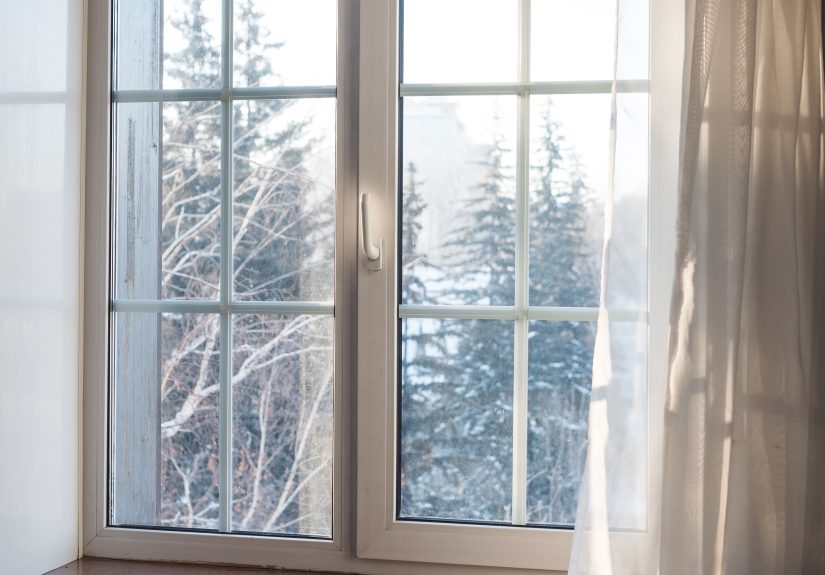
The first place to look when checking for drafts is your windows and doors. These are the most common sources of air leaks in homes. Inspect both interior and exterior sides of the windows and doors for visible gaps, cracks, or damaged weather stripping.
- Windows: Check around the window frame for any gaps. If you can feel cold air coming through, it may be time to reseal or replace the weather stripping. Also, consider applying window insulation film or even replacing old windows with more energy-efficient models.
- Doors: Examine the edges of your doors. If the door doesn’t close tightly, you may need to adjust the hinges, replace the weather stripping, or add a door sweep to seal the gap between the door and the floor.
2. Look at Electrical Outlets
Electrical outlets, especially those on exterior walls, can be a major source of drafts. Air can seep through cracks around the outlet covers. To check, hold your hand near the outlet to see if you can feel air moving. If you do, it’s time to seal these gaps.
- For a quick fix, use outlet sealers or foam gaskets behind the cover plates. This inexpensive solution can significantly reduce drafts.
3. Inspect Your Attic
The attic is another area where drafts can sneak in. Check for any cracks or gaps in the attic insulation. If you notice any spaces where the insulation is missing or compressed, air can enter your home. Sealing these gaps with spray foam or adding more insulation will help keep your home warm.
4. Examine Vents and Ductwork
Vents and ducts are often overlooked when checking for drafts, but they can be a significant source of air leaks. Examine your heating and cooling vents for any cracks or gaps in the ductwork. If your ducts are not properly sealed, warm air can escape before it reaches the rooms in your home.
- Use mastic sealant or foil tape to seal any visible gaps in the ducts. For a more thorough fix, consider hiring a professional to inspect your HVAC system.
5. Check for Gaps Around Plumbing
Plumbing pipes that enter or exit your home can be another entry point for drafts. Check around areas where pipes go through the walls, floors, or ceilings. Even small gaps around these pipes can lead to significant drafts, especially in areas like basements, kitchens, and bathrooms.
- Seal these gaps with caulk or spray foam insulation. Be sure to use a product that’s safe for plumbing applications to prevent any damage to pipes or the surrounding area.
6. Look at the Basement and Crawl Spaces
Drafts in the basement or crawl space are often caused by cracks in the foundation or gaps around vents. It’s important to inspect these areas for any signs of air leaks, especially during the winter months when cold air can seep in.
- Seal foundation cracks with hydraulic cement or epoxy. You can also insulate crawl space vents with foam boards or weatherstripping to keep the cold air out.
7. Check the Chimney
If you have a fireplace, the chimney can be a major source of drafts, even when you’re not using it. Cold air can flow down the chimney into your living room, especially if the damper isn’t sealed tightly when closed.
- Consider installing a chimney cap that has a damper to keep cold air from entering. Alternatively, you can use a chimney plug or draft stopper when the fireplace is not in use.
8. Inspect the Floor
Last but not least, don’t forget to check your floors for drafts. Air can seep through cracks in hardwood floors or around baseboards. If your flooring isn’t tightly sealed to the walls, you may notice a drop in temperature, especially near exterior walls.
- For wooden floors, use caulk or weatherstripping around the edges. For baseboards, apply caulk or foam backer rods to seal any gaps between the wall and the floor.
Experience and Tips from Homeowners
Over the years, many homeowners have learned the hard way that draft-proofing is not just a one-time task but an ongoing project. For instance, one homeowner, Sarah, mentioned that while checking for drafts in her home, she discovered several hidden spots in her attic where insulation had shifted over time. After resealing these gaps and adding more insulation, her heating bill decreased significantly during the following winter. It was a relatively simple fix, but it made a world of difference in terms of energy efficiency.
Another homeowner, John, noted that sealing his window drafts with weatherstripping was a relatively inexpensive yet effective way to improve comfort in his home. He also mentioned that the installation of a new door sweep made his entryway much warmer during cold months. These simple fixes not only helped him feel more comfortable but also gave him peace of mind knowing his energy usage was lower.
From these experiences, it’s clear that checking for drafts is a smart investment that pays off in the long run. While some gaps may be harder to find, paying attention to the smaller detailslike the seals around windows or the gaps near plumbingcan prevent you from spending unnecessarily on heating costs. If you’re feeling overwhelmed or unsure, don’t hesitate to call in a professional to help identify hard-to-spot drafts and recommend energy-efficient solutions.
Conclusion: Draft-Free Comfort Awaits!
By thoroughly checking your home for drafts and sealing the 8 common gaps we discussed, you’ll not only improve your comfort but also save money on your energy bills. Remember, even small changes can lead to big results when it comes to draft-proofing your home. So, get out your tools, roll up your sleeves, and start sealing those gaps today!
sapo: Cold weather drafts are a huge contributor to high heating bills and uncomfortable indoor temperatures. Learn how to identify and seal 8 common gaps in your home with simple solutions for a cozy, energy-efficient winter.