Table of Contents >> Show >> Hide
- Why Acrylic Paint Needs Proper Disposal
- First, Identify What Kind of “Acrylic Paint Waste” You Have
- The Safest Option: Use It Up Before You Throw It Out
- How to Dispose of Small Amounts of Wet Acrylic Paint
- How to Dispose of Larger Amounts of Acrylic Paint
- How to Handle Acrylic Paint Rinse Water
- How to Dispose of Acrylic Paint Tubes, Jars, and Containers
- What About Paper Towels, Rags, and Disposable Palettes?
- Special Cases: Heavy-Metal Pigments, Mixed Media, and Mystery Paint
- Common Acrylic Paint Disposal Mistakes to Avoid
- Best Practices for Future Projects
- Final Thoughts
- Real-World Experiences and Practical Lessons from Acrylic Paint Disposal
Note: Disposal rules for acrylic paint can vary by city, county, and state. Always check your local solid waste, recycling, or household hazardous waste program before tossing anything out. The goal is simple: keep paint out of storm drains, avoid messy trash disasters, and protect your plumbing, septic system, and the environment.
Acrylic paint is beloved for a reason. It dries quickly, cleans up with water, sticks to almost everything, and makes even a beginner feel like they might accidentally become the next big gallery sensation. But once the masterpiece is done, the less glamorous question arrives: what exactly are you supposed to do with leftover paint, rinse water, half-crusted palettes, empty tubes, and that suspicious cup of murky blue sludge sitting in the corner of your workspace?
If you have ever stood over a sink holding a paint cup and thinking, “This feels illegal,” congratulations. Your instincts are working. Learning how to dispose of acrylic paint the right way is one part good housekeeping, one part environmental responsibility, and one part avoiding a plumbing situation that ends with regret and a very expensive phone call.
This safe disposal guide breaks down what to do with wet acrylic paint, dried acrylic paint, rinse water, paint containers, and specialty products. It also covers the common mistakes people make, the difference between “trashable” and “drop-off only,” and the practical habits that make paint disposal a whole lot easier before the mess gets dramatic.
Why Acrylic Paint Needs Proper Disposal
Acrylic paint is water-based, but that does not mean it should automatically be treated like harmless colored water. When it is wet, acrylic paint contains binders, pigments, additives, and suspended solids that can create problems if dumped carelessly. Pouring leftover paint into a storm drain is a hard no. Dumping large amounts into the yard is also a bad idea. And pouring thick rinse water down a sink without thinking about what is in it can be risky, especially if the water is full of paint solids, unusual pigments, or cleanup chemicals.
There is also the practical issue of dried clogs and gooey residue. Acrylic paint dries into a plastic-like film. That is great on a canvas. It is much less charming inside a trap, drain line, or plumbing fitting. In other words, your sink is not a secret art supply graveyard.
Safe acrylic paint disposal matters for three big reasons:
- It reduces the chance of environmental contamination.
- It helps protect plumbing, septic systems, and wastewater systems.
- It keeps your trash, recycling, and workspace safer and cleaner.
First, Identify What Kind of “Acrylic Paint Waste” You Have
Before you dispose of anything, identify what you are actually holding. “Acrylic paint waste” is not just one thing. It usually falls into one of these categories:
1. Wet leftover acrylic paint
This is unused paint still in a jar, tube, cup, tray, or original container. Wet paint is the type that requires the most caution.
2. Dried acrylic paint
This includes fully hardened paint in a can, dried blobs on a palette, or paint residue that has cured completely. In many areas, dried acrylic paint is much easier to dispose of than liquid paint.
3. Paint rinse water
This is the cloudy water from cleaning brushes, rollers, cups, and palettes. It may look innocent, but it can contain a surprising amount of paint solids.
4. Paint containers and tools
Think tubes, jars, bottles, lids, paper towels, plastic palettes, mixing sticks, and disposable trays.
5. Specialty or questionable materials
This category includes paints with metallic or heavy-metal pigments, old mystery paint with no label, mixed-media sludge, solvent-contaminated rags, or anything you cleaned using chemicals stronger than plain water.
Once you know which type of waste you have, the disposal method becomes much easier to choose.
The Safest Option: Use It Up Before You Throw It Out
The greenest disposal method is the one that never becomes disposal in the first place. If your acrylic paint is still usable, try one of these options before heading to the trash can or a drop-off site:
- Use leftover paint for base coats, underpaintings, test swatches, or practice boards.
- Combine similar colors for background work or craft projects.
- Donate unopened or good-condition paint to schools, theaters, makerspaces, community art groups, or reuse centers if local rules allow it.
- Share usable paint with friends, students, neighbors, or local art clubs.
This matters because leftover paint is often still perfectly useful. It just lost the popularity contest in your studio. The “almost full but emotionally abandoned” jar of turquoise does not have to become waste today.
How to Dispose of Small Amounts of Wet Acrylic Paint
If you only have a small amount of acrylic paint left, the safest method in many U.S. communities is to let it dry out completely before disposal. The key phrase here is completely dry. Not tacky. Not gummy. Not “probably fine.” Completely solid.
Step-by-step method for drying small amounts
- Choose a well-ventilated area that is out of reach of kids and pets.
- If there is only a little paint left in the container, leave the lid off and allow it to air dry.
- If there is more than a small amount, mix in an absorbent material such as kitty litter, sawdust, shredded paper, paint hardener, or another approved absorbent.
- Stir it until the mixture thickens and starts to solidify.
- Leave it until the material is fully hardened.
- Dispose of the dried material according to your local trash rules.
This approach works well for hobby painters, crafters, and households with leftover acrylic paint from art projects or small décor jobs. It is also much less messy than hoping liquid paint somehow evaporates politely inside a sealed trash bag. It will not.
Important: Some local programs accept dried latex or acrylic paint in the regular trash, but others may require drop-off or special handling. California, for example, has stricter guidance for leftover paint. That is why checking local rules is not optional window dressing. It is part of the job.
How to Dispose of Larger Amounts of Acrylic Paint
If you have a lot of leftover acrylic paint, do not try to dry it all in one heroic afternoon like you are starring in a home-improvement action movie. Larger volumes are better handled through a local paint recycling, PaintCare, or household hazardous waste program when available.
When drop-off is the better choice
- You have multiple containers of leftover paint.
- The paint is still liquid.
- The container is partly full and you do not want to dry it at home.
- The label is unclear or missing.
- The paint may contain unusual pigments or additives.
- Your local rules specifically require drop-off.
PaintCare programs are especially helpful in many states because they are built for paint collection and recycling. Generally, the paint needs to stay in its original container, the label should still be readable, and the lid should be secured. Open, leaking, or mystery containers may be rejected, which means now is not the time for improvisational bucket chemistry.
How to Handle Acrylic Paint Rinse Water
This is where many people get tripped up. They do the right thing with leftover paint, then casually rinse a whole palette of wet acrylic into the sink like nothing happened. That is not ideal.
The better routine for brush-cleaning water
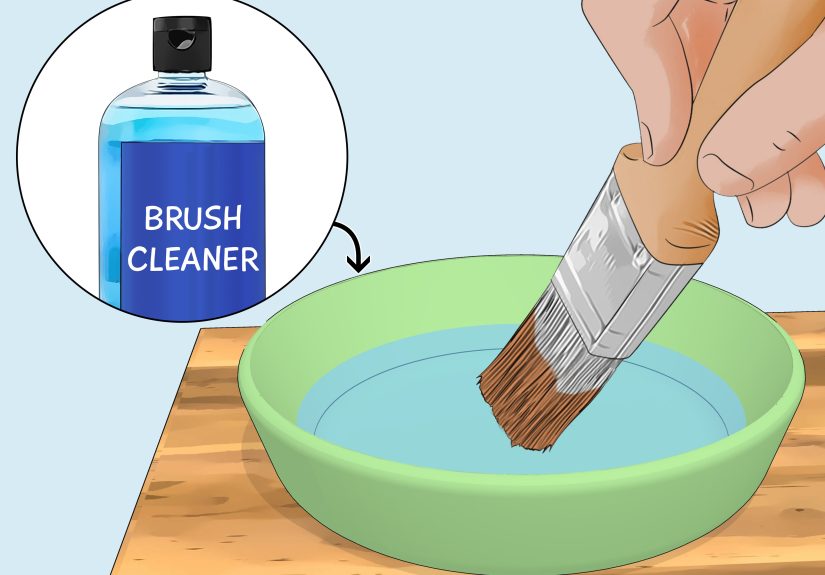
Start by wiping excess paint off brushes, knives, palettes, rollers, or containers before you introduce any water. Use a paper towel, rag, or scrap paper to remove as much paint as possible. This simple step keeps solids out of rinse water and dramatically reduces disposal headaches.
Next, rinse tools in a small container rather than under a constantly running faucet. Let the rinse water sit so solids can settle. Then you can:
- Reuse the clearer water on top for another cleaning round if practical.
- Allow solids to settle, dry them out, and dispose of the dried residue according to local rules.
- Check local guidance on whether lightly contaminated water can go into a sanitary sewer sink.
What you should never do is dump painty water into a storm drain or outside where it can run into soil or waterways. Storm drains are for rainwater, not for your accidental gray-purple smoothie of brush sludge.
If your rinse water is heavily concentrated, includes cleaning solvents, or came from paints with questionable pigments, treat it more cautiously and use a local hazardous waste or special collection option.
How to Dispose of Acrylic Paint Tubes, Jars, and Containers
Paint containers can be easy or annoying depending on what is left inside.
Empty or nearly empty containers
If the container is empty or only has a thin layer of fully dried residue, it may be acceptable for trash or recycling depending on local rules and material type. Metal cans and certain plastic containers may be recyclable once clean and dry, but curbside programs vary. Always check before tossing them into recycling and hoping for the best.
Partly full containers
If the container still has liquid acrylic paint inside, do not place it in recycling. Either dry the contents fully if your area allows that method, or take the container to an approved paint drop-off site.
Leaking or unlabeled containers
These often require special handling. Place the item in a secondary container or bag for transport and contact your local waste program for instructions. Nobody wants a trunk that smells like wet student-grade magenta for the rest of the year.
What About Paper Towels, Rags, and Disposable Palettes?
Paper towels, rags, cardboard, and disposable palettes used with plain acrylic paint can usually be thrown away once the paint is fully dry. The main rule is to let the material dry before bagging it. Wet paint transfers, smears, leaks, and turns your trash can into a modern art installation nobody requested.
Be more careful if the rag or palette was used with solvents, varnishes, paint removers, or other chemical cleaners. At that point, the disposal question is not just about acrylic paint anymore. It is about mixed chemical waste, and local hazardous waste guidance becomes much more important.
Special Cases: Heavy-Metal Pigments, Mixed Media, and Mystery Paint
Not all acrylic paints are created equal. Artist-grade acrylics may use specialty pigments. Some paints and studio mixtures can involve materials that deserve extra caution, particularly if labels, pigments, or safety data sheets suggest metals such as cadmium, chromium, or lead.
Here is a good rule of thumb: if the paint is old, unlabeled, mixed with other chemicals, or seems more “science project” than “paint project,” skip the casual disposal method and contact your local hazardous waste program.
This also applies to:
- Unknown jars of old paint from a garage or studio cleanup
- Paint mixed with varnish, medium, or solvent residues
- Sludge from mixed-media cleanup buckets
- Commercial or school studio waste generated in larger quantities
Common Acrylic Paint Disposal Mistakes to Avoid
- Dumping liquid paint in the sink: This can create plumbing and wastewater problems.
- Pouring paint outside: Soil and storm drains are not disposal systems.
- Throwing wet paint straight into the trash: It leaks, spreads, and can create a mess for sanitation workers.
- Putting liquid paint containers in recycling: Recycling facilities generally do not want containers full of goo.
- Ignoring local rules: Disposal rules really do vary from one place to another.
- Forgetting to wipe tools first: This makes rinse water much dirtier than it needs to be.
Best Practices for Future Projects
The easiest paint disposal plan starts before you even open the paint. Try these habits to reduce waste the next time you paint:
- Pour out small amounts and refill as needed instead of squeezing out a paint mountain.
- Use a stay-wet palette to keep acrylic paint workable longer.
- Seal containers tightly so leftover paint stays usable.
- Label mixed custom colors with the date and intended use.
- Keep one “scrap surface” nearby for using up leftovers.
- Clean tools in stages so you use less water and capture more paint solids.
These little habits reduce cost, reduce waste, and make disposal much less dramatic. Basically, they turn you from “chaotic painter with seven murky cups” into “organized genius with a system.”
Final Thoughts
If you are wondering how to dispose of acrylic paint safely, the simplest answer is this: use up what you can, dry small amounts when local rules allow it, keep paint solids out of drains, and use a paint recycling or hazardous waste program when the material is still liquid, questionable, or regulated locally.
Acrylic paint disposal does not have to be complicated, but it does need to be intentional. Wet paint, rinse water, and half-full containers deserve more thought than a quick toss. A few minutes of careful handling can protect your plumbing, reduce waste, and keep your art habit from turning into an environmental headache.
In other words, make masterpieces on your canvas, not in your trash can.
Real-World Experiences and Practical Lessons from Acrylic Paint Disposal
People who work with acrylic paint regularly tend to learn the disposal lesson in one of two ways: the smart way or the soggy way. The smart way involves reading labels, wiping brushes before rinsing them, and checking the local waste rules before anything gets dumped. The soggy way usually starts with a cup of murky rinse water, a clogged sink, a sticky trash bag, or a paint can that somehow leaks at the exact moment you are carrying it across the room in socks.
One common experience among hobby painters is underestimating how much paint counts as “a little leftover.” What looks like a harmless amount on a palette can turn into a surprising amount of semi-liquid waste once it is scraped together. Many artists discover that keeping a scrap canvas, cardboard panel, or practice board nearby is the easiest solution. Instead of throwing out extra paint, they use it for texture experiments, color blending drills, or background coats. It feels less wasteful, and it often leads to happy accidents that become useful later.
Another practical lesson comes from brush-cleaning. People often assume the real problem is the paint container, when the bigger mess is actually the rinse water. After a few sessions, many painters notice that the first rinse cup turns cloudy fast, while the second stays much cleaner. That is why a two-container method works so well in real life. The first cup handles the messy rinse, the second gives a lighter rinse, and the solids have a chance to settle instead of heading straight for the drain. It is not fancy, but it is effective.
Home crafters also learn quickly that drying paint before disposal is mostly a patience game. The process goes much faster when the paint is spread into a thinner layer or mixed with an absorbent. People who try to dry a deep puddle inside a container often end up waiting forever while the top skins over and the inside stays soft like a very bad dessert. The smarter move is to increase surface area, add absorbent if needed, and let air do the work.
Studio cleanup offers another useful lesson: labeling matters. A clearly marked jar of rinse sludge or leftover paint is much easier to deal with than an anonymous container of mystery blue. Once a product loses its label and nobody remembers what was mixed into it, disposal becomes more cautious and more inconvenient. That is why many experienced artists label everything, even temporary containers.
There is also the emotional side of paint disposal, which sounds silly until you have tried to throw away a color you paid good money for. Many painters keep leftovers far too long because they hate wasting materials. That instinct is understandable, but it helps to set a realistic system. Keep usable leftovers sealed and labeled. Donate what you will not use. Recycle or dispose of what is truly past saving. The goal is not to keep every half-dry tube forever like a tiny museum of poor decisions.
Over time, the biggest lesson is simple: good disposal habits make painting easier, not harder. A cleaner setup, less wasted paint, better storage, smarter brush washing, and a plan for leftovers all reduce stress. Safe acrylic paint disposal is not just about the end of the project. It is part of having a workspace that stays functional, responsible, and ready for the next idea.