Table of Contents >> Show >> Hide
- Why chipmunks and squirrels target gardens in the first place
- Start with the method that works best: physical exclusion
- Make the garden less attractive to raiders
- Protect bulbs, seeds, and seedlings like they are luxury goods
- Do repellents work?
- Use humane scare tactics that interrupt the routine
- Choose plants and layouts with less drama built in
- What not to do
- A practical step-by-step plan that actually works
- The truth gardeners eventually learn
- Experience section: what this battle looks like in real life
Note: This article is written for web publishing in standard American English and is based on current, real-world gardening guidance. It focuses on humane, practical ways to make your garden a lot less snackable.
You spend weeks babying seedlings, staking tomatoes, and whispering encouraging things to your basil like a supportive plant therapist. Then one morning you walk outside and discover that a chipmunk has excavated your beans like a tiny furry contractor, while a squirrel has sampled exactly one bite from every ripening tomato, as if hosting a ridiculous tasting menu.
If that sounds familiar, welcome to one of gardening’s oldest feuds. The good news is that you do not need to turn your backyard into a fortress with medieval moats and motion sensors worthy of a spy movie. The best strategy is simpler than that: make your garden harder to enter, less rewarding to raid, and more annoying to visit. When you combine physical barriers, cleanup habits, planting tricks, and a few humane deterrents, you can protect vegetables, bulbs, berries, and seedlings without losing your mindor your entire harvest.
Why chipmunks and squirrels target gardens in the first place
Chipmunks and squirrels are not showing up because they have personal issues with your cucumbers. They are opportunists. Gardens offer everything they want in one convenient package: loose soil for digging, seeds and bulbs for easy calories, tender seedlings, half-ripe produce, water, mulch, hiding places, and often bonus snacks from bird feeders or pet food.
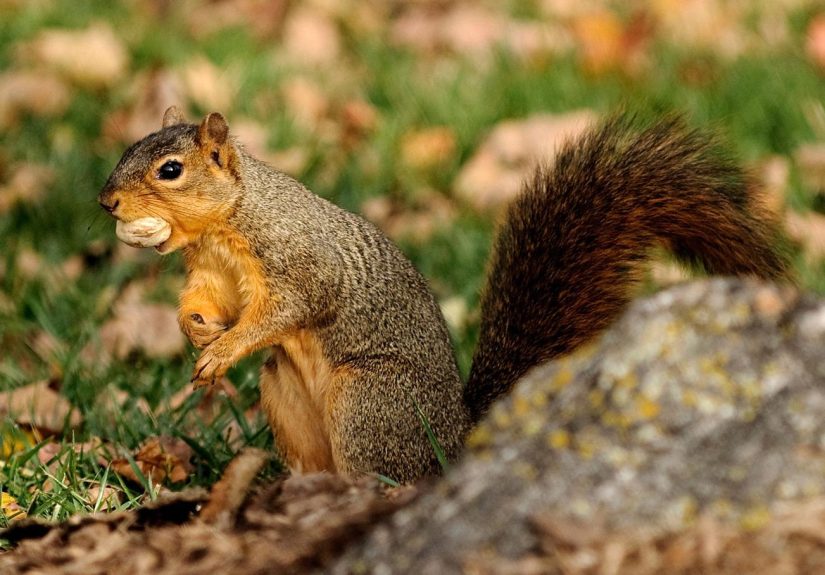
Chipmunks usually do their best work at ground level. They tunnel, dig up bulbs, snatch seeds, and zip under cover like tiny striped burglars. Squirrels are more theatrical. They dig in beds, chew on fruit, steal corn, toss mulch around like confetti, and leap in from fences, trees, or raised-bed frames with the confidence of animals who have never paid property taxes.
That is why the smartest approach is not a single miracle fix. It is layered defense. Think less “one magic spray” and more “let’s make this place deeply inconvenient.”
Start with the method that works best: physical exclusion
If you remember only one thing from this article, make it this: barriers beat wishful thinking. A squirrel does not care that your marigolds are beautiful. A chipmunk will not read the polite sign asking it to respect your seedlings. But both animals can be stopped, slowed, or redirected by the right materials in the right places.
Use hardware cloth where damage happens most
For chipmunks especially, hardware cloth is the gold standard. Quarter-inch hardware cloth works well for protecting seeds, bulbs, and vulnerable planting zones. You can line the bottom of a raised bed, create underground bulb cages, or lay a panel over freshly planted areas and pin it down until seedlings are established. Plants can grow through the openings, but diggers have a much harder time getting in.
If chipmunks are tunneling into beds from below, line the bottom of raised beds before filling them with soil. If they are raiding bulbs, create a wire-mesh box around the planting area. If they are targeting one specific patch, such as peas or sunflowers, cover that section temporarily until the plants are big enough to survive casual vandalism.
Use netting and covers for climbers and fruit thieves
Squirrels are more likely to come from above or from the sides, so lightweight netting, row covers, and cloches can help protect berries, greens, and tender starts. For newly planted bulbs or direct-sown seeds, a simple cover anchored securely to the soil can prevent those “who dug this up five minutes after I planted it?” moments.
The key word is securely. A loose cover is just a puzzle. A tight, anchored cover is a barrier. Use landscape staples, boards, or bricks to hold edges down, and check often so the protection stays in place after wind or watering.
Fence smarter, not just taller
Fencing can help, but it has to be built for the animals you actually have. Chipmunks can dig. Squirrels can climb. So a basic decorative fence is mostly a suggestion. For ground-level pests, burying part of the barrier below the soil line helps stop tunneling. For squirrels, fencing works best when paired with covers, netting, or other exclusion around the crops they want most.
In other words, a fence alone may not solve the problem, but a fence plus netting plus cleanup habits can absolutely change the game.
Make the garden less attractive to raiders
Once barriers are in place, the next job is reducing the reasons animals keep returning. A garden that offers free lunch, dessert, and catering for the entire extended family will always be harder to protect than one that is neat, quickly harvested, and low on bonus snacks.
Clean up fallen fruit and overripe produce fast
Animals are experts at spotting the one cracked tomato you meant to pick yesterday. Harvest produce promptly. Remove fallen fruit, half-eaten vegetables, and overripe berries before they become recurring invitations. When you delay harvest, you are not “letting things ripen naturally.” You are co-hosting a buffet.
Rethink the bird feeder situation
Many chipmunk and squirrel problems begin with birdseed. Spilled seed is basically a neon sign that says Rodent Brunch Served Daily. If a feeder hangs near the garden, near the house, or over mulch beds, you may be subsidizing the exact animals you are trying to discourage. Move feeders farther away, use baffles where possible, and clean up seed hulls and spills regularly. If the activity is intense, you may need to pause feeding for a while.
Reduce cover and hiding spots
Chipmunks adore rock piles, wood piles, dense ground cover, brushy edges, and neglected corners where they can dash in and out unseen. You do not need to strip your yard bare, but you should tidy the areas right around the garden. Move stacked firewood away from beds. Thin dense cover near problem zones. Seal up easy access under sheds, steps, or small structures once you are sure no animals are inside.
A clean perimeter makes the garden feel riskier to small raiders. Less cover means fewer quick escapes. Fewer quick escapes means fewer repeat visits.
Protect bulbs, seeds, and seedlings like they are luxury goods
Because to chipmunks and squirrels, they are.
Freshly planted bulbs are especially tempting because the soil is loose and easy to dig. Tulips are often treated like a seasonal delicacy. If you love tulips, protect them with hardware cloth or bulb cages. If you prefer peace and lower blood pressure, plant more daffodils and alliums, which wildlife tends to leave alone.
Seeds and tiny seedlings are also high-risk. If you direct sow beans, peas, corn, sunflowers, or squash, consider covering the bed with mesh or row cover until plants are up and growing strongly. For transplants, use collars, cloches, or temporary cages during the vulnerable first stretch.
Another smart move is to water newly planted areas well and firm the soil after planting. Loose, fluffy soil is like a fresh invitation to dig. Settled soil is less enticing.
Do repellents work?
Yesbut only if you understand what “work” means in gardening reality. Repellents are usually not permanent, not perfect, and not magical. They are tools for pressure reduction, not total victory. Think of them as the backup singers, not the lead vocalist.
Products based on hot pepper, bittering agents, predator scents, or other smell-and-taste deterrents may help protect bulbs, seeds, foliage, and selected areas. But they need to be used according to label directions, rotated if possible, and reapplied after rain or irrigation. If you spray once and then expect six weeks of peace after three thunderstorms, that is optimism, not pest management.
Repellents tend to work best when combined with exclusion. In other words, a covered bed plus a repellent has a better chance than a repellent alone. Also, avoid homemade concoctions that may damage plants or create food-safety issues. Use products labeled for the situation and follow directions carefully.
Use humane scare tactics that interrupt the routine
Animals love routines. If they have been visiting your beds every morning at 7:15 like tiny produce auditors, break that pattern. Motion-activated sprinklers can be surprisingly effective, especially for squirrels that prefer not to be publicly humiliated by a sudden blast of water. Reflective tape, visual disruptors, and other scare tools may also help for a while.
The trick is not to rely on one gimmick forever. Wildlife gets used to static scare devices. A fake owl that never moves eventually becomes lawn décor with a judgmental expression. Rotation matters. Move devices around. Change the setup. Pair scare tactics with barriers and cleanup. The goal is to create uncertainty, not just decoration.
Choose plants and layouts with less drama built in
You can make life easier by planting strategically. Put the most vulnerable crops closest to the house or closest to areas you pass often. Use containers for high-value plants like strawberries, herbs, or baby greens if ground raids are severe. Place physical protection on the crops you care about most instead of trying to armor the entire property.
You can also lean into plants that are less attractive to nibblers. Daffodils and ornamental alliums are popular examples for bulb areas. Strongly aromatic or prickly plants may help around the edges, although no plant is a force field. A hungry squirrel can still make terrible decisions.
What not to do
Do not expect one spray, one gadget, or one weekend of effort to fix a long-running problem. Do not leave fallen produce in place and then wonder why the visitors return. Do not ignore the role of birdseed. Do not build a beautiful raised bed and forget to protect the bottom if tunneling animals are already part of the neighborhood.
And do not assume relocation is a clean, easy answer. In many places, trapping and relocation are restricted, discouraged, or ineffective as a lasting solution. Removing one animal without fixing the food and shelter problem often just opens a vacancy for the next applicant.
A practical step-by-step plan that actually works
For chipmunks
Line raised beds or bulb areas with quarter-inch hardware cloth. Remove or reduce nearby hiding cover. Clean up spilled birdseed. Protect direct-sown crops with temporary mesh. Seal obvious access points around structures once empty. Add a repellent only as a supporting tactic, not the main plan.
For squirrels
Use netting, row covers, or cages over the crops they sample most. Harvest fast. Remove attractants. Protect bulbs right after planting. Use motion-activated sprinklers near recurring entry routes. Prune access where practical and make repeated visits inconvenient.
For gardens with both pests
Combine below-ground protection, top covers, cleanup, and scare tactics. This is where layered defense shines. One method blocks the diggers. Another frustrates the climbers. A third reduces the reward. Together, they make your yard a much less profitable stop.
The truth gardeners eventually learn
You do not need a garden that is perfectly animal-proof. You need a garden that is protected enough to let you harvest your food before the neighborhood wildlife files a claim. The goal is not total domination over every chipmunk and squirrel in a three-block radius. The goal is to stop losing all the good stuff.
Once you start using barriers consistently, picking produce on time, protecting bulbs and seeds, and cutting off bonus food sources, the balance changes. Suddenly, your garden is no longer the easiest restaurant in town. And that, in the wonderfully petty world of backyard gardening, counts as a major victory.
Experience section: what this battle looks like in real life
If you have ever gardened in a neighborhood with chipmunks and squirrels, you already know the emotional arc. It starts with hope. You plant a fresh row of beans, smooth the soil, stand up, admire your work, and feel like the lead character in a wholesome gardening show. The next morning, the row looks like a tiny archaeological dig. Something has excavated half the seeds, left the rest on top of the soil, and somehow managed to look adorable while committing crimes.
Then comes the second stage: denial. You tell yourself maybe it was the wind. Maybe the soil settled oddly. Maybe the tomato with a single perfect bite taken out of it simply had a difficult evening. But after the third or fourth incident, reality arrives wearing stripes or a fluffy tail.
Most gardeners I know go through a phase of trying the easy fixes first. A sprinkle of this. A shake of that. A decorative spinner. A plastic owl with the acting range of a salad bowl. Sometimes these things help a little, especially at first. But the real turning point usually comes when people stop searching for a miracle product and start changing the structure of the garden.
That is when things improve. You line the raised bed with hardware cloth. You pin a cover over the newly seeded patch. You stop letting birdseed pile up nearby. You pick tomatoes the second they are ready instead of waiting for one more perfect day. You move the woodpile. You finally accept that the garden is not just a collection of plants; it is also part of a neighborhood ecosystem with very opinionated residents.
And once you do that, the mood changes. Not instantly, because squirrels are persistent and chipmunks are basically furry loophole experts. But gradually. The damage drops from “entire crop gone” to “one tomato lost.” The tulips survive because they are caged. The strawberries make it to your kitchen more often than they make it to somebody else’s cheeks. You begin to feel less like a victim and more like a manager of ongoing negotiations.
There is also something weirdly satisfying about outsmarting small mammals without turning the whole situation into a war. A motion sprinkler that startles a squirrel off your lettuce? Deeply satisfying. A hardware-cloth cover that lets seedlings pop up while diggers fail? Beautiful engineering. A bed of daffodils blooming untouched while the tulip-loving crowd moves on in disappointment? Chef’s kiss.
The biggest lesson from experience is that consistency matters more than intensity. You do not need to spend every weekend building elaborate defenses. You need to protect the crops that matter most, keep the garden tidy, and stay a step ahead during the vulnerable momentsright after planting, right before harvest, and anywhere animals have already learned there is food. That is where the battle is won.
So if your garden has been raided, dug up, sampled, nibbled, or generally treated like open mic night for woodland freeloaders, do not give up. Gardeners deal with this all the time. The ones who succeed are usually not the ones with the fanciest gear. They are the ones who stack a few solid methods together and keep going. In a season full of weather, weeds, and surprises, that kind of stubbornness is not just useful. It is practically a gardening skill.