Table of Contents >> Show >> Hide
- The “Bakery-Made” Look Is Mostly Structure
- Step 1: Pick the Right Cake Style (Not All Cakes Want to Be Pretty)
- Step 2: Measure Like You Mean It
- Step 3: Get Ingredients to the Right Temperature
- Step 4: Bake Flat, Even Layers (A Bakery’s Not-So-Secret Weapon)
- Step 5: Cool Completely (Patience = Better Texture + Better Frosting)
- Step 6: Level, Stack, and Fill Like a Pro
- Step 7: Crumb Coat (The Step That Changes Everything)
- Step 8: Choose a Frosting That Finishes Smoothly
- Step 9: Smooth Frosting and Sharp Edges (Tools Matter Here)
- Step 10: Decoration That Looks Intentional (Even If You’re Not a Piping Pro)
- A “Bakery Schedule” You Can Actually Follow
- Troubleshooting: Fix the Stuff That Makes Cakes Look “Homemade”
- Mini Blueprint: A Bakery-Style Vanilla Layer Cake (From Scratch)
- Real-Life Lessons and “Cake Glow-Ups” ( of Experience-Based Wisdom)
- Sources Consulted (No Links)
You know that moment in a bakery when you lock eyes with a flawlessly frosted cake and think,
“I could totally make that”… then immediately remember your last “rustic” frosting job
looked like it was applied during an earthquake?
Good news: the bakery look isn’t magicit’s a handful of repeatable techniques. Bakers don’t have
secret ovens blessed by dessert angels. They have flat layers, stable frosting,
clean structure, and a game plan that keeps the cake from turning into a buttery slip ’n slide.
This guide breaks down the process so your from-scratch cake can walk out of your kitchen looking like it pays rent.
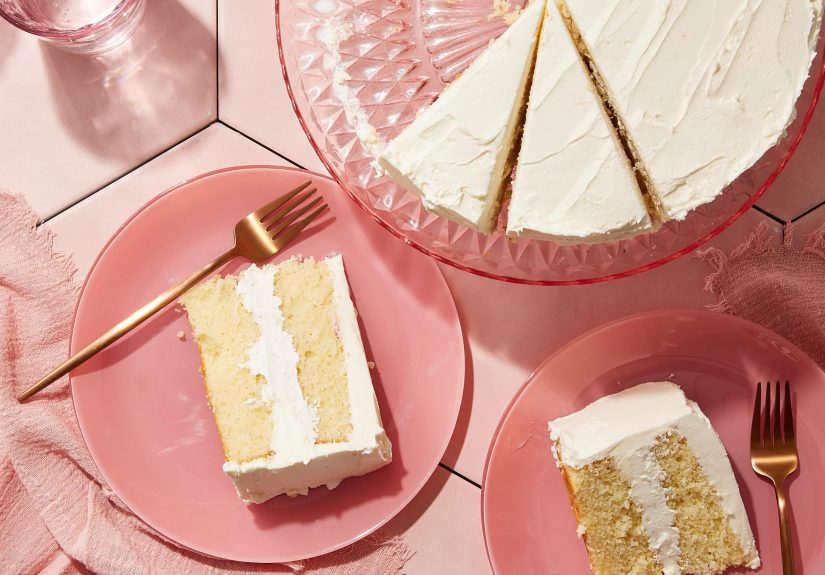
The “Bakery-Made” Look Is Mostly Structure
A cake that looks professional has three non-negotiables:
even layers (no domes), straight sides (no leaning tower of frosting),
and smooth finishing (no crumb confetti).
Decorations are the fun part, but structure is the part that makes people whisper,
“Wait… you made this?”
Step 1: Pick the Right Cake Style (Not All Cakes Want to Be Pretty)
If your goal is a bakery-style layer cake, choose a cake that slices cleanly and stacks like a champ.
Super airy sponge cakes are delicious, but they can be delicate when you’re learning. A butter-based
layer cake (vanilla, chocolate, lemon) is your most forgiving starting point.
Two mixing approaches that affect the final “bakery crumb”
-
Traditional creaming method: Butter + sugar first for lift and fluff. Great when done well,
but easy to over-aerate or under-mix. -
Reverse creaming (a.k.a. paste method): Butter is worked into dry ingredients first,
then liquids are added. The result is often a tighter, more even crumb that stacks beautifully.
Translation: if you want neat slices, tidy layers, and less drama while frosting, a sturdier butter cake
(often made with reverse creaming) can make you look like you’ve got a tiny pastry chef living in your mixer.
Step 2: Measure Like You Mean It
Bakeries don’t “cup-ish” their way to consistency. If you want reliable results, use a kitchen scale.
Weight-based measuring helps your layers bake evenly and keeps the batter consistent from bake to bake.
(It also prevents the classic tragedy of scooping too much flour and accidentally making vanilla drywall.)
Quick measuring upgrades
- Weigh flour instead of packing it into cups.
- Weigh batter as you divide it into pans so the layers bake at the same pace.
- Don’t skip salt. It’s not “optional,” it’s “makes this taste like cake.”
Step 3: Get Ingredients to the Right Temperature
Bakery-smooth batter needs a stable emulsion (fat + liquid playing nicely together). Cold eggs and cold milk
can cause the mixture to curdle or look separated, which can affect texture and rise. Let butter, eggs, and
dairy sit out so they mix evenly. This is one of the sneakiest “professional” habitsand it’s free.
Short on time? Place eggs in warm (not hot) water for a few minutes. For butter, cut it into pieces so it
softens faster. The goal isn’t melted butter; it’s pliable butter that still holds its shape.
Step 4: Bake Flat, Even Layers (A Bakery’s Not-So-Secret Weapon)
Domed layers are the #1 reason home cakes look homemade. A dome forces you to trim aggressively, stack
awkwardly, and frost thicker to “hide” it. Bakeries aim for flat layers so the cake assembles like LEGO.
How to get flat layers on purpose
- Use cake strips (the soak-and-wrap kind). They insulate the pan edges so the cake rises more evenly.
- Choose the right pans: light-colored aluminum pans bake more evenly than dark pans that over-brown edges.
- Line with parchment rounds for easy release and cleaner sides.
- Don’t overfill pans. Overfilled pans dome and can collapse.
- Know your oven: an oven thermometer can reveal hot spots or inaccurate temps.
Pro move: if your oven runs hot, your cake sets too fast at the edges, which encourages doming and dryness.
Even a small adjustment can improve texture and appearance.
Step 5: Cool Completely (Patience = Better Texture + Better Frosting)
A cake that’s still warm is still setting. If you cut or frost too early, you risk a gummy texture, sliding frosting,
and crumbs everywhere. Cool layers in the pan briefly, then turn them out onto a rack to cool fully.
Make-ahead trick bakers love
Once the layers are cool, wrap them well and chill or freeze them. Cold cake is easier to level, easier to handle,
and dramatically easier to frost without tearing. Many decorators actually prefer working with chilled layers because
they behave like well-trained cake citizens.
Step 6: Level, Stack, and Fill Like a Pro
Bakery cakes look clean because the layers are even. Level the tops with a long serrated knife (or a cake leveler)
so every layer sits flat. If you want to split layers horizontally, mark the halfway point around the cake first
so your knife follows a guide instead of your hopes and dreams.
Professional stacking basics
- Use a cake board the same size as your cake for support and easier movement.
- Anchor the first layer with a small smear of frosting on the board (no sliding).
- Pipe a frosting “dam” around the edge before adding softer fillings (jam, curd, mousse).
- Keep fillings even so the cake doesn’t bulge or tilt.
Optional (but bakery-worthy): brush layers with a light simple syrup if you’re making the cake a day ahead or
if the cake style is naturally a bit lean. Don’t soak it. You want “moist,” not “tres leches surprise.”
Step 7: Crumb Coat (The Step That Changes Everything)
A crumb coat is a thin, messy-looking layer of frosting that traps crumbs and creates a smooth base. It’s like
primer before paint. If you skip it, you’ll spend the rest of your frosting session chasing crumbs like you’re
playing dessert whack-a-mole.
Crumb coat rules
- Use a thin layer of frostingenough to seal the cake, not enough to finish it.
- Scrape off excess frosting that has crumbs in it. Don’t put crumb frosting back into your clean bowl.
- Chill the cake until the crumb coat is firm, then apply the final coat.
Step 8: Choose a Frosting That Finishes Smoothly
Not all frosting styles are equally “bakery” friendly. You can absolutely use American buttercream,
but it can crust quickly and show spatula marks if it’s too stiff. If you want a sleek finish,
consider a more satin-like frosting.
Frosting options (and what they’re best at)
- American buttercream (butter + powdered sugar): quick, sweet, stable. Great for piping borders and rosettes.
- Swiss meringue buttercream: silky, less sweet, smooths like a dream. Excellent for sharp edges and a polished finish.
- Whipped ganache: deeply chocolatey, looks luxe, and smooths beautifully when made with good chocolate.
- Cream cheese frosting: delicious, but softerbest for naked cakes, swoops, or chill-and-serve styles.
If you’ve ever made a buttercream that looked “broken” (curdled or soupy), the culprit is usually temperature.
Warm it gently or chill it briefly, then re-whip. Bakery decorators don’t panicthey troubleshoot.
You can do the same.
Step 9: Smooth Frosting and Sharp Edges (Tools Matter Here)
This is where the “bakery-made” look really happens. You don’t need a million gadgets, but two tools make a huge difference:
a turntable and a bench scraper (or icing smoother).
The smooth-frosting method that works
- Apply a generous final layer of frosting.
- Hold the bench scraper straight against the side.
- Rotate the turntable steadily while keeping even pressure.
- Scrape excess frosting back into a separate “used frosting” bowl if it touched crumbs.
-
For ultra-smooth results, warm your scraper briefly (hot water, then dry it), and do a final smoothing pass.
Warm metal helps flatten ridges without melting the whole cake into a frosting puddle.
Sharp edges without wizardry
Build a slightly taller “lip” of frosting above the top edge, chill briefly, then pull that lip inward with a clean
offset spatula. Repeat once or twice. The chill gives the frosting structure; the inward swipe gives you that crisp,
bakery-style edge.
Step 10: Decoration That Looks Intentional (Even If You’re Not a Piping Pro)
Bakery cakes rarely look complicatedthey look consistent. Choose one or two design ideas and commit.
A clean cake with a simple border often looks more professional than a cake wearing every sprinkle in your pantry.
Easy bakery-style finishes
- Minimal border + toppers: pipe a simple shell border and add berries, cookies, or a chocolate shard fan.
- Ganache drip: a controlled drip instantly reads “bakery.” Practice on a chilled cake so drips don’t race to the bottom.
- Texture on purpose: rustic swoops, wave patterns, or combed sides look professional when they’re even.
- Color restraint: two tones (base + accent) look cleaner than a rainbow accident.
If you do a drip: let ganache cool to a slightly thick, pourable consistency. Too warm and it runs; too cool and it blobs.
Test a drip on the inside of your bowl first. Yes, you’re allowed to “audition” your ganache.
A “Bakery Schedule” You Can Actually Follow
Option A: Two-day plan (easiest, least stressful)
- Day 1: Bake layers, cool completely, wrap and chill/freeze.
- Day 2: Make frosting, level layers, fill, crumb coat, chill, final coat, decorate.
Option B: One-day plan (doable, just more chaotic)
- Bake early, cool fully, chill briefly, then assemble and frost later the same day.
The biggest secret to a bakery look is not speed. It’s stopping at the right moments:
chilling between steps, letting layers cool, and giving the frosting time to set so you can refine the finish.
Troubleshooting: Fix the Stuff That Makes Cakes Look “Homemade”
My layers are sliding
Your frosting or filling is too soft, or your cake is warm. Chill the cake, firm up the frosting, and use a dam for soft fillings.
Bulging filling at the edges
You used too much filling or didn’t dam it. Also, pressing down too hard on the top layer can push filling outward.
Chill and do a quick “frosting repair” pass before your final coat.
Crumbs in my final frosting
You skipped (or rushed) the crumb coat. Chill the cake after the crumb coat until it’s firm, then proceed with clean frosting tools.
My cake is dry
Overbaking is usually the culprit. Start checking early, and don’t rely only on time. Also measure flour accurately and avoid excessive mixing.
My frosting has bubbles and dents
Stir the frosting gently with a spatula to knock out large air pockets, then do a warm-scraper smoothing pass.
A brief chill between smoothing passes can also help.
Mini Blueprint: A Bakery-Style Vanilla Layer Cake (From Scratch)
This is a flexible templatenot a sacred scroll. It’s designed to give you a sturdy, stackable crumb and a smooth finish.
Use it as a starting point, then adapt flavors as you get comfortable.
Ingredients (two 8-inch layers)
- 2 1/2 cups cake flour (or properly measured all-purpose flour)
- 1 3/4 cups granulated sugar
- 2 1/2 tsp baking powder
- 1/2 tsp baking soda
- 1 tsp fine salt
- 12 tbsp unsalted butter, softened
- 3 large eggs, room temperature
- 1 cup buttermilk, room temperature
- 1/4 cup sour cream, room temperature
- 1 tbsp vanilla extract
Method (reverse-creaming style for an even crumb)
- Preheat oven to 350°F. Grease pans, line bottoms with parchment.
- Whisk dry ingredients in a mixer bowl.
- Add softened butter and mix until the texture looks like damp sand (this coats the flour and helps control gluten).
- Whisk wet ingredients together. Add to the bowl in stages, mixing just until smooth.
- Divide batter evenly into pans (weigh for accuracy). Add cake strips if you have them.
- Bake until the center springs back lightly and a tester comes out with a few moist crumbs (not wet batter).
- Cool 10–15 minutes in pans, then turn out and cool completely on a rack. Wrap and chill before frosting.
Want to go full bakery? Pair it with Swiss meringue buttercream or whipped ganache for a smooth, less-sweet finish.
If you prefer American buttercream, keep it creamy (not stiff) for smoothing, and reserve the stiffer batch for piping.
Real-Life Lessons and “Cake Glow-Ups” ( of Experience-Based Wisdom)
Home bakers who chase the bakery look usually discover the same truth: the biggest upgrades aren’t fancythey’re
the small choices you repeat every time. One of the most common “aha” moments happens the first time someone chills
their cake layers before frosting. Suddenly the layers stop shedding crumbs like a golden retriever in summer, and the
frosting spreads without tearing the surface. The cake becomes easier to move, easier to level, and easier to stack
and that alone can make a beginner’s cake look like a confident one.
Another lesson that shows up fast: smooth frosting is rarely about talent, and almost always about
frosting consistency and tool control. Many bakers start with frosting that’s too stiff,
because it feels “safer,” but stiff frosting drags and leaves ridges. Slightly softer frosting spreads more cleanly,
and the bench scraper does the heavy lifting once you rotate the cake steadily. People often find that their smoothing
improves dramatically when they slow down and keep the scraper still while the turntable spinslike a tiny cake carousel
at a dessert theme park.
Then there’s the “I didn’t know this mattered” category: parchment rounds, batter distribution, and cooling time.
Using parchment on the pan bottom can turn a stressful unmolding moment into a clean release. Weighing batter into pans
can stop the annoying scenario where one layer bakes faster and ends up driermeaning you’re stacking a fluffy layer on a
layer that’s basically cake jerky. And cooling fully before decorating avoids the heartbreak of buttercream melting into a
glossy slip, sliding right off the sides like it’s late for an appointment.
A surprisingly common experience is learning to embrace the crumb coat. At first it feels like an extra step that
exists solely to test your patience. But once someone sees how a chilled crumb coat locks everything in place, the
final coat becomes easier, faster, and cleaner. Bakers often describe it as the moment cake decorating stops being
“fighting frosting” and becomes “shaping frosting.”
Finally, decoration tends to improve the moment someone stops trying to do everything at once. Bakery cakes look
polished because the design is intentional: one finish (smooth or textured), one border style, one accent. Many home
bakers find their cakes instantly look more professional when they pick a simple themelike a clean white finish with a
chocolate drip and a few berriesrather than adding every sprinkle, cookie, and candy they own “just in case it helps.”
It turns out restraint is not just a personality trait; it’s also a cake strategy.
Sources Consulted (No Links)
- King Arthur Baking
- Serious Eats
- Sally’s Baking Addiction
- Bon Appétit
- Epicurious
- Martha Stewart
- Food Network
- Simply Recipes
- Southern Living
- Wilton
- Bake from Scratch
- MasterClass