Table of Contents >> Show >> Hide
- What Makes a Sandwich Taste “Subway-Style”?
- The Best Bread for Homemade Subway Sandwiches
- Build Your Homemade Sandwich Station Like a Pro
- How to Assemble Subway Sandwiches at Home
- Five Subway-Style Sandwich Ideas to Make at Home
- Little Tricks That Make a Big Difference
- How to Make It Healthier Without Making It Boring
- Storage, Meal Prep, and Food Safety
- My Experience Making Subway Sandwiches at Home
- Final Thoughts
- SEO Tags
There are two kinds of people in this world: people who casually make a sandwich, and people who build one like they’re auditioning to become a sandwich artist. This article is for the second group. If you’ve ever stared into your fridge, spotted turkey, lettuce, provolone, and a bottle of mustard, and thought, I’m basically five minutes away from a Subway sandwich, good news: you’re not wrong.
Making Subway sandwiches at home is not about cloning every molecule in the bread like a fast-food scientist in a lab coat. It’s about recreating the experience: soft but sturdy bread, thin layers of meat and cheese, crisp vegetables, strategic sauces, and that made-your-way feeling that turns lunch into a tiny act of self-expression. You want a sandwich that tastes fresh, feels customizable, and doesn’t collapse in your hands like it got stage fright.
The best part? Homemade Subway-style sandwiches can be cheaper, fresher, more generous, and way more fun. You control the bread, the fillings, the sauce situation, and the vegetable avalanche. You can go classic with turkey and provolone, bold with steak and peppers, or very dramatic with extra pickles and enough onion to make your kitchen smell like a deli for the rest of the afternoon.
What Makes a Sandwich Taste “Subway-Style”?
If you want that familiar sub-shop flavor at home, focus on four things: the bread, the layering, the crunch, and the finish. Skip even one, and your sandwich may still be delicious, but it’ll wander into generic lunch territory.
1. The Bread Should Be Soft Inside and Strong Enough to Hold the Goods
A good sub roll is not crusty in a “chew for seven minutes” way. It should have a tender crumb, a light chew, and just enough structure to hold meats, veggies, sauces, and your ambitions. Think long roll, slight shine, and a shape that says, “Yes, I can handle six toppings and a splash of vinegar.”
2. Thin Layers Beat Giant Chunks
The magic of a great homemade sub sandwich is balance. Thinly sliced turkey folds better. Shaved lettuce distributes crunch better. Red onions sliced paper-thin give flavor without punching you directly in the soul. Subway-style sandwiches work because every bite gets a little bit of everything instead of one random tomato slab trying to dominate the whole production.
3. Crunchy Vegetables Do Heavy Lifting
Lettuce, tomato, cucumber, banana peppers, pickles, and onions are not side characters. They are the cast. Fresh vegetables bring moisture, texture, acidity, and brightness that keep a meat-and-cheese sandwich from feeling flat. If your sandwich tastes sleepy, it probably needs more crunch.
4. Sauces Need Strategy, Not Chaos
A great sub is not drowning in sauce. It’s dressed with intention. A swipe of mayo, a ribbon of mustard, a little red wine vinegar, a little olive oil, maybe a smoky chipotle or sweet onion-style sauce if you’re feeling fancy. The point is flavor, not a bread-soaking disaster.
The Best Bread for Homemade Subway Sandwiches
If you want the closest homemade version, make or buy long sandwich rolls that are soft, slightly chewy, and not too dense. Italian-style rolls are the best all-around choice. Hearty multigrain works if you want a nuttier, more wholesome bite. Flatbread and wraps can also work, especially if you’re going for a lighter, faster lunch.
If you’re baking from scratch, aim for dough that includes yeast, flour, water, a little sugar, salt, and a touch of fat. That combination gives you a roll with softness and structure. An egg-white brush before baking gives the top a nice finish, and a quick sprinkle of herbs or cheese can push the bread into Italian-herbs-and-cheese territory without requiring an engineering degree.
Easy Homemade Sub Roll Formula
For six rolls, mix warm water, instant yeast, sugar, bread flour or all-purpose flour, salt, and a little olive oil into a smooth dough. Knead until elastic, let it rise until puffy, divide into long cylinders, proof again, brush lightly with egg white, and bake until golden. If you want a softer roll, tent with a towel as they cool. If you want more bite, bake them a little darker. Congratulations, you are now the bread department.
No time to bake? Buy fresh hoagie rolls, hero rolls, or soft sandwich rolls from the bakery section. Warm them slightly before using. Your sandwich will instantly feel more intentional and less like a rushed desk lunch assembled during a conference call.
Build Your Homemade Sandwich Station Like a Pro
The easiest way to make Subway sandwiches at home is to turn your kitchen counter into a mini sandwich bar. Group your ingredients by category so assembly feels easy instead of chaotic.
Bread and Cheese
Start with Italian bread, multigrain bread, flatbread, or wraps. For cheese, provolone is the classic all-star, but pepper Jack, American, mozzarella-style cheese, shredded cheddar blends, and Parmesan all work depending on the sandwich. Provolone is especially good because it melts well and doesn’t bully the other ingredients.
Proteins
Good at-home choices include turkey breast, ham, roast beef, grilled chicken, rotisserie chicken, tuna salad, sliced salami, pepperoni, or shaved steak. If you want a lighter sub, turkey and chicken are easy wins. If you want a deli-style classic, go ham, salami, and pepperoni. If you want something hot and satisfying, steak and cheese is the move.
Vegetables
Keep lettuce, tomatoes, cucumbers, red onions, green peppers, spinach, pickles, banana peppers, jalapeños, black olives, and avocado on hand. Slice everything thin. That is the difference between “copycat sandwich” and “refrigerator clean-out project.” If raw onion is too intense, soak the slices in cold water for a few minutes to mellow the sharpness.
Sauces and Seasonings
Stock mayo, yellow mustard, honey mustard, ranch, chipotle-style sauce, sriracha, olive oil, red wine vinegar, black pepper, salt, Italian seasoning, and maybe a garlicky spread. Oil and vinegar bring classic sub-shop energy. Mustard adds punch without heaviness. Mayo adds richness and can help protect the bread from wetter toppings.
How to Assemble Subway Sandwiches at Home
- Split the bread correctly. Cut the roll lengthwise, but don’t slice all the way through unless you enjoy ingredients escaping onto your shirt.
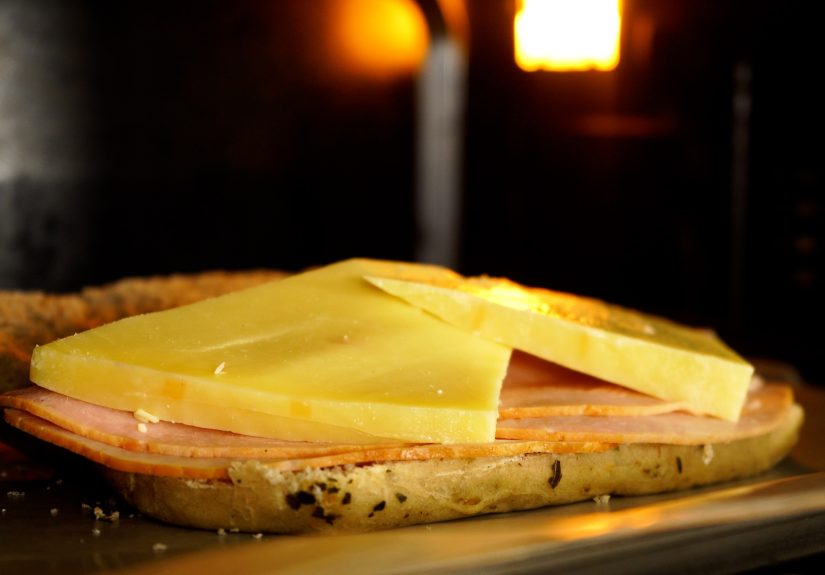
- Toast only if it helps. Toast the bread lightly if you want more structure. Toast with cheese on top if you’re making steak, chicken, or a warm deli-style sandwich.
- Add a thin spread first. Mayo, mustard, or a flavored spread on one or both sides of the bread helps distribute flavor and keeps juicy ingredients from making the sandwich soggy.
- Layer protein and cheese before vegetables. This keeps the structure better and makes every bite more balanced.
- Add vegetables from sturdy to delicate. Cucumbers, peppers, onions, and pickles first; shredded lettuce and spinach later; tomatoes near the center so they don’t soak the bread too quickly.
- Finish with oil, vinegar, and seasoning. A little goes a long way. You want sparkle, not soup.
- Wrap, press, and rest for a minute. Parchment paper or foil lightly compresses the sandwich and helps the flavors settle together. It’s a tiny trick with big deli-counter energy.
Five Subway-Style Sandwich Ideas to Make at Home
1. Classic Italian Sub
Use Italian bread, provolone, salami, pepperoni, and ham. Add tomatoes, shaved lettuce, red onion, banana peppers, olive oil, red wine vinegar, black pepper, and a pinch of Italian seasoning. This is the sandwich that struts into the room like it owns a leather jacket.
2. Turkey Crunch
Layer turkey breast and provolone on soft white or multigrain bread. Add lettuce, tomatoes, pickles, onions, cucumbers, mustard, a little mayo, and a splash of oil and vinegar. It’s bright, simple, and impossible to regret.
3. Steak and Cheese
Cook shaved steak in a skillet with sliced onions and green peppers. Pile onto a toasted roll, top with provolone or pepper Jack, and let the residual heat melt the cheese. Add chipotle-style sauce if you want a smoky kick. This one is not subtle, and that is the point.
4. Tuna Classic
Mix drained tuna with mayo, a little lemon juice, black pepper, and finely chopped celery or onion if you like more texture. Add lettuce, cucumber, tomato, and red onion. Keep it chilled until serving. It’s creamy, satisfying, and a reminder that tuna deserves better PR.
5. Loaded Veggie Sub
Start with multigrain bread, avocado, provolone or mozzarella-style cheese, spinach, tomatoes, cucumbers, onions, olives, peppers, pickles, and a mustard-vinaigrette finish. If your goal is maximum crunch with minimum heaviness, this is the hero sandwich.
Little Tricks That Make a Big Difference
Homemade sandwich recipes often fail for tiny reasons, not big ones. Here’s where the upgrade happens:
- Shred the lettuce. Big leaves slide out. Shredded lettuce behaves.
- Slice tomatoes thin. Thick tomato slices turn the sandwich into a balancing act.
- Use vinegar sparingly. It should brighten the sandwich, not baptize it.
- Season the vegetables. A little salt and pepper on tomatoes and lettuce makes the whole sandwich taste more alive.
- Don’t overstuff the roll. A sandwich should close without a physics lesson.
- Wrap it before serving. Two minutes in parchment makes the sandwich feel deli-made instead of randomly assembled in your kitchen while wearing pajama pants.
How to Make It Healthier Without Making It Boring
One of the best reasons to make copycat Subway sandwiches at home is control. You can choose leaner proteins like turkey, chicken, lean ham, or roast beef. You can use a hearty multigrain bread, add extra vegetables, and go lighter on heavy sauces. Mustard, vinegar, avocado, and hummus can bring flavor without turning lunch into a sodium-and-mayo parade.
If you love deli meats, keep portions reasonable and let vegetables do more work. A sandwich packed with lettuce, tomato, onion, cucumber, and peppers feels bigger and fresher even when the meat portion is modest. You still get the sub-shop experience, but your sandwich doesn’t leave you ready for a nap and a life reevaluation.
Storage, Meal Prep, and Food Safety
If you’re meal-prepping homemade Subway sandwiches, store the components separately whenever possible. Keep sliced meats, cheese, and vegetables chilled, and assemble close to eating time for the best texture. Bread and wet toppings should not become roommates too early.
Use opened lunch meat within a few days, keep the refrigerator cold, and don’t leave perishable ingredients sitting out on the counter forever while you debate between ranch and chipotle. Tuna salad and other mayo-based fillings also need to stay cold. If you’re serving sandwiches for a party, keep cold ingredients refrigerated until the last reasonable minute.
One more note: pregnant people and anyone at higher risk for foodborne illness should be extra careful with deli meats and other ready-to-eat proteins. When in doubt, heat deli meat until steaming hot or choose freshly cooked proteins instead.
My Experience Making Subway Sandwiches at Home
The first time I tried making Subway sandwiches at home, I made the classic beginner mistake: I thought more was more. More turkey, more cheese, more lettuce, more tomato, more sauce, more everything. The result looked impressive for about four seconds, then it exploded the second I picked it up. Half the cucumber landed on the cutting board, one tomato slice made a break for freedom, and the roll folded like it had simply given up. It was delicious, but it was not elegant. It was a salad wearing a bread costume.
The second attempt went much better because I stopped treating the sandwich like a dare. I used a softer roll, sliced everything thinner, and added a light layer of mayo and mustard first. That tiny change made the whole thing feel more organized. Suddenly the tomatoes stayed put, the lettuce didn’t skid around, and every bite actually tasted balanced. It was the first time I realized that the secret to a good homemade sub isn’t just the ingredient list. It’s the order, the texture, and the restraint. Painful, yes. Helpful, also yes.
After a week of experimenting, I found that the most convincing Subway-style sandwiches were the simplest ones. Turkey with provolone, shredded lettuce, onions, pickles, and a little oil and vinegar tasted fresher than the overloaded versions. A homemade Italian sub became my weekend favorite because the combination of salami, ham, provolone, banana peppers, and oregano made the whole kitchen smell like a deli in the best possible way. I also learned that soaking raw onions in cold water for a few minutes really works. They still had flavor, but they no longer felt like a personal attack.
The bread mattered more than I expected. Grocery-store rolls were fine, but lightly warming them made a huge difference. Homemade rolls were even better because they had that soft interior and just enough chew to feel substantial. I tried adding herbs and cheese to the top of the dough once, and suddenly lunch felt suspiciously fancy for a Tuesday.
The biggest surprise was how customizable the whole process became. Some days I wanted a hearty sandwich with steak, peppers, and melty cheese. Other days I wanted something lighter with turkey, cucumber, spinach, and mustard. Once I started keeping a basic sandwich station in the fridge, lunch got easier, cheaper, and honestly more fun. It also solved the eternal problem of ordering a sub and wishing you had just a little more pickle, a little less onion, and maybe one extra swipe of sauce. At home, the sandwich listens to you. That alone is worth the cutting board cleanup.
Final Thoughts
If you’ve been wondering how to make Subway sandwiches at home, the answer is happily uncomplicated: start with good bread, layer thoughtfully, use fresh vegetables, and finish with sauces that add flavor instead of chaos. Once you understand the formula, you can make a homemade sub sandwich that tastes familiar, fresher, and more tailored to exactly what you want.
And that, really, is the beauty of it. A great sandwich doesn’t need mystery. It just needs a plan, a little crunch, and the confidence to ask for extra pickles in your own kitchen.