Table of Contents >> Show >> Hide
- The Substitution Mindset: Match the Job, Not the Ingredient
- 10 “Save-the-Recipe” Swaps (Quick Cheat Sheet)
- Baking Substitutions (Where “Close Enough” Isn’t Always Close Enough)
- Flour and Starch Swaps
- Leaveners: Baking Soda vs. Baking Powder
- Egg Substitutes: Choose Based on What the Egg Does
- Butter and Oil: Same Category, Different Personalities
- Dairy Swaps: Creaminess, Tang, and Texture
- Sugar and Syrup Swaps (Sweetness, Moisture, Browning)
- Flavoring Swaps: Vanilla and Chocolate
- Cooking Substitutions (Savory Swaps That Save Dinner)
- How to Substitute Without Ruining the Recipe
- Conclusion: Your Pantry Is More Powerful Than You Think
- Real-World Ingredient Substitution Stories (and What They Teach You)
You’re halfway through a recipe when you realize you’re missing the ingredientthe one the recipe writer insists is “essential.”
(They’re not wrong. They’re just… dramatically confident.)
The good news: most ingredient substitutions work when you swap based on function, not vibes.
The bad news: some swaps are like putting flip-flops on a snowmantechnically footwear, emotionally chaotic.
This guide breaks down ingredient substitutions for cooking and baking with clear ratios, “why it works” explanations,
and realistic warnings so you don’t end up serving a cake that doubles as a doorstop.
Use it as a pantry-first playbook for common baking substitutes, cooking replacements, and last-minute swaps.
The Substitution Mindset: Match the Job, Not the Ingredient
Ingredients do jobs. When you substitute, your goal is to hire a replacement with the same resume.
Before swapping anything, ask what the missing ingredient is doing:
- Structure: flour, eggs, gluten, starches (they hold things together)
- Lift: baking powder/soda, yeast, steam (they create rise)
- Moisture: milk, yogurt, fruit purée, syrups (they keep things tender)
- Fat: butter/oil/cream (they carry flavor and soften texture)
- Sweetness: sugar, honey, syrups (they sweeten and affect browning)
- Acid: buttermilk, vinegar, citrus, yogurt (they activate baking soda and brighten flavor)
- Thickening: flour, cornstarch, roux, arrowroot (they change texture)
- Flavor: vanilla, spices, extracts, aromatics (they make it taste like “on purpose”)
One more pro move: if you can, measure by weight instead of volume.
Substitutions are already a controlled experimentdon’t add “randomly packed flour” to the chaos.
(If you only have cups, use a light hand and level off.)
10 “Save-the-Recipe” Swaps (Quick Cheat Sheet)
| Missing | Substitute | Ratio | Best For |
|---|---|---|---|
| Buttermilk | Milk + lemon juice/vinegar | 1 cup milk + 1 Tbsp acid (rest 10 min) | Pancakes, biscuits, marinades |
| 1 egg (binder) | Flax/chia “egg” | 1 Tbsp ground flax/chia + 3 Tbsp water (rest 5–10 min) | Cookies, muffins, quick breads |
| Cake flour | AP flour + cornstarch | 3/4 cup + 2 Tbsp AP + 2 Tbsp cornstarch | Cupcakes, simple cakes (pinch) |
| Self-rising flour | DIY self-rising | 1 cup AP + 1 1/2 tsp baking powder + 1/2 tsp salt | Biscuits, pancakes |
| Brown sugar | White sugar + molasses | 1 cup sugar + 1 Tbsp molasses (light) | Cookies, sauces, rubs |
| Heavy cream | Milk + butter | 3/4 cup milk + 1/4 cup melted butter (won’t whip) | Soups, sauces, baking |
| Butter | Neutral oil | Use about 3/4 cup oil per 1 cup butter | Quick breads, muffins |
| Vanilla extract | Vanilla paste | 1:1 | Most baking |
| 1 oz unsweetened chocolate | Cocoa + fat | 3 Tbsp cocoa + 1 Tbsp oil/shortening | Brownies, cakes |
| Corn syrup | Honey/maple/agave | Often 1:1 (expect flavor shifts) | Cookies, sauces (not always candy) |
Baking Substitutions (Where “Close Enough” Isn’t Always Close Enough)
Baking is basically edible chemistry. You can still substitute successfullybut you’ll get the best results
when you match the ingredient’s function and keep expectations realistic.
A substitution might be perfect in muffins and merely “fine” in a soufflé. Life is about picking your battles.
Flour and Starch Swaps
Flour affects structure and tenderness. Starches affect thickening and softness.
If your recipe is delicate (think chiffon, angel food, ultra-light sponge), substitutions are riskier than a white shirt at spaghetti night.
-
Cake flour substitute (pinch option): Mix 3/4 cup + 2 Tbsp all-purpose flour with
2 Tbsp cornstarch to replace 1 cup cake flour. This lowers protein and can tenderize baked goods.
Reality check: Some baking experts note that DIY cake flour can absorb differently than true cake flour, so for ultra-delicate cakes, buying cake flour may perform better. -
Self-rising flour substitute: For 1 cup self-rising flour, use
1 cup all-purpose flour + 1 1/2 tsp baking powder + 1/2 tsp salt.
Great when a biscuit recipe demands self-rising and your pantry replies, “LOL.” -
Cornstarch alternatives for thickening: Arrowroot, tapioca starch, and potato starch can thicken sauces and fillings.
Cornstarch can sometimes weep (release water) after chilling or freezing, so for make-ahead stews or soups,
consider a flour roux or other starches that hold up better.
Tip: When thickening a sauce, whisk starch into cold liquid first (or make a slurry)
so you don’t end up with mystery dumplings.
Leaveners: Baking Soda vs. Baking Powder
These two get confused because they both make things rise, but they’re not interchangeable without consequences.
Baking soda needs acid to activate; baking powder includes its own acid and typically reacts when mixed and again with heat.
Swap wrong and you’ll get bitter, soapy notes or a sad, flat bake.
-
Quick homemade “baking powder” blend: Mix 2 tsp cream of tartar + 1 tsp baking soda.
Add 1 tsp cornstarch if you want to store it (the starch helps keep it from clumping). -
Replace 1 tsp baking powder (pinch method): Use about
1/4 tsp baking soda + ~5/8 tsp cream of tartar (think “a heaping 1/2 tsp”).
This works because it recreates the acid/base combo.
Practical note: If a recipe relies on baking powder for lift and you only add baking soda,
you’ll also need enough acid (like buttermilk, yogurt, lemon) or the rise won’t happen properly.
Egg Substitutes: Choose Based on What the Egg Does
Eggs can bind, add moisture, provide lift, emulsify fats, and help with browning. One egg does a lot.
So when you’re egg-free or egg-less, pick a substitute based on the role in the recipe:
-
For binding (cookies, muffins, pancakes):
Flax or chia “egg” mix 1 Tbsp ground flaxseed (or chia) with
3 Tbsp water. Rest 5–10 minutes until gelled. -
For moisture (quick breads, brownies):
Fruit purées like applesauce or mashed banana can help, but they may add flavor and change texture.
(Banana is not subtle. Banana is a personality.) -
For lift (some cakes):
Carbonated liquid can add lightness in certain batters, but don’t expect miracles in recipes that depend on whipped eggs. -
For specialty baking:
Commercial egg replacers, yogurt, or silken tofu can work depending on the bake and desired texture.
Rule of thumb: The more “eggy” the recipe is (custards, meringues, angel food),
the less forgiving substitutions become. For those, it’s often better to choose a recipe designed to be egg-free.
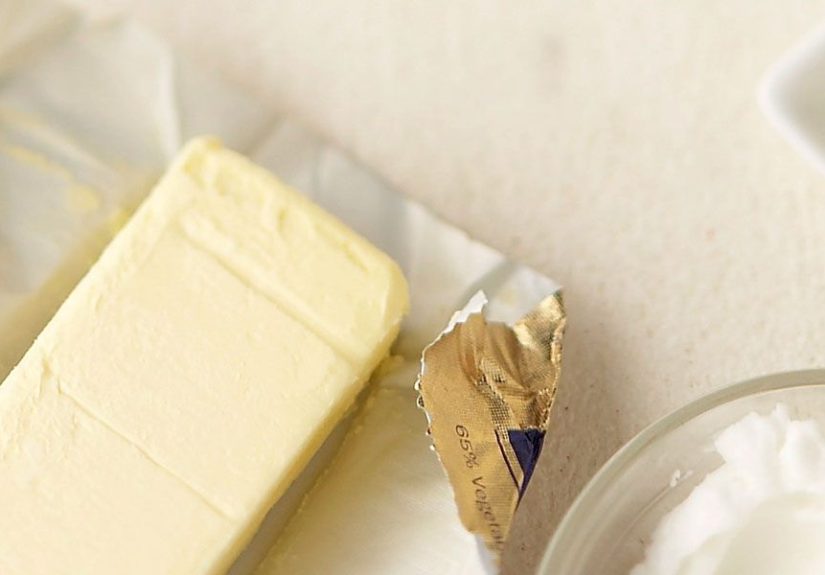
Butter and Oil: Same Category, Different Personalities
Butter is part fat, part water, plus milk solids that brown and add flavor.
Oil is nearly pure fat, so it keeps things moistbut it doesn’t cream the same way and won’t provide the same flavor.
-
Oil for butter (baking): Use about 3/4 cup oil for 1 cup butter.
This helps account for butter’s water content.
Great in quick breads and muffins; less ideal for recipes that rely on creaming butter and sugar for structure. -
Butter for oil: Melt butter, cool slightly, and swap 1:1 in many recipes.
Expect a richer flavor and sometimes a slightly denser texture. -
Coconut oil note: In some cases it can swap 1:1 for butter, but it can add coconut flavor
and behaves differently depending on temperature (solid vs. liquid).
Dairy Swaps: Creaminess, Tang, and Texture
Dairy substitutions are usually very doableas long as you respect two things:
fat level (richness) and acidity (tang/activation).
-
Buttermilk substitute: Add 1 Tbsp lemon juice or vinegar to a measuring cup,
then fill to 1 cup with milk. Let stand 10 minutes.
This gives you the acid needed for tenderizing and for reacting with baking soda. -
Heavy cream substitute (for cooking/baking, not whipping):
Mix 3/4 cup milk with 1/4 cup melted butter for 1 cup heavy cream.
It enriches soups and sauces, but it won’t whip into fluffy peaks. -
Half-and-half substitute: Combine 3/4 cup milk + 1/4 cup heavy cream.
(It’s basically “make it yourself” dairy.) -
Sour cream substitute: Plain Greek yogurt is often a solid 1:1 stand-in.
If it’s extra thick, loosen with a splash of milk for sauces and dips.
Heat warning: Yogurt and some lower-fat dairy can curdle if boiled hard. Gentle heat wins.
If a sauce looks like it’s about to separate, reduce heat and stir like you mean it.
Sugar and Syrup Swaps (Sweetness, Moisture, Browning)
Sweeteners aren’t just sweetthey affect moisture, spread, caramelization, and browning.
Substituting sugar can work beautifully, but it can also turn “golden” into “why is it so dark at 12 minutes?”
-
Brown sugar substitute: Mix 1 cup white sugar + 1 Tbsp molasses for light brown sugar.
For dark brown sugar, use 2 Tbsp molasses. Mix until evenly sandy and fragrant. -
Corn syrup substitute (many baked goods): In recipes where corn syrup helps texture (not complex candy stages),
you can often use honey, maple syrup, or agave in equal quantities.
Expect flavor changeshoney is bolder and often tastes sweeter. -
Maple syrup for granulated sugar (baking): A practical approach is using about 3/4 cup maple syrup
per 1 cup sugar and reducing other liquids a bit to balance the added moisture.
Also watch browningliquid sweeteners can color faster.
Flavoring Swaps: Vanilla and Chocolate
Flavor substitutions can be the easiest winbecause your goal is deliciousness, not perfect chemical structure.
(Finally, an ingredient that isn’t judging you.)
-
Vanilla extract substitute: Vanilla paste can usually replace extract 1:1.
If you have a vanilla bean, the scraped seeds from 1 bean are roughly comparable to about 1 Tbsp extract. -
Unsweetened chocolate substitute (1 oz): Combine 3 Tbsp unsweetened cocoa powder
with 1 Tbsp melted oil or shortening. This mimics cocoa solids + fat.
Cooking Substitutions (Savory Swaps That Save Dinner)
Savory cooking is generally more forgiving than baking, because you can taste and adjust as you go.
The key is to substitute based on flavor family and intensity.
Acid Swaps: Brightness and Balance
- Lemon juice ↔ vinegar: Great for salad dressings, quick pickles, and deglazing.
- Apple cider vinegar: Use when you want a softer, fruity tang.
- Rice vinegar: Mild and slightly sweetuseful for Asian-style sauces.
Tip: Add acids gradually. It’s easy to add more; it’s hard to un-lemon a sauce without making it taste like regret.
Stocks, Broths, and “Flavor Liquids”
- Chicken broth: Swap with vegetable broth, diluted bouillon, or even water + extra aromatics (onion/garlic/herbs).
- Wine in cooking: Substitute with broth + a small splash of vinegar or citrus for acidity (not a 1:1 flavor match, but it works).
- Soy sauce: Use tamari for gluten-free; for lower sodium, choose low-sodium soy sauce and taste as you go.
Thickening a Sauce Without Panic
If you need a thicker sauce and you’re missing the recipe’s thickener, you’ve got options:
- Cornstarch slurry: Mix cornstarch with cold water, then whisk into simmering liquid. Great for glossy sauces.
- Flour: Make a quick roux (flour + fat) for stews, gravies, and soups.
- Starches like arrowroot/tapioca: Useful for clear, shiny fillingsjust don’t boil forever.
How to Substitute Without Ruining the Recipe
When substitutions go wrong, it’s usually because one of these got ignored:
- Moisture balance: Liquid sweeteners and yogurts add water. Compensate by reducing other liquids slightly.
-
Fat level: Heavy cream and half-and-half aren’t the same. If you swap lower-fat dairy into a sauce,
it may be thinner or more likely to curdle. -
Acid + soda chemistry: If you use baking soda, make sure there’s enough acid in the batter.
Otherwise, you get poor rise and weird flavor. - Flavor intensity: Honey, molasses, and olive oil bring strong personalities. Use them when you want that vibe.
- Know when to stop improvising: Custards, meringues, caramel candy, and delicate sponge cakes are not the best place to freestyle.
Best habit: Write down what you changed. If it’s amazing, you just created your own “signature version.”
If it’s… not amazing… you’ve got data for next time.
Conclusion: Your Pantry Is More Powerful Than You Think
Ingredient substitutions aren’t about being “perfect.” They’re about being practical.
When you understand what an ingredient doesstructure, lift, moisture, fat, sweetness, acidyou can swap confidently,
save the recipe, and maybe even discover a version you like better than the original.
Keep a few staples on hand (vinegar, lemon, baking soda/powder, cornstarch, molasses, yogurt), and you’ll be ready
for the next time a recipe asks for something you definitely bought… in 2022… and absolutely cannot find today.
Real-World Ingredient Substitution Stories (and What They Teach You)
Substitutions are easiest to understand when you picture the moment they’re needed: the batter is mixed, the oven is hot,
and your kitchen is suddenly a stage where improvisation is not optional. Here are common real-kitchen scenarios that show
how (and why) substitutions actually work.
The “No Buttermilk” Pancake Morning: A lot of people meet buttermilk for the first time when a pancake recipe
insists on it like it’s a family heirloom. The substitutionmilk plus lemon juice or vinegarworks because you’re recreating
the acidity that makes batters tender and helps baking soda do its job. The lesson: when a recipe asks for a “special” dairy,
it’s often asking for fat + acid or acid. If you can match that, breakfast is saved and nobody needs to know
your fridge was basically empty.
The Cookie Crisis (a.k.a. The Egg Shortage Problem): Cookies are one of the friendliest places to learn egg swaps.
When people use a flax or chia egg, the dough usually holds together because that gel mimics egg’s binding power. The cookies may
spread a little differently, and the texture can lean chewierbut in a “please hand me another one” way. The lesson: if the egg is
mostly there to bind (not to whip into volume), a plant-based binder can be surprisingly reliable.
The Brown Sugar Vanishing Act: Brown sugar has one main trick: it’s white sugar plus molasses, which adds moisture and
a deeper caramel flavor. Making your own reminds you that “missing ingredient” doesn’t always mean “missing possibility.” The lesson:
some pantry swaps are not substitutes so much as DIY assembly. If you can rebuild the ingredient from parts you already have,
you get the same function with almost no drama.
The Soup That’s Too Thin (and the Thickener Debate): When a soup or sauce is watery, people often reach for cornstarch
because it’s fast. It works, but it can turn weird after chilling, especially in leftovers. Switching to a roux (flour cooked in fat)
often makes the texture feel more stable and “restaurant-like.” The lesson: thickening isn’t one-size-fits-all. If the dish will be
reheated, consider a thickener that behaves well over time.
The “I Need Heavy Cream” Moment: The milk-and-butter substitute is famous because it’s practical: it adds fat back into
milk to mimic cream’s richness. It won’t whip, but in a pasta sauce or a creamy soup, it usually hits the target. The lesson: ask whether
you need whippability or richness. If it’s richness, you have options. If it’s whipped peaks, you need enough fator a
product designed to whip.
The Vanilla Emergency (Yes, It Happens): Vanilla paste, scraped vanilla bean, and even other aromatic sweet notes can step
in when extract is missing. Most people learn quickly that vanilla is as much about aroma as it is about sweetness. The lesson:
flavoring substitutions are the safest place to improvise. If you’re a little off, it still tastes intentionalespecially if you pair it
with compatible flavors like cinnamon, maple, or warm spices.
Put together, these moments teach the real secret of ingredient substitutions: you don’t need a perfect matchyou need a match that protects
the recipe’s purpose. When you substitute with function in mind, you’re not “cheating.” You’re cooking like someone who knows what they’re doing.