Table of Contents >> Show >> Hide
- Why Tea Towels Still Matter (Yes, Even in the Age of Paper Towels)
- What Makes Tea Towels from Hus & Hem Stand Out
- How to Choose the Right Tea Towel (So You Don’t End Up With a Drawer Full of Regret)
- A Quick Food-Safety Reality Check (Because Towels Can Get Gross Fast)
- Care & Longevity: Keeping Tea Towels Fresh, Absorbent, and Not Weird-Smelling
- How to Use Hus & Hem Tea Towels Like a Pro (Not Like a Person Panic-Cooking at 9 PM)
- Buying Strategy: Building a Tea Towel Wardrobe That Actually Works
- Experiences: What It’s Like to Live With Hus & Hem–Style Tea Towels (A 500-Word Real-World Look)
- Conclusion: The Smallest Kitchen Upgrade That Pulls a Lot of Weight
A tea towel is the unsung hero of the kitchen: it dries, it wipes, it covers, it saves your countertop from a rogue puddle, and somehow it still looks cute doing it. And if you’ve ever hung a towel on your oven handle thinking, “This should be a vibe, not a cry for help,” then you’ll understand the appeal of tea towels from Hus & Hem.
Hus & Hem curates Scandinavian-inspired kitchen textilespieces that feel practical first, but also designed on purpose (which is rare in the world of “mystery towels” that multiply in your drawer). In this guide, we’ll break down what makes a great tea towel, why Scandinavian styles are so beloved, what to look for in materials and weaves, and how to keep your towels clean enough to be helpful (instead of… emotionally complicated).
Why Tea Towels Still Matter (Yes, Even in the Age of Paper Towels)
Tea towels are flat-woven kitchen clothstypically cotton, linen, or a blendused for drying dishes, hands, and produce, covering dough, lining baskets, and adding a little “I have my life together” energy to the kitchen. Unlike thick terry bar mops, tea towels are often smoother and lower-lint, which makes them especially handy for glassware.
Tea towel vs. dish towel: what’s the difference?
In everyday conversation, people use the terms interchangeably. But generally:
- Tea towels are usually flat-woven, lighter, and chosen for lint-free drying, covering baked goods, and presentation.
- Dish towels / bar mops are often thicker (sometimes terry), built for heavy spills, and less concerned with looking pretty on your oven door.
The “best” option is the one that fits the job. The truly elite kitchen setup keeps bothlike a well-dressed adult who owns sneakers and dress shoes.
The Scandinavian angle: clean lines, bold graphics, zero apology
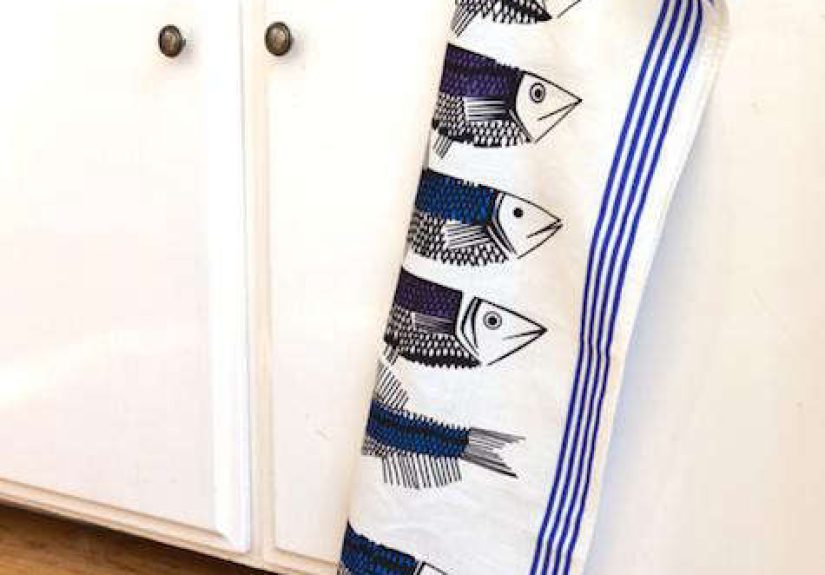
Scandinavian kitchen textiles tend to balance utility with graphic charm: crisp motifs, nature-forward illustrations, playful color, and patterns that feel timeless instead of trendy. The result is a towel you’ll actually hang upbecause it looks like decor, not a surrender flag.
What Makes Tea Towels from Hus & Hem Stand Out
Hus & Hem is known for stocking kitchen linens that don’t treat “drying dishes” like a punishment. Their collection typically leans into Scandinavian and European designthink botanicals, folk motifs, clean compositions, and high-quality fibers that perform beyond “looks nice in photos.”
1) A curated mix of materials (with linen getting plenty of love)
Linen and linen-blend tea towels are popular in Scandinavian kitchens because they’re naturally low-lint and tend to dry efficiently. Cotton still has a starring role, especially in waffle weaves and sturdy everyday sets. Hus & Hem’s lineup includes options that lean decorative, options that lean hardworking, and the sweet spot in between.
2) Design-forward prints that still behave like towels
Some “pretty towels” are basically framed art that accidentally got sewn into a rectangle. The better kind are the ones you can actually use daily without feeling like you’re ruining something precious. Hus & Hem often features pieces designed to be both functional and display-worthyso your kitchen can look intentional even when dinner is a choose-your-own-adventure of leftovers.
3) A real example: Botanica Paper Co. 100% linen tea towels
One Hus & Hem offering highlights the brand’s approach: a 100% European linen tea towel designed by Oana Befort, printed with non-toxic inks, and made with OEKO-TEX Standard 100 certified linen. Practical touches matter toolike a hanging loop (because yes, your towel deserves to be showcased) and straightforward care instructions. In short: it’s a towel that’s trying to be useful, not just photogenic.
4) A classic that design lovers still talk about: Almedahls “Kärringen mot Strömmen”
Hus & Hem has been associated with iconic Scandinavian tea towel designslike the well-known Almedahls “Kärringen mot Strömmen,” a graphic pattern often linked to mid-century Scandinavian design. This is the kind of towel people buy because it’s charming, recognizable, and instantly makes the kitchen feel curated. (It’s basically the “cool vintage poster” of kitchen linens.)
How to Choose the Right Tea Towel (So You Don’t End Up With a Drawer Full of Regret)
Choosing a tea towel sounds like a small decisionuntil you’re standing in your kitchen holding a glass that looks like it got dried with a sweater. Here’s what actually matters.
Material: linen vs. cotton vs. blends
- Linen: loved for low lint and polished drying (especially glassware). It often softens with use and can feel “better” over time. Linen tends to dry quickly, which can help keep that damp-towel funk from setting up camp.
- Cotton: a reliable workhorsesoft, absorbent, and widely available. For everyday utility, cotton towels are easy to live with and easy to wash.
- Linen-cotton blends: a best-of-both optionoften combining cotton’s absorbency with linen’s low-lint feel.
Weave and texture: the secret sauce
Fabric construction is where the magic happens. Two towels can both say “cotton” and still perform totally differently.
- Flat-woven: great for lint-free drying and covering food (classic tea towel style).
- Waffle weave: a favorite for faster drying and solid absorbency without bulky thickness.
- Flour sack style: thin, quick-drying, and often very low-lintexcellent for glassware, baking tasks, and polishing.
- Terry / bar mop: not a classic tea towel, but unbeatable for big messes and heavy absorption.
Size and usability
Most tea towels live in a comfortable medium: big enough to fold over a dish rack, wrap bread, or cover dough, but not so enormous you need to file a permit to hang it up. If you entertain, bake, or cook often, slightly larger towels feel more versatile.
A Quick Food-Safety Reality Check (Because Towels Can Get Gross Fast)
Kitchen towels are helpful, but they’re also excellent at collecting moisture and food residuetwo things bacteria absolutely love. Food safety agencies and university extension guidance emphasize laundering cloth towels often, especially after contact with raw meat juices or messy cleanup. Translation: if your towel has been through something, it should not be trusted to “just dry a plate real quick.”
A simple towel system that reduces cross-contamination
- Hands towel: for clean hands only (hang near sink).
- Dishes/glass towel: for drying clean items (often linen or flat weave).
- Cleanup towel: for counters and spills (bar mop or sturdy cotton).
- “Nope” towel: the one you grab for raw meat messesthen it goes straight to laundry.
If you label nothing else in your life, label your towel roles. Your future self will thank you.
Care & Longevity: Keeping Tea Towels Fresh, Absorbent, and Not Weird-Smelling
A high-quality tea towel can last a long time, but only if you don’t accidentally sabotage it with the laundry choices of chaos. Here are practical, research-backed habits that keep towels working well.
Wash frequency: the “more than you think” rule
- If towels are used heavily for food prep and cleanup, daily swapping is a smart baseline.
- If used only for light hand-drying or dish-drying, you can stretch longerbut don’t push it into “science experiment” territory.
- After raw meat, poultry, or seafood contact: immediate laundry. No debate. No appeals process.
Water temperature and sanitizing
Many food safety guidelines recommend laundering kitchen towels often and using hot wash cycles when appropriate. Always follow the towel’s care label, thoughespecially for linen, which can prefer gentler handling depending on finishing and dyes. If you’re unsure, keep separate loads: cotton workhorses can handle more aggressive washing than delicate linen.
Avoid fabric softener (it’s not your towel’s friend)
Fabric softener and dryer sheets can leave residues that reduce absorbencymeaning your towel might feel soft but behave like it’s allergic to water. If you want softness, better habits include proper rinsing, not overloading the washer, and fully drying towels between uses.
Drying: don’t scorch your investment
High heat can be useful occasionally for deep-clean drying, but constant high-heat cycles can wear fibers down faster over time. A balanced approachmedium heat for regular cycles, high heat occasionally as neededhelps towels last longer while still keeping things hygienic.
Simple odor control that doesn’t involve turning your laundry room into a chemistry lab
- Don’t overuse detergent: leftover detergent can trap odors and make towels less absorbent.
- Let towels dry fully between uses: hang them spread out, not wadded like a defeated burrito.
- Occasional vinegar rinse: some laundry experts recommend vinegar as a way to cut buildup and odors (and it’s a classic old-school trick for towels).
How to Use Hus & Hem Tea Towels Like a Pro (Not Like a Person Panic-Cooking at 9 PM)
Tea towels are wildly versatile. Here are practical ways to get more out of themespecially the flatter, linen-forward styles often found at Hus & Hem.
1) Dry glassware without lint trails
Flat-woven linen or linen-blend towels are popular for glassware because they tend to leave fewer fibers behind. If you host even occasionally, this is the difference between “sparkling wine glasses” and “sparkling wine glasses with a sweater’s worth of lint.”
2) Cover rising dough or resting baked goods
A clean tea towel makes an excellent breathable cover for dough, rolls, or pastries. It’s functional and looks charminglike you live in a kitchen that makes bread on purpose.
3) Line baskets, trays, and produce bowls
Scandinavian-inspired prints shine here. Use a bold tea towel to line a bread basket or tray for brunch, or even to cushion fruit in a bowl. It’s a small styling move with a big “put together” payoff.
4) Use it as a low-effort kitchen “style reset”
Want the kitchen to look instantly better? Swap the towel on display. That’s it. That’s the hack. A graphic towel on an oven handle can tie the room together faster than you can say “why are there 14 mismatched lids in this drawer.”
Buying Strategy: Building a Tea Towel Wardrobe That Actually Works
If you want tea towels to be both useful and pretty, think like you’re building a mini collection with rolesnot a random pile of rectangles.
A practical starter set
- 2–4 linen or linen-blend tea towels (glassware + presentation)
- 6–12 cotton towels (hands, everyday dishes, light cleanup)
- 6 bar mops (heavy spills, messy cooking days, cleanup)
Rotation makes everything easier
The secret to “always having a clean towel” is not heroismit’s owning enough towels to rotate without stress. If you have to wash a towel immediately because you only own two, you’re not living; you’re negotiating with textiles.
Experiences: What It’s Like to Live With Hus & Hem–Style Tea Towels (A 500-Word Real-World Look)
While every kitchen is different, people tend to describe a similar set of everyday experiences when they switch from generic multipacks to design-forward tea towels like the ones curated by Hus & Hem. The first change is visual: you stop hiding towels and start displaying them. A bold botanical print or a classic Scandinavian graphic isn’t just “something to dry dishes with”it becomes part of the kitchen’s personality. You hang it on a hook, and suddenly the space looks styled, even if your sink is quietly judging you.
The second change is functional, especially with linen-forward towels. Flat-woven linen (or linen blends) often feels different from plush cotton terry. At first, some people think, “Is this too thin?” But then the payoff shows up in the tasks that used to be annoying: drying glassware without fuzz, wiping down a cutting board without leaving fibers behind, or covering a bowl of dough without the towel clinging like it’s auditioning to be cling wrap. Linen tends to feel crisp early on and more cooperative with use, and many households notice that the towel becomes a better partner the longer it’s in rotation.
Day-to-day, the “experience upgrade” is less about one towel doing everything and more about building a small system. A patterned Hus & Hem tea towel becomes the dish-and-glass towelthe one reserved for clean tasks. A sturdier cotton towel handles hands by the sink. A bar mop does the messiest cleanup. When you divide duties, towels last longer and smell less weird, because the same cloth isn’t bouncing from raw-chicken panic to “let me just dry this wine glass for guests.”
Hosting is where these towels shine. People often reach for the prettiest towel when they’re making a basket of rolls, setting up a snack tray, or trying to make a Tuesday night dinner feel like a small event. A tea towel can line a bread basket, cover baked goods, or act as a casual placemat for a cutting board “cheese situation.” The towel becomes a prop for hospitalityand because Scandinavian prints often look intentional, it reads as effortless even when you are absolutely not effortless inside.
There’s also the oddly satisfying routine of caring for them. When towels are nice enough to display, people tend to treat them better: hanging them to dry properly, swapping them more often, and washing them in a way that preserves absorbency. That simple behavior change can make the whole kitchen feel cleaner. It’s not that a tea towel can solve all of life’s problems, but it can absolutely reduce the number of times you mutter, “Why does everything feel slightly damp?” And honestly, that’s a win.
Conclusion: The Smallest Kitchen Upgrade That Pulls a Lot of Weight
Tea towels are one of the easiest ways to make your kitchen feel more functional and more “finished” at the same time. Hus & Hem’s approachcurating Scandinavian and European designs, leaning into quality fibers, and offering prints you’ll actually want to hang uphits that sweet spot where a towel is both a tool and a tiny design statement. Choose the right material for your habits, rotate towels frequently for hygiene, wash them in a way that preserves absorbency, and you’ll get a kitchen upgrade you’ll use every day.