Table of Contents >> Show >> Hide
If you’ve ever meal-prepped rice and wondered why day-two leftovers feel oddly satisfying, you may have met the quiet overachiever of the carb world: resistant starch. Unlike regular starch, resistant starch “resists” digestion in your small intestine and travels to your colon, where your gut microbes throw a tiny fermentation party. The result? Helpful short-chain fatty acids (especially butyrate), steadier energy for many people, and a useful way to build a more blood-sugar-friendly plate without giving up carbs.
And yes, this is great news if you’re a fan of oats, rice bowls, potato salad, pasta salad, and beans that don’t taste like punishment. In this guide, we’ll break down 9 foods high in resistant starch, how to prepare them to maximize benefits, and how to fit them into real life. No gimmicks, no weird detox language, no “eat one spoonful and become immortal” claims. Just practical nutrition, solid science, and recipes your future self will actually eat.
What Is Resistant Starch, Exactly?
Resistant starch (RS) is a type of carbohydrate that behaves a lot like fiber. It bypasses digestion in the small intestine and is fermented in the large intestine. That fermentation process supports the gut microbiome and produces compounds linked to digestive and metabolic health.
The 5 Types (In Plain English)
- RS1: Physically trapped starch in intact grains, seeds, and legumes.
- RS2: Naturally resistant granules in foods like green bananas and raw potatoes.
- RS3: “Retrograded” starch formed when cooked starches are cooled (hello, chilled rice and potatoes).
- RS4: Chemically modified starch used in some food products.
- RS5: Starch complexes formed with lipids and other compounds.
For most home cooks, RS1, RS2, and RS3 matter most. Translation: whole plant foods and smart cooking methods can naturally increase resistant starch in your meals.
Why People Care About Resistant Starch
- Gut health: Resistant starch acts like a prebiotic substrate for beneficial bacteria.
- Blood sugar support: Some studies and meta-analyses show improvements in fasting glucose and insulin-related markers, especially in people with metabolic risk.
- Satiety: Certain resistant starch-rich foods may improve fullness compared with low-fiber alternatives.
- Bowel function: Evidence suggests improved stool-related outcomes and higher butyrate levels.
Important reality check: resistant starch is helpful, not magical. It works best in a pattern that includes whole foods, enough total fiber, movement, sleep, and stress management.
9 Foods That Are High in Resistant Starch
Resistant starch content varies by variety, cooking method, and temperature. So think “ranges,” not perfection. The easiest strategy: cook, cool, and enjoy.
1) Oats (Especially Less Processed Oats)
Oats are a nutrition multitasker: beta-glucan for heart and blood sugar support, plus resistant starch in forms and preparations that are less aggressively processed. Many people do well with steel-cut or rolled oats.
How to use: Make overnight oats, or cook oats and chill before eating. Top with yogurt, chia, berries, and nuts for a high-fiber, high-satiety breakfast.
Pro tip: Slightly firmer oats often preserve texture better for next-day bowls.
2) Cooked and Cooled Rice
Rice is one of the most practical resistant-starch foods because prep is easy and leftovers are versatile. Cooling cooked rice increases RS3 (retrograded starch). Some studies also show lower post-meal glucose responses with specific prep methods.
How to use: Batch-cook rice, cool quickly, refrigerate, then use in grain bowls, fried rice, sushi-style bowls, or chilled rice salads.
Pro tip: Higher-amylose rice varieties tend to produce more resistant starch potential.
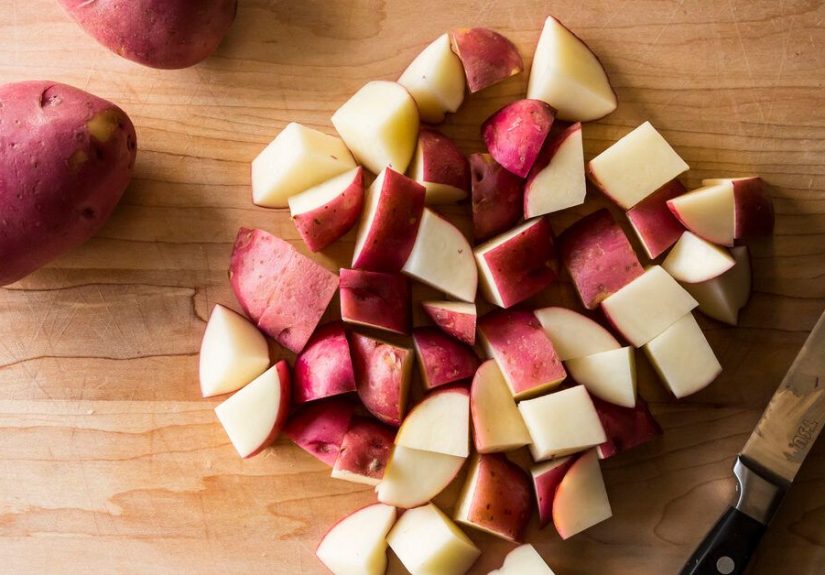
3) Potatoes (Cooked, Then Chilled)
Freshly baked potato is delicious. Chilled potato can be nutritionally strategic. After cooking and cooling, some starch retrogrades, increasing resistant starch content.
How to use: Roast or boil potatoes, cool overnight, then use in potato salad, breakfast hash, or lightly reheated side dishes.
Pro tip: Pair potatoes with olive oil, herbs, and vinegar-based dressing for better flavor and a slower glucose response compared with plain hot mashed potatoes.
4) Lentils
Lentils are resistant starch plus fiber plus protein in one affordable package. They’re also weeknight-friendly because many varieties cook quickly.
How to use: Try lentil soup, lentil taco filling, lentil pasta sauce, or chilled lentil salad with cucumber and lemon.
Pro tip: Cooling and reheating lentils can support resistant starch retention while improving meal-prep convenience.
5) Chickpeas
Chickpeas combine RS, fiber, and protein, which makes them useful for fullness and blood sugar steadiness in mixed meals.
How to use: Hummus, roasted chickpea snacks, grain bowls, curry, or smashed chickpea salad sandwiches.
Pro tip: Canned chickpeas are fine. Rinse, dry, and roast for crunchy snacks.
6) Black Beans (and Other Common Beans)
Black beans, pinto beans, kidney beans, and navy beans are excellent resistant-starch-friendly staples. They’re also rich in potassium, iron, and soluble/insoluble fiber mix.
How to use: Add to burrito bowls, soups, chili, stews, and bean salads.
Pro tip: Start small if you’re new to legumes. Increase gradually and hydrate well for better tolerance.
7) Green Bananas or Plantains
As bananas ripen, resistant starch generally declines while sugars increase. That means greener bananas (or plantains) are typically better RS sources than very ripe ones.
How to use: Slice green banana into smoothies (with peanut butter and cocoa), sauté plantains, or use green banana flour in baking blends.
Pro tip: If very green bananas feel too starchy, go “yellow with a hint of green” for a taste-texture compromise.
8) Barley
Barley is often overshadowed by quinoa, but it deserves a comeback. It offers fiber, resistant starch potential, and excellent chew for soups and grain bowls.
How to use: Cook barley in broth, chill for salads, or add to vegetable soups for body and texture.
Pro tip: Hulled barley is less processed and typically more fiber-rich than quick pearl versions.
9) Cooked and Cooled Pasta (Especially Al Dente)
Pasta can fit a resistant starch strategy when cooked al dente and cooled. Retrogradation during cooling can increase RS3 compared with freshly overcooked pasta.
How to use: Pasta salad with olive oil, beans, tomatoes, arugula, and feta, or chilled noodle bowls with edamame and veggies.
Pro tip: Texture matters. Overcooking usually means faster digestibility; al dente tends to be friendlier for glycemic control.
How to Maximize Resistant Starch in Everyday Cooking
1) Use the Cook-Cool Method
Cook starch-rich foods (rice, potatoes, pasta, grains), cool them, and then eat chilled or gently reheated. This encourages RS3 formation.
2) Pick Intact, Less Refined Forms
Think steel-cut oats, intact grains, beans, and lentils. Structure matters for digestion speed and resistant starch behavior.
3) Build “Smart Carb” Plates
Pair resistant-starch foods with protein, healthy fats, and vegetables. Example: chilled rice + salmon + edamame + cucumber + sesame dressing.
4) Increase Gradually
If your current fiber intake is low, jumping too fast can cause gas and bloating. Increase portions gradually over 1–2 weeks.
5) Don’t Forget Food Safety
For rice, potatoes, and pasta leftovers, refrigerate promptly (within about 2 hours) and reheat thoroughly when needed. Resistant starch is helpful; food poisoning is not the plot twist anyone wants.
Common Questions
Does reheating destroy resistant starch?
Not completely. Some resistant starch remains after reheating, though amounts depend on temperature and time.
Do I need supplements?
Most people can start with food first: oats, legumes, cooled starches, and whole grains. Supplements can be useful in specific cases but aren’t mandatory for everyone.
Is resistant starch only for people with diabetes?
No. It may benefit digestive health, satiety, and overall diet quality in many adults. People with specific medical needs should personalize choices with a clinician or dietitian.
Research Backbone Used for This Guide
This article synthesizes evidence from U.S.-based and U.S.-trusted institutions and journals, including clinical education sources, nutrition reviews, and PubMed-indexed studies. The evidence base includes: Cleveland Clinic, Johns Hopkins, Harvard Health, Harvard T.H. Chan School of Public Health, USDA food-safety guidance, FDA food-safety resources, and peer-reviewed reviews/meta-analyses on resistant starch, bowel outcomes, glycemic markers, and food preparation effects.
Extra 500-Word Experience Section: Real-World Resistant Starch Wins (and Faceplants)
Here’s what happens when resistant starch moves from “interesting nutrition concept” to “what’s actually in your fridge on Tuesday night.” These are realistic, composite-style experiences based on common patterns people report when they start using resistant-starch foods consistently.
Experience 1: The Breakfast Upgrade. A college student switched from sugary cereal to overnight oats with chia, Greek yogurt, and berries. Week one was mostly about taste adjustment. Week two, they noticed fewer 10:30 a.m. energy crashes and less vending-machine drama. The big win wasn’t dramatic weight change; it was steadier mornings and better focus in class. The “secret” was not one superfood. It was the combination: oats, protein, and a repeatable routine.
Experience 2: Rice Meal Prep That Actually Gets Eaten. A young office worker cooked a big batch of rice on Sunday, cooled it quickly, and built three lunches: a tuna rice bowl, a chicken veggie bowl, and a tofu kimchi bowl. By Friday, they said this approach felt easier than daily cooking and helped reduce random snack raids. Their key insight: when meals are prepped, balanced, and flavorful, “healthy eating” stops feeling like a side quest.
Experience 3: Bean Anxiety to Bean Confidence. Someone who avoided beans for years due to bloating started with tiny portions of lentils (about 1/4 cup cooked), added extra water intake, and increased servings slowly. After two weeks, tolerance improved. After a month, lentils and chickpeas became regular lunch staples. The lesson? Gut adaptation is real, but speed matters. Going from zero fiber to superhero fiber overnight is usually a bad idea.
Experience 4: Potato Salad Redemption Arc. A parent who thought potatoes were “off-limits carbs” began making a vinegar-and-herb potato salad from cooked, chilled baby potatoes. They paired it with grilled fish and greens. The family liked it, leftovers held up well, and the meal felt satisfying instead of restrictive. The practical takeaway: resistant starch works best when foods are enjoyable enough to repeat.
Experience 5: Pasta Without Regret. A recreational athlete tested two dinners on different days: hot overcooked pasta with minimal protein versus chilled pasta salad with beans, olive oil, and vegetables. They felt fuller longer with the second meal and had fewer late-night cravings. Was it only resistant starch? Probably not. It was meal structure plus fiber plus protein plus healthy fats. Nutrition usually behaves like a team sport, not a solo performance.
Experience 6: Green Banana Reality Check. A smoothie fan tried very green bananas and instantly decided life was unfair. The texture was chalky, and joy was low. They switched to “slightly green” bananas and mixed with cocoa, peanut butter, and cinnamon. Much better. Moral: compliance beats perfection. The best resistant-starch strategy is the one you can sustain without resenting your blender.
Experience 7: The “I Tried Everything at Once” Mistake. One person added green bananas, beans, high-fiber cereal, and chilled potatoes in the same 48 hours. Predictably, digestive turbulence followed. They restarted with one change per week and did fine. If you remember one thing from this section, let it be this: build gradually, keep hydration up, and let your gut microbiome adapt like a sensible adult, not like it’s in a reality show elimination round.
Experience 8: Better Choices Through Design. Families who kept cooked-and-cooled starches visible (clear containers at eye level) used them more often. Families who hid them behind mystery leftovers forgot they existed. Behavior design matters. If the good option is easy, you’ll choose it more. If not, chips happen.
Bottom line from these experiences: resistant starch is most useful when it becomes a habit frameworkbatch cook, cool, pair smartly, and repeat. The goal isn’t to worship starch chemistry. The goal is to make everyday meals more satisfying, more gut-friendly, and more stable for energy and appetite.
Conclusion
Resistant starch gives you a rare nutrition advantage: it’s evidence-based, practical, and delicious when done right. The best sources are familiar foodsoats, rice, potatoes, legumes, green bananas, barley, and pastaprepared with intention. If you remember only one move, make it this: cook, cool, combine. Cook starchy foods, cool them to boost resistant starch, and combine them with protein, produce, and healthy fats for better balance.
No extreme rules. No carb fear. Just smarter carbs, better leftovers, and meals that work in real life.