Table of Contents >> Show >> Hide
- What counts as a “long” period, anyway?
- Why long periods happen: the most common causes
- Hormonal timing issues (ovulation didn’t show up, or showed up late)
- Uterine “structure” causes (the set has new furniture)
- Bleeding disorders and clotting problems (the “stop” button is slow)
- Medications, devices, and medical conditions outside the uterus
- Pregnancy-related bleeding (important to rule out)
- When prolonged bleeding is a red flag
- How clinicians evaluate long periods
- Treatment options: what actually helps
- Practical tips while you’re figuring it out
- FAQs people ask (often in a whisper)
- Real-Life Experiences With Long Periods (What It Can Look Like Day-to-Day)
- Experience 1: “I thought this was just my new normal” (early teen years)
- Experience 2: “My calendar is fine. My uterus is freelancing.” (busy adult life)
- Experience 3: “Why am I bleeding… again?” (birth control adjustment period)
- Experience 4: “It wasn’t just periodsI bruise like a peach.” (bleeding disorder clue)
- Experience 5: “Perimenopause feels like puberty’s sequel, but with bills.”
- Conclusion: long periods aren’t “nothing,” but they’re often fixable
If your period has ever looked at the calendar, shrugged, and said, “I live here now,” you’re not alone.
A longer-than-usual period is one of the most common reasons people search the internet at 2 a.m. while holding
a heating pad like it’s a life coach. The tricky part: sometimes a long period is a temporary schedule glitch.
Other times, it’s your body waving a tiny red flag (pun intended) that something needs attention.
This guide breaks down what counts as a “long” period, why it can happen, when it’s time to call a clinician,
and what treatment options actually exist (spoiler: “just power through” is not a medical plan).
We’ll keep it practical, science-based, and readablebecause your uterus is complicated enough already.
What counts as a “long” period, anyway?
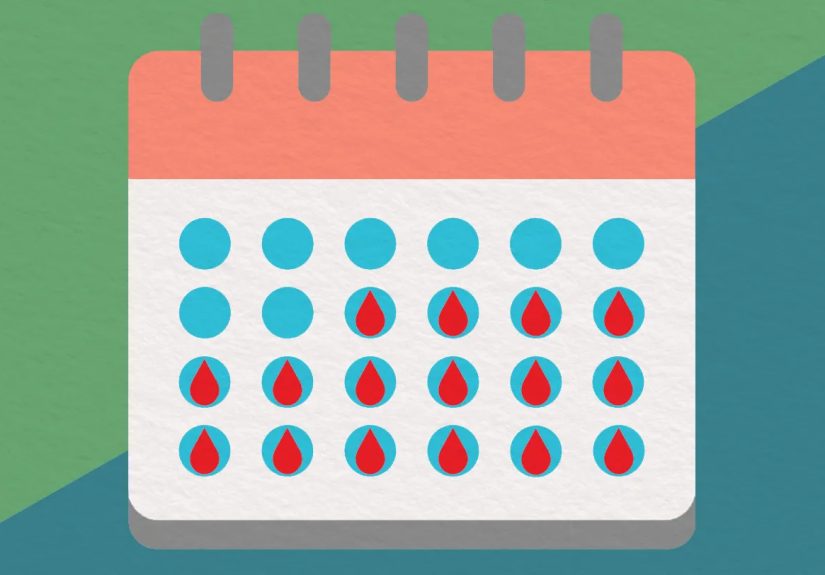
Menstrual cycles vary, but many periods last a few days and typically fall in a range of roughly 2 to 7 days.
When bleeding goes on longer than 7 days, clinicians often consider it “prolonged” or part of what’s called
abnormal uterine bleeding (AUB). A long period can also overlap with heavy menstrual bleedingand
those two often travel together like uninvited party guests.
Here’s a simple “should I pay attention?” checklist:
- Duration: Bleeding lasts more than 7 days.
- Flow impact: You’re changing pads/tampons much more often than usual, or it disrupts school, work, sleep, or daily life.
- Pattern shift: Your periods used to be predictable, and now they’re longer (or you’re spotting between periods).
- Body clues: You feel unusually tired, short of breath with activity, lightheaded, or “mysteriously” wiped outpossible signs of iron deficiency.
A one-off longer period can happen for benign reasons (stress, illness, travel, a new medication), but
repeated prolonged bleeding deserves a real explanationnot just a new brand of pads.
Why long periods happen: the most common causes
Think of your menstrual cycle as a monthly production with a director (your brain), a stage manager (your hormones),
and a set (your uterus). Long periods can happen when the timing cues get messy, or when something structural on the set
changes how bleeding occurs.
Hormonal timing issues (ovulation didn’t show up, or showed up late)
Many long periods come from ovulatory dysfunctionmeaning ovulation is irregular or not happening.
When ovulation doesn’t occur, progesterone may be lower than expected, and the uterine lining can build up and shed
unpredictably. The result can be prolonged bleeding, spotting, or a “why is this still happening?” period.
This is especially common during:
- The first few years after the first period: Cycles can be irregular as the body calibrates.
- Perimenopause: Hormones fluctuate as the body approaches menopause.
- Conditions like PCOS: Polycystic ovary syndrome can affect ovulation patterns.
- Thyroid disorders: Thyroid hormones influence menstrual regularity.
- Major stress, sleep disruption, weight changes, or intense training: Your body sometimes “votes” to de-prioritize reproduction when resources feel scarce.
Uterine “structure” causes (the set has new furniture)
Sometimes the issue isn’t timingit’s anatomy. Common structural causes of prolonged or heavy bleeding include:
- Fibroids (leiomyomas): Noncancerous growths in the uterine muscle that can increase bleeding or prolong it.
- Polyps: Small growths in the uterine lining or cervix that can cause spotting or longer bleeding.
- Adenomyosis: Tissue similar to the uterine lining grows into the uterine muscle, often linked with heavy/prolonged bleeding and cramping.
- Endometriosis: Can contribute to pelvic pain and abnormal bleeding patterns in some people.
Bleeding disorders and clotting problems (the “stop” button is slow)
If you’ve had heavy or prolonged periods since your first cyclesor you bruise easily, get frequent nosebleeds,
or have a family history of bleeding issuesyour clinician may consider a bleeding disorder.
One of the most common inherited causes is von Willebrand disease.
This doesn’t mean anything dramatic is happening; it means your body may clot a bit differently, and that can show up
most clearly during menstruation (because menstruation is basically a monthly test of your body’s “bleeding control” systems).
Medications, devices, and medical conditions outside the uterus
A long period can also be related to:
- Blood thinners or medications that affect clotting.
- Some hormonal contraceptives, especially during the first few months as your body adjusts.
- The copper IUD, which can increase bleeding for some users.
- Liver or kidney disease (less common, but relevant in certain cases).
- Infections (including some STIs) that irritate the cervix or uterus and contribute to bleeding changes.
Pregnancy-related bleeding (important to rule out)
If there’s any chance of pregnancy, clinicians typically want to rule it out early.
Bleeding that seems like a “long period” can sometimes be early pregnancy bleeding, pregnancy loss,
or (rarely but urgently) an ectopic pregnancy. If bleeding is paired with significant pain, dizziness,
fainting, or you feel unwell, don’t waitget medical help right away.
When prolonged bleeding is a red flag
It’s reasonable to monitor a mild one-time change. But seek urgent care (or contact a clinician promptly) if you have:
- Bleeding that lasts more than 7 days repeatedly or is getting longer over time.
- Bleeding so heavy that you need to change pads/tampons very frequently for hours in a row.
- Lightheadedness, fainting, racing heart, or feeling weakpossible signs of significant blood loss or anemia.
- Bleeding between periods that’s new for you, or after sex.
- Severe pelvic pain with bleeding, especially if pregnancy is possible.
- Bleeding after menopause (always warrants prompt evaluation).
Translation: if your period is interfering with life, it’s not “just inconvenient.” It’s a symptomand symptoms deserve answers.
How clinicians evaluate long periods
The goal is to find the cause and check for complications like anemia. Expect some combination of:
1) A detailed history (yes, the questions are specific on purpose)
You may be asked when the bleeding started, how long it lasts, whether it’s heavy or mostly spotting,
whether you have pain, what medications you use, and whether you have symptoms of anemia (fatigue, dizziness).
If you’re comfortable, it helps to bring notes from a period-tracking app or a quick calendar log.
2) Physical exam and basic labs
Common tests include a pregnancy test (when relevant) and a complete blood count (CBC) to check for anemia.
Depending on symptoms, clinicians may also check thyroid function, iron levels, or tests for bleeding disorders.
3) Imaging (often an ultrasound)
A pelvic ultrasound can help identify fibroids, polyps, and other structural causes.
Sometimes saline sonohysterography (an ultrasound with fluid in the uterus) is used to better visualize the uterine lining.
4) Endometrial sampling (select situations)
In certain age groups and risk profilesespecially people 45 and older, or younger people with specific risk factors
clinicians may recommend sampling the uterine lining (biopsy) to evaluate for abnormal tissue changes.
This is not because cancer is “likely,” but because ruling out serious causes is part of safe medicine.
Treatment options: what actually helps
Treatment depends on the cause, your age, whether you’re trying to get pregnant now or later, and how much the bleeding affects your life.
Many people improve with medication. Surgery is usually reserved for specific structural problems or persistent symptoms.
Medications that can reduce bleeding
-
NSAIDs (like ibuprofen or naproxen): Often reduce menstrual blood loss and help cramps when taken as directed during the period.
(Avoid if a clinician has told you not to use NSAIDs.) -
Tranexamic acid: A prescription medication taken only during bleeding days that can reduce menstrual blood loss for some people.
It’s not a hormone; it works by helping stabilize clot breakdown. -
Hormonal contraception: Pills, patch, ring, shot, implant, or certain IUDs can thin the uterine lining and make bleeding lighter and more predictable.
Some methods can also reduce the number of bleeding days. - Progestin therapy: Sometimes used cyclically or continuously to stabilize the liningespecially when ovulation is irregular.
Treating the underlying cause
- Fibroids/polyps: Options range from medication to procedures that remove polyps or shrink/remove fibroids.
- Thyroid disease: Treating thyroid imbalance may help normalize cycles.
- Bleeding disorders: Management may include hormonal therapy, tranexamic acid, or condition-specific treatments guided by hematology.
- Infection: Treating the infection can reduce irritation-related bleeding.
Procedures (when needed)
If medication doesn’t help, or imaging shows a clear structural culprit, clinicians may recommend procedures such as
hysteroscopy (looking inside the uterus), polyp removal, fibroid-focused treatments, or (in select cases) endometrial ablation.
Hysterectomy is generally a last-resort option for people who have completed childbearing and have persistent, severe symptoms.
Practical tips while you’re figuring it out
- Track patterns: Start/end dates, spotting days, and symptoms (fatigue, cramps, headaches).
- Watch for anemia signs: Unusual exhaustion, dizziness, pale skin, shortness of breath with activityask about iron testing.
- Protect your energy: Long bleeding can be draining even when it’s not “heavy.” Rest is not laziness; it’s maintenance.
- Don’t self-prescribe supplements blindly: Iron can help if you’re deficient, but too much iron isn’t harmlessget guidance.
- Bring specifics to appointments: “It’s been 10–12 days for three cycles” is more actionable than “it feels long.”
FAQs people ask (often in a whisper)
Can stress really make my period longer?
Stress can affect the hormones that coordinate ovulation and cycle timing, which can lead to irregular or prolonged bleeding in some people.
It’s not “all in your head”it’s biology responding to load.
Is it normal to have longer bleeding after starting birth control?
Breakthrough bleeding or longer spotting can happen during the first few months on a new hormonal method.
If it’s severe, persistent, or worsening, check in with your cliniciansometimes a dose or method change makes a big difference.
What if my periods have always been long?
Long-standing heavy or prolonged periodsespecially from the startcan be a clue to inherited bleeding tendencies or chronic ovulation issues.
“Always” is useful medical information. Mention it.
When is “wait and see” reasonable?
If you have one unusual cycle after a temporary trigger (illness, travel, big stress) and you feel otherwise okay, monitoring may be reasonable.
But if prolonged bleeding repeats, impacts daily life, or comes with symptoms of anemia, it’s time to get evaluated.
Real-Life Experiences With Long Periods (What It Can Look Like Day-to-Day)
Medical definitions are helpful, but lived experience is where long periods really show their personalityusually as the clingy houseguest
who “just needs one more day” and then stays two weeks. Below are composite, real-world-style experiences that mirror common patterns clinicians see.
If any of these feel familiar, you’re not being dramaticyou’re being observant.
Experience 1: “I thought this was just my new normal” (early teen years)
A student notices their period sometimes lasts 9–12 days. The flow isn’t always intense, but it’s persistentspotting, then light bleeding, then spotting again.
They start packing extra supplies “just in case,” and gym class becomes a strategic operation. They also feel more tired than usual and chalk it up to school stress.
At a routine visit, the clinician explains that in the first few years after the first period, cycles can be anovulatory and unpredictable.
But because the bleeding is prolonged and fatigue is creeping in, they check for anemia and ask screening questions about bleeding disorders.
The student leaves with a plan: track cycles for a few months, treat cramps safely, consider iron testing, and follow up if the pattern continues.
The biggest emotional win? Hearing, “This is commonand treatable,” instead of “Just deal with it.”
Experience 2: “My calendar is fine. My uterus is freelancing.” (busy adult life)
Someone in their 30s with a packed schedule realizes their period is stretching from 5 days to 8 or 9, and the first few days feel heavier than they remember.
They’re not in pain, so they ignore ituntil they start planning meetings around bathroom access and notice they’re winded climbing stairs.
Labs show iron deficiency. An ultrasound later reveals fibroids.
Treatment isn’t one-size-fits-all: they discuss medication options, a hormonal IUD, and procedures depending on symptom severity and future pregnancy plans.
What surprises them most is how much better daily life feels once bleeding is controlledmore energy, fewer “emergency supply runs,” and less anxiety about being caught unprepared.
Experience 3: “Why am I bleeding… again?” (birth control adjustment period)
Another person starts a new contraceptive method and experiences weeks of on-and-off spotting.
It’s not painful, but it’s annoyinglike a faucet that never fully shuts off. They worry something is wrong, but a clinician explains that
breakthrough bleeding can happen as the uterine lining adjusts, especially in the first few months.
Together, they set a time frame for reassessment (for example, reevaluating after a few cycles), review warning signs, and discuss whether switching
formulations could help if symptoms persist. The result is reassurance plus a plantwo things the internet rarely delivers in the same package.
Experience 4: “It wasn’t just periodsI bruise like a peach.” (bleeding disorder clue)
Someone reports long, heavy periods since the beginning, plus frequent nosebleeds and easy bruising.
They assumed it was random bad luck (and maybe aggressive door handles). A clinician recognizes the pattern and orders testing for a bleeding disorder.
Getting the right diagnosis changes everything: now treatment can be targeted. Instead of guessing, their care team can consider options like tranexamic acid
during bleeding days, hormonal methods to reduce bleeding, and specialist input when needed.
The emotional impact is hugebecause once you have a name for what’s happening, you can stop blaming yourself for not being “tough enough.”
Experience 5: “Perimenopause feels like puberty’s sequel, but with bills.”
A person in their 40s notices periods becoming unpredictablesometimes skipped, sometimes prolonged.
One month it’s 3 days, the next it’s 10. They also have sleep changes and mood shifts, and they’re not sure what’s connected.
The clinician explains that perimenopause can bring cycle variability, but prolonged or heavy bleeding still needs evaluation.
They review risk factors, consider imaging, and discuss symptom control options. The takeaway: even when hormones are changing “normally,”
you still deserve care if bleeding is disrupting your life.
Across these experiences, a theme repeats: long periods aren’t just a calendar issue. They affect energy, confidence, school/work performance,
sports, travel, and mental load. If you’re organizing your entire week around bleeding, that’s enough reason to ask for help.
Conclusion: long periods aren’t “nothing,” but they’re often fixable
A prolonged period can be a short-term blipor a signal worth investigating. The good news is that most causes of long or heavy bleeding are manageable
once identified. If your bleeding lasts more than 7 days, keeps happening, or comes with symptoms like fatigue or lightheadedness, it’s time to talk to a clinician.
You don’t need to “earn” medical care by suffering first. Your body is giving you data. You’re allowed to use it.