Table of Contents >> Show >> Hide
- What Makes “Maine Modern” Feel So New England?
- Thrifty Minimalism: Where the Budget Actually Goes
- The Shingle Skin: Why It’s Beautiful (and Why It’s Practical)
- Windows, Views, and the Quiet Power of “Awning Everything”
- Inside: Yankee Minimalism That Doesn’t Feel Like a Dentist Waiting Room
- Floor Plan Tricks That Make Minimalism Work in Real Life
- Cold-Climate Smarts: The Performance Side of Thrifty
- How to Steal This Look Without Building a Whole New House
- Mistakes That Turn “Minimalist” into “Miserable”
- Conclusion: The Thrifty New England Luxury Is…Calm
- Experience Notes: Living With (and Visiting) the “Maine Modern” Vibe
Some houses show off. This one mostly shrugs, pulls on a perfectly sensible sweater, and quietly wins the whole room anyway.
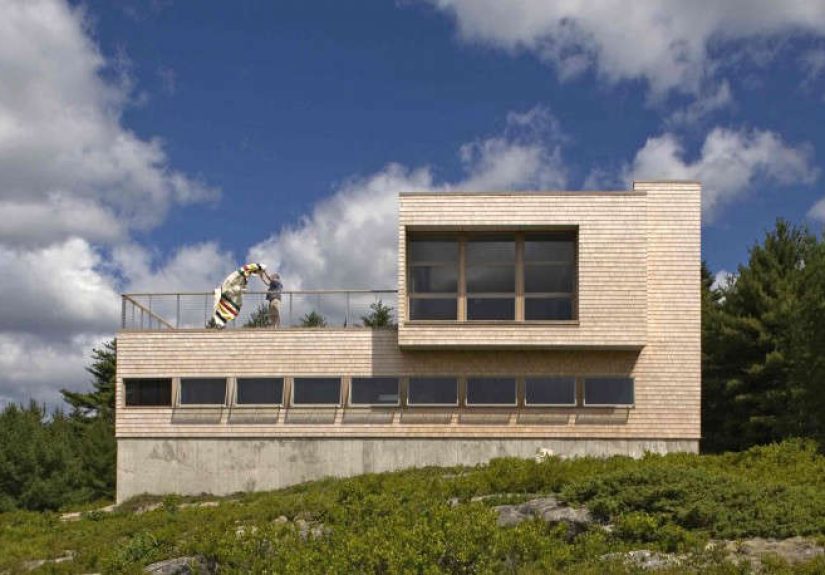
Welcome to “Maine Modern”a crisp, minimalist shingled home that channels classic New England restraint without turning into a museum of
ship-lap nostalgia. It’s modern, but not “look at me, I’m a cube.” It’s thrifty, but not “we built the cabinets out of hope and leftover cereal boxes.”
It’s the architectural equivalent of a good flannel shirt: simple, hardworking, and somehow always the right choice.
[1]
The Remodelista feature that inspired this conversation frames the project as a reset: two longtime residents of a traditional 1840s Maine house
wanted a complete change, and they chose space, views, and craftsmanship over fussy finishes. [1]
That decisionspend where it matters, simplify everywhere elseis basically the unofficial state motto for a certain stripe of Down East practicality.
What Makes “Maine Modern” Feel So New England?
A familiar skin (shingles), a modern silhouette
The genius move is the outer layer: shingles. In New England, shingles aren’t a trendthey’re a vernacular.
Used across decades of coastal cottages and shingle-style homes, they visually soften a building and help it sit naturally in rugged landscapes.
Wrap a minimalist form in shingles and it stops looking like a design experiment and starts looking…inevitable. [5]
Shingle-style architecture is known for continuous surfaces and an “envelope” feelingless ornament, more cohesive massing.
Even when the interior is open and modern, that continuous shingle skin can read calm, grounded, and coastal. [5]
Maine Modern leans into that logic: clean lines, simple planes, and a cladding choice that doesn’t fight the setting. [1]
The landscape does the decorating
One Remodelista detail that matters: the home’s siting among granite outcroppings and forest, with big views toward Mount Desert Island. [1]
When your “art” is an ever-changing horizon, you don’t need a chandelier that looks like it belongs in a royal wedding.
You need windows, restraint, and the confidence to leave a wall mostly empty without panicking.
Thrifty Minimalism: Where the Budget Actually Goes
“Thrifty” in a design headline can mean two very different things:
- Option A: “We saved money by making everything smaller and less comfortable.”
- Option B: “We spent intentionallyon structure, craft, and performanceand kept the rest clean and simple.”
Maine Modern is firmly Option B. Remodelista describes fuss-free interiors where the payoff is space and views rather than expensive finishes. [6]
A standout example: painted MDF (medium-density fiberboard) used for built-in elements, paired with durable laminate counters.
That’s not “cheap”; it’s strategic. It’s choosing a reliable workhorse material, finishing it well, and letting craftsmanship carry the aesthetic. [1]
Built-ins: the minimalist’s secret weapon
Minimalism works best when storage is planned, not improvised. Built-ins reduce visual clutter because they remove the need for extra furniture and
create a more continuous, architectural look. Many minimalist interiors rely on discreet storage and functional layouts to keep spaces feeling calm. [8]
In this house, the built-in approach shows up in custom bed frames and integrated surfaces that pull double duty. [1]
The Shingle Skin: Why It’s Beautiful (and Why It’s Practical)
Why cedar shingles are a coastal classic
Cedar shinglesespecially white cedarare prized in coastal New England for their durability and their ability to weather to a silvery gray.
They can be left untreated for that natural aging, or finished if a consistent color is the goal. [11]
This isn’t just aesthetics: in salty air, windy weather, and dramatic seasonal swings, a material that ages gracefully is a huge win.
Maine Home + Design has highlighted projects that use unfinished eastern white cedar shakes specifically for that “weather to gray and blend in” effect. [15]
That’s the same visual philosophy Maine Modern taps: let the exterior be calm, matte, and landscape-friendly, so the house doesn’t have to shout.
Maintenance reality (a.k.a. shingles are not magic)
A shingled exterior is wonderfully forgivinguntil you ignore drainage, flashing, or ventilation.
Fine Homebuilding discussions about cedar siding maintenance repeatedly come back to the same truth: longevity depends on moisture control and details
like flashing, exposure, and allowing the wood to breathe. [13]
Translation: you can be minimalist, but you still need to be serious about the boring parts. The boring parts are what keep the pretty parts pretty.
Windows, Views, and the Quiet Power of “Awning Everything”
Remodelista notes that Andersen awning windows were used throughout the house. [1]
That choice fits the whole project ethos: practical, consistent, and quietly smart.
Why awning windows fit a Maine climate
Awning windows are top-hinged and open outward, creating a canopy effect that can allow ventilation even during light rain. [3]
That’s useful in places where weather changes its mind hourly.
They also tend to seal tightly when closed, which supports energy performancehelpful when winter is not a “season” so much as a lifestyle. [10]
Pair awning windows with larger fixed panes and you get the best of both worlds: big views and daylight, plus controlled ventilation. [3]
It’s a very “Maine Modern” solution: don’t add complexityjust pick components that do multiple jobs well.
Inside: Yankee Minimalism That Doesn’t Feel Like a Dentist Waiting Room
Minimalist interiors can go two ways: serene, or “I’m afraid to blink in here.”
The warmer, more livable version tends to follow a few recurring rules:
keep a restrained palette, prioritize function, and use texture and natural light to avoid feeling sterile. [9]
A calm palette with purposeful “anchors”
Remodelista describes the owners reducing belongings to a bare minimum but keeping a few meaningful standouts (like a grandfather clock). [1]
That’s a key move: minimalism isn’t about having nothing; it’s about having fewer things that matter more.
A single heirloom or a locally made dining table becomes a visual anchor, not clutter. [1]
Clean lines, built-in storage, and fewer “visual decisions”
The Spruce notes that minimalist spaces often feel calm because they use uncluttered layouts, functional furniture, and subtle palettesoften with
built-in storage doing the heavy lifting. [7]
Maine Modern’s built-in beds, integrated desks, and simplified kitchen approach all support that: fewer separate pieces means fewer competing shapes.
The space feels bigger because the visual noise is lower. [1]
Floor Plan Tricks That Make Minimalism Work in Real Life
Minimalism isn’t just a style; it’s a logistics plan.
If the layout is awkward, “minimal” quickly turns into “where do we put the vacuum?”
Symmetry and repetition (the budget-friendly kind)
Remodelista describes two identical bedrooms downstairs and a bare-bones shared bathroom between them. [1]
Repetition like that is quietly thrifty: it can simplify framing, reduce custom detailing, and make mechanical runs more efficient.
It also makes the home easier to understandguests don’t need a map to find the bathroom, and the house doesn’t need extra corridors just to feel fancy.
Small “bonus spaces” instead of oversized everything
One detail that feels especially New England: the tiny screened porch accessed by French doors from the bedroom. [1]
It’s not a giant, expensive sunroom. It’s a modest, bug-proof slice of outdoorsthe kind of practical luxury that feels earned.
Cold-Climate Smarts: The Performance Side of Thrifty
A truly thrifty New England house isn’t just cheaper to buildit’s cheaper to live in.
In cold climates, that means paying attention to air leakage and insulation, because drafts are basically money escaping your home at high speed.
Air sealing: the unsexy hero
The U.S. Department of Energy emphasizes that reducing air leakage is a cost-effective way to cut heating and cooling costs, improve comfort,
and increase durability; common DIY tactics include caulking and weatherstripping. [2]
Maine efficiency guidance similarly highlights air sealing as a key strategy to reduce drafts and heat loss. [14]
If you want minimalist calm indoors, eliminating the “freezing breeze that haunts the hallway” helps.
Smarter window strategies (not just “more glass”)
Big windows are gorgeous, but they’re only “thrifty” if they’re chosen and installed well.
ENERGY STAR materials discuss how better-performing window products can improve comfort and reduce energy costs, and also point to incentives and
tax credits that sometimes apply to qualifying upgrades. [12]
The lesson: if you’re going to prioritize views, make sure the glazing and detailing support year-round comfort.
How to Steal This Look Without Building a Whole New House
Not everyone has a prime plot next to Mount Desert Island (and if you do, please adopt me as your interior-design pen pal).
But you can still borrow the “Maine Modern” approach in realistic ways.
1) Pick one “quiet exterior” move
- Shingles or shingle-like texture: If full cedar isn’t in the budget, consider a shingle accent volume or a rainscreen-style approach where appropriate.
- Let materials weather: The point is softness and low glare, not glossy perfection.
2) Make the kitchen a “camouflaged work zone”
Remodelista highlights a simple kitchen that visually recedes, with concealed appliances and a white island built from painted MDF and laminate counters. [1]
You can do a version of this by using:
- Flat-front cabinet doors (less visual fuss)
- One consistent countertop material (fewer transitions)
- A limited hardware palette (or integrated pulls)
3) Use built-ins to delete clutter
Minimalism gets easier when you stop relying on open shelves to “hold your life together.”
Apartment Therapy’s minimalist guidance emphasizes function, simplicity, and restrained palettesmeaning storage needs to be intentional. [9]
Even a single built-in bench with closed storage can replace three random pieces of furniture and instantly reduce the messy look.
4) Spend on craftsmanship where your hands go
You don’t need expensive everything. But you do want the things you touch dailydoors, handles, stairs, seatingto feel solid.
Remodelista’s framing of the house leans heavily on craftsmanship doing the “luxury” work instead of flashy finishes. [1]
Mistakes That Turn “Minimalist” into “Miserable”
- Ignoring moisture detailing on a shingle exterior: Cedar longevity is tied to flashing, drainage, and allowing materials to breathe. [13]
- Choosing big glass without thinking about comfort: Better windows and good installation matter for energy performance and comfort. [12]
- Decluttering without adding storage: Minimalism isn’t “own nothing”; it’s “store smart so the space stays calm.” [7]
- Over-whiting the interior: If everything is white and hard-surfaced, the space can feel cold. Layer in texturewood, linen, wool, or matte finishesto keep it human.
Conclusion: The Thrifty New England Luxury Is…Calm
Maine Modern isn’t about expensive statements. It’s about disciplined choices:
a shingled exterior that belongs in its landscape, a layout that repeats what works, windows chosen for real-life weather, and interiors that prioritize
function, light, and breathing room. [1]
The result is a house that feels modern without being loudand “thrifty” without being stingy.
If you take one lesson from the Remodelista story, make it this:
your budget is a spotlight. Point it at craftsmanship, performance, and the handful of details you’ll live with every day.
Let everything else be simple enough to disappearand you’ll end up with the rarest thing of all: a home that feels easy to be in.
Experience Notes: Living With (and Visiting) the “Maine Modern” Vibe
Picture this: you’re driving a narrow road that alternates between forest shade and sudden bright clearings, and thenboomgranite.
Maine has a way of making the land feel ancient and unbothered, like it’s seen every design trend come and go and would prefer you stop talking about
“statement walls.” When a minimalist shingled house shows up in that setting, it doesn’t feel like a flex. It feels like a respectful conversation.
The shingles read almost like outdoor clothingpractical, weather-ready, and meant to age. [15]
If you’ve ever stayed near the coast during a shoulder seasonwhen mornings are bright, afternoons get windy, and evenings turn chilly fastyou start
to understand why “simple” is not the same as “basic.” Simple, in Maine terms, means the house is prepared.
It’s the difference between a home that looks great on a sunny weekend and a home that still feels good when the weather flips.
That’s where choices like tight-sealing windows and good air sealing stop being background details and become the reason you’re comfortable in socks,
not in survival gear. [2]
Inside a minimalist place like this, the first thing you notice is what you don’t notice: there isn’t a constant hum of stuff asking for attention.
No “decor shouting match” between ten patterns, three finishes, and a lamp that desperately wants an award.
The room’s job is to hold youquietlywhile the view does the storytelling. You start to appreciate how a single well-made chair can feel more special
than a whole living room set. And you realize why people who actually live in these spaces keep a few meaningful anchors instead of filling every corner:
that one heirloom piece or locally made table becomes a marker of life, not clutter. [1]
There’s also a very real, very practical pleasure in the “camouflaged kitchen” idea.
In a lot of homes, the kitchen is visually busy even when it’s cleanappliances, mismatched gadgets, piles of mail, a blender that looks like it’s
plotting something. But when the kitchen is designed to recede (flat fronts, consistent surfaces, fewer visual breaks), your brain rests.
It’s easier to cook because you’re not fighting chaos.
And when you’re done, the space returns to being a backdrop for conversation, coffee, and staring out the window like you’re in a moody indie film
about a person who finally learned to enjoy quiet. [1]
The “thrifty” part shows up in how the house encourages better habits. You don’t want to buy random décor just to fill spacebecause the space is the
point. You become pickier (in a good way). You’ll thrift for one perfect bench instead of collecting five okay side tables.
You’ll upgrade the thing that’s annoying you every day (a drafty window, a messy entry) instead of spending money on accessories that mostly photograph well.
And if you’re the kind of person who loves a project, you’ll find yourself caring about invisible winsweatherstripping, sealing, shade strategies
because they make the minimalist calm feel real, not staged. [2]
Most of all, the Maine Modern vibe is a reminder that luxury can be quiet: warm light, honest materials, views you never get tired of,
and rooms that don’t demand you constantly “style” them. It’s not a house that needs applause. It’s a house that gives you your attention back.