Table of Contents >> Show >> Hide
- What Makes Wescover Different From a Typical Home Decor Marketplace?
- Why Artisan-Made Wares Still Matter in the Age of Fast Everything
- How Wescover Works for Shoppers
- Why Wescover Appeals to Designers, Stylists, and Trade Buyers
- Why Makers Benefit From the Platform
- The Real Secret Sauce: Context
- What Buyers Should Keep in Mind Before Ordering
- Wescover’s Bigger Role in the Design Economy
- Experience: What It Feels Like to Shop a Maker-Led Marketplace Like Wescover
- Conclusion
Shopping for home decor online can feel a little like speed dating with throw pillows. You scroll, you squint, you wonder whether that “hand-finished” vase was truly shaped by a human being or by a very ambitious factory robot. That is exactly why marketplaces like Wescover stand out. Instead of treating design like a pile of anonymous products, Wescover puts the spotlight where it belongs: on the people who actually make the work.
At its core, Wescover is a marketplace built around original creators, thoughtful decor, and the stories behind the objects that fill a home. It is a place where shoppers can discover artisan-made wares, independent artists, small studios, and design-minded makers whose work would otherwise get buried beneath the digital avalanche of mass-market sameness. In a world full of copy-and-paste interiors, that feels refreshing.
This matters now more than ever. Buyers are increasingly drawn to handmade home decor, small-batch furniture, one-of-a-kind art, and objects with a clear sense of origin. Designers want pieces that help a room feel collected rather than cloned. Homeowners want purchases that feel personal. Makers want visibility, fairer access to customers, and a way to present their work with context instead of tossing it into an algorithmic blender. Wescover sits at that intersection, which is why it has become such an interesting name in the artisan marketplace space.
What Makes Wescover Different From a Typical Home Decor Marketplace?
Wescover did not begin as a generic online store for decorative objects. Its origin story is rooted in a simple but compelling idea: people often fall in love with the art, furniture, lighting, and finishes they see in restaurants, hotels, and beautifully designed homes, but they rarely know who made them. Wescover set out to make those creators visible.
That creator-first DNA still shapes the platform. Rather than centering a giant private label or a parade of lookalike listings, Wescover positions itself as a marketplace for mindful art and decor. The phrasing matters. “Mindful” suggests that the platform is not merely selling things; it is encouraging more intentional shopping. Instead of asking, “Does this match my sofa?” it nudges buyers toward a better question: “Who made this, why does it exist, and do I want to live with it for years?”
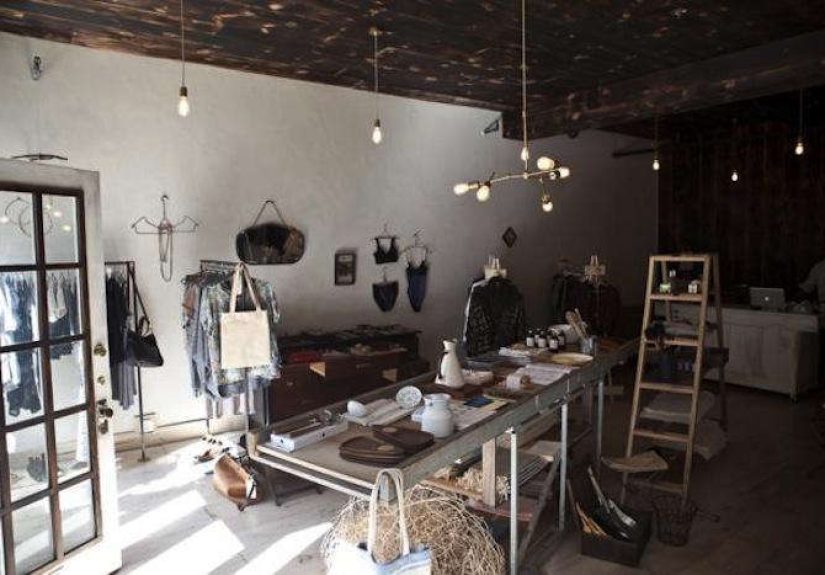
That shift may sound subtle, but it changes the shopping experience. On Wescover, the creator is not hidden behind the product page. The maker is the point. The story is the selling proposition. The object is not stripped of context. It arrives with a name, a studio, often a process, and frequently a broader creative identity. In practical terms, that makes the platform feel less like a warehouse and more like a digital design fair that never closes.
Why Artisan-Made Wares Still Matter in the Age of Fast Everything
Mass retail is efficient, but efficiency is not the same as meaning. A handmade ceramic lamp, a woven textile, or a sculptural chair carries something that factory-perfect decor often cannot: evidence of a point of view. Slight irregularities become part of the charm. Material choices feel deliberate. Texture has depth. Even when the item is not literally one of one, it still tends to feel more alive than something churned out by the tens of thousands.
That is one reason artisan-made wares continue to resonate with both consumers and trade professionals. Handmade and small-batch design bring character into a room. They also answer a cultural appetite for authenticity. Today’s shoppers are savvier about origin, craftsmanship, and creative labor. They increasingly want to support independent makers, women-owned businesses, Black-owned brands, and studios that preserve traditional skills while still producing work that feels current.
Wescover leans into exactly that demand. Its creator discovery model makes it easier to browse beyond generic categories and instead explore work through people, practices, and aesthetics. That approach reflects a broader design movement too. From major shelter magazines to niche interiors editors, there is a clear fascination with handmade pieces, natural materials, emerging designers, and decor that feels artisan-driven rather than algorithm-driven. In that environment, Wescover’s positioning makes a lot of sense.
How Wescover Works for Shoppers
For buyers, the appeal of Wescover is not just visual; it is structural. The marketplace is organized around categories people actually care about in the real world: art and wall decor, furniture, lighting, textiles, tableware, tiles, floral objects, and more. That means the site can function both as a design rabbit hole and as a serious sourcing tool.
Say you are redesigning a dining room and want a pendant light that does not look like it was selected by committee. Or maybe you want a ceramic wall piece, a custom woven hanging, or a statement table that has some actual personality. Wescover gives you a path to those pieces while still preserving the identity of the person behind them. That is key. The platform does not flatten creators into faceless vendors.
Its creator directory also helps discovery feel more intentional. Shoppers can browse a large range of actively selling creators, and the platform highlights pathways such as women-owned and Black-owned creators. That is useful for anyone who wants their spending to align with their values as well as their aesthetic.
Another big advantage is context. Many listings do more than show a product on a white background. They connect a piece to a creator profile, a project, or a real-world setting. In some cases, shoppers can see where a work has been featured or how it lives inside a residential or hospitality environment. That additional layer makes it easier to imagine the object in use and easier to justify an investment purchase. After all, a sculptural side table sounds lovely, but a sculptural side table with a story sounds like a future conversation starter.
Why Wescover Appeals to Designers, Stylists, and Trade Buyers
Wescover is not only speaking to casual home decor shoppers. It also clearly courts professional buyers. That matters because interior designers, stylists, and hospitality teams often need pieces that feel distinctive, not just functional. A good designer is rarely looking for “a lamp.” They are looking for the lamp: the one that solves the room, softens the architecture, adds material contrast, and earns an approving pause from everyone who walks in.
Wescover’s creator-facing messaging makes that professional angle obvious. The platform says many of its buyers are design professionals sourcing for residential projects and even high-profile spaces. For makers, that creates access to an audience that can place larger, more visible, and more repeatable orders. For trade buyers, it creates a deeper bench of original work without requiring them to manually stalk every design fair, maker market, and obscure studio Instagram account on the planet.
This is where Wescover becomes more than a marketplace. It starts to behave like a sourcing ecosystem. The site helps bridge the distance between independent creators and design professionals who need standout pieces with a credible story. In a market where so many interiors risk looking over-referenced and under-lived, that is a valuable service.
Why Makers Benefit From the Platform
For artists, craftspeople, and design studios, visibility is often the hardest part of the business. Making the work is one challenge. Getting seen by the right audience is another challenge entirely. The internet is full of marketplaces, but not all of them are built to honor creative identity. Some push sellers into a race to the bottom on price. Others encourage so much sameness that originality becomes a liability instead of an advantage.
Wescover offers a different proposition. It frames creators as the heart of the platform and gives them room to show more than a single product image and a price tag. A creator can present a broader portfolio, describe process, connect items to projects, and make the work legible as part of a practice rather than a random listing. That can be especially useful for multidisciplinary makers whose worlds span art, interiors, objects, and commissions.
Examples on the platform make that clear. Some creator pages foreground process and philosophy; others show where the work has been installed, commissioned, or featured. That is far more valuable than a stripped-down catalog grid because it gives buyers reasons to trust the work and remember the name behind it.
There is also a practical side. Wescover promises buyers a more confident shopping experience through platform policies and positions its community as one of vetted creators. That trust layer matters. When independent makers sell online, credibility is currency. The more a platform can reduce friction for buyers, the more likely it is that a creator gets the inquiry, the sale, or the commission.
The Real Secret Sauce: Context
If there is one thing Wescover seems to understand better than many competitors, it is that context sells. People do not just buy artisan-made wares because they need an object; they buy because they want a connection. Context transforms a ceramic bowl into a studio practice, a wall hanging into a labor of technique, and a custom bench into an extension of a maker’s worldview.
This may be Wescover’s smartest move. The marketplace does not merely traffic in products; it traffics in legibility. It helps buyers understand why a piece exists, what kind of maker created it, and where it fits in the broader design landscape. That is especially helpful in categories such as art, furniture, lighting, and textiles, where taste and meaning matter just as much as function.
In many ways, this model mirrors what the best galleries, design editors, and independent shops have always done. They do not just put an item on a shelf and hope for the best. They curate, interpret, and give the work a frame. Wescover brings that instinct into e-commerce, which is why it can feel more elevated than a standard marketplace experience.
What Buyers Should Keep in Mind Before Ordering
Of course, buying artisan-made decor requires a slightly different mindset than clicking “add to cart” on a big-box side table and expecting it on your porch before lunch. Many pieces in creator-led marketplaces are made to order, customizable, or produced in smaller runs. That can mean longer lead times, more communication, and more patience.
But that is not a flaw. It is part of the value. A made-to-order item is often not sitting in a warehouse next to 847 identical siblings. It is being created, finished, or prepared by a real studio. If you shop on Wescover, the smart move is to approach the process the way you would approach custom design: read the details, understand dimensions and materials, ask questions when needed, and treat the purchase like something you actually plan to keep.
In other words, do not bring fast-fashion expectations to slow design. That is how people end up confused that a handcrafted dining table is not teleporting out of a cardboard box. Artisan marketplaces reward intention. Buyers who understand that tend to get the most out of the experience.
Wescover’s Bigger Role in the Design Economy
Wescover is interesting not only because it sells beautiful things, but because it reflects where design commerce is heading. The strongest marketplaces today are not just catalog engines. They are identity engines. They help buyers discover values, aesthetics, creators, and communities through commerce.
That is especially relevant in a time when more creatives are trying to build sustainable businesses around craft, and more shoppers are trying to escape mass-market fatigue. Wescover’s evolution, including its newer chapter alongside Book An Artist, suggests that the company sees opportunity in expanding how art, murals, design objects, and creator-led experiences connect on one platform. That broader vision feels aligned with the future of design shopping: more direct, more human, and much less anonymous.
For shoppers, that means more access to original work. For makers, it means more exposure and potentially better business opportunities. For the design industry, it means another signal that the appetite for handcrafted, story-rich decor is not going anywhere.
Experience: What It Feels Like to Shop a Maker-Led Marketplace Like Wescover
There is a very specific feeling that happens when you shop a marketplace like Wescover, and it is completely different from ordinary online retail. You do not feel like you are hunting for inventory. You feel like you are discovering people. That difference is subtle at first, and then suddenly it is everything.
You might start by looking for something practical, like a lamp for the corner of a living room or a piece of wall art for a hallway that has been blank for so long it is practically judging you. But after a few clicks, the experience changes. You are no longer just comparing dimensions and finishes. You are reading about a ceramicist’s technique, noticing the texture in a woven piece, or seeing how a furniture maker balances craft tradition with a modern silhouette. The shopping process becomes slower, but in the best way. It becomes more curious.
That sense of curiosity is one of the biggest emotional advantages of an artisan marketplace. The site invites you to browse with your eyes and your imagination. Instead of settling for whatever looks decent in a thumbnail, you begin to picture the story a piece will carry into your home. A handmade object has a way of changing the room around it. It can make a space feel more layered, more deliberate, and frankly, less like you panic-bought everything during a weekend sale.
There is also a deeper satisfaction in knowing your money is not disappearing into a giant anonymous retail void. On a maker-led platform, the purchase feels more personal. You are supporting a studio, a craft practice, a small business, or an individual artist whose work reflects real time, skill, and experimentation. That knowledge does not just make the product feel better; it makes the decision feel better.
For designers, the experience can be even more rewarding. Wescover works like a creative shortcut without feeling lazy. It helps you source pieces that feel discovered instead of overexposed. You can find a sculptural object, a custom possibility, or a material expression that gives a project originality. And when a client asks, “Where did you find that?” you get to answer with a real maker story instead of mumbling the name of a giant retailer and hoping nobody asks follow-up questions.
Even the imperfections of artisan shopping are part of the appeal. There may be lead times. There may be small variations. There may be back-and-forth conversations. But that friction often creates more attachment, not less. Waiting for a crafted piece can feel like participating in its making, at least a little. The final object arrives with anticipation built in.
That is why marketplaces like Wescover resonate beyond trend cycles. They turn shopping into discovery, purchases into relationships, and decor into something more expressive than mere “stuff.” In a home filled with too many quick buys and too few meaningful ones, that kind of experience feels not just pleasant, but necessary.
Conclusion
Wescover succeeds because it understands that good design is never just about the object. It is about the maker, the material, the process, the setting, and the feeling a piece creates once it enters a space. By giving independent creators room to be seen and giving shoppers better ways to discover artisan-made wares, the platform offers a more thoughtful alternative to conventional decor shopping.
For anyone tired of mass-produced sameness, Wescover is worth paying attention to. It speaks to a growing audience that wants handmade home decor, original art, custom furniture, and story-rich objects from independent makers. It also reminds us that when we buy well-made things from real creators, we are not just decorating a room. We are choosing what kind of design economy we want to live in.