Table of Contents >> Show >> Hide
- What Is a Moving Fridge Magnet Clock?
- Why This Clock Feels Different From Ordinary Timepieces
- How the Clock Actually Works
- Why This Is More Than a Gimmick
- Where a Clock Like This Works Best
- Could You Build One Yourself?
- What This Clock Says About the Future of Home Objects
- Experiences Related to a Moving Fridge Magnet Clock
- Final Thoughts
Most clocks have one job: tell you the time without making a fuss. They hang on a wall, sit on a desk, and quietly tick away like polite little employees. But every now and then, a clock shows up and behaves less like a household object and more like a tiny performance. That is exactly what makes a moving fridge magnet clock so fascinating. Instead of hands sweeping around a face or digits blinking on a screen, this design uses colorful magnetic numbers that slide into place as the minutes change. The result is part timepiece, part kinetic sculpture, and part nostalgia trip straight back to childhood kitchens covered in alphabet magnets, permission slips, and aggressively optimistic grocery lists.
What makes this concept so appealing is not just the engineering, though the engineering is undeniably cool. It is the way the clock turns a familiar, low-tech object into something magical. Fridge magnets are usually static. They hold up takeout menus and family photos. They do not normally glide across a surface like they are being directed by an invisible stagehand. By making them move, the clock transforms a humble material into a memorable experience. It proves that even in a world of smart displays and voice assistants, people still love objects with personality.
For readers interested in design, DIY culture, or unusual home decor, this clock hits a sweet spot. It is clever without being cold, mechanical without feeling sterile, and playful without turning into a toy. Better yet, it reminds us that good design often starts with a wonderfully odd question: what if the magnets on your fridge could tell time?
What Is a Moving Fridge Magnet Clock?
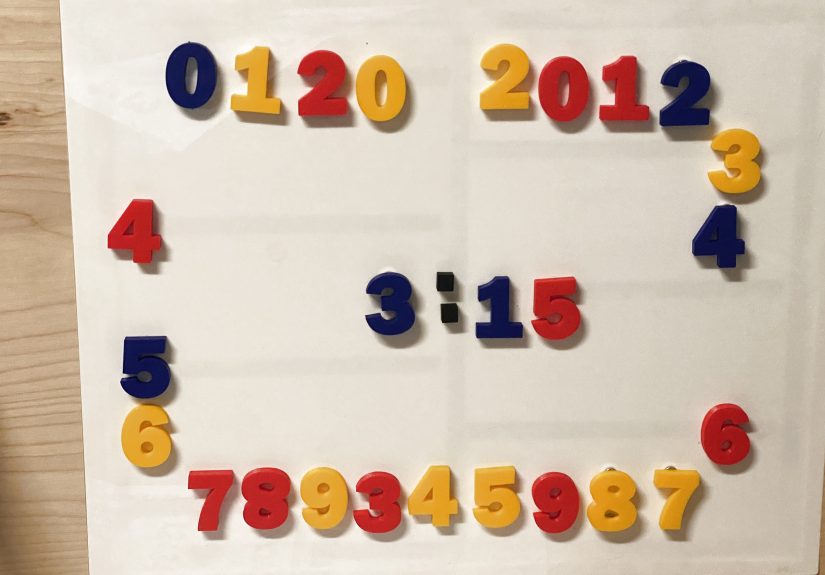
At its core, the moving fridge magnet clock is exactly what it sounds like: a clock that displays time using refrigerator-style magnetic numbers that physically move into place. Rather than relying on a traditional dial or digital screen, the display is made up of separate magnet pieces. Hidden behind the front panel is a motion system that slides those numbers around so the visible arrangement changes as the time changes.
That sounds simple when you say it fast, but the charm is all in the execution. The front looks clean and almost impossible. You see numbers sitting on a white surface, then suddenly they shift. One number glides away, another slips into position, and the time updates with a theatrical little flourish. It is the kind of object that makes people pause in the kitchen mid-snack and say, “Hold on. Did the clock just move?”
This design stands out because it mixes three worlds that do not usually share a table: childhood nostalgia, maker engineering, and home decor. Fridge magnets belong to ordinary domestic life. Precision motion systems belong to CNC machines and 3D printers. Clocks belong to, well, every room in the house. Put them together and you get an object that feels both familiar and delightfully strange.
Why This Clock Feels Different From Ordinary Timepieces
It turns time into motion
Most clocks communicate time with symbols. A hand points. A number appears. A moving fridge magnet clock does something more physical. It shows time by rearranging matter in front of your eyes. That difference matters. Motion naturally grabs attention, and because the movement is slow, deliberate, and visible, the clock feels alive in a way that a standard digital display never can.
That is part of the reason unusual clocks attract such loyal fans. People do not just want a utility object; they want an experience. A clock like this gives you one. It creates a tiny moment of surprise every time the display changes, and those tiny moments add up. Suddenly checking the time is not a dull glance. It is a small event.
It uses nostalgia without getting cheesy
There is a reason fridge magnets have such emotional staying power. They are linked to family life, travel memories, kids’ crafts, and the visual clutter that makes a house feel lived in. In home decor, magnets often bring color, sentiment, and a little happy chaos to an otherwise plain appliance. A moving fridge magnet clock taps into that feeling, but it upgrades it. It takes the playful look of magnetic letters and gives them a purpose beyond decoration.
The result is nostalgic, but not dusty. It feels fresh because the clock does not simply imitate the past; it reinterprets it. That is an important distinction. Plenty of retro-inspired designs stop at “remember this?” This one goes further and asks, “what else could this become?”
It fits the current love of personality-driven decor
Home design has been moving away from perfectly staged, personality-free spaces for a while now. People want rooms that feel collected, expressive, and a little more human. A moving fridge magnet clock fits beautifully into that shift. It is functional, yes, but it also becomes a conversation starter. In a minimalist kitchen, it adds whimsy. In a colorful, maximalist space, it looks right at home. In a studio apartment, it can act like a small piece of kinetic art that just happens to be useful.
How the Clock Actually Works
A magnetic display surface
The build that inspired this article uses magnetic alphabet-style numbers placed on a thin white Plexiglas surface with thin sheet metal laminated behind it. That combination is smart because it lets the front stay visually clean while still giving the numbers something to cling to. The magnets in the plastic numbers hold them in place when they are not being moved, much like they would on a refrigerator door.
From a design perspective, this matters because the front panel needs to look simple. If the face were bulky, exposed, or overly mechanical, the illusion would weaken. The clean white surface makes the motion feel more magical. It is basically a stage, and the numbers are the performers.
A hidden CoreXY-style motion system
Behind the face is where the fun starts. The numbers are moved by a CoreXY-style mechanism, the kind of motion system people often associate with 3D printers and CNC tools. In this clock, the carriage behind the display uses magnets to engage with the magnet numbers on the front. Once a number is captured, it can be slid into a new position. When the number reaches its destination, the carriage disengages, and the number remains in place on the magnet-friendly front panel.
This is why the clock looks almost spooky from the front. You do not see gears or hands. You just see numbers obeying unseen instructions. It is a practical mechanism, but visually it reads like a magic trick. That combination is gold for product design.
Electronics keep the trick honest
Under the hood, the clock uses a microcontroller, real-time clock hardware, stepper motors, and motor drivers to keep everything synchronized. That detail matters because a novelty display still has to do the boring part well: keep accurate time. The hidden motion can be whimsical, but the timekeeping has to be reliable or the whole thing becomes a very expensive kitchen prank.
What makes the build especially interesting is that it borrows tools and concepts from maker culture rather than traditional clockmaking. That reflects a broader trend in DIY design: people are increasingly comfortable mixing mechanical movement, electronics, 3D-printed parts, and off-the-shelf components to create objects that would have seemed wildly impractical a decade ago.
Why This Is More Than a Gimmick
It would be easy to dismiss a moving fridge magnet clock as a cute internet oddity. Cute? Absolutely. Odd? Also yes. But gimmick? Not quite. The best gimmicks die after five seconds. The best designs stay interesting because they solve a familiar problem in a memorable way. This clock does exactly that. It tells time clearly, but it also adds delight, texture, and motion to a room.
There is also a deeper design lesson here. Great product ideas often come from rethinking everyday objects rather than inventing entirely new ones. Fridge magnets are not glamorous. Neither are clocks. But when the designer changes the relationship between them, both objects feel new again. It is a reminder that innovation does not always require futuristic materials or giant touchscreens. Sometimes it just requires curiosity, patience, and the willingness to ask a slightly ridiculous question.
And frankly, slightly ridiculous questions are often where the fun lives.
Where a Clock Like This Works Best
The most obvious home for a moving fridge magnet clock is the kitchen. That is where the visual language makes immediate sense. Magnets already belong there, so the clock feels native to the space rather than forced into it. It could sit near a breakfast nook, on a magnetic board, or as a mounted wall feature that echoes the look of a fridge door.
But the kitchen is not the only option. In a home office, it could serve as a playful antidote to all the sterile black rectangles that dominate modern work life. In a family room, it would bridge the gap between adult design and kid-friendly charm. In a classroom, studio, or makerspace, it could become a perfect example of how engineering and design can work together without losing their sense of humor.
There is also strong commercial potential in a refined version of this idea. Boutique decor brands, museum gift shops, design stores, and high-end maker marketplaces all thrive on objects that feel smart, tactile, and a little unexpected. A polished moving magnet clock could absolutely find an audience among people who are tired of generic smart home gadgets that all look like they were designed by a very efficient cloud.
Could You Build One Yourself?
In theory, yes. In practice, you would want a good mix of patience, mechanical understanding, and tolerance for trial and error. This is not the kind of weekend project you casually start between folding laundry and pretending to answer emails. The alignment has to be right. The motion has to be smooth. The magnets have to engage and release consistently. The software has to know where every number belongs. One tiny miscalculation and your 10:45 display might turn into abstract fridge poetry.
Still, that challenge is part of the appeal. The project sits in a sweet spot for advanced makers because it involves visible motion, a delightful user-facing result, and enough mechanical complexity to stay interesting. It is also highly customizable. You could change the size, the colors, the typeface of the numbers, the frame materials, or even the display format. You could lean minimalist and modern, or go fully retro with bold colors that look like they came straight from a 1980s kitchen.
That flexibility is one reason the concept is so compelling. It does not feel locked into a single aesthetic. It is more like a design platform wearing a silly little magnet costume.
What This Clock Says About the Future of Home Objects
One of the most interesting things about the moving fridge magnet clock is how strongly it pushes back against invisible technology. So many modern household devices aim to disappear. They want to be seamless, silent, and hidden behind apps. There is value in that, of course, but there is also value in objects that proudly perform their function in the room.
This clock belongs to the second category. It does not hide its existence. It stages it. It gives time a body, motion, and a bit of drama. That makes it memorable, and memorability is a real design advantage in a crowded market.
As consumers continue looking for products that feel more personal and less anonymous, designs like this have room to grow. They are tactile. They are expressive. They reward attention. In other words, they feel human. And in a home full of frictionless glass screens, a little human weirdness goes a long way.
Experiences Related to a Moving Fridge Magnet Clock
Living with a clock like this would be very different from living with an ordinary one, and that difference is exactly the point. A normal clock fades into the background after about two days. You stop seeing it unless you are late. A moving fridge magnet clock would keep pulling your attention back, not in an annoying way, but in the way a fireplace, fish tank, or rainstorm does. It would create tiny pauses in your day. You walk into the kitchen for coffee, catch a number sliding into place, and suddenly your brain gets a little spark of delight before caffeine has even had a chance to clock in.
There is also something wonderfully social about it. Guests would notice it almost immediately. Some would stare for a second, trying to figure out whether they imagined the movement. Others would hover nearby waiting for the minute to change, which is honestly a great way to identify your fellow nerds. Kids would probably love it because it uses familiar magnetic numbers in an unfamiliar way. Adults would love it because it feels clever and nostalgic at the same time. Very few objects can entertain both groups without becoming unbearably cutesy. This one has a shot.
In a family kitchen, the clock could become part of the room’s rhythm. A child grabbing breakfast before school might watch the numbers shift while waiting for waffles. Someone cooking dinner might glance over between stirring pasta sauce and checking the oven. A parent working from home could use it as a gentle visual marker between meetings, lunch, and the end of the day. Because the display physically changes, it has more presence than a passive digital readout. It feels like the room itself is acknowledging the passing hours.
There is an emotional layer, too. Fridge magnets often hold memories: vacation souvenirs, school art, restaurant cards, goofy photos, handwritten notes. A clock made from that visual language would naturally feel warmer than most tech-heavy devices. Even if the specific numbers are not sentimental, the format is. It connects to the part of home life that is messy, affectionate, and uncurated. That matters because many beautiful objects still feel emotionally empty. This one would likely feel personal even before it gathered its own stories.
Imagine it in a small apartment where every object has to earn its keep. A standard clock is useful, but forgettable. This clock would be useful and identity-shaping. It would say something about the person who chose it: they like wit, they appreciate design, they do not mind a little whimsy mixed with engineering. In a larger home, it could become one of those pieces everyone remembers. Not the expensive sofa. Not the marble counter. The magnet clock. The thing on the wall that looked like a child’s toy and a precision machine had an unexpectedly successful collaboration.
Even the maintenance and quirks would probably become part of the experience. Every beloved object has some little behavior that makes it feel real. Maybe you learn the soft sound the mechanism makes right before the numbers change. Maybe you know exactly where to stand to get the best view of the movement. Maybe the clock becomes part of your routine in a way no app ever could. That is the real power of a design like this. It does not just tell time. It gives time texture. And honestly, that is a pretty impressive trick for a bunch of magnets that used to spend their lives holding up pizza coupons.
Final Thoughts
Moving fridge magnets make for a unique clock because they do more than display numbers. They turn an ordinary household habit into a visual event. They blend engineering with humor, nostalgia with innovation, and function with personality. In a market crowded with sleek but forgettable gadgets, that kind of warmth stands out.
Whether you see it as a brilliant maker project, a piece of kinetic decor, or proof that magnets deserve a more exciting career path, the idea is hard not to love. It is clever, charming, and deeply human. And that may be the best compliment you can give any design object meant to live in a home.