Table of Contents >> Show >> Hide
- The Grandma Code: Clean Smarter, Not Louder
- Grandma’s “Magic” Ingredients (And Where They Actually Work)
- Microfiber: Grandma Would’ve Loved This Upgrade
- The Safety Lecture Grandma Would Absolutely Insist On
- Grandma’s 20-Minute Reset Routine (Because Mess Multiplies Overnight)
- Room-by-Room: Where Grandma’s Tips Pay Off Fast
- Common Cleaning Myths Grandma Would Side-Eye
- Modern Upgrades That Still Feel Like Grandma Approved
- FAQ: Quick Answers to Common “Grandma Cleaning” Questions
- of Real-Life “Yep, Grandma Was Right” Experiences
- Conclusion: Grandma’s Magic Is a System
There are two kinds of cleaning advice in this world: the kind that requires a shopping cart full of neon bottles,
and the kind your grandmother could deliver with one raised eyebrow and a damp rag. Spoiler: Grandma wins.
Her “old-fashioned” tips weren’t oldthey were efficient. And in 2026, when your calendar is full and your floors
are somehow full of crumbs again, efficient is a love language.
The best part? A lot of “grandma wisdom” lines up beautifully with what modern experts say about cleaning:
start simple, use the right tool, don’t overdo chemicals, and build small habits that keep mess from turning into
a weekend-long saga. Below are the classic rules that still work like magicplus a few modern upgrades that make
them even better.
The Grandma Code: Clean Smarter, Not Louder
1) “Soap and water first. Fancy can wait.”
Your grandmother didn’t need a twelve-step “enzyme foam gel” to wipe down a table. She needed soap (or detergent),
water, and a cloth. That’s because cleaning is mostly about lifting and removing dirt and grimenot
performing a chemistry experiment on your countertops.
When you scrub with soap or detergent and wipe it away, you’re physically removing a lot of germs along with the
mess. That’s why the simplest routine is still the backbone of a clean home: wipe what’s dirty, wash what you touch
often, and don’t save everything for “deep clean day.”
2) “If you’re going to disinfect, clean first.”
Grandma may not have used the word “contact time,” but she absolutely understood this idea:
disinfecting works better on a surface that isn’t wearing a sweater of grime.
If you spray disinfectant onto a dusty, sticky surface, you’re asking the product to fight through a layer of
gunk before it can do its job.
A modern, practical approach looks like this:
clean regularly (detergent + water), and disinfect strategically
(like when someone is sick, or if you’re cleaning high-touch areas during a higher-risk time).
Translation: you don’t need to disinfect the entire house like you’re prepping for a space mission.
You do need to keep high-touch spots from becoming tiny germ airports.
3) “Start at the top and work down.”
This is one of those tips that feels almost too simpleuntil you ignore it and watch dust drift down onto the
surface you just cleaned. The top-to-bottom method is classic because it saves time:
ceilings/fans → shelves → counters → floors. Gravity is undefeated, so let it do the moving and you do the wiping.
4) “Use the right tool, not more product.”
Grandmothers were tool people. Not gadget peopletool people. A scrub brush for grime. A cloth for dust.
A squeegee for glass. The idea is simple: mechanical action (scrubbing, wiping, rinsing) does the
heavy lifting, so you don’t need to drown your home in chemical fumes.
- Microfiber cloths for dust, fingerprints, and everyday wiping
- A soft brush for grout lines, sink corners, and textured surfaces
- A squeegee for showers and mirrors (aka: the fastest anti-water-spot habit on Earth)
- A vacuum with attachments for baseboards, vents, and the “how is this even dusty” zones
5) “If you can’t name the mess, don’t guesstest.”
Grandmother logic: if you don’t know what a cleaner will do, don’t let it surprise you on the most visible spot
in the house. Always test first in an inconspicuous areaespecially on upholstery, painted finishes, wood, and
anything that cost enough to make you say, “We’re going to be careful with this.”
Grandma’s “Magic” Ingredients (And Where They Actually Work)
Old-school cleaning often leans on pantry basics. They can be genuinely helpfulwhen used for the right job.
The trick is knowing the difference between “cleans well” and “disinfects,” and knowing which materials hate acid or
abrasives with a passion.
6) White vinegar: great for buildup… terrible for some surfaces
Vinegar can help break down certain mineral deposits and cut through some grime, which is why it’s a classic for
things like water spots and certain bathroom buildup. But vinegar is acidic, and acid can be a bully to the wrong
materials.
Use vinegar carefully (and skip it entirely) on:
- Natural stone like marble, limestone, or travertine (acid can dull or etch)
- Some sealed stone surfaces if the finish is delicate or compromised
- Wood finishes that can become dull over time with repeated acid exposure
- Rubber parts in some appliances, where repeated exposure may degrade components
Grandma would call this “matching the method to the material.” Modern experts call it “please don’t wreck your
countertops.” Same message, different vibe.
7) Baking soda: the gentle scrub that still means business
Baking soda works well as a mild abrasive and an odor helper. It’s especially handy when you want friction without
scratchingthink sinks, tubs, and the “mysterious ring” inside your coffee mug.
Where baking soda shines:
- Deodorizing the fridge, trash can, or shoes
- Cleaning stainless steel sinks (gently)
- Scrubbing grime in tubs and on tile (with a soft sponge or cloth)
- Freshening carpets before vacuuming (test first, and don’t overdo it)
But even baking soda has a “not today” list. Delicate finishes, some glass coatings, and certain materials can be
scratched by abrasivesso use it with a light hand and a quick rinse.
8) Dish soap: the unsung hero of everyday cleaning
Dish soap is built to break up grease and lift food residue, which makes it a surprisingly versatile helper for
everyday mess. It’s also easy to rinse, which matters. A cleaner that leaves residue can attract dirt again like a
magnet.
Smart uses for a small amount of dish soap:
- Kitchen counters (especially after cooking)
- Cabinet fronts where greasy fingerprints love to gather
- Spot-cleaning walls and doors
- Handwashing microfiber cloths or heavily soiled items (then rinse well)
Microfiber: Grandma Would’ve Loved This Upgrade
If your grandmother ever said, “Use a cloth that actually grabs the dust,” microfiber is basically her personal
assistant. Microfiber can be excellent at trapping dust and picking up grime with less product, which is why it’s
a go-to recommendation in modern cleaning guidance.
9) The microfiber rules (so it keeps working like new)
- Wash microfiber separately when possible (lint from cotton can cling to it).
- Avoid fabric softeners and dryer sheets (they can coat fibers and reduce absorbency).
- Air-dry or tumble low when the manufacturer allows.
- Replace when it loses grab, absorbency, or starts smelling permanently “off.”
This is the unglamorous truth of cleaning: the tool matters. A good cloth and good technique beat a cabinet full of
half-used sprays every time.
The Safety Lecture Grandma Would Absolutely Insist On
Your grandmother may have been sweet, but she was also the original safety officer. The golden rule:
don’t mix cleaning products. Not to “make it stronger.” Not to “speed it up.” Not even because a
random internet comment said it’s “a miracle combo.”
10) Never mix bleach with ammonia (or other chemicals)
Some combinations can produce dangerous fumes. If you remember only one safety tip from this article, make it this:
keep bleach separate from ammonia-based products and follow label directions exactly. Also: ventilate when using
strong cleaners. Open windows, run fans, and take breaks if the smell is getting aggressive.
11) Gloves and ventilation aren’t “extra”they’re smart
Cleaning isn’t supposed to leave your hands irritated or your throat scratchy. If a product recommends gloves or
ventilation, take it seriously. Your skin is not a test surface.
Grandma’s 20-Minute Reset Routine (Because Mess Multiplies Overnight)
One of the most timeless pieces of grandmother wisdom is this: “Don’t let it pile up.” Not because she loved chores,
but because she loved freedom. Small daily resets keep your home from becoming a weekend-long project.
- 5 minutes: Put things back where they belong (or at least into one “return later” basket).
- 5 minutes: Wipe kitchen counters and the table (soap + water is usually enough).
- 5 minutes: Quick bathroom refresh (sink wipe, mirror touch-up, towel straighten).
- 5 minutes: Floor triage (spot vacuum high-traffic areas or sweep crumbs).
Done. That’s it. No dramatic music. No thirty-step checklist. Just consistent, low-effort maintenance that keeps your
space feeling calm.
Room-by-Room: Where Grandma’s Tips Pay Off Fast
Kitchen
- Grease: start with dish soap and warm water before escalating to stronger cleaners.
- Stovetop splatter: wipe sooner rather than laterfresh mess is easier than fossilized mess.
- Sink: a gentle scrub + rinse + dry gives that “sparkle” without harsh chemicals.
- Sponges/cloths: rotate and wash frequently. A “cleaning tool” that smells bad is not a toolit’s a warning.
Bathroom
- Shower walls: squeegee after showers to prevent water spots and soap scum buildup.
- Soap scum: a little dish soap can help lift oily residue; rinse well.
- Hard water spots: treat gently and test first; don’t use acidic cleaners on stone.
Living room
- Dust: microfiber beats dry paper towels (which mostly redistribute dust like confetti).
- Upholstery: vacuum with an attachment first; spot-test any cleaner before going all-in.
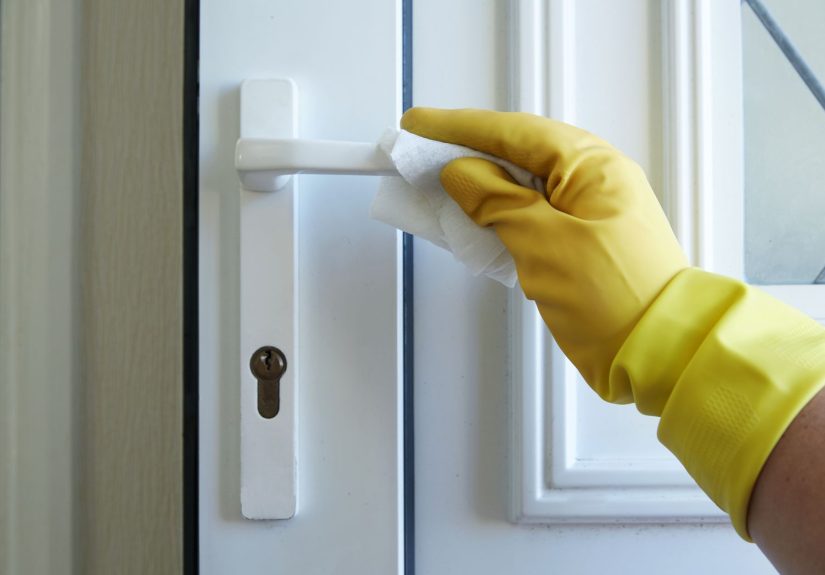
- High-touch areas: remote controls, doorknobs, and light switches deserve regular attention.
Laundry corner
- Less detergent can be more: too much soap can leave residue that traps odor.
- Don’t overcomplicate: wash regularly, dry thoroughly, and keep hampers from becoming science projects.
- Know your materials: some “natural hacks” can be harsh on certain machine parts over timeuse care.
Common Cleaning Myths Grandma Would Side-Eye
Myth: “If it smells strong, it’s working.”
A strong smell is not a performance review. Many effective cleaners are low-scent, and many overpowering scents are
simply… overpowering scents. Clean is what you remove, not what you perfume over.
Myth: “More product = more clean.”
Often, more product means more residue. Residue attracts dirt. Dirt makes you use more product. That’s the kind of
cycle grandma would shut down immediately.
Myth: “Vinegar is a disinfectant for everything.”
Vinegar can be useful for certain cleaning jobs, but “cleaning” and “disinfecting” aren’t identical. If you truly
need disinfection (like when someone is sick), use an appropriate disinfectant and follow label directionsafter
cleaning the surface first.
Modern Upgrades That Still Feel Like Grandma Approved
Grandma’s philosophy wasn’t “never buy anything.” It was “don’t waste money solving a problem you can solve with
basics and good habits.” With that spirit, here are a few modern tools she’d probably accept into the family:
- A good vacuum with attachments (because baseboards and vents exist to humble us).
- Microfiber cloths in a small rotation (so you always have a clean one ready).
- A simple scrub brush set (one for grout, one for sinks, one for “don’t ask” jobs).
- A squeegee for the shower (the laziest way to prevent a bigger job later).
- A labeled caddy (so you stop wandering the house holding a cloth like you forgot your mission).
FAQ: Quick Answers to Common “Grandma Cleaning” Questions
What’s the difference between cleaning and disinfecting?
Cleaning removes dirt and many germs from a surface. Disinfecting uses chemicals to kill germs on surfaces.
Most homes benefit from regular cleaning; disinfecting is most useful in specific situations (like illness).
Is it safe to mix “natural” cleaners together?
“Natural” doesn’t automatically mean “safe to combine.” Avoid mixing products and follow label directions.
When in doubt, keep it simple: soap and water does a lot.
Why do my surfaces get sticky again so fast?
The usual suspects: too much product, not enough rinsing, or the wrong cleaner for the surface. Try using less,
wiping with clean water afterward when appropriate, and drying the surface.
of Real-Life “Yep, Grandma Was Right” Experiences
If you grew up around a grandmother who cleaned with calm confidence, you probably remember the sound of it:
a faucet running, a cloth wrung out with purpose, and the unmistakable vibe of someone who could make a kitchen
sparkle without making a big speech about it. That quiet competence is the real magicand it shows up in the most
ordinary moments.
Picture the classic “company’s coming” scramble. Someone texts: “We’re five minutes away!” and suddenly your living
room looks like it hosted a snack convention. The modern instinct is to panic-clean everything at oncespray,
wipe, spray, wipe, spiral. Grandma’s instinct is different: triage. Clear the clutter first.
Stack the mail. Toss toys into a basket. Fold the throw blanket like you meant it. The room looks 70% better before
you’ve even touched a cleaner. Then you wipe the obvious surfaces with a simple soap-and-water cloth and call it
a win. It’s not that you’re cutting cornersit’s that you’re cleaning what people actually notice.
Or consider the moment you discover a sticky mystery on the countertop. It’s always sticky. It’s never labeled.
It could be syrup. It could be juice. It could be a new form of glue invented by snack-loving gremlins.
The temptation is to attack it with the strongest product you own. Grandma would start with warm water and a bit of
dish soap, because most stickiness is just sugar or grease wearing a disguise. Nine times out of ten, it lifts right
off. The tenth time? You still start gentle and escalate only if you have tobecause you’re cleaning a surface, not
trying to sandblast it into a new personality.
Then there’s the bathroom mirrorhome of the daily constellation of toothpaste dots. Grandma’s advice here is
surprisingly emotional: “Don’t let a small mess become your mood.” A quick wipe with a microfiber cloth takes
seconds and changes how the whole room feels. That’s the sneaky benefit of her routines: they aren’t just about
hygiene; they’re about peace. Clean spaces feel easier to live in, especially when life is busy.
The biggest “grandma lesson” shows up when you’re tired. You tell yourself you’ll do it later. Later becomes
tomorrow. Tomorrow becomes the weekend. The weekend becomes… a full-blown cleaning event with multiple outfits and
a dramatic soundtrack. Grandma’s approach is the opposite: a small reset now protects your future self. Wipe the
sink. Hang the towel. Sweep the crumbs. It’s not glamorous, but it’s kind. And once you live with that habit for a
few weeks, you realize the magic wasn’t her secret ingredient. It was her strategy.
Conclusion: Grandma’s Magic Is a System
Your grandmother’s best cleaning advice still works because it was never about chasing perfectionit was about
building a simple, repeatable system. Start with soap and water. Use the right tool. Work top to bottom. Test first.
Disinfect only when it actually makes sense. And please, for the love of clean lungs, don’t mix chemicals.
If you want the “magic” feelingcalm, clean, under controlborrow Grandma’s mindset: do a little often, keep it
simple, and let technique beat drama every time.