Table of Contents >> Show >> Hide
- Quick Refresher: What’s Going On in COPD?
- Traditional COPD Treatments: Still the Foundation
- Meet Ensifentrine: A Dual-Action Inhaled Treatment
- Biologic Therapies: Another Way to Target Inflammation
- Who Might Be a Candidate for a New Dual-Action COPD Treatment?
- Questions to Ask Your Health Care Team
- Practical Tips for Living With COPD in the Era of New Treatments
- Real-Life Experiences With New COPD Treatments (500-Word Perspective)
- Bottom Line
If you live with chronic obstructive pulmonary disease (COPD), you know it can feel like your lungs are trying to breathe through a coffee stirrer. Every cold, every hill, every set of stairs becomes a mini negotiation with your own chest. For years, treatment focused on two big goals: open the airways and calm the inflammation. The problem? Most medications were good at one or the other, not both at the same time.
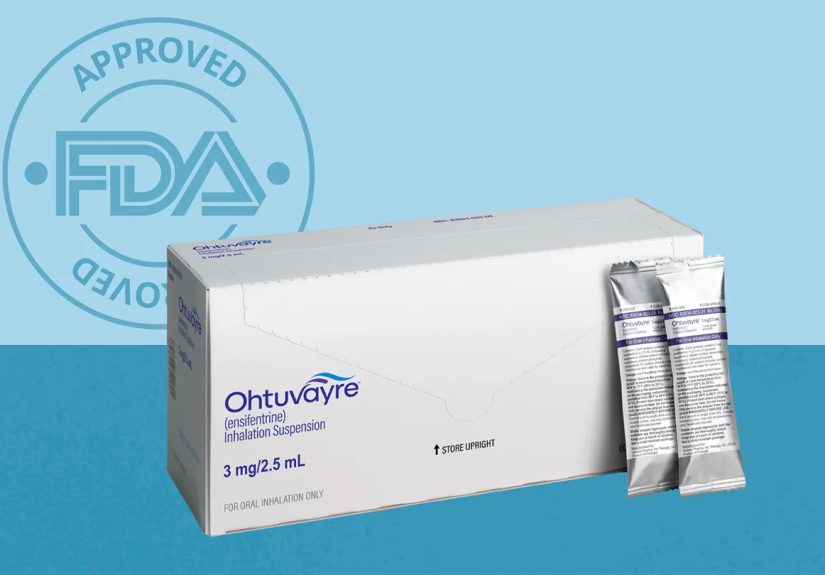
That’s beginning to change. New COPD treatments are emerging that both widen the airways and fight inflammation, offering fresh hope for people whose symptoms haven’t been fully controlled with traditional inhalers. One of the most talked about: a nebulized medication called ensifentrine, marketed in the U.S. as Ohtuvayre. It’s the first inhaled COPD drug in more than 20 years with a brand-new way of workingand its whole job is to help you move more air while cooling down chronic airway inflammation.
Let’s unpack what makes this “dual-action” approach such a big deal, how it fits alongside existing COPD treatments (like bronchodilators, triple therapy, and even new biologics), and what questions to ask your health care team if you’re wondering whether it might be an option for you.
Quick Refresher: What’s Going On in COPD?
COPD is a long-term lung condition that makes it hard to move air in and out. Two major processes drive the trouble:
- Airway narrowing (obstruction) – The muscles around your airways tighten and the tubes themselves can become floppy or collapsed, especially when you exhale.
- Chronic inflammation – The lining of your airways is swollen and irritated, often producing excess mucus that clogs things up further.
Over time, this combination leads to shortness of breath, cough, fatigue, and flare-ups (exacerbations) that can send people to the emergency room or hospital. Traditional COPD treatment has aimed to:
- Relax the airway muscles so the tubes open up (bronchodilation).
- Reduce inflammation to prevent flare-ups and slow damage.
The good news: we already have a strong toolboxshort-acting “rescue” inhalers, long-acting bronchodilators, inhaled corticosteroids, and combination (“triple”) inhalers. The challenge: some people still feel limited, still have frequent flare-ups, or can’t tolerate side effects. That’s where newer options come in.
Traditional COPD Treatments: Still the Foundation
Before we jump into what’s new, it’s worth anchoring in what remains the cornerstone of COPD care. Current guidelines emphasize:
Bronchodilators: The Airway Openers
These medications relax the smooth muscles that wrap around your airways:
- Short-acting bronchodilators (like albuterol) for quick relief.
- Long-acting bronchodilators, including:
- LABAs (long-acting beta-agonists)
- LAMAs (long-acting muscarinic antagonists)
For many people, a long-acting bronchodilatorsometimes two different types togetheris the first big step toward breathing easier day to day.
Inhaled Corticosteroids and Triple Therapy
Inhaled corticosteroids (ICS) help tamp down airway inflammation. They’re not for everyone with COPD, but they’re especially useful for people who:
- Have frequent exacerbations (flare-ups).
- Show high levels of certain inflammatory markers, like blood eosinophils.
- Have COPD plus asthma-like features.
Many people take ICS as part of a triple therapy inhaler, which combines:
- One LABA (airway opener)
- One LAMA (another type of airway opener)
- One ICS (anti-inflammatory)
Triple therapy has been shown to reduce exacerbations and, in some high-risk groups, may even reduce mortality. For a long time, this was the “top shelf” of inhaled treatment.
Other Established Options
Depending on your situation, your health care provider might also consider:
- Roflumilast, an oral anti-inflammatory PDE4 inhibitor for people with chronic bronchitis and frequent flare-ups.
- Long-term oxygen therapy in severe cases with low blood oxygen.
- Pulmonary rehabilitation to rebuild strength, endurance, and confidence.
- Vaccinations (flu, COVID-19, pneumonia, RSV) to cut the risk of infections that can worsen COPD.
Even with all of this, many people still feel stuckbreathing is better than it used to be, but not good. That’s why the new generation of therapies is so exciting.
Meet Ensifentrine: A Dual-Action Inhaled Treatment
One of the most talked-about new COPD therapies is ensifentrine, a nebulized medication approved in the U.S. as Ohtuvayre. What makes it special is that it combines two crucial effects in a single molecule:
- Bronchodilation – it helps relax and open the airways.
- Non-steroidal anti-inflammatory action – it helps cool down inflammation in the airway lining.
Ensifentrine works by selectively inhibiting two enzymes called PDE3 and PDE4. These enzymes help regulate signaling pathways in airway smooth muscle and inflammatory cells. By blocking them, the drug:
- Lets the airway muscles relax more fully, improving airflow.
- Reduces the activity of inflammatory cells and mediators that keep airways swollen and irritable.
In plain language: it helps your airways open wider and behave less “angry” at the same time.
How Is Ensifentrine Taken?
Ensifentrine is given via nebulizera machine that turns liquid medicine into a fine mist you breathe in through a mouthpiece. For many people, especially older adults or those with arthritis, coordinating inhaler techniques can be tough. Nebulized therapies can be easier:
- No need to time a deep inhalation with a canister puff.
- You simply breathe normally through the mouthpiece while the nebulizer runs.
The trade-off? Nebulizers can be less portable than pocket inhalers and take more time per dose. Your lifestyle, travel habits, and daily routine all matter when deciding whether this kind of therapy fits you.
What Do the Studies Show?
Clinical trials of ensifentrine in people with moderate to severe COPD have shown several promising benefits:
- Improved lung function – measurable increases in FEV1 (the amount of air you can forcefully blow out in one second).
- Fewer flare-ups – in some studies, exacerbations were reduced by around 40% compared with placebo in certain groups.
- Better symptom control – many participants reported less breathlessness and better quality of life scores.
Importantly, ensifentrine was studied on top of standard COPD therapiesso we’re not talking about replacing everything you’re already taking. Instead, it’s often considered as an add-on for people whose symptoms or exacerbations are still not well controlled.
Side Effects and Safety Considerations
As with any medication, ensifentrine isn’t free of side effects. Commonly reported issues in trials have included things like:
- Headache
- Cough during or after treatment
- Sore throat or upper respiratory symptoms
Serious side effects were less common but can occur. Because it affects signaling in smooth muscle and inflammatory cells, your clinician will look at your heart history, other medications, and overall risk profile. If you’re thinking about a new COPD treatment, it’s crucial to have a detailed conversation about benefits, risks, and what to watch for.
Biologic Therapies: Another Way to Target Inflammation
Another breakthrough in COPD treatment is the arrival of biologic drugsmedications that target specific immune pathways rather than acting broadly like steroids. One example is dupilumab, a monoclonal antibody used as an add-on therapy in adults with inadequately controlled COPD and a specific inflammatory profile characterized by elevated eosinophils.
Dupilumab works by blocking signaling through the IL-4 and IL-13 pathways, which are key drivers of type 2 inflammation. While it doesn’t act as a bronchodilator, it can:
- Reduce exacerbations.
- Improve lung function over time.
- Lower the burden of chronic inflammation in select patients.
Think of it as an advanced, highly targeted anti-inflammatory layer for a specific subgroup of people with COPDoften on top of inhaled triple therapy. It’s given by injection and requires careful selection and monitoring.
When you put these advances togetherdual-action inhaled medications like ensifentrine and biologics like dupilumabyou start to see a clearer trend: COPD treatment is moving from “one-size-fits-all bronchodilation” toward more personalized strategies that look closely at your symptoms, flare-up history, blood markers, and response to therapy.
Who Might Be a Candidate for a New Dual-Action COPD Treatment?
Every person with COPD is different, but here are some situations where a new bronchodilator-plus-anti-inflammatory treatment might be considered:
- You’re already on long-acting bronchodilators (maybe even triple therapy) but still feel limited by breathlessness.
- You’ve had exacerbations despite being on guideline-based inhalers.
- You have difficulty using handheld inhalers correctly and might benefit from a nebulized therapy.
- You and your clinician are trying to reduce your steroid exposure but still need inflammation control.
On the other hand, a new treatment might not be the right first step if:
- Smoking cessation, inhaler technique, or pulmonary rehab still need attentionthose can dramatically change how well existing therapies work.
- You’ve had specific side effects from similar medication classes.
- You have comorbidities or a medication list that raises safety concerns.
The key idea: new treatments are powerful tools, but they work best when layered on top of a strong foundation of lifestyle measures (especially quitting smoking if you still smoke), vaccines, exercise, and optimized use of current inhalers.
Questions to Ask Your Health Care Team
If you’re curious about whether a new COPD treatment that widens airways and fights inflammation might be right for you, these questions can help guide a productive conversation:
- “How well controlled is my COPD right now?”
– Ask about your current risk of exacerbations and whether your symptoms match your treatment intensity. - “Am I using my current inhalers correctly?”
– Technique issues are common and fixable; no point in adding more medications if the basics aren’t optimized. - “Would a nebulized treatment make sense for me?”
– Consider your lifestyle, dexterity, and ability to manage equipment. - “Do I fit the profile for newer therapies like ensifentrine or a biologic?”
– This may involve reviewing your lung function tests, exacerbation history, and lab results. - “What are the potential side effects, and how will we monitor them?”
- “How will insurance coverage and cost factor into my options?”
Write your questions down before your appointment. COPD visits can go fast, and you deserve clear, practical answers.
Practical Tips for Living With COPD in the Era of New Treatments
Even the most cutting-edge medication can’t do all the heavy lifting alone. To get the most out of any COPD treatment:
- Stay active within your limits. Regular, gentle movement helps your muscles use oxygen more efficiently, so day-to-day activities feel easier.
- Prioritize pulmonary rehab if it’s offered. It’s basically “physical therapy for your lungs,” plus education and support.
- Keep up with vaccines. Respiratory infections are a major trigger for COPD exacerbations.
- Monitor your symptoms. Track when you feel more short of breath, when your cough changes, or when you need your rescue inhaler more often. This information helps your clinician tailor treatment.
- Have an action plan. Know what to do when symptoms escalatewho to call, what medications to adjust, and when to seek urgent care.
New treatments widen the options menu. But daily habits, planning, and communication still turn that menu into a satisfying, sustainable plan.
Real-Life Experiences With New COPD Treatments (500-Word Perspective)
To understand what a new dual-action COPD treatment can mean in everyday life, imagine someone like Linda, a 67-year-old retired teacher. She quit smoking a decade ago, takes her medications faithfully, and has done pulmonary rehab twice. She’s on a long-acting bronchodilator plus triple therapy. On paper, her treatment looks “maxed out.” In reality, she still avoids stairs, still times her grocery runs for quiet hours, and still panics a little every time a cold goes around the family.
At a routine checkup, Linda’s pulmonologist asks a simple question: “How much does breathlessness limit what you want to do?” She admits she no longer walks to the park with her grandkids because the hill on the way back feels like climbing a mountain. They review her inhaler technique (pretty good), her spirometry (moderate to severe obstruction), and her historytwo COPD exacerbations in the last year despite good adherence.
Her doctor brings up a newer nebulized medication that both opens the airways and reduces inflammation. They talk through the logistics: it requires a device, cleaning, and time set aside twice a day. Linda is skeptical at firstshe already feels like her life revolves around medications. But she also really misses that hill.
They decide to try it as an add-on. The first couple of weeks are mostly about routine: finding a comfortable chair, getting used to the hum of the nebulizer, timing treatments around breakfast and evening TV. Linda notices small changes first. She can carry laundry without stopping halfway up the stairs. Her morning cough is still there, but the rattling feels a little less dramatic.
After a few months, the bigger changes are easier to spot. She hasn’t had a full-blown exacerbation since starting the new medication. Instead of dreading trips to the mailbox on cold mornings, she shrugs, puts on a scarf, and keeps her inhaler nearbyjust in case, but not as a guarantee of misery. She still has COPD. She still gets tired on long days. But she has more “good hours” baked into each day, and that shifts the emotional weight of the disease.
On the clinician’s side, stories like Linda’s come with nuance. Not every patient responds the same way. Some worry about cost; others find nebulizers too cumbersome or noisy. A few don’t feel enough benefit to justify the extra step. And all of them still need the basics: smoking cessation, vaccinations, exercise, and attention to heart health, mental health, and nutrition.
Yet, for the right person at the right time, a treatment that widens airways and calms inflammation can be the difference between planning life around symptoms and planning symptoms around life. That might mean saying “yes” to a grandchild’s soccer game, joining friends for a short walk, or simply doing everyday chores without feeling like each task is an Olympic event.
If you see yourself in Linda’s storyor in the friend or parent you care forit may be time to ask whether these newer therapies belong in the conversation. They’re not magic, and they’re not for everyone. But they are a sign that COPD care is moving forward, aiming not just to help people live longer, but to help them live better.
Bottom Line
COPD treatment is evolving from simple “open the airways and hope for the best” toward smarter, more personalized approaches that tackle both obstruction and inflammation from multiple angles. New options like ensifentrine bring bronchodilation and non-steroidal anti-inflammatory effects together in a single inhaled therapy, while biologics like dupilumab offer targeted inflammation control in select patients.
These advances don’t replace the fundamentals, but they expand what’s possibleespecially for people who remain symptomatic or vulnerable to flare-ups despite standard treatment. If breathing still feels like a constant struggle, it’s worth revisiting your plan with your care team and asking whether new COPD treatments that widen airways and fight inflammation could be part of your next chapter.
And as always, this information is educational, not a substitute for personalized medical advice. Your lungs, your history, and your goals are uniqueyour treatment should be, too.