Table of Contents >> Show >> Hide
- What Are Östernäs Leather Handles?
- Why People Love Leather Cabinet Handles
- Best Places to Use Östernäs Leather Handles
- How to Choose the Right Östernäs Size
- How to Install Östernäs Leather Handles (Without Regret)
- Placement Tips for Better Function and Style
- How to Care for Östernäs Leather Handles
- Common Mistakes to Avoid
- Are Östernäs Leather Handles Worth It?
- Project Experiences With Östernäs Leather Handles (Extended 500+ Word Section)
- 1) The “I Just Wanted a Small Upgrade” Experience
- 2) The IKEA Hack Upgrade Experience
- 3) The “Oops, I Need Better Measurements” Experience
- 4) The “Leather Feels Better Than Metal” Experience
- 5) The Patina Surprise (Usually a Good One)
- 6) The “Best in Dry Zones” Experience
- 7) The Repeat Purchase Experience
- Conclusion
If your cabinets are functional but your room still feels a little… “builder basic,” say hello to the tiny upgrade with big main-character energy: Östernäs leather handles. These IKEA leather pulls are one of those design details that can make plain drawers look custom, warm, and intentionally styledwithout requiring a full renovation, a contractor, or an emotional support spreadsheet.
In short: they’re small, stylish, tactile, and surprisingly versatile. But because they’re leather (not metal), they also need smarter placement and a little care. In this guide, we’ll cover what Östernäs leather handles are, where they work best, how to install them correctly, how to care for them, and how to avoid the classic DIY mistakes that turn a quick glow-up into a “why is this hole crooked?” moment.
What Are Östernäs Leather Handles?
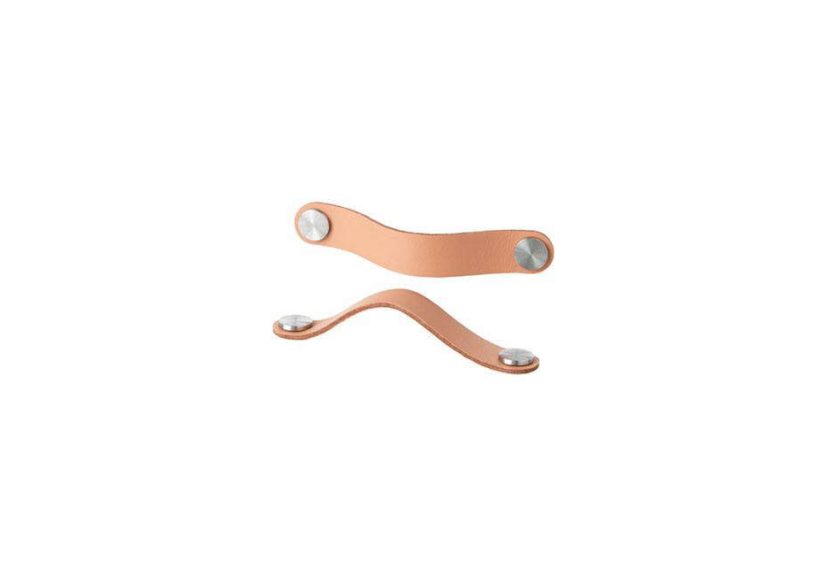
ÖSTERNÄS (IKEA’s styling uses all caps) is a leather cabinet handle line made to add a softer, more natural look to furniture, cabinets, and drawers. IKEA describes the handles as a warm, personal detail that adds character and a natural look, and notes that the leather develops a patina over timewhich is design-speak for “it gets better with age if you treat it right.”
The handles are made with dyed-through top-grain leather with a treated/pigmented surface, and the handle hardware includes stainless steel. IKEA also lists them as suitable for doors about 1/2 inch to 3/4 inch thick, and the screws are included, which is always nice because nobody enjoys a surprise trip to the hardware store mid-project.
Available Sizes (Common U.S. IKEA Listings)
- 6-inch handle (sold in a 2-pack)
- 2 9/16-inch handle (sold in a 2-pack)
The longer version includes a listed hole spacing (center-to-center) that makes it useful for replacing some existing pulls if the spacing matches. The shorter version works well as a compact leather loop handle for smaller drawers and doors.
Why People Love Leather Cabinet Handles
Kitchen and furniture hardware is often called the “jewelry” of a roomand that’s not just a cute metaphor. Hardware changes how a cabinet looks and how it feels to use. Leather pulls in particular add three things metal hardware usually can’t deliver at the same time:
- Warmth: leather softens rooms with lots of hard surfaces (tile, quartz, painted MDF, metal).
- Texture: even simple flat-front cabinets look more layered and custom.
- Character over time: patina gives the handles a lived-in, premium look.
That’s a big reason Östernäs handles show up in so many IKEA hacks and furniture refreshes. They can make basic units look more intentional, especially on wardrobes, media consoles, dressers, and office storage.
Best Places to Use Östernäs Leather Handles
Can you use leather handles in a kitchen? Yesbut with strategy. Leather looks amazing in kitchens, but it is more sensitive than metal to moisture, direct heat, sharp objects, and harsh cleaners. So placement matters.
Great Use Cases
- Bedroom dressers and nightstands
- Wardrobes and closet doors
- Media consoles and TV stands
- Home office drawers and cabinets
- Laundry room cabinetry (if reasonably dry/ventilated)
- Pantry doors and upper kitchen cabinets
- Built-ins, hutches, and decorative storage
Use Extra Caution In
- High-splash areas near sinks
- Cabinets right next to ranges or ovens
- Homes with high humidity and poor ventilation
- Areas where sharp tools frequently bump the handles
A practical approach is to use leather pulls where they’ll be touched often but abused lesslike upper cabinets, a coffee station, a bar cabinet, or a dresser. You get the style payoff without asking leather to survive a daily grease-and-steam obstacle course.
How to Choose the Right Östernäs Size
Both sizes are useful, but they create very different looks.
Choose the 2 9/16-inch Size If You Want:
- A smaller, subtler leather loop look
- Handles for narrow drawers or smaller cabinet doors
- A more minimal Scandinavian vibe
- A decorative accent on furniture rather than a bold statement
Choose the 6-inch Size If You Want:
- A more noticeable handle with stronger visual impact
- Better grip on wider drawers or larger doors
- A premium/custom look on wardrobes or built-ins
- To replace existing pulls (only if hole spacing matches)
Tip: Before buying a bunch, test one pack on the actual piece. Leather hardware can look wildly different depending on cabinet color, lighting, and finish. On white cabinets it reads crisp and modern; on wood tones it can look warm and vintage; on black it becomes dramatic and moody in the best way.
How to Install Östernäs Leather Handles (Without Regret)
Installing cabinet hardware is one of the most satisfying DIY upgrades because it’s fast, affordable, and visually dramatic. It is also one of the easiest places to make a tiny measuring error that you will stare at forever. So let’s not do that.
Tools You’ll Likely Need
- Measuring tape
- Pencil
- Painter’s tape or masking tape
- Level
- Drill and appropriate bit (often 3/16-inch for many cabinet screws, but always confirm with your hardware instructions)
- Screwdriver
- Optional: cabinet hardware template/jig
Step-by-Step Installation
1) Plan placement first
Don’t start drilling “just to get one done.” Decide your placement rule for all doors and drawers first so everything lines up consistently.
2) Mark with tape and pencil
Painter’s tape makes marks easier to see and helps reduce surface scuffs while measuring. It also lets you step back and visually check placement before committing.
3) Measure twice (yes, really)
For cabinet doors, common guidance places hardware near the corner opposite the hinges, typically a few inches from the top or bottom depending on upper vs. base cabinets. For framed doors, align the pull with the stile/rail lines for a cleaner look. For slab doors, choose a consistent distance from the edge and repeat it exactly.
4) Check alignment with a level
If the pull looks straight “by vibes,” it is probably not straight. Use a level. Your future self will thank you.
5) Drill carefully
Use the bit size recommended by the manufacturer when possible. If you’re unsure, test on scrap wood first. Keep the door stable and avoid drilling into the cabinet frame or box.
6) Install screws from the back
Insert the screw(s) through the back of the door/drawer, then thread and tighten the handle. Tighten until secure, but don’t over-tightenyou can crack or damage cabinet material, and leather hardware doesn’t need brute force.
7) Final visual check
Open and close everything. Check clearances, comfort, and consistency. A handle can be technically installed and still feel awkward in daily use.
Placement Tips for Better Function and Style
Placement is where good hardware becomes great hardware. Here are the most useful rules of thumb for leather pulls and cabinet hardware in general:
For Drawers
- Under ~24 inches wide: one centered pull often looks balanced.
- Over ~24 inches wide: consider two pulls for both style and leverage.
- Large/heavy drawers: dual pulls placed in left/right thirds often feel better than one centered pull.
For Base Cabinet Doors
- Install hardware opposite the hinges for leverage.
- Keep placement consistent across the whole run of cabinets.
- On leather pulls, avoid placing them where they regularly brush against nearby appliances or sharp corners.
For Wall Cabinets
- Place hardware lower on the door (again, opposite hinges) for easier reach.
- If you want a modern look, align placement with cabinet rail lines and repeat the pattern consistently.
And remember: “traditional” and “modern” placement styles can both look great. Pick the one that matches your cabinetry style and your actual hand reachnot just what looks nice in a photo.
How to Care for Östernäs Leather Handles
This is the part most people skip until the leather looks dry, sticky, or mysteriously blotchy. Let’s skip that storyline.
Daily/Weekly Care
- Wipe with a soft, dry cloth to remove dust and grime.
- If needed, use a slightly damp cloth, then dry immediately.
- Try to handle with clean, dry hands when possible (kitchen oils transfer fast).
What to Avoid on Leather Handles
- Bleach
- Ammonia-based cleaners
- Acetone
- Alcohol-based cleaners
- Window cleaners
- Abrasive scrubbers
- Soaking the leather in water
For deeper cleaning, use a leather-safe cleaner (preferably pH-balanced), and apply it to a cloth rather than spraying directly on the leather. For conditioning, follow the product instructions and spot test firstIKEA specifically notes leather treatment may darken the surface slightly.
Leather Aging: Patina Is Normal
One of the best things about leather is also the thing that surprises people who expect it to stay factory-fresh forever: it changes. Edges may smooth out, color may deepen slightly, and the surface can develop a richer, used-in finish. That’s not usually damageit’s the material doing what leather does.
If you want hardware that stays exactly the same forever, choose metal. If you want hardware that gains personality, leather is the fun choice.
Common Mistakes to Avoid
- Using leather handles in the splash zone: They’re stylish, not scuba gear.
- Skipping placement planning: One crooked handle becomes the only thing you see.
- Over-tightening screws: Secure is good; Hulk mode is not.
- Cleaning with random household sprays: Many common cleaners can dry or damage leather.
- Ignoring sunlight/heat exposure: Direct heat and sun can fade or crack leather over time.
- Installing everywhere just because they look great: Use them strategically for longevity and function.
Are Östernäs Leather Handles Worth It?
If your goal is a quick, stylish furniture or cabinet refresh with a warmer look than standard metal pulls, Östernäs leather handles are a strong choice. They offer a designer-ish finish at an accessible price point, and they work especially well in IKEA hacks, wardrobes, dressers, and dry cabinetry zones.
They are not a “set it and forget it” hardware option like stainless pulls in a hard-working family kitchen. But if you’re willing to place them smartly and wipe them down occasionally, they can age beautifully and make ordinary storage look thoughtfully designed.
Project Experiences With Östernäs Leather Handles (Extended 500+ Word Section)
Below is a collection of realistic, experience-based scenarios and observations related to Östernäs leather handles, based on common DIY outcomes, shopper feedback patterns, and the way these handles are typically used in real homes. Think of it as the “what it’s actually like after installation” section.
1) The “I Just Wanted a Small Upgrade” Experience
A very common experience starts with one small piece of furnitureusually a dresser, shoe cabinet, or TV unitthat works perfectly fine but looks a little flat. The owner swaps out the original knobs for Östernäs leather handles, steps back, and suddenly the whole piece looks more expensive. Not because the furniture changed structurally, but because the hardware added contrast, texture, and visual softness. This is the classic “tiny change, huge difference” outcome people love.
2) The IKEA Hack Upgrade Experience
These handles are especially popular on IKEA storage pieces because they can make mass-market furniture look more custom. People often use them on wardrobes, media consoles, bookcases with doors, and drawer units. A common reaction is that the leather makes the furniture feel less “flat-pack” and more intentionally styled. On white or light-colored cabinets, the tan leather becomes an instant focal point. On dark finishes, it feels understated and high-end.
3) The “Oops, I Need Better Measurements” Experience
Another frequent experience: the handles themselves look great, but the first installation attempt reveals how unforgiving hardware placement can be. One handle sits slightly higher than the others, or the spacing isn’t consistent across a bank of drawers. The lesson most DIYers learn quickly is that measuring and templating matter more than expected. Once a jig or template is used (or at least painter’s tape and a level), the process gets dramatically easier and the result looks more professional.
4) The “Leather Feels Better Than Metal” Experience
People often notice the tactile difference immediately. Leather pulls feel softer and warmer in the hand than metal hardware, especially in cooler rooms or seasons. It’s a subtle sensory upgrade, but one that matters in everyday use. Even when the visual improvement gets all the attention at first, the comfort factor becomes part of why people keep choosing leather handles for other rooms.
5) The Patina Surprise (Usually a Good One)
Over time, users commonly notice the edges softening and the leather developing a slightly richer look. For many people, this becomes the favorite partthe handles stop looking brand-new and start looking characterful. In well-placed areas, the patina reads as charm. In high-moisture or greasy areas, though, the same aging can look uneven if maintenance is ignored. That’s why placement and cleaning habits matter so much with leather hardware.
6) The “Best in Dry Zones” Experience
Some homeowners try leather pulls in kitchens and love the look, but later move them to less demanding areas (like a pantry, coffee station, laundry cabinet, or home office) after realizing constant moisture and food residue create extra maintenance. In those drier spaces, the handles tend to stay cleaner, age more evenly, and remain attractive with minimal effort. The overall takeaway from many real-world setups is simple: leather handles can absolutely work in kitchens, but they tend to shine brightest where conditions are kinder.
7) The Repeat Purchase Experience
One of the strongest signals of satisfaction is when people buy more after the first install. It often starts with “I’m just changing the drawer pulls in the office,” and ends with matching handles on a bedroom dresser, laundry cabinets, or a wardrobe. That repeat-use pattern usually happens because the install is straightforward, the style is flexible, and the visual upgrade feels disproportionate to the cost and effort.
In other words: Östernäs leather handles are the kind of home upgrade that makes you start looking around your house thinking, “What else can I put these on?” Which is fun… right up until you’re measuring every cabinet in the house on a Saturday night.
Conclusion
Östernäs leather handles are a stylish, practical way to upgrade cabinets and furniture with warmth, texture, and a more custom look. They work best when you choose the right size, place them consistently, install them carefully, and treat the leather like the natural material it is. Do that, and these handles can age beautifully while making everyday storage feel a lot less ordinary.