Table of Contents >> Show >> Hide
- What “Plein Air Armchair” Really Means (And Why It’s Not Just One Chair)
- Start With 5 Questions That Prevent Buyer’s Remorse
- 1) Will this chair live outside full-timeor travel?
- 2) Are you a “sit up and read” person or a “lean back and stare at clouds” person?
- 3) Do you want “real armrests” or “technically there are arms”?
- 4) What’s under your feetdeck boards, sand, grass, rock?
- 5) What weather will it facesun, humidity, salt air, surprise rain?
- Materials That Survive Real Life (Not Just Product Photos)
- Comfort Details That Matter More Than Marketing Copy
- The Plein Air Painter’s Armchair: Comfort Meets Stability
- Set Up Your “Outdoor Living Room” Without Leaving a Trace
- Heat, Sun, and the Fine Art of Not Getting Roasted
- Care & Storage: Make Your Chair Last More Than One Season
- Real-World Matchmaking: Pick the Right “Armchair Energy”
- Quick Buying Checklist (Print This Part in Your Brain)
- Wrap-Up: Your Best Outdoor Seat Is the One You Actually Use
- Experiences: 5 “Plein Air Armchair” Moments You’ll Recognize
“Plein air” is a fancy French way of saying outsideas in open-air, under-the-sky, birds-providing-the-soundtrack outside. And an “armchair” is what you sit in when you plan to be comfortable for a while and absolutely do not want to balance a drink on your knee like a circus act.
Put them together and you get the plein air armchair: the chair that turns your patio, campsite, backyard, lakeside overlook, or painting spot into a legitimate “room” with one key featureno roof, and way better lighting. This guide pulls together practical, real-world advice from major outdoor and home-and-garden voices (think camping chair testing, patio material science, cushion care guides, and government-grade heat/sun safety) and translates it into one mission: help you pick a chair you’ll actually love sitting in.
What “Plein Air Armchair” Really Means (And Why It’s Not Just One Chair)
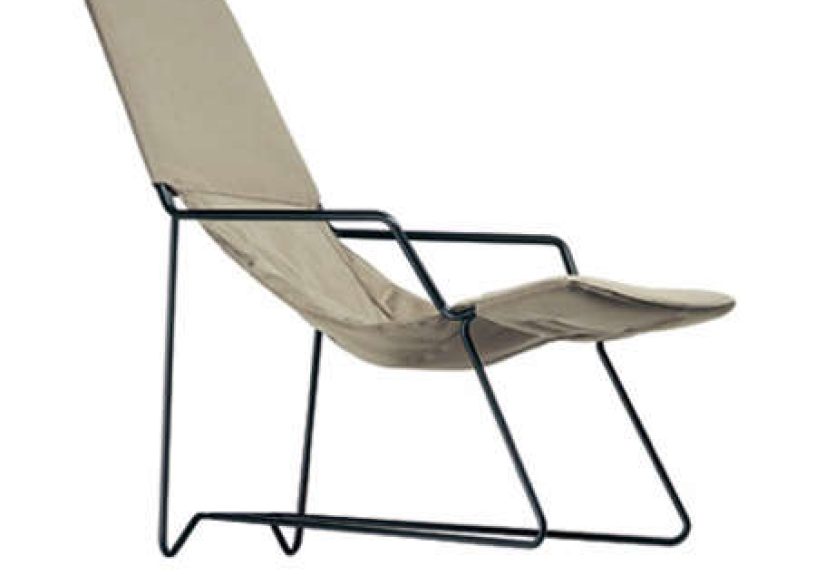
A plein air armchair isn’t a single product category. It’s a use-case: relaxed, supported, armrests included, outdoors-friendly seating. In the wild, it usually lands in one of these camps:
- Patio armchairs: heavier, style-forward, meant to live outside (with sensible protection).
- Camp “armchair” chairs: foldable loungers for car camping, tailgates, beach days, and backyards.
- Portable artist chairs: stable seating for plein air painting (less wobble, more “my canvas is not a sail”).
- Ultralight sit-options: backpack-friendly chairs that feel like a miracle until you remember physics exists.
The best pick depends on where you’ll use it and how you sit. Because “comfortable” can mean “upright with support” to one person and “nearly horizontal with snack access” to another.
Start With 5 Questions That Prevent Buyer’s Remorse
1) Will this chair live outside full-timeor travel?
A backyard chair can prioritize aesthetics and all-weather materials. A traveling chair needs smart folding, manageable weight, and a carry system you won’t resent. If you’re tossing it into a trunk or hauling it to a viewpoint, ounces and awkward shapes suddenly matter.
2) Are you a “sit up and read” person or a “lean back and stare at clouds” person?
Chair angle is everything. Some of the best-reviewed camping chairs lean toward upright support, while others are engineered for reclining (including “gravity” styles that feel like floating). Think about your typical outdoor time: coffee and a book? Sketching? Campfire lounging? Your spine has preferences, even if you pretend it doesn’t.
3) Do you want “real armrests” or “technically there are arms”?
Armrests are the difference between “I can relax” and “Why are my shoulders auditioning for a stress documentary?” On camp chairs, armrests can be padded fabric, rigid supports, or straps. On patio pieces, arm width and height influence comfort more than you’d expectespecially for longer sits (or anyone who likes a mug within easy reach).
4) What’s under your feetdeck boards, sand, grass, rock?
Soft ground is where “sturdy” chairs reveal their secret identities. Narrow feet sink into sand and duff. Rocking designs can be dreamy on a flat pad and chaotic on uneven soil. Look for stability features (wider feet, smart frame geometry, tension straps), and remember: if the chair wobbles, you’ll spend your whole “relaxing” session micro-adjusting like you’re docking a spaceship.
5) What weather will it facesun, humidity, salt air, surprise rain?
Sun and moisture are the two big outdoors reality-checks. UV fades fabric and heats surfaces. Humidity invites mildew if cushions stay damp. Salt air speeds corrosion if hardware isn’t up to it. Knowing your climate is basically knowing what your chair will argue with all year.
Materials That Survive Real Life (Not Just Product Photos)
Frames: Aluminum, Steel, Wood, and Resin Wicker
- Rust-resistant aluminum: A favorite for outdoor furniture because it’s light and corrosion-resistant, especially when powder-coated. Great for humid areas and low-maintenance patios.
- Steel/wrought iron: Often stable and substantial. The tradeoff is rust risk if coatings chip or joints hold moisture. If you love steel, commit to basic maintenance (touch-up paint, dry storage when needed).
- Hardwoods (like teak): Teak is famous in outdoor furniture for durability and weather resistance. It can age into a silvery patina if left untreated, which some people love and others treat like a personal insult. Either way, it’s a legit long-term option.
- Resin/synthetic wicker (often over aluminum): Built for moisture resistance and easier upkeep than natural wicker. Quality varies, but a rust-proof frame underneath helps a lotespecially in coastal climates.
Fabric & Cushions: Mesh, Polyester, and Solution-Dyed Acrylic
For portable chairs, you’ll see tough synthetics and breathable mesh designed for airflow. For patio armchairs, cushion fabric matters just as much as the frame. Many premium outdoor cushions use solution-dyed acrylic (a category that includes famous performance fabrics) because color is built into the fiber, helping with fade resistance.
Maintenance isn’t complicated, but it is specific. A typical approach recommended by major outdoor-fabric care guides: brush off loose dirt, clean with mild soap and water, use a soft brush, rinse thoroughly, and air-dry completely. Mold and mildew usually thrive when cushions stay damp and dirtyso drying and routine cleaning are your best defenses.
Comfort Details That Matter More Than Marketing Copy
If you want a true “armchair” feel outdoors, focus on these comfort mechanics:
- Seat height: Low seats feel lounge-y but can be tough on knees. Higher seats are easier in/out.
- Seat depth: Too deep and you slouch; too shallow and you feel perched.
- Back support: Some chairs cradle; others just… exist behind you. If you sit for hours, support wins.
- Armrest height: Too low strains shoulders; too high forces a shrug. “Neutral” is the happy place.
- Breathability: Mesh backs can be a summer lifesaver in humid heat.
- Little luxuries: A cup holder, side pocket, or headrest can turn “nice” into “where has this been all my life?”
One underrated comfort factor: stillness. Rockers and recliners are wonderfuluntil you’re trying to write, sketch, or balance a plate. If you need a stable “outdoor desk,” choose a design that doesn’t sway when you shift your weight.
The Plein Air Painter’s Armchair: Comfort Meets Stability
Plein air painters are a special breed: they’ll hike to a perfect viewpoint, set up an easel in the wind, and then become extremely picky about a chair. For good reason. Painting outdoors often means:
- Uneven ground
- Long sessions (hours, not minutes)
- Frequent leaning forward and back
- Gear that must stay organized (brushes, paint, rags, water/solvent)
Many artists gravitate toward director-style chairs (upright, armrests, sometimes a side tray) or compact, stable stools, depending on their setup. If you use a pochade box or field easel, your seat height can affect your posture and brush control. The “best” chair is the one that keeps your shoulders relaxed and your painting arm freewithout the chair itself becoming a moving target.
Set Up Your “Outdoor Living Room” Without Leaving a Trace
A great plein air armchair setup is comfortable and responsible. If you’re in parks, natural areas, or anywhere with fragile groundcover, follow Leave No Trace basics: plan ahead, stick to durable surfaces, and avoid trampling sensitive vegetation. In practical terms, that means setting your chair on established paths, gravel, rock, sand, compact soil, or existing use areas instead of crushing new plants just because the view is cute.
A simple 10-minute setup
- Pick shade smartly: Natural shade is great; add an umbrella if you’re staying put.
- Choose stable ground: Test the chair with a gentle sit before committing your snacks to the situation.
- Create a “clean zone”: A small outdoor mat helps keep sand, dirt, and paint debris contained.
- Keep gear off the ground: Use chair pockets, a tote, or a small side table to avoid losing items in grass.
- Pack out what you pack in: Yes, even the “tiny” stuff. Especially the tiny stuff.
Heat, Sun, and the Fine Art of Not Getting Roasted
An armchair invites you to linger. Summer weather sometimes invites you to regret it. For long outdoor sits, follow a few boring-but-necessary rules (your future self will send a thank-you note):
- Time it right: Do the longest sessions during cooler parts of the day when possible.
- Use shade and breaks: Shade isn’t just comfortit’s heat safety.
- Hydrate steadily: Don’t wait until you’re thirsty; drink regularly, especially in high heat.
- Use sun protection: Seek shade, wear protective clothing, and apply broad-spectrum sunscreen (many dermatology organizations advise SPF 30+ for exposed skin).
If you’re lounging while painting, reading, or birdwatching, it’s easy to lose track of time. Set a simple routine: water every so often, sunscreen reapplication on schedule, and a quick “how am I feeling?” check. Heat illness can start as “I’m just a little tired” and escalate fast if you ignore it.
Care & Storage: Make Your Chair Last More Than One Season
Outdoor furniture longevity is mostly about preventing three villains: moisture, UV, and grime. The good news: you don’t need a complicated ritualjust consistency.
Weekly quick care (during heavy use)
- Brush off dirt and pollen before it becomes “embedded.”
- Wipe hard surfaces with mild soap and water.
- Let cushions dry fully after rain or cleaning.
- Use covers when you’re not using the chair (especially during wet spells).
Seasonal care (the “future-you will be glad” checklist)
- Before winter: Store cushions and fabric pieces indoors if possible.
- For wood: Decide if you want patina or a maintained finish, then follow through.
- For metal: Inspect joints and hardware for chips or rust; touch up early.
- For wicker/resin: Rinse gently and keep crevices clean so moisture doesn’t linger.
Different materials tolerate winter differently. Some frames can stay outside with protective covers, while cushions and certain components are best stored indoors to prevent moisture damage and freeze-thaw wear. In general, if it can trap water, it can grow funk (or crack when temperatures swing).
Real-World Matchmaking: Pick the Right “Armchair Energy”
Backyard reading nook
Choose a patio armchair with supportive arms and cushions in performance fabric. Prioritize seat height and deep comfort since you’ll actually sit for hourspossibly long enough to name the local squirrels.
Beach sunset sessions
Low, stable chairs with breathable fabric shine here. Sand-friendly feet and easy rinse-off materials matter more than fancy finishes. Bonus points for a chair that doesn’t become a personal sand trap.
Car camping comfort
This is where you can go full luxury: rockers, recliners, and chairs with real arm support. If you value back support, look for designs known for comfort under longer sits and stable geometry on uneven ground.
Trailhead sketching and quick plein air studies
Go light and simple. A compact chair or stable stool can be enough, especially if you’re moving locations. The goal is comfort without hauling a living room up a hill.
Quick Buying Checklist (Print This Part in Your Brain)
- Use: patio / beach / car camping / backpacking / painting
- Seat height: easy-in/out vs low lounge
- Support: back shape + armrest comfort
- Stability: wide feet, solid frame geometry, minimal wobble
- Materials: rust-resistant frame, outdoor-rated fabric, easy-clean surfaces
- Care plan: covers, cushion storage, routine cleaning
- Sun/heat strategy: shade + hydration + skin protection
Wrap-Up: Your Best Outdoor Seat Is the One You Actually Use
The perfect plein air armchair isn’t the one that looks best onlineit’s the one that makes you step outside more often. Maybe it’s a stylish patio armchair that upgrades your morning coffee routine. Maybe it’s a foldable camp throne that turns a campsite into a five-star lounge. Maybe it’s a stable painter’s chair that keeps your posture happy while you chase the light.
Focus on comfort mechanics (seat height, back support, armrest feel), match materials to your climate, and keep a simple care routine. Do that, and your chair won’t just “handle outdoors”it’ll become the reason you go outside in the first place.
Experiences: 5 “Plein Air Armchair” Moments You’ll Recognize
1) The first sit is always a truth serum. You can read a hundred reviews, but the moment you sit down outsidefeet on uneven ground, breeze in your face, coffee in handthe chair tells you who it really is. The good ones feel steady and welcoming, like they were waiting for you. The not-so-good ones start negotiating immediately: a wobble here, a sag there, an armrest that somehow lands exactly where your elbow doesn’t. The lesson is simple: test on the kind of surface you’ll actually use. A chair that’s perfect on a showroom floor can turn into a toddler giraffe on grass.
2) Outdoor light changes everythingincluding your patience. If you’ve ever tried plein air painting or sketching, you know the light is dramatic and also kind of rude. The sun moves, shadows shift, and your chair becomes part of your workflow. A stable, upright seat makes it easier to keep your brush control consistent. A chair that reclines too much can turn your “quick study” into an accidental nap. (Not the worst outcome, but it does confuse your art goals.) Many painters end up loving chairs that feel “boringly” supportive because boring is exactly what you want when the wind is trying to remix your canvas.
3) The “pocket situation” becomes weirdly important. Outdoors, the ground is not your friend. It steals caps, absorbs snacks, and hides small tools like it’s getting paid per disappearance. The first time you use a chair with a side pocket or a back pouch, you’ll wonder how you ever lived without it. Phone? Safe. Sunglasses? Not crushed. Small sketchbook? Within reach. And if you’re painting: a rag, brush case, or tape roll stops migrating into the grass. This is one of those details that sounds minor until you’re ten minutes into a session and realize you’ve spent eight of them searching for the thing you literally just had.
4) Heat sneaks up when you’re having a good time. The dangerous part of a great chair is that it convinces you to stay. You settle in, you’re comfortable, and suddenly “just a little longer” becomes a long stretch in full sun. The best outdoor sitters develop tiny habits: water within reach, a shade plan, and a quick reset every so oftenstand up, stretch, reapply sunscreen, check how you feel. It’s not dramatic; it’s just smart. Comfort should be the start of your day outside, not the reason it ends early.
5) The chair becomes a ritual, not an object. Over time, the plein air armchair stops being “that thing you bought” and starts being “the spot.” Morning coffee tastes better because you drink it outside. Calls feel less annoying because you take them under a tree. You read more because the chair is already there, ready. If you paint, you find yourself doing more short sessionsten minutes here, half an hour therebecause setup is easy and the chair makes it inviting. That’s the real win: the chair isn’t a purchase so much as a gentle nudge toward a more outdoor life, one comfortable sit at a time.