Table of Contents >> Show >> Hide
- A Quick “Photo Set” Plan (So Your Post Looks as Good as It Reads)
- Why Olive Oil Gets So Much Hype (The Parts That Actually Matter)
- Benefit #1: Heart Health (The Headliner)
- Benefit #2: Anti-Inflammatory Support (Yes, the Peppery “Kick” Has a Job)
- Benefit #3: Brain & Healthy Aging (Support the Heart, Help the Head)
- Benefit #4: Blood Sugar & Metabolic Health (Olive Oil Doesn’t Raise GlucoseBut It Can Change the Meal)
- Benefit #5: Nutrient Absorption & “Real-Life” Wellness
- How to Choose Olive Oil for the Most Benefit (and Best Photos)
- What Olive Oil Can’t Do (So You Don’t Accidentally Write a Fairy Tale)
- Ready-to-Use Captions and Alt Text for “Pictures of Health Benefits of Olive Oil”
- Conclusion
- Experiences: What People Commonly Notice When They “Go Olive Oil” (and How to Photograph It)
Olive oil is the rare pantry staple that can make your dinner taste better and give your camera something to do. One minute it’s a glossy drizzle on tomatoes; the next it’s the starring ingredient in a mountain of research on heart health, inflammation, and healthy aging. So let’s do both: talk about what science really suggests olive oil can do for your body, and map each benefit to picture ideas you can use in blog posts, social media, or an infographic series.
Important vibe check: olive oil isn’t a magical “detox” potion. The consistent benefits show up when olive oil replaces saturated fats (think butter and some processed spreads) and lives inside an overall balanced eating patternoften Mediterranean-style. That’s less “miracle shot,” more “smart swap you can actually keep doing.”
A Quick “Photo Set” Plan (So Your Post Looks as Good as It Reads)
If you’re building a page called “Pictures of Health Benefits of Olive Oil”, here’s a simple visual storyline: start with what olive oil is, show how it’s used, then illustrate the benefits with clean, recognizable symbols (heart, brain, blood sugar), plus real-food shots that feel relatable.
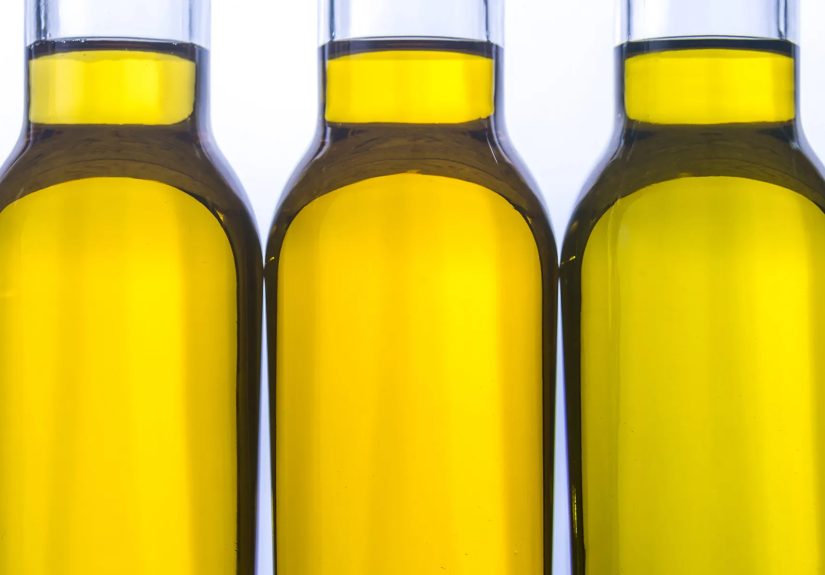
- Hero image: Dark bottle + small dish of extra-virgin olive oil (EVOO) + olives on a cutting board.
- “What’s inside” graphic: Pie chart of fats (mostly monounsaturated) + small note on polyphenols.
- Heart health: Olive oil drizzle replacing butter on toast (same breakfast, smarter fat).
- Inflammation: Peppery EVOO tasting shot (that gentle throat “kick” has a story).
- Brain health: EVOO over roasted vegetables + a simple brain icon overlay.
- Blood sugar: EVOO-based dressing on a high-fiber bowl (beans/greens/whole grains).
- Cooking confidence: EVOO sauté scene + thermometer icon for “everyday cooking.”
- Storage: Bottle in a cool, dark pantry (light + heat = quality loss).
Why Olive Oil Gets So Much Hype (The Parts That Actually Matter)
1) It’s mostly monounsaturated fat (especially oleic acid)
Olive oil is calorie-denseno surprise, it’s pure fat. A typical tablespoon has about 119 calories and roughly 13.5 grams of fat, with a big chunk coming from monounsaturated fat. That matters because when monounsaturated fats replace saturated fats in your diet, blood cholesterol profiles often move in a heart-friendlier direction (especially lowering LDL, the “bad” cholesterol).
2) Extra-virgin olive oil contains antioxidant compounds (polyphenols)
Extra-virgin olive oil (EVOO) is the least processed style, which helps it retain more of the plant compounds that come from olives. These include polyphenolscompounds associated with antioxidant and anti-inflammatory activity in the body. Not every bottle has the same polyphenol levels, but as a category, EVOO tends to be richer than more refined olive oils.
Benefit #1: Heart Health (The Headliner)
Olive oil’s strongest, most consistent “claim to fame” is cardiovascular supportespecially when it replaces fats higher in saturated fat. That’s why so many heart-healthy eating patterns feature olive oil as a primary fat.
What research suggests
- Risk markers: Swapping saturated fats for unsaturated fats (including monounsaturated fats like olive oil) is linked with improved cholesterol profiles in many dietary guidelines and clinical discussions.
- Big observational data: In large U.S. cohorts, higher olive oil intake has been associated with lower risk of total mortality and some cause-specific outcomes. These studies don’t prove “olive oil is the only reason,” but the pattern is compellingespecially when the swap is from butter/margarine-type fats to olive oil.
- Mediterranean diet trials: A Mediterranean-style eating pattern supplemented with extra-virgin olive oil has been tested in randomized trials focused on cardiovascular outcomes, reinforcing the “pattern + olive oil” approach.
Make it visual: a “simple swap” mini-series
Create three pictures that tell a tiny story:
- Before: Toast with a thick butter swipe (close-up).
- After: Toast with olive oil + tomato + pinch of salt (bright, appetizing).
- Context shot: Both plates side-by-side with a caption: “Same comfort food, different fat profile.”
The lesson lands without you yelling “LDL!” at your readers. (Although you can whisper it politely in the alt text.)
Benefit #2: Anti-Inflammatory Support (Yes, the Peppery “Kick” Has a Job)
Fresh extra-virgin olive oil can have a slight burn at the back of the throatlike a gentle peppery tap that says, “Hello, I’m not just here for vibes.” Some of that sensation is linked to compounds such as oleocanthal, which has been studied for anti-inflammatory activity.
How to picture inflammation without photographing a cytokine
- Concept photo: EVOO tasting spoon + “peppery finish” caption.
- Infographic tile: Olive branch icon + “Antioxidants & polyphenols in EVOO.”
- Food reality shot: EVOO on a big, colorful vegetable tray (the “anti-inflammatory pattern” look).
Benefit #3: Brain & Healthy Aging (Support the Heart, Help the Head)
Brain health is complicated, and no single food gets to wear a superhero cape. But there’s a strong overlap between cardiovascular health and cognitive agingbetter vascular health can support brain function over time. In large observational studies, olive oil intake has been linked with lower risk of certain causes of death, including neurodegenerative-related mortality. That’s not a guarantee of prevention, but it’s a meaningful signal that researchers keep exploring.
Picture ideas for “brain health” without going full sci-fi
- Kitchen shot: EVOO drizzled on salmon, beans, or roasted veggies (simple, Mediterranean-coded).
- Desk shot: Olive oil + nuts + fruit bowl with a brain icon overlay.
- Caption angle: “Heart-healthy fats also support overall healthy aging.”
Benefit #4: Blood Sugar & Metabolic Health (Olive Oil Doesn’t Raise GlucoseBut It Can Change the Meal)
Fat itself doesn’t spike blood glucose the way carbs can. But adding the right fats can change how a meal behaves: it can improve satiety, slow digestion, and influence post-meal responsesespecially when the overall meal is balanced. Evidence includes studies looking at EVOO within meals and long-term dietary patterns.
What the research points to
- Meal studies: Adding extra-virgin olive oil to a high–glycemic index meal has been shown to reduce early post-meal glucose response compared with lower-fat or butter-based versions.
- Long-term patterns: Higher olive oil intake has been associated with a modestly lower risk of type 2 diabetes in large cohorts, particularly when olive oil replaces other fats like butter or margarine.
- Practical guidance: Diabetes-focused nutrition education commonly encourages choosing unsaturated fats and substituting olive oil for butter, shortening, or some margarineswhile keeping portions realistic.
Picture set: “Build a blood-sugar-friendlier bowl”
- Base: Greens + beans/lentils + whole grains (fiber front and center).
- Fat: EVOO + lemon + herbs dressing (a small jar looks great on camera).
- Finish: Crunch toppings (nuts/seeds) + caption: “Balance > restriction.”
Benefit #5: Nutrient Absorption & “Real-Life” Wellness
One underappreciated benefit: dietary fat helps your body absorb fat-soluble vitamins (A, D, E, and K). If your salad is basically just crunchy water (we’ve all been there), a quality olive oil dressing can make it more satisfying and nutritionally useful. Olive oil also contains small amounts of vitamin E and vitamin K.
This is also where olive oil shines for consistency. People don’t usually quit olive oil because it’s “too healthy.” They quit because they bought a bottle that tasted flat, stored it next to the stove, and then blamed the olive oil for being… olive oil. (It was the storage. The stove won.)
How to Choose Olive Oil for the Most Benefit (and Best Photos)
Extra-virgin vs. “regular” olive oil
If you want the richest flavor and the most plant compounds, extra-virgin is usually the move. More refined olive oils can still be a source of monounsaturated fat, but they generally have fewer of the polyphenols that make fresh EVOO famous.
Yes, you can cook with olive oil
Olive oil isn’t made of tissue paper. It can handle everyday cooking, and quality EVOO has antioxidants that help it resist forming undesirable compounds under typical cooking conditions. Smoke point varies by grade and freshness, but olive oil is commonly used for sautéing, roasting, and pan-cooking.
Storage: keep it cool, dark, and sealed
Light, heat, and oxygen speed up quality loss. Store olive oil in a cool, dark place (not beside the stove), and keep the cap on tight. If you buy in bulk, consider smaller containers for daily use to reduce air exposure.
What Olive Oil Can’t Do (So You Don’t Accidentally Write a Fairy Tale)
- It can’t cancel out a chaotic diet. Olive oil helps most when it replaces less helpful fats and supports an overall healthy pattern.
- It won’t “detox” you. Your liver and kidneys already have a full-time job. Olive oil is food, not a cleanse subscription.
- More isn’t always better. Olive oil is energy-dense. The goal is a smart portion, used consistently.
Also worth noting: U.S. regulators have reviewed evidence for a qualified health claim related to oleic acid in oils (including olive oil) and coronary heart disease riskemphasizing that the benefit is tied to replacing higher-saturated-fat options without increasing total calories. That’s basically science saying, “Yesswap it in, don’t just add it on top of everything.”
Ready-to-Use Captions and Alt Text for “Pictures of Health Benefits of Olive Oil”
Use these to make your images do real SEO work (without sounding like a robot trying to sell salad dressing):
Caption templates
- “Extra-virgin olive oil: rich flavor, mostly monounsaturated fat.”
- “A simple swap: olive oil in place of butter for a heart-friendlier plate.”
- “Fresh EVOO can taste pepperyoften linked with naturally occurring phenolic compounds.”
- “Mediterranean-style meals often feature olive oil as the main added fat.”
- “Balanced bowl: fiber + protein + EVOO dressing for a satisfying meal.”
- “Store olive oil in a cool, dark place to help preserve flavor and quality.”
Alt text templates
- “Dark glass bottle of extra-virgin olive oil with olives and a small dipping dish.”
- “Olive oil drizzled on vegetables as a replacement for butter-based topping.”
- “Homemade olive oil and lemon dressing in a small jar next to salad ingredients.”
- “Olive oil stored in a pantry away from heat and sunlight.”
Conclusion
Olive oil earns its reputation the old-fashioned way: by showing up consistently in heart-healthy eating patterns, bringing mostly monounsaturated fat to the table, and (in the case of extra-virgin) adding plant compounds that researchers continue to study for antioxidant and anti-inflammatory effects. The most honest takeaway is also the most useful: olive oil works best as a replacement for higher-saturated-fat choices, used in realistic portions, inside an overall healthy diet.
And if you’re building content around pictures of health benefits of olive oil, the visuals practically storyboard themselves: swap shots, drizzle shots, colorful Mediterranean plates, and clean icons that make the science feel friendly. Make it practical. Make it tasty. And pleasestore the bottle away from the stove like it’s a tiny, delicious vampire.
Experiences: What People Commonly Notice When They “Go Olive Oil” (and How to Photograph It)
Let’s talk about real-life experiencesmeaning the kind of changes people often report when they consistently use olive oil in place of butter or heavily processed spreads. Not dramatic overnight transformations (this isn’t a movie montage), but the small, believable shifts that actually make habits stick.
Experience #1: Meals feel “complete” with less effort
A lot of people discover that olive oil makes simple foods feel finished. Steamed vegetables taste like a side dish instead of a punishment. Beans and grains stop feeling dry. Salads become something you look forward to instead of something you tolerate. That satisfaction matters because it reduces the urge to chase flavor later with ultra-processed snacks.
Photo tip: Capture the “before and after” of a basic dishplain roasted vegetables vs. the same tray finished with EVOO, flaky salt, and herbs. Use the same angle and lighting so the difference is obvious. Your readers will get it instantly: olive oil isn’t just “healthy”it makes healthy food easier to love.
Experience #2: The “swap mindset” becomes automatic
Once olive oil becomes the default, people tend to start swapping without thinking: olive oil + vinegar instead of creamy bottled dressing; olive oil sauté instead of butter-heavy pan sauces; olive oil on toast instead of a thick smear of something that tastes like “nostalgia” but acts like saturated fat. It’s not about banning foodsit’s about changing the everyday baseline.
Photo tip: Create a 3-tile series labeled “Swap #1 / Swap #2 / Swap #3,” each showing a realistic moment: a salad dressing jar, a sauté pan, a finishing drizzle on soup. Keep props consistent (same spoon, same board) so the series looks cohesive.
Experience #3: People start caring about freshness and flavor
Here’s a funny twist: olive oil can turn into a “gateway ingredient.” When someone tastes a fresh, peppery EVOO, they suddenly understand why chefs talk about bitterness like it’s a compliment. They may begin checking harvest dates, choosing darker bottles, and storing oil properly. It’s not snobberyit’s the practical discovery that quality changes the experience.
Photo tip: Photograph a small tasting setup: three little cups or dishes with labels like “mild,” “peppery,” and “fruity” (without claiming anything medical). Add a note card that says, “Try it plain first.” That’s educational content readers will actually save.
Experience #4: The “shot of olive oil” trend loses its appeal
People who consider taking olive oil straight often realize it’s not necessary. Olive oil shines as a food ingredient. In meals, it brings flavor, helps build satisfaction, and supports the overall pattern that research typically studies. Taking it as a shot can feel harsh, add calories quickly, and skip the part where olive oil makes vegetables taste like they deserve respect.
Photo tip: Instead of a “shot,” photograph a small drizzle over a plate that looks genuinely deliciousthink tomatoes, white beans, herbs, and EVOO. Your caption can gently say: “No need to shoot it. Eat it.”
Experience #5: Portion awareness becomes part of the habit
The most sustainable olive oil users don’t pour like they’re watering a plant. They learn what one tablespoon looks like. They drizzle, taste, adjustand stop before the meal turns into an accidental 400-calorie “oil event.” That balance is where people tend to feel best: consistent use, reasonable amounts, and no guilt.
Photo tip: Make a simple measurement visual: a tablespoon measure filled with olive oil beside a finished salad. It’s an honest, helpful image that quietly communicates: “This is enough.”
If you want your article to feel trustworthy, these experience-based visuals are gold: they show how olive oil fits into normal life. Not as a miracle cure, but as a delicious, repeatable habit that supports heart-healthy eating patterns. That’s the kind of content readers share because it feels doableand that’s also the kind of content search engines love, because it matches real user intent.