Table of Contents >> Show >> Hide
- What Is a Pomegranate Reverse Manhattan?
- Why the Reverse Ratio Actually Tastes Better Than You’d Expect
- The Flavor Blueprint: Building Balance (So It Doesn’t Taste Like “Holiday Candle”)
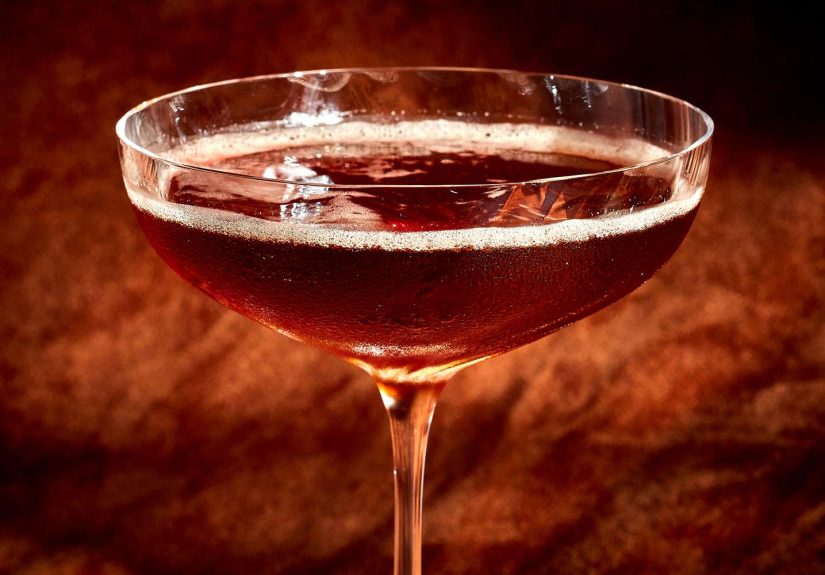
- Signature Recipe: Pomegranate Reverse Manhattan (Stirred, Clear, and Dangerous)
- If You Want to Use Pomegranate Juice (Not Syrup)
- Ingredient Smarts: What to Buy (and What to Stop Doing Immediately)
- Quick Homemade Pomegranate Grenadine (Worth It, Honestly)
- Variations That Keep It Interesting (Without Getting Weird)
- Technique Tips: The Small Stuff That Makes It Bar-Quality
- Batching for a Party (Because Stirring 12 Cocktails Is a Cry for Help)
- Food Pairings That Make This Drink Shine
- Frequently Asked Questions
- Conclusion
- Experiences with a Pomegranate Reverse Manhattan (The “I Actually Made This” Section)
The Manhattan is the kind of cocktail that wears a wool coat indoors and somehow pulls it off. It’s elegant, boozy, and unapologetically old-school: whiskey, vermouth, bitters, garnish, done. The Reverse Manhattan flips the script by making vermouth the star (which is great news for your liver and even better news for your taste buds).
Now add pomegranatetart, jewel-toned, and faintly dramaticand you’ve got a drink that feels like a holiday party in a coupe glass, without tasting like someone melted down a bag of gummy candy. This guide breaks down what a Pomegranate Reverse Manhattan is, why it works, how to make it properly, and how to riff on it like you actually know what you’re doing (even if you’re stirring with a soup spoon).
What Is a Pomegranate Reverse Manhattan?
A classic Manhattan is typically built around a simple structure: more whiskey than vermouth, plus bitters. A Reverse Manhattan swaps that ratio so there’s more vermouth than whiskey. The result is lighter, more aromatic, and surprisingly complexbecause vermouth is not “extra fancy grape juice,” it’s a fortified, aromatized wine with botanicals.
A Pomegranate Reverse Manhattan keeps that vermouth-forward spirit but adds pomegranate flavor in one of three common ways:
- Pomegranate syrup / real grenadine (best for keeping the drink clear and silky)
- Pomegranate liqueur (adds fruit plus a little extra body)
- Pomegranate juice (tart and fresh, but changes the cocktail’s texture and technique)
Why the Reverse Ratio Actually Tastes Better Than You’d Expect
If you’ve only met vermouth as the dusty bottle your friend leaves on top of the fridge, you might be skeptical. But a Reverse Manhattan is basically the “wet martini” philosophy applied to whiskey: it highlights aromatics, softens alcohol heat, and opens the door to subtle flavors that get steamrolled in higher-proof builds.
Three reasons it works
- Vermouth brings complexity without brute force. Botanicals, spice, cocoa notes, orange peel, herbsdepending on the bottle.
- Lower alcohol means more room for nuance. You can taste the bitters, the garnish oils, and the pomegranate detail.
- Pomegranate is naturally Manhattan-adjacent. It’s tart and slightly bitter, which plays nicely with bitters and whiskey spice.
The Flavor Blueprint: Building Balance (So It Doesn’t Taste Like “Holiday Candle”)
A great Pomegranate Reverse Manhattan hits four notes at once: richness (vermouth + whiskey), spice (bitters + rye), brightness (pomegranate), and lift (citrus oil or a sharp garnish).
Pick your pomegranate “dial”
- Subtle: 1 bar spoon (about 1 tsp) of pomegranate syrup or grenadine. Color + whisper of fruit.
- Balanced: 1/4 oz pomegranate syrup or 1/2 oz pomegranate liqueur. Clearly present, still classy.
- Bold (and more “cocktail-y”): 3/4–1 oz pomegranate juice. Tasty, but now you’re closer to a shaken sour-style build.
Signature Recipe: Pomegranate Reverse Manhattan (Stirred, Clear, and Dangerous)
This version keeps the drink spirit-forward and silky by using pomegranate syrup (or high-quality grenadine) rather than a large pour of juice. It’s festive without tasting like fruit punch tried to get its life together.
Ingredients
- 1 oz rye whiskey (or bourbon if you prefer rounder sweetness)
- 1 1/2 oz sweet vermouth
- 1/2 oz dry vermouth (optional but recommended for a brighter, “blended vermouth” effect)
- 1/4 oz pomegranate syrup (or real grenadine)
- 2 dashes aromatic bitters
- 1 dash orange bitters (optional, but it really ties the room together)
- Garnish: orange twist, brandied cherry, or a few pomegranate arils
Method
- Chill your glass (coupe or Nick & Nora). Cold glass = better texture.
- In a mixing glass, add rye, vermouth(s), pomegranate syrup, and bitters. Fill with plenty of ice (bigger, colder cubes help control dilution).
- Stir 20–30 seconds until very cold. You’re aiming for “silky and integrated,” not “melted snowman.”
- Strain into the chilled glass.
- Garnish with an orange twist (express the oils over the drink) or a cherry.
Taste and adjust (like a responsible adult)
- Too sweet: add a dash more bitters, or increase dry vermouth next time.
- Too tart: reduce syrup to a bar spoon, or use bourbon instead of rye.
- Too “wine-y”: bump whiskey to 1 1/4 oz and keep everything else the same.
If You Want to Use Pomegranate Juice (Not Syrup)
Pomegranate juice is delicious, but it changes the physics of the drink. You’ll add acidity and water content, which can make the cocktail feel thin if you stir it like a standard Manhattan. If you go the juice route, you have two good options:
Option A: Keep it stirred, keep it small
- 1 oz rye
- 2 oz sweet vermouth
- 1/2 oz pomegranate juice
- 2 dashes aromatic bitters
- Stir and strain
Option B: Embrace the shake (and the tiny bit of cloudiness)
Shaking will chill faster and integrate juice more completely, giving you a brighter, slightly frothier texture. It won’t be crystal-clear, but it will be extremely drinkable.
- 1 oz rye
- 1 1/2 oz sweet vermouth
- 3/4 oz pomegranate juice
- 2 dashes bitters
- Shake with ice, strain into a chilled coupe
Ingredient Smarts: What to Buy (and What to Stop Doing Immediately)
Vermouth: the real hero
Because vermouth is wine-based, it oxidizes after opening. Translation: treat it like wine. Refrigerate it, date it, and try to finish it while it still tastes lively. If you only make cocktails once in a blue moon, consider buying smaller bottles so your Reverse Manhattan doesn’t slowly become a “Reverse Regret.”
Whiskey: rye vs bourbon
- Rye gives peppery spice that plays beautifully with bitters and pomegranate tartness.
- Bourbon makes the drink rounder and softermore “dessert cart,” less “leather-bound novel.”
Pomegranate: grenadine, syrup, liqueur, or juice?
- Real grenadine / pomegranate syrup: best for clarity and control. (Bonus: a little goes a long way.)
- Pomegranate liqueur: easiest way to add fruit while staying spirit-forward.
- Pomegranate juice: brightest flavor, but you’ll need to tweak technique and balance.
Quick Homemade Pomegranate Grenadine (Worth It, Honestly)
Real grenadine is basically pomegranate syrup. The homemade version tastes fresher, less “candy,” and gives you total control over sweetness.
Simple method
- Combine 1/2 cup pomegranate juice with 1/3 to 1/2 cup sugar in a small saucepan.
- Warm gently, stirring until dissolved. Don’t aggressively boil it like you’re trying to punish the fruit.
- Optional: add a teaspoon of lemon juice or a tiny splash of orange flower water for aroma.
- Cool, bottle, refrigerate.
Variations That Keep It Interesting (Without Getting Weird)
1) Perfect Pomegranate Reverse Manhattan
“Perfect” means splitting sweet and dry vermouth. It’s lighter, snappier, and makes pomegranate taste more like fruit and less like syrup.
- 1 oz rye
- 1 oz sweet vermouth
- 1 oz dry vermouth
- 1 bar spoon to 1/4 oz pomegranate syrup
- 2 dashes bitters
2) Orange-Pomegranate Reverse Manhattan
Orange bitters plus an expressed orange twist makes pomegranate taste brighter and more “fresh-cut” than “holiday dessert.”
3) Pomegranate Molasses Micro-Dose
Pomegranate molasses is intensely tangy. Use it like a seasoning: a tiny spoonful is plenty.
- Add 1/2 teaspoon pomegranate molasses to the standard recipe (stir longer to dissolve).
4) Low-ABV “Weeknight” Version
If you want something lighter but still sophisticated, lean harder into vermouth and keep whiskey as a supporting actor.
- 1/2 oz rye
- 2 1/2 oz sweet vermouth
- 1 tsp pomegranate syrup
- 2 dashes bitters
Technique Tips: The Small Stuff That Makes It Bar-Quality
Stirring and dilution
Stirring isn’t just “mixing.” You’re chilling and diluting in a controlled way to get that velvety, integrated texture. Use lots of ice, stir until the outside of the mixing glass feels seriously cold, then strain.
Use good ice (yes, really)
Dense cubes melt slower, which gives you more control. Cracked, wet ice dumps water fast and turns your cocktail into a sad lukewarm soup with ambitions.
Garnish with purpose
- Orange twist: adds aromatic lift that complements pomegranate and vermouth botanicals.
- Cherry: classic Manhattan vibe; plays well with rye spice.
- Pomegranate arils: pretty, subtle, and a conversation starter (“Are those… seeds?” “Yes. I’m fancy now.”)
Batching for a Party (Because Stirring 12 Cocktails Is a Cry for Help)
Spirit-forward cocktails are famously batch-friendly. You can pre-mix the booze, add a measured amount of water for dilution, chill it hard, and pour like a legend.
Batch recipe (8 servings)
- 8 oz rye whiskey
- 12 oz sweet vermouth
- 4 oz dry vermouth (optional)
- 2 oz pomegranate syrup
- About 3 oz cold water (for dilution)
- Bitters: roughly 16 dashes aromatic + 8 dashes orange (adjust to taste)
Combine everything in a bottle, chill in the fridge or freezer (don’t forget it exists for three weeks), then pour into chilled glasses. Garnish each drink individually so your guests feel personally appreciated.
Food Pairings That Make This Drink Shine
A Pomegranate Reverse Manhattan is aromatic and slightly sweet-tart, so it likes salty, fatty, or bitter-friendly foods.
- Charcuterie: especially salty cured meats and aged cheeses
- Roasted nuts: smoked almonds, pistachios, or candied pecans
- Dark chocolate: a small square makes the pomegranate pop
- Holiday snacks: anything with rosemary, orange, or warm spices
Frequently Asked Questions
Is a Reverse Manhattan actually “better” than a Manhattan?
It’s not better in a universal, cosmic sense (we can’t all be right), but it’s often more drinkable, more aromatic, and easier to enjoy slowly. If you love vermouth, it can feel like discovering your favorite band’s acoustic albumsofter, but full of detail.
Can I use sweet vermouth only?
Absolutely. The sweet-and-dry split just gives extra brightness and complexity. If your sweet vermouth is rich and balanced, sweet-only is great.
Do I have to use rye?
No. Bourbon makes a sweeter, rounder drink. If you’re using a tart pomegranate component, bourbon can be especially forgiving.
Conclusion
The Pomegranate Reverse Manhattan is what happens when a classic cocktail decides to be a little more approachable without losing its dignity. By making vermouth the headline and letting pomegranate play a smart supporting role, you get a drink that’s festive, aromatic, and deeply sippableperfect for cool evenings, dinner parties, or any moment when you want your cocktail to feel like it has a bookshelf at home.
Keep your vermouth fresh, measure the pomegranate carefully, stir with intention, and garnish like you mean it. You’re not just making a drink. You’re making a tiny, liquid plot twist.
Experiences with a Pomegranate Reverse Manhattan (The “I Actually Made This” Section)
The first time I made a Pomegranate Reverse Manhattan, I approached it like a lot of “festive” cocktails: with optimism and the vague fear it would taste like a scented candle. Pomegranate is gorgeous, but it can go from elegant to sticky-sweet in about half an ounce. So I started conservative: reverse ratio, small spoon of syrup, bitters like punctuation.
Here’s what surprised me: the vermouth did most of the heavy lifting. In a standard Manhattan, vermouth can feel like a supporting actorimportant, but not center stage. In the reverse build, it becomes the whole personality of the drink. The pomegranate didn’t need to dominate; it just needed to show up, add a ruby tint, and give the aroma a little tangy sparkle.
The biggest “aha” moment was realizing how much the garnish mattered. With a cherry, the drink leaned dessert-likeround, dark, and a little nostalgic. With an orange twist, it snapped into focus. Suddenly the pomegranate tasted brighter and more natural, like the fruit itself rather than syrup. If you’re making this for guests, bring both garnishes to the table and let people choose. It turns a single cocktail into a mini tasting experience, and everyone feels like they’re customizing something special (which is a polite way of saying they’re distracted while you finish stirring).
I also learnedquicklythat pomegranate juice changes the whole mood. I tried a version with a generous pour of juice because I thought “fresh is best.” It was tasty, but it wasn’t really a Manhattan anymore. The texture got thinner, and the flavor leaned into tart fruit in a way that made the vermouth feel less velvety. That’s not a failure; it’s just a different drink. When I wanted that brighter, juicier vibe, shaking helped a lot. The drink became colder faster, the juice integrated better, and the end result felt like a winter cocktail you’d order at a lively barless tuxedo, more party dress.
The most useful real-world trick: make one “control” version first. Start with the stirred, syrup-based recipe. Taste it. Then adjust a single variable: swap rye for bourbon, or add orange bitters, or change the pomegranate dose from a bar spoon to a quarter-ounce. Doing it step-by-step teaches you what actually matters. (Spoiler: fresh vermouth matters. Ice quality matters. And pomegranate is powerfultreat it like salt, not soup.)
Finally, this is one of those cocktails that’s sneakily perfect for gatherings because it scales well. A batched bottle pulled from the freezer makes you look wildly prepared. You can pour, garnish, hand it over, and enjoy your own party instead of living behind a mixing glass like an overworked Victorian pharmacist. And every time someone comments on the colorbecause they willyou get to smile and say, “Pomegranate Reverse Manhattan,” like it’s a totally normal thing to have in your life now.