Table of Contents >> Show >> Hide
- What Is the Pursonic Electric Kitchen Composter?
- Quick Specs (The Stuff You Actually Want to Know)
- How Electric Kitchen Composters Work (And What They Produce)
- What You Can Put In (And What You Should Think Twice About)
- Step-by-Step: How to Use a Pursonic-Style Electric Composter Well
- How to Use the Output in Your Garden (Without Accidentally Bullying Your Plants)
- Odor Control: The Carbon Filter Is the MVP
- Cleaning and Maintenance: Keep It Boring (That’s a Compliment)
- Is It Actually Good for the Environment?
- Who Should Buy the Pursonic Electric Kitchen Composter?
- Common Issues and Quick Fixes
- Real-World Experiences With the Pursonic Electric Kitchen Composter (500+ Words)
- Conclusion
If you’ve ever opened your kitchen trash can and thought, “Wow, this banana peel is really committing to the vibe,” you’re not alone.
Food scraps add up fastand they’re heavy, wet, and (let’s be honest) aggressively aromatic.
The Pursonic Electric Kitchen Composter aims to flip that daily mess into something smaller, drier, and far less cringe to deal with.
It’s a countertop appliance designed to process common food waste in hours, not weeks, helping you keep scraps out of the landfill stream and (ideally) give your plants a little something back.
This article breaks down what the Pursonic unit is, what it actually produces, how to use it well, and who it makes sense for.
We’ll also talk about the reality-check part: most electric “kitchen composters” are closer to food recyclers than true backyard compost piles.
That’s not a dealbreakerit just means you’ll get the best results when you use the output the right way.
What Is the Pursonic Electric Kitchen Composter?
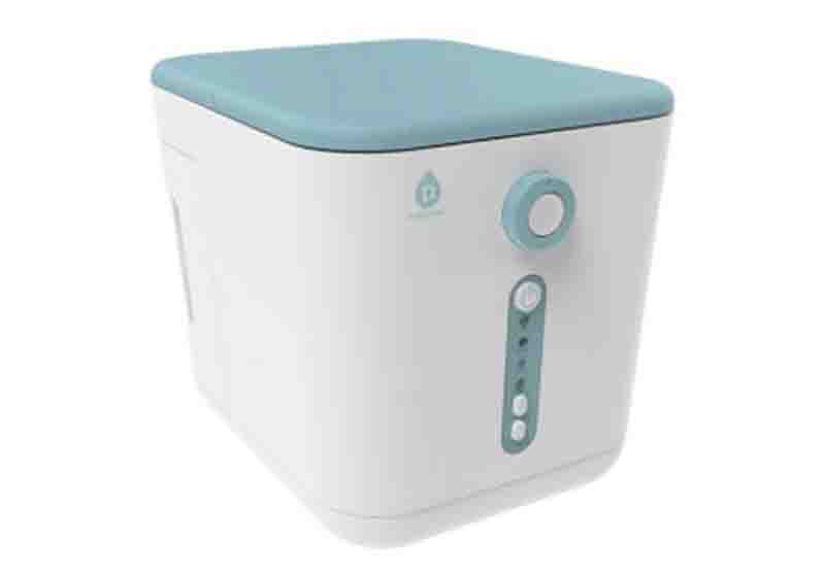
The Pursonic Electric Kitchen Composter (often listed as model FPR613) is a countertop food waste processor with a 3-liter capacity.
Product listings commonly highlight a 4–10 hour processing window, activated carbon filtration for odor control, and an auto cleaning & cooling system.
It’s also marketed as reducing food waste volume by up to 90%a big deal if your trash is basically a rotating cast of produce scraps.
In plain English: you load food scraps, press a button, and the machine uses a combination of heat, airflow, and mechanical processing to reduce and dry the contents.
The result is a dry, crumbly material that’s easier to store and manage than soggy leftovers.
Quick Specs (The Stuff You Actually Want to Know)
- Capacity: 3L (countertop-sized for daily kitchen scraps)
- Processing time: commonly listed as 4–10 hours (varies by load and moisture)
- Odor control: activated carbon filter
- Claimed waste reduction: up to ~90% volume reduction
- Approx. dimensions (listed): 17.2″ L x 13.8″ W x 15.7″ H
That footprint is “countertop appliance” territorybigger than a toaster, smaller than the emotional baggage of your produce drawer.
If you’ve got a coffee station or an appliance corner, it can fit in without taking over your whole kitchen.
How Electric Kitchen Composters Work (And What They Produce)
Here’s the part many listings gloss over: electric kitchen “composters” generally don’t produce finished compost in the same way a traditional compost pile does.
Classic composting relies on microorganisms over time, converting food and yard waste into stable humus-like compost.
Many countertop units instead dehydrate and break down scraps quickly, creating a dry output often best treated as a soil amendment or a “pre-compost” ingredient.
Think of it like this: backyard composting is a slow-cooker that develops deep flavor; electric composting is an air fryer that gets you dinner fast.
Both are usefuljust for different goals.
So…is the output “compost”?
If you define compost as fully decomposed, microbe-stabilized organic matter, the output from many electric units is typically not that.
The material is usually dried and ground food waste, which can still continue breaking down once it’s added to soil or mixed into a compost pile.
Some manufacturers of similar food-recycling systems advise letting output “rest” or “cure,” or mixing it into soil rather than using it as straight potting media.
The practical takeaway: use the output like a concentrated organic soil amendmentmix it in, don’t dump it in a thick layer.
What You Can Put In (And What You Should Think Twice About)
Pursonic listings commonly mention typical kitchen scraps like fruit and vegetable peels, coffee grounds, and eggshellsand some listings even mention chicken bones.
That said, your best results usually come from understanding two things:
moisture and odor risk.
Generally good candidates
- Fruit and vegetable scraps (peels, cores, trimmings)
- Coffee grounds and paper filters (if your model guidance allows it)
- Eggshells (crushed helps)
- Small amounts of stale bread, rice, or grains (watch moisture and clumping)
Use caution (these can slow cycles or smell)
- Very wet scraps (melon rinds, watery leftovers): consider smaller batches
- Oily or greasy foods: can leave residue and increase odor
- Strong aromatics (onion/garlic-heavy scraps): may be fine in small amounts, but can linger
- Meat and dairy: even if an appliance can process some animal products, they can increase odor and create handling concernsespecially if the output is stored before use
If your goal is “minimal stink, minimal drama,” stick mostly to produce scraps, coffee grounds, and eggshells.
Save the questionable stuff for municipal organics collection (if available) or a managed outdoor compost system where heat and microbial action are more predictable.
Step-by-Step: How to Use a Pursonic-Style Electric Composter Well
Every model has its own exact controls, but successful users tend to follow the same common-sense rhythm.
Here’s a workflow that matches how countertop food waste processors are typically designed to perform.
1) Prep scraps for a smoother cycle
- Cut big scraps smaller. Thick peels and large chunks process more evenly when reduced in size.
- Drain excess liquid. Don’t pour soup or sauce into the bintoo much liquid drags out drying time.
- Mix “wet” and “dry.” If your load is mostly watery produce, add drier scraps (like paper coffee filters if allowed) to balance it.
2) Don’t overpack the bin
A 3L capacity is great for daily use, but cramming it to the brim can reduce airflow and make cycles longer.
If you’re processing a lot of scraps (say, after a big cooking day), consider running two smaller cycles instead of one overloaded cycle.
3) Run a cycle when your kitchen routine supports it
Many units run for hours, so the “set it and forget it” move usually looks like:
load it after dinner, run it overnight, empty in the morning.
If you’re sensitive to sound, run it during daytime when the kitchen noise is already happening.
4) Cooldown matters
Many countertop systems include a cooling phase. Let the cycle complete before opening the lid or removing the container.
Hot, freshly processed output can hold steam; letting it finish cooling helps keep moisture from re-condensing inside.
5) Store the output correctly
The output is typically dry, but it’s still organic matter.
If you’re not using it right away, store it in a breathable container (or loosely covered) in a dry spot.
If it gets damp, it can clump and develop odor.
How to Use the Output in Your Garden (Without Accidentally Bullying Your Plants)
The smartest way to treat electric-composter output is as a soil amendment, not finished compost.
It can be nutrient-rich, but it may still be actively breaking downmeaning it can temporarily tie up nitrogen in soil or create “hot spots” if used in thick layers.
Best practices
- Mix it in. Blend output into existing soil rather than leaving it as a top layer.
- Use small amounts. Think “sprinkle and mix,” not “dump and hope.”
- Let it rest. If you have time, let output sit (dry) for a bit, or add it to a traditional compost bin to finish breaking down.
- Keep it away from seedlings. New roots are more sensitive; use finished compost or well-matured material for seed starting.
If you already have a compost pile, this appliance can act like a shortcut:
you reduce smell and volume indoors, then add the dried output to your outdoor compost to finish the job faster and with fewer pests.
Odor Control: The Carbon Filter Is the MVP
One of the biggest reasons people want an electric kitchen composter is simple: smell.
Pursonic listings emphasize an active carbon filter designed to trap odors, and in most countertop food waste processors,
the filter is a real make-or-break component.
Tips to keep odors low
- Replace filters on schedule. A saturated filter can’t “filter” its way out of a problem.
- Wipe seals and edges. Odors often come from residue around lids and gaskets.
- Avoid pooling liquids. Moisture plus warmth equals “science fair project.”
- Don’t let scraps sit too long before cycling. Run a cycle before scraps go full villain arc.
Cleaning and Maintenance: Keep It Boring (That’s a Compliment)
A kitchen appliance that processes food waste should be…clean. Preferably in a way that doesn’t ruin your weekend.
While details vary by model, most units stay low-maintenance if you do small, consistent upkeep.
Routine that works
- After each cycle: empty output, wipe bin if needed, check for stuck bits
- Weekly: wipe interior surfaces, clean around lid seal, inspect filter area
- Monthly-ish: deep clean bin (per product guidance), check for buildup around moving parts
If your unit advertises an “auto cleaning” feature, treat it as a helpful assistantnot a magical force field.
Auto-clean can reduce residue, but it rarely eliminates the need for an occasional human wipe-down.
Is It Actually Good for the Environment?
Food waste in landfills is a methane problem.
Methane is a powerful greenhouse gas, and research and federal resources emphasize that diverting food waste away from landfills can reduce methane emissions.
Composting (and related organics diversion) also supports healthier soils, which can retain water better and improve resilience in landscaping and agriculture.
That said, an electric composter uses electricityso the “green” value depends on your context:
how much food waste you divert, whether your area has compost pickup, and how you use the output.
For many households, the biggest practical win is simply reducing how much wet food ends up in the trash.
Who Should Buy the Pursonic Electric Kitchen Composter?
This is a good fit if you…
- Generate frequent kitchen scraps and hate trash odors
- Live in an apartment or home without an outdoor compost setup
- Want a tidy, indoor-friendly way to reduce food waste volume
- Have houseplants, garden beds, or access to a community garden where you can use the output responsibly
You might skip it if you…
- Already have reliable curbside organics pickup (and you actually use it)
- Expect finished, ready-to-use compost exactly like a backyard pile produces
- Don’t want to maintain filters or clean an appliance that deals with scraps
- Primarily toss very wet leftovers (soups, sauces) and don’t want to pre-drain
Common Issues and Quick Fixes
Problem: Output is clumpy or damp
- Likely cause: too much wet food or overloaded bin
- Fix: run smaller batches; mix wet scraps with drier scraps; make sure cooldown completes
Problem: Odor is noticeable
- Likely cause: saturated filter, residue on seals, scraps sitting too long
- Fix: replace filter; wipe lid/gasket; run cycles sooner
Problem: Cycle takes longer than expected
- Likely cause: high-moisture load (melon, citrus, cooked leftovers)
- Fix: reduce moisture; cut scraps smaller; avoid overfilling
Real-World Experiences With the Pursonic Electric Kitchen Composter (500+ Words)
Because “experience” is where the truth livesright next to the onion skins you forgot were in the produce drawer.
Here are a few realistic, common-use scenarios that mirror how households typically end up using a Pursonic-style electric kitchen composter day to day.
Consider this the “what it feels like in real life” section, minus the dramatic slow-motion shots of carrot peels falling into a bin.
Scenario 1: The Weeknight Cook Who’s Tired of Trash Smell
A typical weeknight routine goes like this: you cook dinner, you slice vegetables, you peel something, and suddenly your trash can contains enough moisture
to qualify as a small ecosystem. With the Pursonic on the counter, scraps shift from “trash problem” to “later tonight problem.”
Many people find the sweet spot is loading scraps after dinner and running a cycle overnight.
In the morning, instead of a stinky bag of food waste, there’s a dry, crumbly output that’s much easier to handle.
The emotional benefit is surprisingly real: the kitchen feels cleaner because you’re not storing wet waste for days.
Scenario 2: The Apartment Dweller Who Wants Composting Without the Worm Roommate
Traditional composting can be tough in apartments: no yard, no bin, and nobody wants a fruit-fly fan club.
A countertop composter can feel like a “permission slip” to reduce waste anyway.
People often start small: coffee grounds, banana peels, veggie trimmings.
The biggest learning curve is moisturewatery scraps can lengthen cycles and create clumps.
Once users figure out to drain leftovers and avoid dumping liquids, the experience tends to become more predictable.
The output usually gets stored in a container until a weekend trip to a community garden, a friend with a compost pile, or a small balcony planter setup.
Scenario 3: The Home Gardener Who Uses It as a Shortcut (Not a Replacement)
Gardeners who already understand composting expectations often like electric composters the mostbecause they don’t expect miracles.
A common pattern is using the Pursonic to reduce smell and volume indoors, then “finishing” the output outdoors.
For example, someone might add the dried output into an existing compost bin along with leaves or shredded paper.
Because the material is already smaller and less wet, it tends to integrate more easily than raw scraps.
It’s also a winter-friendly strategy: when outdoor compost piles slow down in cold weather, the Pursonic can keep the kitchen routine steady.
Scenario 4: The “I Bought This to Be Eco-Friendly” Reality Check (Still a Win)
Some users start with the idea that the machine will create perfect finished compostlike a bag of garden center soil that fell from the heavens.
The better experience happens when people reframe the output as a soil amendment that should be mixed into soil or composted further.
Once that mental model clicks, satisfaction usually goes up.
Instead of dumping the output into a pot as “soil,” users mix small amounts into garden beds, blend it with existing compost, or let it rest before applying.
The practical win is still there: less food waste in the trash, fewer smells, and a more consistent habit of diverting scraps.
In the end, the “best” experience is not about perfectionit’s about making the sustainable choice the easy default on a random Tuesday night.
Conclusion
The Pursonic Electric Kitchen Composter is designed for people who want a cleaner, faster, indoor-friendly way to manage food scraps.
With a 3L capacity, activated carbon filtration, and multi-hour processing cycles, it can reduce the volume (and the ick factor) of kitchen waste dramatically.
The key is using it with realistic expectations: treat the output as a soil amendment or “pre-compost,” mix it into soil thoughtfully, or finish it in a traditional compost system.
If you’re trying to cut down on trash odor, shrink your weekly garbage volume, and build a more consistent food-waste habit,
the Pursonic approach can be a genuinely practical stepno backyard required, no worms auditioning as roommates, and no heroic willpower needed.