Table of Contents >> Show >> Hide
- Why Certain Home Features Matter More Than Ever
- 1. An Updated, Functional Kitchen
- 2. Bathrooms That Feel Clean, Fresh, and Current
- 3. Energy Efficiency That Lowers Monthly Costs
- 4. Storage, Laundry Space, and a Garage That Actually Helps
- 5. Flexible Living Space and a Practical Floor Plan
- 6. Strong Curb Appeal and a Welcoming Entry
- 7. Outdoor Living Space Buyers Can Actually Use
- 8. Move-In-Ready Condition and Well-Maintained Systems
- 9. Smart Home and Security Features
- 10. Accessibility and Long-Term Livability
- What Sellers Should Learn From All This
- Experience From the Field: What Buyers and Sellers Notice in Real Life
If you ask real estate agents what buyers want, you will not get a dramatic monologue about gold-plated bathtubs or a wine cellar the size of Nebraska. You will hear the same practical answers again and again. Buyers want homes that feel easy to live in, affordable to maintain, and attractive from the minute they pull into the driveway. In other words, they are looking for comfort, function, and fewer future headaches.
That makes sense. Buying a home is emotional, but it is also expensive. When people tour a property, they are not just admiring paint colors and countertops. They are mentally calculating utility bills, storage space, renovation costs, and whether the kitchen will survive a busy Tuesday night. The homes that win buyers over are usually the ones that combine everyday usefulness with just enough polish to feel move-in ready.
So what features rise to the top most often? Based on current housing research, listing trends, and the kinds of details agents repeatedly highlight, these are the home features buyers consistently look for first.
Why Certain Home Features Matter More Than Ever
Today’s buyers are choosier for a simple reason: homes cost a lot, and repair work is not getting cheaper. A pretty house that hides old windows, poor storage, awkward flow, or an outdated kitchen can feel less like a dream and more like a future invoice. Buyers want value, but they also want a home that works from day one.
That is why the most desirable home features are not always flashy. Sometimes the feature that seals the deal is a laundry room, a shaded patio, a walk-in pantry, or windows that do not leak conditioned air like a screen door on a submarine. Luxury is nice, sure. But practical luxury is what really sells.
1. An Updated, Functional Kitchen
The kitchen still wears the crown. Buyers notice it immediately, and many make snap judgments there. If the kitchen looks clean, updated, and easy to use, the whole home tends to feel more valuable. If it feels cramped, dated, or chaotic, the opposite happens just as fast.
What buyers want in a kitchen
They are usually looking for usable counter space, quality cabinets, decent lighting, a sensible layout, and appliances that do not look like they came with a flip phone. A kitchen island helps, but it is not magic on its own. What matters more is whether the room functions well for cooking, serving, gathering, and storing all the things people somehow own in multiples, including seventeen water bottles and three mystery lids.
Storage is part of the appeal too. Walk-in pantries, deep drawers, and table space or eat-in nooks are especially attractive because they solve everyday problems. Buyers love kitchens that look good, but they love kitchens that make life easier even more.
2. Bathrooms That Feel Clean, Fresh, and Current
Kitchens may be the heart of the home, but bathrooms have a sneaky amount of influence. Buyers want them to feel bright, well-kept, and updated enough that they do not need immediate work. Even a modest bathroom can impress if it feels fresh and functional.
What makes a bathroom more appealing
Updated vanities, modern fixtures, good lighting, neutral finishes, and clean grout go a long way. Buyers also appreciate practical details such as double sinks in a primary bath, extra linen storage, and a full bath on the main level. That last one is especially helpful for guests, multigenerational households, and anyone thinking ahead about long-term livability.
The key here is not overdesigning. Buyers tend to respond better to timeless finishes than ultra-personal choices that feel trendy for six minutes and dated by Labor Day.
3. Energy Efficiency That Lowers Monthly Costs
Energy efficiency has moved from “nice bonus” to “please point that out in the listing.” Buyers are paying attention to windows, insulation, appliances, HVAC performance, lighting, and anything else that can reduce monthly utility costs. The appeal is both financial and practical: a more efficient home is usually more comfortable too.
Features that help a home stand out
Energy-efficient windows, sealed doors, updated insulation, modern appliances, and efficient heating and cooling systems all make buyers feel more confident. Even smaller improvements matter when they signal that the home has been cared for. If buyers believe they are stepping into lower bills and fewer upgrades, the home instantly feels more attractive.
This is also one area where agents love simple proof. A newer HVAC system, updated windows, or efficient appliances give sellers something concrete to highlight. Buyers do not just hear “nice house.” They hear “less money flying out the attic.”
4. Storage, Laundry Space, and a Garage That Actually Helps
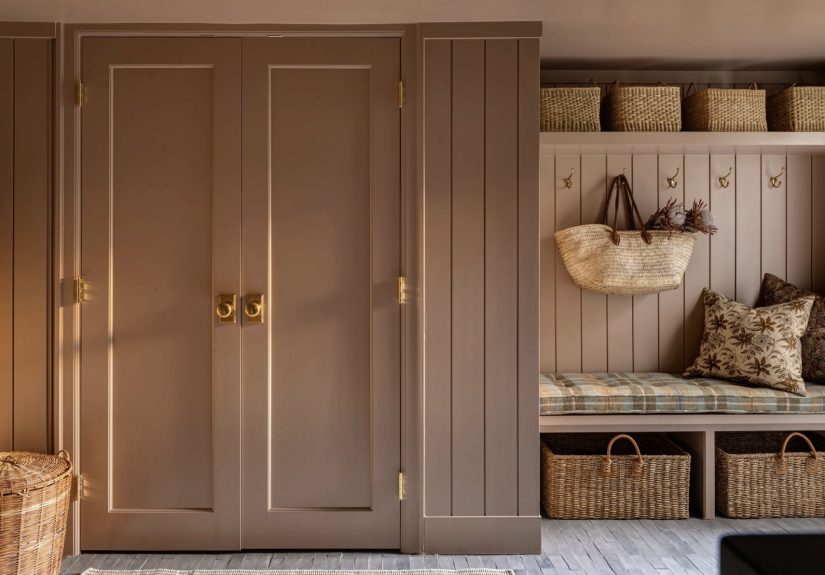
No one ever walks into a well-organized home and says, “You know what this place needs? Less storage.” Storage is one of the least glamorous and most powerful buyer magnets. Closets, garage shelving, pantry space, mudroom storage, and even tidy attic or crawl spaces can make a home feel more functional and better maintained.
The storage features buyers love
A dedicated laundry room is a big one. It sounds humble, but buyers regularly rank it near the top of desirable features because it improves daily life in a very unglamorous, very useful way. Garage storage matters too, especially for households juggling sports gear, tools, seasonal decor, and the exercise bike everyone swore they would use.
Ample storage changes how spacious a home feels. A house does not need to be enormous to feel livable. It just needs a place for the real-world clutter of real-world people.
5. Flexible Living Space and a Practical Floor Plan
Buyers are no longer impressed by square footage alone. They want space that can adapt. A bonus room, finished basement, loft, or spare bedroom that can become a home office, gym, guest room, or homework zone is far more valuable than a formal room nobody uses except to store decorative pillows.
Why layout beats size
A practical floor plan makes a home feel bigger, even when it is not. Buyers like easy traffic flow, a clear connection between living spaces, and rooms that make sense for modern life. Open layouts are still popular, but not at the expense of function. People want openness with purpose, not a giant echo chamber where the blender, television, and conference call all fight for dominance.
Flexible space appeals to more buyers because it gives them options. And in a competitive market, options feel valuable.
6. Strong Curb Appeal and a Welcoming Entry
The outside of the home sets the tone before buyers ever touch the front door. Great curb appeal does not require a mansion-level landscaping budget. It requires a home that looks cared for, inviting, and easy to imagine coming home to.
What improves first impressions
Fresh landscaping, a clean walkway, updated exterior lighting, trimmed shrubs, a tidy lawn, and a front porch or polished entry all help. Buyers notice whether the home feels warm and maintained or whether it looks like the yard is in a long-term feud with the homeowner.
Curb appeal also signals maintenance. If the exterior looks neglected, buyers tend to wonder what is happening inside the walls, on the roof, and under the sinks. A strong exterior creates trust before the showing even starts.
7. Outdoor Living Space Buyers Can Actually Use
Outdoor living remains a major selling point, especially when it feels like a true extension of the home. Buyers love patios, decks, porches, covered seating areas, and yards with enough structure to imagine relaxing, dining, or entertaining there.
Why outdoor space matters
People do not just want a backyard. They want usable outdoor space. A simple patio with comfortable flow from the house often beats a big empty yard that feels unfinished. Covered outdoor areas are especially appealing because they add function and comfort without demanding a huge renovation budget.
In many markets, outdoor features help listings stand out because they support the lifestyle buyers imagine for themselves. Morning coffee on the porch, family dinners outside, a safe play area, a spot for the dog, a little fresh air after work, all of that adds emotional value fast.
8. Move-In-Ready Condition and Well-Maintained Systems
Buyers may forgive cosmetic quirks, but they get nervous around expensive repairs. That is why move-in-ready condition matters so much. A home does not need to be brand-new, but it should feel cared for and unlikely to explode into a renovation project the week after closing.
What buyers pay attention to
Roof age, HVAC condition, water heater age, plumbing, windows, insulation, foundation condition, and general upkeep all matter. Even spaces buyers once ignored, such as attics and crawl spaces, can influence how well-maintained a home feels. A tidy, dry, clean utility area sends a powerful message that the owner has taken the property seriously.
This is one reason “updated systems” can matter just as much as “pretty finishes.” Fancy tile is lovely. Reliable mechanicals are peace of mind in a trench coat.
9. Smart Home and Security Features
Smart home features are not the main reason most people buy a house, but they can absolutely help a home feel more current. Buyers often respond well to smart thermostats, video doorbells, security systems, smart locks, leak detectors, and integrated lighting, especially when those features are easy to use and clearly add convenience.
Where smart features add value
They work best when they support comfort, efficiency, or safety. A smart thermostat that helps manage heating and cooling is more persuasive than a gadget that requires three apps, two passwords, and the patience of a saint. Buyers like technology that makes daily life smoother, not technology that feels like an audition for a tech support call.
In higher-end or newer homes, smart features can help meet buyer expectations. In more mainstream price ranges, they often serve as a helpful bonus that nudges a home ahead of similar listings.
10. Accessibility and Long-Term Livability
Another feature category getting more attention is accessibility. Buyers are increasingly interested in homes that can work for different life stages, guests, and household needs. That does not mean every buyer is searching for a fully universal-design home. It means more people appreciate features that make a home easier to use over time.
Examples of accessibility-minded features
Wide doorways, walk-in showers, fewer stairs, good lighting, main-level bedrooms or full baths, and easy entry points all broaden a home’s appeal. These details are practical for aging in place, multigenerational living, injury recovery, and everyday convenience. They also make a home feel thoughtful, which buyers notice.
In short, homes that work for more people tend to attract more interest. That is not complicated marketing. That is just math.
What Sellers Should Learn From All This
If there is one takeaway, it is this: buyers are not necessarily chasing the fanciest home. They are chasing the home that feels easiest to say yes to. That usually means updated where it counts, efficient where it matters, and practical in the places people use every single day.
Before spending a fortune on dramatic upgrades, sellers should think like buyers. Would fresh paint, better lighting, cleaner landscaping, improved storage, and a kitchen refresh do more than a wildly expensive custom project? Often, yes. Features with broad appeal tend to beat niche luxuries when it is time to sell.
The winning homes are rarely random. They are the ones that quietly answer buyers’ biggest questions before buyers even ask them. Is this home comfortable? Is it cared for? Can I live here without immediately opening a spreadsheet titled “Unexpected Expenses”? If the answer feels like yes, that home already has a serious edge.
Experience From the Field: What Buyers and Sellers Notice in Real Life
In real-world home searches, these priorities show up fast. Buyers may arrive talking about “character” or “good bones,” but once they begin touring properties, practical details usually take over the conversation. One home might have beautiful charm and original details, but if the kitchen is cramped, the storage is weak, and the windows rattle every time the wind changes its mind, enthusiasm cools quickly. Another home may not be especially dramatic, yet it has a bright kitchen, a clean laundry room, a pleasant patio, and updated systems. Guess which one buyers keep thinking about over dinner?
Agents see this pattern all the time. A seller may assume buyers will care most about a statement chandelier or a trendy tile choice, while buyers are quietly opening closets, checking pantry shelves, peeking at the age of the water heater, and asking whether the backyard gets afternoon shade. The emotional connection still matters, of course, but practical comfort is what keeps a showing from turning into a polite pass.
Sellers often have the best results when they stop trying to impress everyone and start removing friction. Decluttering a mudroom, repainting a dark kitchen, replacing tired light fixtures, trimming overgrown shrubs, and servicing the HVAC may not sound glamorous, but those are the updates that make a home feel easier to own. Buyers are deeply responsive to homes that seem well maintained because maintenance feels expensive when it lands on someone else’s to-do list.
There is also the comparison effect. Buyers rarely view one property in isolation. They are comparing three bathrooms, four kitchens, two patios, and a dozen front entries in the span of a weekend. The homes that stand out are usually the ones that feel most complete. Not perfect, just complete. They do not make buyers mentally stack renovation projects before they have even made an offer.
Another common experience is that buyers forgive smaller square footage faster than they forgive bad function. A slightly smaller home with smart storage, natural light, and a flexible extra room often beats a larger home with awkward layout issues. People want a home that supports the way they actually live. That may mean working from home twice a week, storing school gear, hosting family on holidays, or simply having a place to drink coffee without staring at a fence two feet away.
In the end, the homes buyers love most are usually not the ones shouting the loudest. They are the ones quietly proving they can handle everyday life beautifully. And that, more than any single trend, is what keeps showing up in successful sales.