Table of Contents >> Show >> Hide
- Why Classic Popovers Are Still a Big Deal
- Classic Popovers Recipe
- Cheese Variation: The Savory Upgrade
- Popovers Recipe Tips That Actually Matter
- Troubleshooting Your Popovers
- Serving Ideas for Classic and Cheese Popovers
- Storage, Reheating, and Make-Ahead Advice
- Why This Classic Popovers With Cheese Variation Recipe Works
- Extended Kitchen Experiences: What Baking Popovers Teaches You
- Conclusion
- SEO Metadata
Synthesized from leading U.S. cooking sources including King Arthur Baking, Food Network, Allrecipes, Martha Stewart, Taste of Home, Betty Crocker, Serious Eats, The Spruce Eats, Simply Recipes, Bon Appétit, Epicurious, Food52, Better Homes & Gardens, and Delish.
Better Homes & Gardens
+13
Martha Stewart
+13
King Arthur Baking
+13
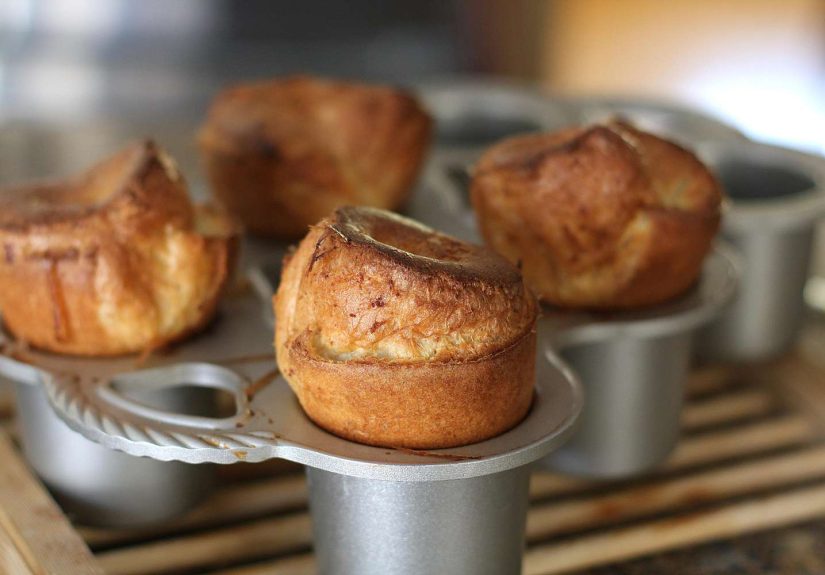
If bread rolls and soufflés had a dramatic cousin who loved attention, it would be the popover. Crisp on the outside, airy on the inside, and gloriously hollow in the middle, a great popover looks like it spent time at a spa and came back three inches taller. The best part? It is made from humble pantry staples: eggs, milk, flour, butter, and salt. No yeast. No kneading. No pep talk required.
This guide walks you through a classic popovers recipe, then gives it a savory cheese variation that tastes right at home beside roast beef, soup, salad, holiday brunch, or a Tuesday night when dinner needs a little applause. Along the way, you will also get the practical popover tips that actually matter, because “just wing it” is not a sound baking strategy when your batter is trying to become a cloud.
Code
Why Classic Popovers Are Still a Big Deal
Classic popovers have stayed popular because they do something magical with very little. Their rise comes mostly from steam and eggs, not baking powder or baking soda. That means the batter transforms in the oven with a kind of old-school kitchen drama: the hot pan hits the thin batter, steam expands fast, and the popovers lift into golden, puffed towers with crisp walls and tender, eggy centers.
They are often described as the American cousin of Yorkshire pudding, but popovers have their own personality. They are lighter, taller, and showier, the type of baked good that arrives at the table looking like it has excellent public relations. They can lean sweet with butter and jam, or savory with herbs, black pepper, and cheese. Today, we are going the savory route without losing the soul of the original recipe.
Classic Popovers Recipe
Ingredients
- 2 large eggs, room temperature
- 1 cup whole milk, room temperature
- 1 cup all-purpose flour
- 1/2 teaspoon fine salt
- 2 tablespoons unsalted butter, melted
- 1 tablespoon butter or neutral oil for greasing the pan
Optional Cheese Variation Add-Ins
- 3/4 cup finely grated sharp cheddar, Gruyère, Parmesan, or Asiago
- 1 tablespoon finely chopped chives or parsley
- 1/4 teaspoon black pepper
- Pinch of garlic powder or dry mustard, optional
Equipment
- Popover pan or standard muffin tin
- Blender or large whisk
- Mixing bowl
- Measuring cups and spoons
How to Make Classic Popovers
- Heat the oven: Preheat your oven to 425°F. Place the popover pan or muffin tin in the oven for 2 to 5 minutes so it gets properly hot. A warm pan gives the batter an immediate burst of energy, which is what you want.
- Mix the batter: In a bowl or blender, combine the eggs, milk, flour, salt, and melted butter. Blend or whisk until smooth and the consistency resembles light cream. A few tiny bubbles are fine. Lumps are not invited.
- Grease the hot pan: Carefully remove the heated pan and grease each cup well with butter or oil. Work quickly but calmly. This is baking, not a hostage negotiation.
- Fill the cups: Pour the batter into the cups, filling each one about two-thirds full. If you want smaller popovers, you can use a muffin tin and fill only the outer cups for better air circulation.
- Bake hot, then finish lower: Bake at 425°F for 15 minutes. Without opening the oven door, reduce the heat to 350°F and continue baking for 15 to 20 minutes more, until the popovers are deeply golden and feel dry and crisp on the outside.
- Release steam: Remove the popovers from the pan and pierce each one lightly with the tip of a knife. This lets trapped steam escape and helps keep them from collapsing into sad little domes of regret.
- Serve immediately: Popovers are at their absolute best when warm, crisp, and fresh from the oven.
Cheese Variation: The Savory Upgrade
If classic popovers are charming, cheese popovers are charming with a winning smile. Cheese adds depth, saltiness, and a little extra drama as it melts into the batter and browns at the edges. The result is a popover with more flavor, a richer aroma, and those irresistible crispy cheese bits that make people linger in the kitchen pretending they are “just helping.”
How to Add Cheese Without Ruining the Rise
Fold the cheese, herbs, and pepper into the finished batter right before pouring it into the hot pan. Keep the cheese finely grated so it disperses evenly. Large chunks can weigh down the batter and make the popovers less lofty. A moderate amount works best; you want a savory accent, not a dairy landslide.
Best Cheeses for Popovers
- Sharp cheddar: bold, familiar, and excellent with soups or salads
- Gruyère: nutty, elegant, and especially good for holiday meals
- Parmesan: salty and crisp, great when you want a lighter cheese touch
- Asiago: sharp and savory with beautiful browning
Flavor Pairings That Work
- Cheddar + chives + black pepper
- Gruyère + thyme + a pinch of dry mustard
- Parmesan + parsley + garlic powder
- Asiago + cracked pepper + scallions
For a classic cheese variation recipe, sharp cheddar is the easiest place to start. It is easy to find, melts well, and brings enough personality to make the popovers feel special without hijacking the whole bake.
Popovers Recipe Tips That Actually Matter
Use Room-Temperature Ingredients
Cold batter and a hot oven are not sworn enemies, but room-temperature eggs and milk usually give you a smoother batter and a more reliable rise. If you forgot to plan ahead, let the eggs sit in warm water for a few minutes and gently warm the milk until it is no longer chilly.
Do Not Fear a Thin Batter
Popover batter is supposed to be thin. If it looks closer to heavy cream than muffin batter, that is good news. Thick batter gives you dense results, and dense popovers are just dinner disappointment wearing a crust.
Preheat the Pan
This is one of the most repeated tips for a reason. A hot pan helps create the immediate lift that defines tall, airy popovers. Skip this step, and your popovers may still taste good, but they can lose height and crispness.
Do Not Open the Oven Too Early
Popovers need stable heat. Opening the oven door during the first stage of baking lets heat escape and can interrupt the rise. In other words, trust the process and step away from the oven window like the responsible adult you are trying to become.
Let Steam Escape After Baking
That little slit in the side is not optional fussiness. It is how you keep the crust crisp and avoid sogginess from trapped steam. Think of it as giving your popovers a dignified exit strategy.
Troubleshooting Your Popovers
Why Did My Popovers Not Rise?
The usual suspects are a pan that was not hot enough, overfilled cups, batter that was too thick, or an oven that ran cool. An oven thermometer can help if your oven has a habit of freelancing.
Why Are My Popovers Doughy Inside?
They probably needed more time. Popovers should be deep golden and dry to the touch. Pale popovers may look done but can hide a gummy interior like a charming liar.
Why Did They Collapse?
Some settling is normal. A dramatic collapse usually means they were underbaked, the oven door opened too early, or the steam was not released after baking.
Serving Ideas for Classic and Cheese Popovers
One of the reasons popovers stay relevant is that they are absurdly flexible. Serve the classic version with butter, jam, or honey for breakfast and brunch. Serve the cheese popovers with roast chicken, beef stew, tomato soup, potato leek soup, or a crisp green salad for lunch or dinner. They also make an excellent holiday side dish when dinner needs something lighter than biscuits but more exciting than standard bread.
If you are entertaining, cheese popovers can be passed as an appetizer with whipped butter, herbed cream cheese, or a little compound butter with garlic and parsley. They look fancy, smell amazing, and tend to disappear faster than your confidence during a group text misunderstanding.
Storage, Reheating, and Make-Ahead Advice
Popovers are best the day they are made, preferably within minutes of leaving the oven. That said, leftovers can be stored in an airtight container at room temperature for a day. Reheat them in a 350°F oven for 5 to 8 minutes to revive the crust. The microwave will warm them, but it also softens their crispy exterior, which is a little like ironing pleats out of a tuxedo.
You can make the batter ahead and refrigerate it for several hours if needed. Give it a stir before baking. The cheese variation also holds up well as a make-ahead batter, though freshly grated cheese gives the cleanest texture and best flavor.
Why This Classic Popovers With Cheese Variation Recipe Works
This recipe works because it respects the fundamentals of popover structure while giving the cheese enough room to shine. The eggs provide lift, the milk keeps the batter fluid, the flour builds just enough body, and the hot pan creates the fast steam burst that gives popovers their signature rise. The cheese is added in a measured amount, so it boosts savory flavor without dragging the texture down.
The result is a recipe that feels both classic and modern. It is easy enough for a beginner, flexible enough for a confident home cook, and impressive enough to earn compliments that you should absolutely accept with fake modesty.
Extended Kitchen Experiences: What Baking Popovers Teaches You
The first time most people make popovers, there is usually a moment of suspicion. The batter is thin. The ingredient list is short. The method feels almost too simple. You pour this humble liquid into a hot pan and then stand there thinking, “There is no way this is about to become something majestic.” Then the oven works its strange little miracle, and suddenly you are peering through the glass like a sports commentator watching a comeback in the final minute.
That experience is part of what makes classic popovers so memorable. They teach a kind of practical optimism. You learn that not every impressive recipe requires twelve specialty ingredients, a stand mixer, and the patience of a saint. Sometimes the most satisfying baking comes from understanding a few key principles and then letting heat, timing, and steam do their thing. It feels less like showing off and more like discovering that your kitchen has been holding a tiny science fair all along.
The cheese variation adds another layer to that experience. Regular popovers are delightful, but cheese popovers fill the kitchen with an aroma that gets people wandering in from other rooms, asking suspiciously casual questions like, “So… what are you making?” The smell of toasted cheese, warm butter, and baked batter is practically a dinner bell. If you bake them for guests, do not expect polite restraint. People who claim they are “just having one” are often back for a second before the pan cools.
There is also something deeply useful about popovers when you cook for different occasions. For holidays, they feel elegant without being fussy. For weekend brunch, they make the table look instantly more festive. For simple weeknight meals, they can turn soup and salad into something that feels complete. A basket of warm cheddar popovers next to tomato soup can make an average evening feel suspiciously cozy, like your home accidentally turned into a charming inn.
Over time, baking popovers also changes how you think about kitchen confidence. You stop chasing perfection and start noticing patterns. You realize that a properly heated pan matters more than dramatic stirring. You learn that deeply golden color is your friend. You get comfortable with the fact that every batch may puff a little differently, and that slight variations are not failure. They are part of the fun. Popovers are impressive, yes, but they are also forgiving enough to help you relax.
And that may be the biggest reason this recipe endures. Popovers feel special, but they are built from ordinary things. Milk. Eggs. Flour. Butter. Cheese, if you are feeling wise. They remind us that simple ingredients can still deliver surprise, comfort, and a little spectacle. In a cooking world full of complicated trends and buzzy ingredients, a classic popover still rises from the oven like it has something to prove. Honestly, it usually does.
Conclusion
Classic popovers are one of those rare recipes that are both practical and a little theatrical. They rely on ordinary ingredients, yet they arrive looking like you hired a pastry consultant. The cheese variation makes them even better for savory meals, giving you a crisp, airy bread option with more flavor and a richer finish. Whether you serve them at brunch, with soup, or beside a holiday roast, this classic popovers with cheese variation recipe delivers the kind of payoff home cooks love: simple prep, dramatic rise, and very few leftovers.
SEO Metadata
“` :