Table of Contents >> Show >> Hide
- What Is a Rectal Suppository?
- When Are Rectal Suppositories Used?
- How to Prepare Before Inserting a Rectal Suppository
- Best Positions for Inserting a Rectal Suppository
- Step-by-Step: How to Insert a Rectal Suppository
- Practical Tips to Make It More Comfortable
- Common Side Effects of Rectal Suppositories
- Who Should Be Extra Careful?
- How Long Do Rectal Suppositories Take to Work?
- Frequently Asked Questions
- Real-Life Experiences: What Using Rectal Suppositories Is Really Like
- The Bottom Line
- SEO Summary
Rectal suppositories don’t usually come up in dinner conversation, but they’re a really useful way to
get medicine where it needs to go when swallowing a pill is not ideal. Whether you’re dealing with
constipation, inflammatory bowel disease, pain, or nausea, rectal medication can work quickly and
bypass the stomach.
The catch? You actually have to put the suppository there. That’s where good technique, the
right body position, and realistic expectations about side effects make a huge difference. This guide
walks you through how rectal suppositories work, how to insert them comfortably, which positions are
easiest, what side effects to watch for, and real-life tips from people who’ve been there.
This article is for general education and does not replace advice from your own healthcare
professional. Always follow the specific instructions on your prescription label or from your doctor or
pharmacist.
What Is a Rectal Suppository?
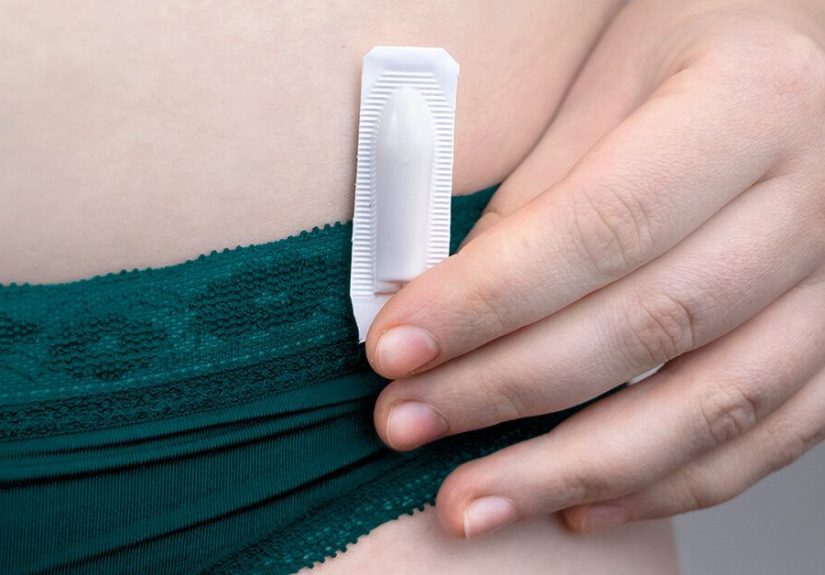
A rectal suppository is a small, solid dose of medicine designed to melt at body temperature after it’s
inserted into the rectum. Most are bullet- or torpedo-shaped, with a tapered end that goes in first.
Once inside, the suppository softens and the medication is absorbed through the rectal lining into
local tissues or the bloodstream.
Rectal suppositories are especially helpful when:
- You can’t keep pills down because of nausea or vomiting.
- You’re treating the rectum or lower colon directly (for example, ulcerative colitis).
- You need fast relief from constipation.
- A child or adult has trouble swallowing pills.
Common medicines available as rectal suppositories include laxatives such as glycerin or bisacodyl,
pain relievers and fever reducers like acetaminophen, anti-inflammatory drugs such as mesalamine or
indomethacin, and certain anti-nausea medications.
When Are Rectal Suppositories Used?
1. Constipation
Laxative suppositories (often glycerin or bisacodyl) help stimulate the bowel and draw water into the
stool, usually producing a bowel movement within 15 minutes to an hour. They are typically used for
short-term relief of occasional constipation, not as a daily long-term fix.
2. Pain and Fever
Rectal acetaminophen can help lower fever and relieve pain when someone can’t take medicine by
mouthcommon in young children or people after surgery or with severe nausea. It has the same
potential liver risks as oral acetaminophen, so total daily dose still matters.
3. Inflammatory Bowel Disease (IBD)
Medications like mesalamine suppositories are used to treat proctitis and other forms of ulcerative
colitis affecting the rectum. Because the drug is applied right where inflammation is happening, they
can be very effective with fewer whole-body side effects than some oral medicines.
4. Nausea, Vomiting, and Pain
Some anti-nausea and pain medicines also come as rectal suppositories (for example, prochlorperazine
or indomethacin). These are often used when migraines, severe nausea, or post-op recovery make taking
pills by mouth unrealistic.
How to Prepare Before Inserting a Rectal Suppository
Good preparation makes the whole experience faster, cleaner, and less awkward:
-
Try to empty your bowels first. Suppositories work best when the rectum is as
empty as possible. If you need to have a bowel movement, do that before inserting the medicine. -
Wash your hands thoroughly. Use soap and warm water or an alcohol-based sanitizer
and dry your hands well. -
Check the medication label. Confirm you have the right drug, strength, dose, and
schedule. Check expiration date and any special instructions such as “refrigerate.” -
Chill if it’s too soft. If the suppository feels mushy, many instructions suggest
placing it in the refrigerator briefly or running cold water over the foil before removing
the wrapper so it firms up. -
Unwrap carefully. Remove any foil or plastic just before use so it doesn’t melt in
your hand. -
Use the right lubricant. If needed, use a small amount of water-based lubricant (like
K-Y Jelly) on the tip, or moisten the rectal area with cool water. Avoid petroleum jelly (Vaseline),
which can interfere with how the suppository melts or is absorbed. -
Optional: wear a glove or finger cot. Thin disposable gloves or finger cots can make
the process feel more hygienic if you’re inserting the suppository for yourself or someone else.
Best Positions for Inserting a Rectal Suppository
There isn’t one “right” position, but certain postures make it easier to relax your muscles and guide
the suppository in the right direction.
1. Side-Lying (Left Lateral) Position
This is the most commonly recommended position in medical instructions:
- Lie on your left side.
- Keep your lower (left) leg straight.
- Bend your upper (right) knee toward your chest.
- Relax your buttocks and belly.
Many hospitals, clinics, and drug information sheets recommend this position because it exposes the
rectal area, lets gravity help, and is relatively comfortable to stay in for 15 minutes afterward.
2. Knee-Chest Position
Some people find it easier to kneel on a bed or couch and gently lower their chest toward the surface,
keeping the buttocks slightly elevated. This can straighten the rectal canal and give good access, but
it may feel less private or comfortable for some.
3. Standing With One Leg Raised
Another option is to stand and rest one foot on a low stool, toilet seat, or edge of the bathtub. Lean
forward slightly while relaxing your buttocks. This position is often used by adults who can’t easily
lie down on the floor or bed.
4. Positions for Babies and Children
For infants and small children, many pediatric instructions suggest laying the child on their side or
tummy with knees tucked up, or across a caregiver’s lap, then gently separating the buttocks to insert
the suppository. Holding the buttocks together for a short time afterward can help keep the medicine
in place.
If you’re ever unsure how to position a child safely, ask your pediatrician for specific guidance for
your child’s age and condition.
Step-by-Step: How to Insert a Rectal Suppository
-
Get into your chosen position. Most adults will be on their side with the top knee
bent, or standing with one leg raised. -
Expose the rectal area. Use one hand to gently separate the buttocks so you can see
or feel the anal opening. -
Pointed end first. Hold the suppository with the tapered end facing the anus. That
end goes in first so it slides more easily. -
Insert gently but firmly. Using your finger, guide the suppository into the anal
canal and past the muscle ring (sphincter). Many instructions suggest about 1 inch (2–3 cm) inside
for adults and roughly ½–1 inch for infants and small children. -
Push it all the way in. If you don’t get past the sphincter muscle, the suppository
may slide right back out. If it does, clean up and insert a new dose only if your medication
instructions say that’s okay. -
Hold the buttocks together briefly. Gently press the buttocks together for several
seconds to help the suppository stay in place while it starts to melt. -
Stay still for 10–15 minutes. Remain lying on your side or sitting quietly so the
suppository can soften without being pushed out. Many medication guides suggest trying not to have a
bowel movement for at least 15–60 minutes, depending on the drug. -
Wash your hands again. Clean your hands thoroughly with soap and water when
you’re done.
If you’re inserting a suppository for someone else, always respect their privacy, explain each step
calmly, and stop if they feel pain or intense discomfort.
Practical Tips to Make It More Comfortable
-
Relax your breathing. Slow, deep breaths help relax the anal sphincter, making
insertion smoother. -
Use just enough lubricant. A thin layer on the tip is usually enoughtoo much can
make the suppository slippery and harder to control. - Trim fingernails. Short, smooth nails lower the risk of scratching delicate skin.
-
Time it right. Try to insert the suppository when you can lie down or relax for at
least 20–30 minutes (for example, at bedtime). -
Protect clothing and bedding. Some people use a disposable pad or towel in case a
little melted base leaks out. -
Follow dosing instructions exactly. Taking more frequent doses “just to be sure” can
increase side effects without extra benefit, especially with pain or fever medicines and NSAIDs.
Common Side Effects of Rectal Suppositories
Side effects depend on which medicine you’re using, but some reactions are fairly common across many
rectal products:
- Sensation of fullness or urge to have a bowel movement.
- Mild cramping, especially with laxative suppositories.
- Local irritation, burning, or discomfort in the rectal area.
- Small amount of mucus or leakage as the base melts.
- Soft stools or diarrhea, particularly with laxatives.
For some medicines, there are additional systemic side effects (like rash, liver issues with
acetaminophen, kidney effects or headache with certain anti-inflammatories, or dizziness or mood
changes with some neurologic drugs). These are usually listed in the patient information that comes
with your prescription.
Warning Signs: When to Call a Doctor
Stop using the suppository and contact a healthcare professional promptly if you notice:
- New or worsening rectal bleeding or black, tarry stool.
- Severe or persistent abdominal pain, nausea, or vomiting.
- Severe burning, ulceration, or intense pain in the rectal area.
- Signs of an allergic reaction (rash, itching, swelling, trouble breathing).
- Yellowing of the skin or eyes, dark urine, or unusual fatigue with pain/fever medications (possible
liver involvement).
Many official drug leaflets suggest reporting serious side effects to your prescribing clinician and, in
the United States, to the FDA’s MedWatch program.
Who Should Be Extra Careful?
Before using rectal suppositories, talk with your doctor or pharmacist if you:
- Have unexplained rectal bleeding or very painful bowel movements.
- Have a history of inflammatory bowel disease, rectal surgery, or anal fissures.
- Have liver, kidney, or serious heart disease, especially if using anti-inflammatory or acetaminophen products.
- Are pregnant or breastfeeding (many suppositories are safe, but always confirm first).
- Plan to use laxative suppositories longer than a few days in a row.
Rectal suppositories are “local” in where they’re inserted, but they still contain active medication
that can affect the whole body.
How Long Do Rectal Suppositories Take to Work?
Timing varies depending on the medication and purpose:
- Laxative suppositories: often 15–60 minutes to trigger a bowel movement.
-
Pain/fever medicines: acetaminophen suppositories may start working within about
30–60 minutes, similar to oral forms, but this can vary. -
IBD or anti-inflammatory suppositories: may take days to weeks to fully control
symptoms, though some people notice relief of urgency or rectal pain sooner.
If you’re not sure how quickly your particular suppository should work, check the package insert or ask
your pharmacist.
Frequently Asked Questions
What if the suppository comes back out?
If the suppository slides out whole shortly after insertion, it likely wasn’t pushed past the sphincter
muscle. You may need to insert a new dose, but only if your product’s instructions allow itwhen in
doubt, call your prescriber or pharmacist.
Can I cut a suppository in half?
Some instructions allow cutting a suppository to adjust the dose, but it should be cut lengthwise, not
across the middle, and only if your doctor or pharmacist says it’s okay. Cutting can affect how evenly
the medicine is distributed.
Can I use a rectal suppository if I have diarrhea?
For constipation products, nolaxative suppositories are not meant for diarrhea and may worsen fluid
loss. For other medicines, it depends on the drug and your condition. Get medical advice before using
any rectal product when you have diarrhea, rectal bleeding, or severe abdominal pain.
Are rectal suppositories safe in pregnancy?
Some suppositories are considered safe in pregnancy, while others are not recommended. Because rectal
medications can still enter the bloodstream, always confirm with your obstetric provider before using
any new product.
Real-Life Experiences: What Using Rectal Suppositories Is Really Like
Getting Past the First-Time Nerves
Almost everyone who uses a rectal suppository for the first time has the same reaction: This feels
weird. That’s normal. The good news is that the anticipation is usually worse than the actual
process.
Many people report that the second or third time is much easier once they’ve figured out a routine:
timing the dose before bed, using the same comfortable position each time, and setting out everything
they need (medication, glove, tissue, maybe a small towel) before they start. Treat it like brushing
your teethslightly awkward at first, then just another step in your nighttime routine.
Helping a Child Use a Suppository
Parents often feel nervous about giving rectal medicines to children, especially the first time.
Simple things can make it go more smoothly:
- Explain in age-appropriate language what’s happening (“This medicine goes in your bottom to help
your tummy feel better”). - Have another adult help gently hold and comfort the child if needed.
- Use a small amount of water-based lubricant and insert slowly, stopping if the child is in pain.
- Hold the buttocks together gently for a brief period afterward so the medicine doesn’t pop back
out.
Many parents find that giving the suppository right before a nap or bedtimewhen a child is already
sleepy and calmreduces stress for everyone. Pediatric clinics and hospital nurses use these same
strategies every day.
Living With Chronic Conditions
For people with chronic proctitis or ulcerative colitis, suppositories can go from “embarrassing” to
“non-negotiable” pretty quickly. When the choice is between nightly rectal medication or flares that
involve pain, bleeding, and constant urgency, most patients decide the few minutes of awkwardness is
worth it.
Patients often share that:
- Using suppositories consistently, even when they feel well, helps prevent flares instead of chasing
symptoms after they start. - Keeping the medication in the fridge can make it easier to insert and less messy.
- Pairing the dose with a fixed routine (for example, brushing teeth and then doing the suppository)
makes it less likely to be forgotten.
Some also mention that it’s helpful to be open with partners or roommates in a way that feels safe and
comfortablenothing graphic, just enough that they understand you may need extra bathroom time or quiet
space in the evening.
What People Wish They’d Known Sooner
People who use rectal suppositories regularly often say they wish someone had told them:
- A little leakage is normal. Wearing a panty liner or placing a towel on the bed
the first few times can prevent surprise stains. - Relaxation makes everything easier. Rushing, clenching, and holding your breath
make insertion harder and more uncomfortable. - You’re not alone. Rectal medications are very common in hospitals, nursing homes,
and pediatric carethey don’t mean your body is “failing,” just that this route makes medical sense
for your situation. - You can ask for better instructions. Pharmacists, nurses, and doctors answer these
questions all the time. If the paper handout isn’t clear, ask someone to walk you through the
process step by step.
Most importantly, users say that their confidence grows as they learn how their own body responds:
which position feels best, how long they usually need to lie still, and what counts as a “normal”
sensation versus a side effect worth calling about.
The Bottom Line
Rectal suppositories are not anyone’s favorite topic, but they’re a powerful, well-established way to
deliver medication when the mouth route isn’t practical or when the target is the rectum itself. Using
the right position, gentle technique, and appropriate lubricant can make insertion quick and relatively
comfortable. Understanding common side effectsand knowing the red-flag symptoms that require medical
attentionhelps you use rectal medications safely and confidently.
When in doubt, talk with your healthcare professional. They can explain exactly how your particular
suppository should be used, how often to take it, and what to expect. With a bit of practice, the whole
process really can become just another practical part of taking care of your healthno drama required.