Table of Contents >> Show >> Hide
- What Is the Siro Designs 44-2 Knob, Exactly?
- Quick Specs That Actually Matter (and Why)
- Why Designers Keep Choosing Knobs Like the 44-2
- Where the Siro 44-2 Look Works Best
- How to Choose the Right Finish for Your Space
- Installation Tips: Make It Look Like You Meant It
- Care and Cleaning: Keep Stainless Looking Sharp
- Is the Siro Designs 44-2 Knob Discontinued?
- Smart Pairings: How to Build a Cohesive Hardware Plan
- FAQ: Quick Answers Before You Buy
- Real-World Experiences With the “Siro 44-2” Style Knob (Approx. )
- Conclusion
Some cabinet knobs are loud. Not “plays music” loudmore like “Hello, I’m a brand-new trend and I would like attention now” loud.
The Siro Designs 44-2 Knob is the opposite. It’s the quiet kid in class who ends up running the company.
Clean lines, stainless steel, and a shape that looks modern without screaming “I was installed during a very intense weekend remodel.”
In other words: the 44-2 is the kind of hardware you choose when you want your kitchen (or bath, or built-in, or dresser)
to look intentional, slightly architectural, and easy to live withbecause you’re opening these doors and drawers every day,
not posing with them for a catalog shoot.
What Is the Siro Designs 44-2 Knob, Exactly?
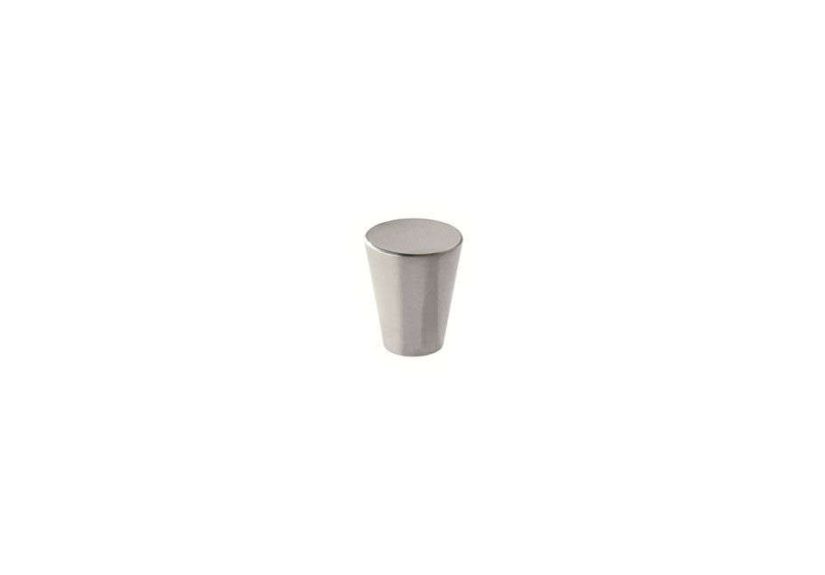
The Siro Designs 44-2 Knob is a contemporary cabinet knob associated with Siro’s stainless steel hardware lineup.
It’s frequently referenced as a simple, silver-toned stainless knob with a modern silhouette and a minimalist vibe.
Some retailer ecosystems list the 44-2 as discontinued, but the design and “family” show up under related model numbering
(often tied to the same look, dimensions, and screw requirements).
Translation: if you’re hunting for the “44-2 look,” you’re usually looking for a compact, stainless knob that pairs well with
sleek pulls and modern cabinetryespecially flat-panel or slab doors, frameless boxes, and anything with a “less is more” design agenda.
Quick Specs That Actually Matter (and Why)
When people shop knobs, they often focus on finish first (because shiny things).
But the comfort and usability come from a few practical details: diameter/width, projection, shape, and mounting hardware.
Here’s what you want to know for the 44-2 style.
1) Size: Small, Modern, and Easy to Mix
- Diameter/Width: commonly listed around 1.15 inches (roughly 29 mm), a sweet spot for cabinets and many drawers.
- Projection: often listed around 1.4 inches, which affects how it feels in your hand (and how often belt loops get involved).
Why this matters: a ~1.15-inch knob looks crisp on modern doors without taking over the whole front.
It also plays nicely with mixed hardware planslike knobs on uppers and pulls on lowersbecause it stays visually “light.”
2) Finish: Brushed vs. Polished (Pick Your Personality)
Stainless hardware typically comes in a few vibes. Two of the most common in this family are:
- Fine brushed stainless steel: more forgiving with fingerprints, reads slightly softer, and looks very “professional kitchen.”
- Polished stainless steel: brighter, more reflective, and a little more “jewelry for your cabinets.”
If your kitchen already has stainless appliances, brushed hardware usually blends in like it belongs there.
Polished can work beautifully toojust know it will reflect more light and show smudges a bit faster.
3) Shape: Round/Conical Minimalism
Listings in this style family often describe the knob as round or conical depending on the exact finish/model variant.
Don’t let that throw you. Both descriptions can still land in the same design neighborhood: a clean, modern knob with subtle tapering
and no fussy details.
4) Mounting: The Metric “Plot Twist”
Many Siro stainless knobs use M4 metric machine screws, and some packages include M4 x 62mm break-away screws.
This is greatunless you expected the usual #8-32 screw and you’re halfway through installation when reality taps you on the shoulder.
Practical takeaway: if you’re replacing existing knobs, check your screws. If the knob you buy expects M4 hardware, use what’s included
or make sure your replacements match. It’s a small detail that saves a big headache.
Why Designers Keep Choosing Knobs Like the 44-2
Minimal knobs are popular for a reason: they let the cabinetry and materials do the talking. But the best minimal hardware also does
three other things:
It makes “modern” feel warm, not sterile
Stainless steel can sometimes feel coldlike a spaceship pantry. But a small, well-proportioned knob creates a human-scale touchpoint.
It says: yes, this kitchen is modern. And yes, you may also eat cereal here at 11 p.m.
It keeps a clean line across the room
Big statement hardware can interrupt the look of flat-front cabinets. The 44-2 style stays visually calm, which is exactly what you want
if you’re going for Scandinavian minimalism, Japandi, industrial, or contemporary.
It pairs easily with modern pulls
If you’re mixing knobs and pulls, you want them to look like they’re on the same team.
A stainless knob with simple geometry pairs naturally with bar pulls, edge pulls, and slim modern handles.
Where the Siro 44-2 Look Works Best
Kitchens with slab or flat-panel doors
Flat fronts love simple hardware. A small stainless knob adds function without distracting from the clean planes of the cabinetry.
Bathrooms that need “quiet luxury”
Stainless is practical in humid spaces, and minimalist hardware keeps small bathrooms from feeling visually crowded.
Built-ins and furniture upgrades
Dressers, media consoles, and IKEA hacks can instantly look more custom with consistent, well-made hardware.
A stainless knob is especially handy when you want a neutral finish that won’t fight with wood tones.
How to Choose the Right Finish for Your Space
A quick cheat sheet:
- Brushed stainless: best if you want low-fuss maintenance and a softer sheen.
- Polished stainless: best if you want a brighter, more reflective detail and don’t mind occasional wiping.
- Mixed metals: stainless plays surprisingly well with black, brass, and nickeljust keep the overall palette intentional.
Pro tip: if you’re unsure, test one knob in both finishes against your cabinet color in daytime and nighttime lighting.
The “right” finish is the one that looks correct in the lighting you actually live in.
Installation Tips: Make It Look Like You Meant It
Installing knobs isn’t hard, but it’s easy to make them look slightly off, which will haunt you every time you make coffee.
Here’s how to keep it crisp and consistent.
Use a jig (or at least a template)
Consistency is the difference between “custom kitchen” and “I did this at 2 a.m. with optimism.”
A hardware jig helps you place every knob in the exact same spot across doors and drawers.
Follow common placement rules (and then adjust for real life)
- For cabinet doors, many installers place knobs near the corner at the rail-and-stile intersection area for a classic, comfortable grip.
- For drawers, center placement is common, but some designers shift slightly for visual balance across stacked drawers.
If you want a practical reference point: established guidance suggests placement strategies that keep hardware visually aligned and comfortable
across different cabinet configurations. Use those as a baseline, then tweak based on your cabinet style and your hand comfort.
Mind the screw type (metric alert)
If your knob requires M4 metric machine screws, stick with them.
If your drawer fronts are thick, you may need a longer M4 screw; if they’re thin, trim or use a shorter length.
Tighten firmlybut don’t go full superhero. Over-tightening can damage finishes and wood.
Care and Cleaning: Keep Stainless Looking Sharp
The best thing about stainless knobs is that they’re not needy. The worst thing about stainless knobs is that they attract fingerprints
like a magnet attracts… well, metal knobs.
Everyday cleaning
- Wipe with a soft, damp cloth and a little mild soap if needed.
- Dry afterward to prevent water spots (especially if your water is mineral-heavy).
For brushed finishes: wipe with the “grain”
Brushed finishes have a directional texture. Cleaning in the same direction helps avoid odd streaking and keeps the finish consistent.
Avoid the usual troublemakers
- No abrasives (scratch city).
- No harsh chemicals that can dull or discolor metal finishes.
- Skip mixing cleanersit’s not a science fair project.
If you want a deeper clean (think cooking grease residue), mild soap and warm water are usually enough.
For stubborn grime, use a cleaner that’s appropriate for stainless surfaces and test first in an inconspicuous spot.
Is the Siro Designs 44-2 Knob Discontinued?
In some retail catalogs, yes: the Siro Designs 44-2 Knob is listed as discontinued.
That doesn’t necessarily mean the design vanished from the earthit often means it’s no longer carried by a particular retailer or it was
re-listed under updated model naming.
What to do if you can’t find “44-2”
- Search by related model formats commonly associated with this style (for example, listings in the 44-280 family).
- Search by size (around 1.15 inches / ~29 mm) and finish (fine brushed or polished stainless).
- Check screw requirements (M4 metric is a useful filter).
- Buy enough for the whole project if you find matching stockhardware supply can change quickly.
If you’re matching existing knobs in your home, order a single sample first and compare it in hand under your home lighting.
Stainless finishes can vary between brands and even between production runs.
Smart Pairings: How to Build a Cohesive Hardware Plan
A cohesive plan doesn’t mean everything matches perfectly. It means everything looks like it belongs together.
Here are a few tried-and-true approaches.
Option A: Knobs on doors, pulls on drawers
This is the “balanced and practical” classic. Use the 44-2 style knob on cabinet doors and choose a matching stainless pull for drawers
(ideally with a similar finish and clean geometry).
Option B: All knobs for a minimalist look
Works well for smaller kitchens, bathrooms, and furniture pieces. Keep the knob size consistent, and the look stays calm and modern.
Option C: Stainless knobs + black pulls for contrast
If your space needs a little punch, stainless knobs can keep things bright while black pulls add definition.
This can look especially sharp on white or light wood cabinets.
FAQ: Quick Answers Before You Buy
Is stainless steel a good choice for kitchens?
Yesstainless is durable and handles daily use well. Brushed finishes are often more forgiving with fingerprints than highly polished finishes.
Will it work with standard U.S. cabinet holes?
Most knobs mount with a single screw through a standard knob hole. The key is the screw thread: many Siro knobs use M4 metric screws.
If you’re replacing an existing knob, confirm screw compatibility.
Is a ~1.15-inch knob too small?
For many cabinets, it’s an ideal modern sizeespecially on flat fronts. If you have very large drawers or prefer a chunkier feel,
you might want a larger diameter knob or a pull for heavy-use drawers.
How do I avoid crooked placement?
Use a jig or template, measure twice, and drill once. Consistent placement matters more than almost any other hardware detail.
Real-World Experiences With the “Siro 44-2” Style Knob (Approx. )
People who choose a knob like the Siro Designs 44-2 usually do it for one big reason: they want their cabinets to look clean.
The funny part is that the clean look often comes with a few very real, very human observations once the knob is actually installed.
Experience #1: The finish looks different at 8 a.m. than it does at 8 p.m.
Homeowners regularly notice that brushed stainless reads “calm and soft” in daylight, but looks more defined under warm evening lighting.
Polished stainless, on the other hand, can pop more dramaticallygreat if you want sparkle, slightly annoying if your lighting makes every reflection
feel like it’s performing. The lesson people learn fast: always test a sample knob in your own lighting, not just the retailer photo lighting
(which is basically the Instagram filter of the hardware world).
Experience #2: Small knobs make cabinets look more expensiveuntil you put them on huge drawers.
On doors and modest drawers, a compact knob looks intentional and modern. But when people try the same knob on extra-wide, heavy drawers
(think pots-and-pans drawers), some report that it feels a bit “dainty” for the workload. In those cases, a common workaround is mixing hardware:
keep the knob on doors for the clean look, and use longer pulls on heavy drawers for better grip. The visual stays cohesive, and your hands stop
feeling like they’re doing pinch-grip training every time you need a frying pan.
Experience #3: The metric screw requirement surprises exactly once.
DIYers often assume every knob will work with the same screws they already have. Then they meet an M4 machine screw and learn that cabinet hardware,
like life, is full of tiny plot twists. The good news: once people use the included M4 screws (or pick up the right replacements), the installation
is straightforward. The bad news: that one moment of “why won’t this thread in?” is basically inevitable if you didn’t read the specs first.
Many people now keep a small labeled bag of spare M4 screws after the install, because finding the right screw later is harder than it should be.
Experience #4: Minimal knobs don’t snag muchbut projection still matters.
With a projection around the 1.4-inch range on similar models, most users find the knob comfortable and easy to grab.
But anyone with narrow walkways or tight galley kitchens tends to notice protruding hardware more. The lived-in advice: if your aisles are tight,
install one knob on a high-traffic cabinet first and “test-walk” past it for a day. It’s a low-effort way to confirm comfort before committing
to a full set.
Experience #5: The clean look is real… and so are fingerprints.
Stainless is durable, but it does show touch marks, especially in bright light. People who love the look typically build a simple habit:
a quick wipe with a soft damp cloth during regular kitchen cleanup. The upside is that stainless cleans up easily; the downside is that kids
(and certain adults who snack while “just checking the fridge”) treat cabinet knobs like a fingerprint gallery.
The overall theme from real homes is consistent: the 44-2 style knob earns its keep when you want modern, understated hardware that blends with
stainless appliances and contemporary cabinetry. The best experience comes from matching the knob to the jobdoors and light drawers love it,
while heavy drawers may prefer a pulland from respecting the small details (finish, projection, and yes, those metric screws).
Conclusion
The Siro Designs 44-2 Knob sits in that rare sweet spot where “minimal” still feels thoughtful.
Stainless steel keeps it practical, the compact size keeps it modern, and the simple silhouette makes it easy to pair with other contemporary hardware.
If you find it listed as discontinued, don’t panic: the look often lives on through closely related model listings and stainless knob families.
Just verify sizing, finish, and screw type before you buy a full setand your cabinets will thank you every single day.