Table of Contents >> Show >> Hide
- What Is the Vagus Nerve?
- Where Is the Vagus Nerve Located?
- What Does the Vagus Nerve Do?
- Conditions and Problems Involving the Vagus Nerve
- Vagus Nerve Stimulation (VNS)
- Can You “Stimulate” Your Vagus Nerve Naturally?
- When to See a Doctor About Vagus Nerve Issues
- Real-World Experiences With the Vagus Nerve
- Key Takeaways About the Vagus Nerve
If your body were a smart home, the vagus nerve would be the hidden Wi-Fi network quietly connecting all your favorite devices.
You don’t see it, you rarely think about it, but when something goes wrong, you definitely notice. From your heart rate
to your digestion to your mood, this “wandering” nerve helps keep daily life running on autopilot.
In this in-depth guide, you’ll learn what the vagus nerve is, where it travels in your body, what it actually does all day, and
what happens when it’s not working correctly. We’ll also look at vagus nerve stimulation, when to see a doctor, and real-world
stories of how vagus nerve issues show up in everyday life.
What Is the Vagus Nerve?
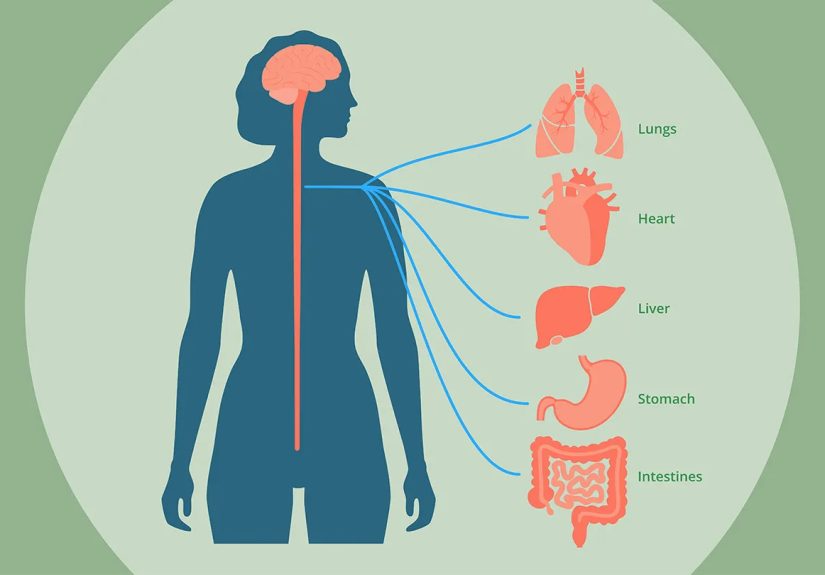
The vagus nerve is the tenth cranial nerve (also called cranial nerve X) and one of the main nerves of your
parasympathetic nervous system, the branch in charge of “rest and digest” rather than “fight or flight.” It carries electrical
signals between your brain and many key organs, including your heart, lungs, and digestive tract.
The name “vagus” comes from the Latin word for “wandering,” which is fitting. Unlike most cranial nerves that stay in your head
and neck, the vagus nerve travels all the way down into your chest and abdomen. It’s also the longest cranial nerve in the body
and contains both sensory fibers (carrying information up to your brain) and motor fibers (carrying commands from your brain out
to your organs).
In short, it’s a multitasker: it helps regulate heart rate, blood pressure, breathing, digestion, saliva production, and even
aspects of mood and immune functionall without you needing to think about it.
Where Is the Vagus Nerve Located?
Anatomically, you actually have two vagus nerves: a right and a left. They:
- Originate in the medulla oblongata, a part of your brainstem.
- Exit the skull through an opening called the jugular foramen.
- Travel down the neck alongside major blood vessels.
- Continue into the chest, branching to the heart and lungs.
- Pass through the diaphragm into the abdomen and reach organs down to the large intestine.
Along this path, the vagus nerve sends out multiple branches:
- Neck branches that help control muscles in the throat and voice box (larynx), affecting swallowing and speech.
- Thoracic branches that connect with the heart, lungs, and esophagus.
- Abdominal branches that travel to the stomach, intestines, liver, and other digestive organs.
Because it touches so many structures, small changes in vagus nerve signaling can have surprisingly widespread effects.
That’s part of the reason you may hear about it in conversations ranging from digestion and anxiety to heart health and inflammation.
What Does the Vagus Nerve Do?
Think of the vagus nerve as a two-way communication highway between your brain and your body. It constantly collects status
updates from organs and sends back instructions to keep everything balanced.
Regulating “Rest and Digest” Functions
The vagus nerve is a major player in the parasympathetic nervous system, which slows things down after stressful events and
helps your body recover. Some of its key roles include:
- Heart rate and blood pressure: It helps slow your heart rate and supports healthy blood pressure levels.
- Breathing: It influences respiratory rate and coordination with other automatic functions.
- Digestion: It stimulates stomach acid production, gut motility (how food moves through your GI tract), and
communication with digestive organs like the liver and pancreas.
When your vagus nerve activity is strong, your body tends to shift into a calmer, more restorative state. When it’s low, you may
feel more wired, tense, or uncomfortable, especially after meals or during stressful times.
The Gut–Brain Connection
The vagus nerve is a star of the gut–brain connection. It carries information from your digestive system to your brain about:
- How much your stomach is stretching as you eat.
- Chemical signals from the gut, such as hormones and by-products of digestion.
- Inflammation or irritation inside the gastrointestinal tract.
Your brain uses those signals to adjust appetite, digestion speed, and even mood. That’s one reason why gut issueslike
irritable bowel syndrome (IBS) or functional GI disordersare often linked with anxiety or depression. The vagus nerve is one
of the main communication lines responsible for that conversation.
Mood, Stress, and Emotional Regulation
The vagus nerve doesn’t just talk to your heart and stomach; it also influences parts of the brain involved in mood and
emotional regulation. Higher “vagal tone” (a measure of vagus nerve activity) is associated with better stress resilience,
calmer emotional responses, and improved overall well-being.
This is part of the logic behind therapies like vagus nerve stimulation (VNS) for treatment-resistant depression and why
some calming practiceslike slow deep breathing or meditationare thought to support healthy vagus nerve activity.
Immune and Inflammatory Responses
Research suggests that the vagus nerve participates in something called the “inflammatory reflex,” helping the brain sense
inflammation and send signals that can dampen excessive inflammatory responses. Early and ongoing studies are exploring whether
harnessing this pathway with VNS could help with conditions that involve chronic inflammation.
Conditions and Problems Involving the Vagus Nerve
Because the vagus nerve is involved in so many functions, problems with it can show up in many different ways. Sometimes the
nerve itself is damaged; other times, it’s part of a broader issue with the autonomic nervous system.
Gastroparesis and Digestive Problems
Damage to the vagus nerve can slow or stop the normal movement of food from the stomach into the intestines, a condition called
gastroparesis. Symptoms can include:
- Feeling full quickly after starting a meal.
- Nausea or vomiting.
- Bloating and abdominal discomfort.
- Unintended weight loss.
Causes of vagus-related gastroparesis can include long-term diabetes, prior abdominal surgery, or certain autoimmune and
connective tissue diseases.
Vasovagal Syncope (Fainting Spells)
If you’ve ever fainted at the sight of blood, during a blood draw, or while standing in a hot, crowded room, the vagus nerve
may have been involved. In vasovagal syncope, an exaggerated vagus nerve response temporarily lowers heart
rate and blood pressure, causing reduced blood flow to the brain and a brief loss of consciousness.
Common triggers include:
- Intense emotional stress or fear.
- Prolonged standing, especially in heat.
- Painful or unpleasant medical procedures.
Dysautonomia and Autonomic Neuropathy
The vagus nerve is one of several nerves that make up the autonomic nervous system. Disorders that affect this system, such as
dysautonomia or autonomic neuropathy, can disrupt the automatic control of heart rate, blood
pressure, digestion, temperature regulation, and more. Symptoms can include dizziness, fainting, abnormal sweating, and
digestive issues.
Vagus Nerve Stimulation (VNS)
Vagus nerve stimulation is a medical therapy in which a small implanted device sends regular electrical pulses to the left
vagus nerve in the neck. Originally developed for people with difficult-to-treat epilepsy, VNS has also been approved as an
adjunctive treatment for certain cases of treatment-resistant depression.
Here’s how it typically works:
- A pulse generator (similar to a pacemaker) is implanted under the skin in the chest.
- A thin wire is tunneled under the skin and wrapped around the left vagus nerve in the neck.
- The device sends programmed pulses at regular intervals, which can be adjusted by a healthcare professional.
VNS does not usually stop seizures completely, but many people see a meaningful reduction in seizure frequency and severity,
along with improvements in quality of life. Studies also show benefits for some people with chronic depression that hasn’t
responded to other treatments.
Researchers are now exploring whether VNS or similar techniques might help with other conditions, including inflammatory
diseases, chronic pain, and cognitive disorders. It’s an active area of research, so recommendations continue to evolve.
Can You “Stimulate” Your Vagus Nerve Naturally?
On social media, the vagus nerve sometimes sounds like a magic switch you can flip with a few hacks. Reality is more nuanced,
but some everyday practices may support healthy vagal activity and overall autonomic balance.
Evidence and expert opinion suggest that the following can encourage a calmer, more “parasympathetic” state:
-
Slow, deep breathing: Diaphragmatic breathing, where you breathe slowly and deeply into your belly,
can help activate parasympathetic responses and lower heart rate. -
Regular physical activity: Moderate exercise can support healthy heart rate variability, a marker linked
to robust vagus nerve activity. -
Meditation and mindfulness: Practices that reduce stress and improve emotional regulation are often
associated with better vagal tone. -
Social connection and laughter: Positive social interactions and genuine laughter are linked with
healthier autonomic balance. -
Cold exposure (used carefully): Brief exposure to cool water, such as splashing your face, may activate
certain reflexes involving the vagus nerve.
These aren’t replacements for medical treatment, but they can be helpful tools in a broader self-care routine. Always talk
with a healthcare professional before trying any extreme techniques or if you have heart or circulation problems.
When to See a Doctor About Vagus Nerve Issues
You can’t see your vagus nerve on a selfie, but your symptoms can offer important clues. Contact a healthcare professional if you:
- Faint or nearly faint repeatedly, especially with triggers like standing, heat, or medical procedures.
- Have ongoing digestive symptoms such as nausea, early fullness, or unexplained weight loss.
- Notice large swings in heart rate or blood pressure, especially with position changes.
- Experience unexplained shortness of breath, voice changes, or swallowing difficulties.
- Have chronic conditions like diabetes plus new autonomic symptoms (e.g., abnormal sweating, bladder problems).
Your doctor may recommend blood tests, imaging, heart monitoring, or referrals to specialists such as a neurologist,
cardiologist, or gastroenterologist. Treatment depends on the underlying cause and may include medication, lifestyle changes,
physical therapy, or, in selected cases, vagus nerve stimulation.
Real-World Experiences With the Vagus Nerve
Because the vagus nerve shows up in so many body systems, people’s experiences with it can look very different. Here are some
composite examples based on real-world patterns that clinicians commonly see.
A “Sensitive” Vagus Nerve and Fainting Episodes
Imagine Alex, who dreads blood draws. Every time a nurse approaches with a needle, Alex starts to feel hot, a little nauseated,
and oddly far away. The room seems to narrow, hearing fades, andnext thingAlex wakes up on the exam table with feet propped
up and a cold cloth on the forehead.
That’s classic vasovagal syncope. Alex’s vagus nerve overreacted to a powerful emotional and sensory trigger. Signals from the
brainstem slow the heart rate and cause blood vessels to relax, dropping blood pressure. The combination briefly reduces blood
flow to the brain, leading to a faint.
Once Alex understands what’s happening, a plan forms: staying well hydrated on test days, avoiding standing for long periods
in hot waiting rooms, telling the nurse about past episodes, and doing tension-and-release exercises in the legs during the
blood draw. For some people, these simple strategies plus reassurance from their care team make episodes far less frequent and
less scary.
Living With Vagus-Related Gastroparesis
Now picture Maria, who has had type 2 diabetes for years. Lately, she notices that even small meals make her feel uncomfortably
full, and leftovers seem to “sit” for hours. She feels bloated, occasionally nauseated, and sometimes vomits undigested food.
Her doctor eventually diagnoses gastroparesis, likely related to diabetes-associated nerve damage that includes the vagus nerve.
Maria works with a gastroenterologist and dietitian to manage symptoms. Her plan involves smaller, more frequent meals,
focusing on softer foods that are easier to move through the stomach, careful blood sugar control, and sometimes medications
that help stimulate gastric motility. Knowing the vagus nerve is part of the picture makes the diagnosis feel less mysterious:
it’s not “all in her head”it’s in the wiring between her brain and her gut.
Over time, Maria learns patterns: big, high-fat dinners are a no-go, but light soups and smoothies work well. Working with her
care team, she builds a new normal that respects her vagus nerve’s limits while keeping food enjoyable and social.
Vagus Nerve Stimulation and Refractory Epilepsy
Finally, consider Jordan, who has lived with epilepsy since adolescence. Despite trying multiple anti-seizure medications,
seizures remain frequent and unpredictable. Surgery to remove the seizure focus isn’t an option. After a detailed evaluation,
Jordan’s neurologist recommends vagus nerve stimulation.
The idea of an implanted device feels intimidating, but Jordan learns that VNS has been used for decades in people with
difficult-to-treat epilepsy. Surgery goes smoothly. Over the following months, the neurologist gradually tweaks the device
settings based on seizure diaries and side effects (like temporary hoarseness during stimulation).
Jordan doesn’t become completely seizure-free, but episodes become shorter and less frequent, and recovery times improve.
There’s also a subtle but noticeable lift in mood, which is consistent with what many patients and studies report. VNS becomes
one part of a larger care plan that still includes medication, sleep hygiene, and regular follow-upbut it helps Jordan feel
more in control and less defined by epilepsy.
These stories are different, but they share the same theme: the vagus nerve is deeply involved in how our bodies handle stress,
digestion, circulation, and brain function. Understanding it won’t turn you into a neurologist overnight, but it can help you
make sense of symptoms, ask better questions at appointments, and appreciate just how much is happening behind the scenes.
Key Takeaways About the Vagus Nerve
The vagus nerve is a long, wandering cranial nerve that helps your body rest, digest, and recover from stress. It connects your
brain to many organs, including your heart, lungs, and digestive system, and plays a role in mood and inflammation. When vagus
nerve signaling is disrupted, symptoms can range from fainting and digestive issues to more complex autonomic disorders.
If you suspect vagus nerve–related problemsespecially if you have fainting episodes, ongoing GI symptoms, or conditions like
diabetes plus new autonomic changestalk to a healthcare professional. Early evaluation can help you understand what’s going on
and find a treatment plan tailored to your situation.
SEO Summary and Metadata
need a doctor’s care.
sapo: The vagus nerve is your body’s ultimate “rest and digest” superhighway, carrying signals between your
brain, heart, lungs, and gut. This in-depth guide explains what the vagus nerve is, where it’s located, and how it controls
automatic functions like heart rate, digestion, and mood. You’ll learn about common vagus nerve–related conditions, how vagus
nerve stimulation is used to treat epilepsy and depression, and practical ways to support a healthy nervous systemplus
real-world examples that bring the science to life.