Table of Contents >> Show >> Hide
- What Makes This Dish So Good (And Why Steaming Is the Secret Weapon)
- Ingredients and Tools
- Steamed Spareribs in Black Bean Sauce: Step-by-Step Recipe
- Pro Tips for Restaurant-Style Results
- Easy Variations and Smart Substitutions
- What to Serve With Steamed Spareribs in Black Bean Sauce
- Storage and Reheating
- FAQ
- Kitchen Notes and “Yep, That Happened” Experiences (Extra )
- Conclusion
If you’ve ever ordered dim sum and thought, “How do those ribs taste so savory and look so glossydid they
get a secret spa treatment?”… you’re not wrong. Steamed spareribs in black bean sauce
(a classic Cantonese dish often served at dim sum) are all about two things: clean-tasting pork and an
umami-packed, garlicky punch from fermented black beans (also called douchi).
This guide walks you through a reliable, home-kitchen-friendly
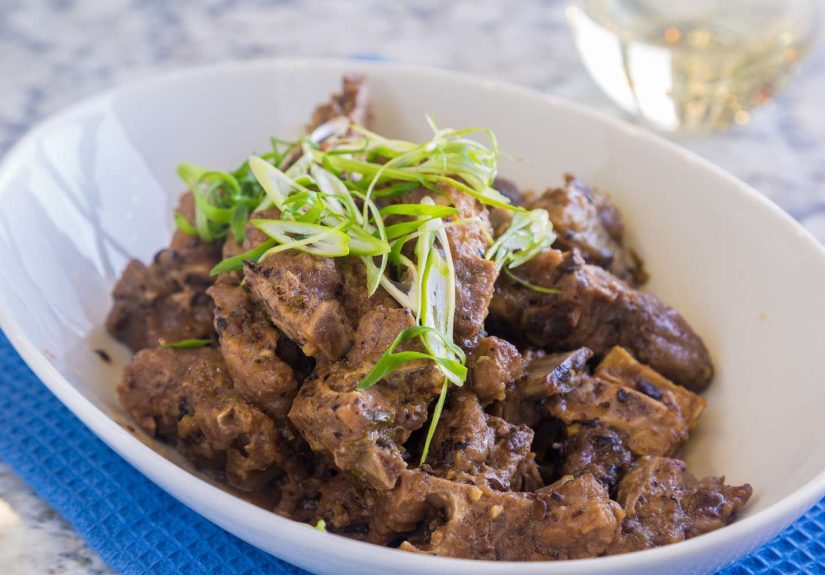
Steamed Spareribs in Black Bean Sauce Recipe with the real-deal texture: tender riblets,
lightly sticky sauce, and that “one more bite” salty-sweet funk. You’ll also get smart swaps, don’t-panic fixes,
and the little technique moves that separate “pretty good” from “wait… did you order takeout?”
What Makes This Dish So Good (And Why Steaming Is the Secret Weapon)
Steaming doesn’t add flavorso it forces your ingredients to do their job. That’s why this recipe tastes
so bold with such a short cook time. The ribs steam in their own juices while the black bean-garlic mixture
perfumes everything like a tiny hot spring of deliciousness.
The “Dim Sum Texture” Breakdown
-
Clean pork flavor: A good rinse/soak helps remove excess blood and bone dust, which can make
steamed ribs taste “porky” in a not-cute way. -
Glossy coating: Cornstarch thickens the marinade and turns into a light, silky sauce as it
steamsthink “savory lacquer,” not “soup.” -
Umami bomb: Fermented black beans aren’t “black beans.” They’re salty, funky, and intensemore
like a seasoning than a side dish.
Ingredients and Tools
Key Ingredient: Fermented Black Beans (Douchi)
Fermented black beans are salted, fermented black soybeans. They’re not interchangeable with canned
black beans (please don’t do that to yourself). They’re usually rinsed briefly to dial back salt, then chopped or
mashed so their flavor spreads through the sauce.
What You’ll Need (Serves 3–4)
- 1 1/2 lb pork sparerib tips or riblets, chopped into 1-inch pieces (ask the butcherthis is normal)
- 1 1/2 tbsp fermented black beans (douchi), rinsed and roughly chopped
- 3–4 cloves garlic, finely minced
- 1 tbsp fresh ginger, finely minced (or 2 tsp if you’re ginger-shy)
- 2 tbsp light soy sauce
- 1 tbsp oyster sauce
- 1 tbsp Shaoxing wine (or dry sherry)
- 1 1/2 tsp sugar
- 1 tsp toasted sesame oil
- 1/8 tsp ground white pepper (black pepper works in a pinch)
- 2 tbsp cornstarch
- 2 tbsp water (to help the cornstarch distribute)
- 1 tbsp neutral oil (optional, for extra shine)
- 1 red chile or jalapeño, thinly sliced (optional)
- 2 scallions, sliced (for garnish)
-
Optional but traditional: a small piece of dried tangerine peel (chenpi),
soaked in hot water 10 minutes and minced
Tools
- Steamer setup (bamboo steamer, metal steamer basket, or a rack in a wok/pot)
- Large heatproof plate or shallow bowl that fits inside your steamer
- Knife + cutting board (or a cleaver, if you want to feel like a dim sum legend)
Steamed Spareribs in Black Bean Sauce: Step-by-Step Recipe
Step 1: Prep the Ribs (Clean Flavor = Better Flavor)
-
Put chopped riblets in a bowl and cover with cold water. Swish vigorously, drain, and repeat 2–3 times until
the water looks less like a crime scene and more like… water. - Optional “upgrade”: soak the ribs in fresh cold water for 15–20 minutes, then drain well.
- Pat the ribs as dry as you can with paper towels. (Yes, it’s annoying. Yes, it matters.)
Step 2: Make the Black Bean Sauce Marinade
-
Rinse fermented black beans quickly under warm water, drain, then chop. For stronger flavor distribution,
mash about half of them with the back of a spoon. -
In a bowl, combine: chopped/mashed beans, garlic, ginger, soy sauce, oyster sauce, Shaoxing wine, sugar,
sesame oil, and white pepper. -
Add ribs and mix thoroughly. Use your hands and give the ribs a gentle “massage” so the seasonings get into
all the nooks. (The ribs won’t thank you, but your taste buds will.) - Cover and marinate at least 30 minutes. For best results, marinate 4 hours or overnight in the fridge.
Step 3: Add Cornstarch for the Signature Gloss
-
Sprinkle cornstarch over the ribs and add water. Mix until the ribs look lightly coated and there’s very little
free liquid pooling at the bottom. - If using, mix in 1 tbsp neutral oil for extra shine.
Step 4: Steam
- Arrange the ribs in a single layer on a heatproof plate or shallow bowl (a little overlap is okaydon’t build a rib skyscraper).
- Top with sliced chile (optional) and any remaining black beans.
-
Bring water in your steamer pot/wok to a strong simmer. Place the plate in the steamer, cover, and steam:
- 12–15 minutes for “dim sum style” (tender but still with some bite)
- 18–25 minutes for more tenderness
- 35–45 minutes if you like them very soft (and you keep the water topped up)
- Carefully remove the plate (steam burns are rude). Garnish with scallions and serve hot.
Food-safety note: Pork should be cooked through. If you use a thermometer, aim for at least 145°F,
and many people steam longer for a more tender chew.
Pro Tips for Restaurant-Style Results
1) Choose the Right Cut
Look for sparerib tips or ribletsthey’re meaty, easy to chop, and cook evenly when steamed.
If all you have are baby back ribs, cut them into short segments so they fit your plate and cook consistently.
2) Don’t Skip the Rinse (For Beans or Ribs)
Fermented black beans are salty by design. A quick rinse removes surface salt so the sauce tastes balancednot like
the ocean picked up a soy sauce hobby. The rib rinse, meanwhile, helps keep the flavor cleaner and the sauce
lighter instead of murky.
3) Cornstarch Isn’t Just ThickenerIt’s Texture Insurance
Cornstarch helps the marinade cling to the ribs and turns steamy drippings into a light sauce instead of a watery puddle.
It also softens the mouthfeel so the ribs taste “silky,” which is basically the entire point of ordering this at dim sum.
4) Watch the Water Level Like It Owes You Money
Steaming for 20+ minutes means you may need to add more boiling water to the pot. If the pot goes dry, you’ll get
smoke, sadness, and a very dramatic kitchen moment.
Easy Variations and Smart Substitutions
No Shaoxing Wine?
Use dry sherry. Avoid sweet cooking wines (they change the flavor fast).
Want It Spicier?
Add sliced Thai chiles or a pinch of crushed red pepper, or stir 1 tsp chile garlic sauce into the marinade.
Keep the heat background-level if you want classic dim sum vibes.
Only Have Jarred Black Bean Garlic Sauce?
You can use it as a shortcut, but reduce added salt/soy at first and taste after steaming. Jarred sauces vary a lot.
If you want the cleanest, most traditional flavor, fermented black beans are the move.
Optional “Extra Tender” Trick (For the Curious)
Some cooks use a very small pinch of baking soda in the rinse/soak step to help tenderize. If you try it, keep it tiny
(think 1/8 tsp for this batch) and rinse welltoo much can make the texture weird.
What to Serve With Steamed Spareribs in Black Bean Sauce
- Jasmine rice (the sauce is a rice magnet)
- Steamed gai lan (Chinese broccoli) or bok choy with a drizzle of soy + sesame oil
- Simple cucumber salad for crunch and contrast
- Dim sum spread: shumai, dumplings, congeego full weekend mode
Storage and Reheating
- Fridge: Store leftovers in a sealed container up to 3 days.
- Reheat best: Steam 5–8 minutes until hot. Microwave works too, but add a splash of water to keep the ribs from drying out.
- Freezing: Not ideal for texture, but doable. Freeze up to 1 month and re-steam to revive.
FAQ
Why are my ribs tough?
Most commonly: (1) they weren’t chopped small enough, (2) they didn’t marinate long enough, or (3) they need more steam time.
Steam in 5-minute increments until they reach your preferred tenderness.
Why is my sauce watery?
You likely had too much liquid in the marinade or skipped the cornstarch/water mixing step. Next time, pat ribs drier,
and make sure the cornstarch forms a light coating with minimal pooling liquid.
Can I make this without a bamboo steamer?
Absolutely. A metal steamer basket or a rack in a pot/wok works great. The goal is steady steam and a tight-fitting lid.
Are fermented black beans the same as “black bean sauce”?
Not exactly. Fermented black beans are the ingredient; “black bean sauce” is often a prepared mixture that may include beans,
garlic, aromatics, and seasonings. Either can work, but fermented beans give you the cleanest control over flavor.
Kitchen Notes and “Yep, That Happened” Experiences (Extra )
If you’re making Steamed Spareribs in Black Bean Sauce for the first time, here’s the honest truth:
your kitchen will smell amazing, your confidence will rise, and thenright before the first biteyou’ll wonder if you
did it “right” because the dish looks deceptively simple. That’s part of the charm. This recipe doesn’t rely on a
dramatic sear, a towering garnish, or a 27-ingredient sauce. It’s a quiet flex.
A super common first-timer experience is underestimating the importance of the rinse step. Many home cooks skip it
because they’re eager to get to the “fun part” (translation: eating). But steaming is brutally honest: any lingering
“raw pork” aroma and any extra surface salt from the beans show up front and center. The difference between ribs that
taste clean and savory versus ribs that taste heavy can be as simple as two extra minutes of swishing and draining.
Not glamorous, but neither is brushing your teethand yet, here we are.
Another classic moment: the “Where did my sauce go?” panic. You mix everything in the bowl, it looks saucy, and then
you add cornstarch and suddenly it looks like… not much. That’s normal. The dish isn’t meant to swim. In good dim sum,
the sauce clings. It’s more like a savory glaze that collects in the bottom of the plateperfect for spooning onto rice
or chasing with a steamed bun. If you want more sauce, the best experience-based trick is to add just a tablespoon
or two of water or stock to the plate right before steaming, not a flood. Think “extra steam juice,” not “hot tub party.”
Cutting the ribs can also be an adventure. If you buy pre-chopped riblets, congratsyou skipped the chapter where many
people learn that bones are, in fact, harder than knives. If you’re chopping yourself, the most practical experience is
to slightly separate the ribs first (find the gaps between bones), use a sturdy cleaver, and commit to the cut. Half-hearted
chops create jagged bits and frustration. Some people ask a butcher to chop them “dim sum style,” and honestly, that is
one of the most underrated forms of self-care.
Steaming time is where personal preference and experience really show up. Some folks love the traditional “tender but
still chewy” dim sum texture at around 12–15 minutes. Others grew up eating softer ribs at home and prefer 25–40 minutes.
The most reassuring experience takeaway: you can’t really ruin it by steaming longer, as long as you keep water in the pot.
If you’re unsure, steam 15 minutes, test a piece, then go longer if you want. This dish is forgiving in the best way
like a friend who doesn’t judge you for reheating dumplings for breakfast.
Finally, there’s the “fermented black beans are intense” realization. The first time you open the bag or jar, the aroma
can be startlingfunky, salty, and powerful. Many cooks have the moment of, “Is this… supposed to smell like this?”
Yes. That funk mellows when steamed with garlic, ginger, and pork fat, turning into deep savory flavor. After you’ve made
this once, you’ll start spotting new ways to use douchistir-frying greens, seasoning seafood, or boosting tofu. One dish
becomes a whole new pantry superpower, which is basically the best kind of cooking experience: the kind that keeps paying rent.
Conclusion
This Steamed Spareribs in Black Bean Sauce Recipe is proof that “steamed” doesn’t mean “boring.”
With the right cut, a quick rinse, and a black bean-garlic marinade finished with cornstarch, you get glossy, savory,
dim sum–style ribs that feel specialwhether you serve them with rice on a weeknight or build a full dumpling-party spread.