Table of Contents >> Show >> Hide
Warm minimalism is what happens when a clean, uncluttered home finally decides to get a personality. It keeps the calm of classic minimalism, but swaps the icy, museum-like vibe for softness, texture, and a little humanity. Think fewer things, better things, and rooms that look polished without feeling like nobody is allowed to sit down.
If stark white walls and hyper-styled emptiness make you nervous, welcome. Warm minimalism is the design answer for people who want peace, not punishment. It embraces simplicity, but it also leaves room for oak wood, linen drapes, clay-colored paint, nubby rugs, curved chairs, and the sort of lamp that makes everyone look slightly more well-rested.
This guide breaks down the style from top to bottom, from what it is to how to pull it off in real life. We will cover colors, furniture, lighting, materials, common mistakes, and the lived experience of creating a home that feels edited but not empty. In other words, this is the warm minimalism cheat sheet your living room has been waiting for.
What Warm Minimalism Really Means
At its core, warm minimalism is about restraint with comfort. Traditional minimalism often focuses on reduction: fewer colors, fewer objects, fewer visual distractions. Warm minimalism keeps that discipline, but softens the mood. Instead of a room that feels severe, it creates one that feels restful, grounded, and lived in.
That difference matters. A plain room is not automatically a warm minimalist room. If a space is empty, flat, or emotionally colder than your office break room in January, it has missed the point. Warm minimalism is not about owning nothing. It is about choosing thoughtfully, decorating intentionally, and letting tactile materials do the heavy lifting.
The style usually relies on warm whites, creamy beiges, mushroom tones, taupe, sand, camel, clay, muted olive, soft brown, and occasional black accents for contrast. These colors do not scream for attention, but they create a cozy visual envelope that makes a room feel settled. The effect is subtle, which is exactly why it works.
Warm minimalism also borrows from adjacent styles without becoming trapped by them. You may notice hints of Scandinavian simplicity, Japandi calm, organic modern curves, and even a touch of rustic authenticity. But it does not need to swear allegiance to a single design tribe. It simply asks one question over and over: does this piece make the room feel calmer, warmer, and more intentional?
The Core Elements of Warm Minimalism
1. A Soft, Nature-Inspired Color Palette
The fastest way to make minimalism feel warm is to start with the color palette. Cool grays and harsh white-on-white schemes can feel sterile, especially in homes without abundant natural light. Warm minimalism leans into shades that feel organic and forgiving: ivory, oatmeal, flax, putty, mocha, caramel, terracotta, stone, and muted green.
This does not mean every room has to resemble a latte. The trick is variation. A successful palette layers similar tones with slightly different undertones and finishes. A creamy wall, a beige linen sofa, a walnut side table, a clay vase, and a woven jute rug all sit within the same family, but they do not flatten the space because each one adds depth.
2. Natural Materials That Do the Talking
In warm minimalism, materials matter more than ornament. Wood, stone, clay, wool, linen, cotton, leather, plaster, cane, and rattan bring the subtle richness that keeps a pared-back room from looking unfinished. When accessories are limited, every material becomes a main character.
Light oak and medium walnut are frequent favorites because they instantly soften a room. Travertine, limestone, marble with gentle veining, and handmade ceramics add quiet elegance. A chunky woven basket or a slubby linen curtain may not sound glamorous, but together they create the tactile complexity that warm minimalism depends on.
3. Texture Over Visual Noise
Classic maximalism gives you pattern, color, and abundance. Warm minimalism says, “Let’s take a breath.” Instead of relying on a dozen decorative items, it builds interest through texture. Boucle chairs, wool throws, hand-thrown pottery, ribbed glass, plaster walls, knotty wood grain, and woven textiles all contribute without overwhelming the eye.
This approach is especially effective in smaller spaces. When a room has fewer objects, texture becomes a design tool rather than an afterthought. A neutral room without texture can feel unfinished. A neutral room with layered texture feels sophisticated, like it actually knows where it is going.
4. Clean Lines With a Few Curves
Warm minimalism is not allergic to modern silhouettes. Clean-lined furniture still works beautifully, but the best rooms often mix those lines with softer, more organic forms. A rounded coffee table, an arched floor lamp, a sculptural ceramic lamp base, or a curved accent chair can make a room feel more approachable.
Those curves matter because they keep the style from turning rigid. If every object in a room has sharp corners and severe geometry, the space can feel too controlled. A few softer shapes relax the composition and make the room feel human rather than over-rehearsed.
5. Intentional Styling, Not Shelf Chaos
Warm minimalism is deeply edited, but not empty. Bookshelves are not supposed to look like a storage unit that developed commitment issues. Instead, styling is selective. A small stack of books, a sculptural bowl, one framed print, a branch in a ceramic vase, and a candle may be all a surface needs.
The goal is breathing room. Empty space is part of the design. It gives the eye a place to rest and allows your best objects to stand out. When everything is decorative, nothing feels special. When each item earns its place, the whole room feels more elevated.
6. Layered Lighting for a Cozy Finish
Lighting can make or break warm minimalism. One overhead ceiling light blasting brightness like an interrogation room is not the vibe. This style needs layers: ambient lighting, task lighting, and accent lighting. Table lamps, floor lamps, sconces, and dimmable overhead fixtures help create a soft and flattering glow.
Warm light is essential. It makes wood look richer, fabrics look softer, and people look less like they have been answering emails since dawn. Even the most beautiful neutral room can feel flat if the lighting is too cold or too harsh.
How to Use Warm Minimalism in Every Room
Living Room
The living room is where warm minimalism shines. Start with a comfortable sofa in a durable neutral fabric such as linen blend, cotton, or textured performance upholstery. Add a wood or stone coffee table, a soft area rug, and one or two accent chairs with sculptural presence. A floor lamp and a few curated objects are usually enough.
Do not overcrowd the room. Leave walking space. Let the furniture breathe. A large piece of art can replace a swarm of smaller decorative items, and a single oversized plant can add life without clutter. The goal is to make the room feel restful, welcoming, and quietly impressive.
Bedroom
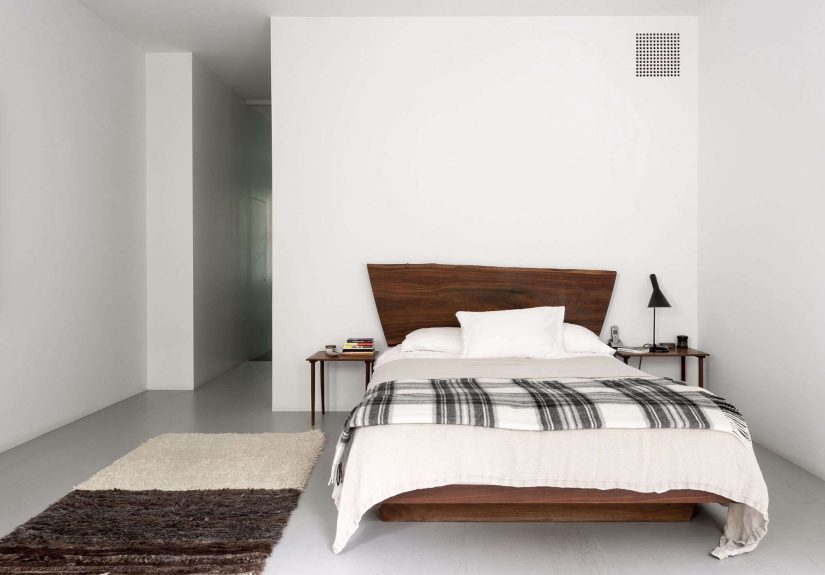
Warm minimalism in the bedroom should feel like a deep exhale. Keep the bed simple but layered: quality sheets, a textured quilt, a lightweight blanket, and maybe one lumbar pillow if you are feeling fancy. A wood headboard, soft bedside lighting, and blackout drapes in a natural fabric can transform the room.
A bedroom does not need twenty decorative accents to feel finished. It needs calm. Remove visual clutter, hide cords, reduce unnecessary furniture, and let soft textiles create warmth. When in doubt, edit one extra thing. Your future sleepy self will thank you.
Kitchen
In kitchens, warm minimalism often comes down to cabinetry, finishes, and surfaces. Flat-front or simple shaker cabinets in warm white, putty, soft taupe, or natural wood can establish the look. Stone counters with subtle movement, open shelves used sparingly, and matte hardware help maintain a clean visual line.
Countertop clutter is the real villain here. Keep only the most-used and most-beautiful essentials visible. A wood cutting board, a ceramic utensil crock, and one bowl of fruit can look intentional. Twelve random appliances, three water bottles, and a mail pile do not.
Bathroom
The warm minimalist bathroom feels spa-like without becoming a cliché. Use fluffy white or sand-colored towels, simple hardware, natural stone or stone-look finishes, and closed storage whenever possible. Add warmth through wood stools, woven baskets, and soft lighting rather than excessive décor.
Even tiny bathrooms can benefit from this approach. A clutter-free vanity, a streamlined mirror, and one elegant soap dispenser can make the space feel larger and more composed. Minimal does not have to mean clinical. It just means every inch works harder.
Home Office
If your desk currently looks like a paper avalanche with emotional baggage, warm minimalism can help. Choose a clean-lined desk in wood or a soft neutral finish, add a comfortable chair, and keep accessories functional. A lamp, one tray, one notebook, and a meaningful object are usually enough.
Because workspaces need focus, this is one of the best rooms for warm minimalism. The style cuts visual distraction without feeling cold. Good light, clean storage, and a calm palette support concentration, and the warm materials keep the room from feeling corporate.
Common Warm Minimalism Mistakes
Confusing Minimalism With Emptiness
A nearly empty room is not automatically stylish. Warm minimalism needs intention, texture, and balance. If the space feels unfinished, it probably is. Add tactile layers, adjust the lighting, and choose furniture with substance instead of stripping the room bare.
Using Too Many Matching Beige Items
Yes, beige is welcome here. No, fifty identical shades of beige are not a personality. Warm minimalism works because of nuance. Mix undertones, finishes, and materials. Cream with mushroom, walnut with flax, stone with clay. Monotone is fine. Monotonous is not.
Ignoring Storage
Nothing destroys a minimalist room faster than visible chaos. Warm minimalism depends on good storage because daily life is not a showroom. Use baskets, cabinets, credenzas, drawers, and concealed organizers so that the room can stay calm even when life is busy.
Buying Generic “Minimalist” Décor in Bulk
The quickest way to make a warm minimalist room feel soulless is to fill it with trendy look-alikes. The style is strongest when it includes a few personal, meaningful, or handmade pieces. Vintage finds, inherited objects, artisan ceramics, and art you actually love will always outperform a cart full of vague beige accessories.
How to Get the Look Without Replacing Everything
The good news is that warm minimalism does not require a dramatic spending spree or a dramatic personality shift. In fact, it often starts with subtraction. Declutter open surfaces, remove décor you do not love, and rethink furniture layout before buying anything new.
Next, focus on high-impact upgrades. Paint can completely change the mood of a room. Swapping cool white bulbs for warmer ones can make your home feel instantly more inviting. Replacing a synthetic throw with a textured cotton or wool one does more for the atmosphere than buying ten little decorative objects.
You can also improve the look by mixing affordable basics with a few elevated materials. Maybe your sofa stays, but you add linen pillow covers, a wood side table, and a better lamp. Maybe your dining room keeps the same table, but you remove unnecessary accessories and anchor the room with a simple rug and warm-toned artwork.
The smartest warm minimalist spaces evolve gradually. They look collected, not copied. Instead of trying to finish the entire style in one weekend, build it over time. Edit, refine, and choose pieces that feel grounded and useful. That slow pace usually leads to a better room anyway.
Experiences With Warm Minimalism
Living with warm minimalism feels different from simply admiring it online. In photos, the style looks calm and polished. In real life, the biggest change is how the home behaves. Rooms become easier to clean, easier to reset, and easier to enjoy. There is less visual static. You stop negotiating with piles of random stuff every time you want to relax on the sofa.
One of the most noticeable experiences is the effect of editing. When you remove excess décor, duplicate furniture, and things you kept out of habit rather than love, the room suddenly starts revealing what it actually needs. Sometimes that means nothing at all. Sometimes it means one better lamp, one larger rug, or one piece of art with real presence. Warm minimalism teaches restraint, but it also teaches clarity.
Another common experience is that texture becomes surprisingly emotional. A room with a plaster-toned wall, a linen curtain moving in soft light, a chunky ceramic vase, and a wool rug underfoot can feel comforting in a way that is hard to explain until you sit in it. The space is simple, yet it does not feel plain. It feels held together. That quiet sensory richness is a huge part of the appeal.
People also tend to notice that their routines improve. Mornings feel calmer in a bedroom without cluttered surfaces. Evenings feel softer in a living room lit by layered lamps instead of one aggressive ceiling fixture. A warm minimalist kitchen invites better habits because the counters are clear enough to cook and the shelves are not screaming. It is not magic. It is just thoughtful design making daily life less annoying.
There is also a subtle social effect. Guests usually respond to warm minimalist spaces by saying they feel peaceful, cozy, or “put together,” even when the room is not elaborate. That is because the style communicates intention. Nothing is fighting for attention, so people relax. The room is welcoming without begging for compliments. It is confident in a low-volume way.
Of course, the experience is not perfect if taken too far. Some people discover that in the rush to simplify, they accidentally remove too much personality. The solution is not to abandon the style. It is to rebalance it. Add back the books you reread, the art that means something, the vintage stool with a weird little wobble that somehow makes the room better. Warm minimalism works best when it reflects actual life, not just aesthetic ambition.
Over time, that may be the greatest lesson of all. Warm minimalism is less about owning fewer things for the sake of discipline and more about creating a home where every choice supports comfort, beauty, and ease. It gives you space to think, to rest, and to notice what really belongs. Not bad for a style that started with neutral paint and a very strong opinion about clutter.
Conclusion
Warm minimalism proves that simplicity does not have to feel stark. By pairing a restrained layout with warm neutrals, layered texture, natural materials, and soft lighting, the style creates homes that feel calm, beautiful, and genuinely livable. It is less about perfection and more about thoughtful editing. Keep what serves the room, remove what distracts, and let the materials, shapes, and atmosphere do the work.
If you want a home that looks polished without feeling precious, warm minimalism is one of the smartest design directions you can take. It leaves room for beauty, comfort, and personality, just without the clutter circus. In a noisy world, that kind of quiet confidence feels pretty luxurious.