Table of Contents >> Show >> Hide
- What counts as “Latino hip-hop” here?
- How we built this “best of” list (without pretending music has math)
- The 50+ Best Latino Rappers and Hip Hop Artists/Groups
- Pioneers and foundational voices
- Bronx, NYC, and East Coast heavyweights
- West Coast and Chicano rap staples
- Puerto Rico, the Caribbean, and urbano-rap crossover
- Mexico’s rap giants and movement-builders
- Cuba and the Latin diaspora: rhythm, politics, and poetry
- South America’s strongest lyricists and scene-definers
- Mainstream U.S. chart power with Latino roots
- Why Latino hip-hop keeps evolving (and why that’s the point)
- Experiences: what it feels like to fall in love with Latino hip-hop (500-ish words, fan edition)
- Conclusion
Hip-hop has always been a “bring-your-whole-neighborhood” kind of culturebeats, rhymes, style, dance, art, attitude, and that one friend who insists the
best verse is always “the one nobody’s heard.” Latino artists have been part of that story from day one, shaping sounds in the Bronx, pushing regional scenes
on the West Coast, and building massive movements across Puerto Rico, Mexico, Cuba, Colombia, Argentina, Chile, the Dominican Republic, and beyond.
This list isn’t a “one-style-fits-all” rankingbecause Latino hip-hop isn’t one style. It’s boom-bap and bilingual wordplay. It’s political bars and party records.
It’s “I learned English from rap” and “I learned Spanish from rap.” It’s underground cyphers, radio smashes, festival crowds, YouTube freestyles, and the
kind of hooks that live in your head rent-free.
What counts as “Latino hip-hop” here?
For this article, “Latino” means artists of Latin American heritage (including U.S. Latinos) who are primarily known for rap, hip-hop, or hip-hop-adjacent
work (including Latin trap and rap-heavy urbano). Some are Spanish-first, some English-first, many are proudly both. Groups and collectives count too,
because hip-hop has always been a team sport.
How we built this “best of” list (without pretending music has math)
“Best” is a mix of impact, influence, skill, originality, and cultural footprint. If an artist helped define an era, moved the craft forward, shaped a scene,
or built a bridge between communities, they belong in the conversation. You’ll see pioneers, lyricists, crossover stars, underground heroes, and newer
voices who are rewriting the playbook right now.
The 50+ Best Latino Rappers and Hip Hop Artists/Groups
Pioneers and foundational voices
- DJ Charlie Chase Early Bronx DJ/hip-hop figure whose work helped cement Latino presence in hip-hop’s earliest chapter.
- Prince Whipper Whip Early rap-era pioneer whose name pops up whenever people talk about the first waves of Latino MCs.
- Kid Frost West Coast Chicano rap cornerstone; “La Raza” became a cultural flag planted in rap history.
- Mellow Man Ace Often called a “godfather” figure for Latin hip-hop; helped bring bilingual flavor into mainstream visibility.
- Lisa M Puerto Rican rap trailblazer; proof that women were always part of the movement, even when the spotlight pretended otherwise.
- Vico C A foundational voice in Puerto Rican rap; a key architect of Spanish-language hip-hop’s DNA.
- Latin Alliance A supergroup moment that captured pan-Latino energy in hip-hop and pushed visibility forward.
Bronx, NYC, and East Coast heavyweights
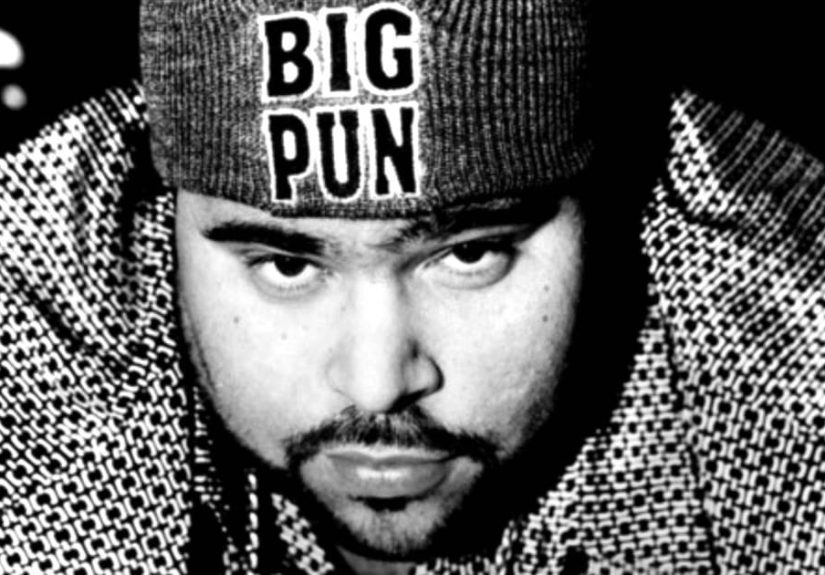
- Big Pun Technical brilliance, breath-control acrobatics, and charisma for days; a legend whose influence still echoes.
- Fat Joe Bronx durability: from gritty street records to massive radio hits, he’s been a steady cultural connector.
- N.O.R.E. Big personality, unmistakable voice, and a catalogue that captures multiple eras of New York rap.
- Immortal Technique Politically charged lyricism with underground credibility; intense, uncompromising storytelling.
- Joell Ortiz Elite-level bars and consistency; a lyricist’s lyricist with sharp delivery and craft-first mentality.
- The Beatnuts Rap plus production magic; New York groove and sample chops with flavor that still sounds fresh.
- Bodega Bamz Harlem-born swagger with Latin identity woven into the aesthetic; streetwise and style-forward.
- Cuban Link A key figure tied to NYC’s Latin rap ecosystem; raw energy and era-specific authenticity.
- Angie Martinez A hip-hop power presence whose voice and platform helped shape culture (and spotlight Latino influence).
- DJ Tony Touch DJ/curator energy: blends, mixtape culture, and community-building that kept scenes connected.
West Coast and Chicano rap staples
- Cypress Hill One of the most iconic Latino rap groups ever: dark grooves, instantly recognizable voices, and lasting mainstream impact.
- B-Real Distinctive nasal-toned flow and memorable hooks; an MC whose voice is basically a genre tag.
- Sen Dog A core Cypress Hill force; gritty presence that helped define the group’s chemistry.
- DJ Muggs Producer mastermind behind Cypress Hill’s sonic identity; heavy, smoky, cinematic beats.
- The Psycho Realm Hard-edged West Coast storytelling and political intensity; respected in Chicano rap circles.
- Akwid Mexican-American duo known for fusing hip-hop with regional Mexican sounds (a blueprint many followed later).
- Baby Bash Smooth pop-rap hooks and radio-friendly warmth; a steady crossover presence.
- Snow Tha Product Rapid-fire bilingual skills, stage presence, and fierce independence; a modern fan favorite.
- That Mexican OT A newer wave voice with regional pride and charisma; one of the most talked-about recent breakout names.
- Kap G Mexican-American rapper who helped keep Latino visibility strong in contemporary U.S. rap lanes.
Puerto Rico, the Caribbean, and urbano-rap crossover
- Residente (Calle 13) Razor-sharp writing, satire, and social commentary; a genre-bending powerhouse.
- Calle 13 More than rap: a cultural juggernaut blending hip-hop with Latin rhythms, protest energy, and unforgettable hooks.
- Tego Calderón A bridge between rap and reggaetón with undeniable swagger and cultural weight.
- Ivy Queen A trailblazing figure with rap toughness and star power; a cornerstone in Puerto Rican urbano history.
- Daddy Yankee Reggaetón legend who’s always had rap in the engine; a global gateway for Spanish-language street sound.
- Anuel AA Latin trap’s raw confessional style and gritty melodies helped define an era of urbano rap.
- Myke Towers Versatile Puerto Rican rapper with flow control and a catalog that travels across styles.
- Eladio Carrión Clever bars, personality, and consistency; respected for lyricism within modern Latin trap.
- Young Miko A new-school standout with a cool, confident voice and major momentum.
- Villano Antillano Bold presence and boundary-pushing identity; a vital voice expanding what Latin hip-hop can look like.
- Ñengo Flow Street-leaning Puerto Rican voice with a gritty lane and deep fanbase.
- Farruko Rap-to-urbano versatility; a frequent collaborator who helped shape modern Latin street-pop hybrids.
- Bad Bunny Not “just” reggaetón: he’s a rap-forward superstar who made Latin trap/rap mainstream worldwide.
Mexico’s rap giants and movement-builders
- Cartel de Santa One of Mexico’s most famous rap groups; gritty, energetic, and massively influential.
- Control Machete Monterrey legends; politically aware, aggressive delivery, and foundational Mexican hip-hop impact.
- Santa Fe Klan Street storytelling and emotional honesty; a modern Mexican rap superstar.
- Alemán Craft-focused lyricism with a distinctive style; a key figure in Mexico’s current rap conversation.
- C-Kan An internet-era powerhouse who helped grow Mexico’s rap audience at scale.
- Gera MX A major contemporary voice with strong fan loyalty and a steady stream of rap-forward releases.
- Molotov Rap-rock rebels with sharp social critique; hip-hop attitude in a loud band format.
Cuba and the Latin diaspora: rhythm, politics, and poetry
- Orishas Cuban hip-hop ambassadors; fused rap with Cuban musical roots and brought it to global stages.
- Los Aldeanos Unfiltered social commentary and passionate delivery; a major name in Cuban rap history.
South America’s strongest lyricists and scene-definers
- Canserbero Venezuelan icon known for emotional depth and sharp writing; revered across Latin rap communities.
- Akapellah Venezuelan rapper with technical skill and presence; respected for bars and performance.
- Trueno Argentina’s standout: battle roots, charisma, and modern star power.
- Duki A leader in Argentina’s trap wave; helped turn the scene into an international force.
- Paulo Londra Melodic rap approach with massive reach; a key figure in Argentina’s pop-rap crossover.
- Nicki Nicole A modern voice blending rap and melody; sharp aesthetics and strong songwriting.
- Bizarrap Producer/cultural engine: his sessions helped spotlight Spanish-language rap and propel global moments.
- Ana Tijoux Chilean rapper with thoughtful lyricism and social conscience; globally respected.
- Alcolirykoz Colombian group known for lyrical craft and storytelling; a favorite among rap heads.
- ChocQuibTown Hip-hop-rooted Colombian group blending rap with Afro-Latin sounds and big-stage energy.
- Tres Coronas Colombian hip-hop group with classic-era impact and lyrical credibility.
Mainstream U.S. chart power with Latino roots
- Cardi B Bronx superstar with Dominican heritage; big personality, bigger hits, and undeniable cultural impact.
- Pitbull Miami hit-machine with rap DNA; party records that still carry hip-hop cadence and attitude.
- Lil Pump Viral-era rap figure with Latin roots; a snapshot of SoundCloud-era energy and internet fame.
- 6ix9ine Controversial but undeniably influential in late-2010s internet-era rap spectacle and crossover attention.
Why Latino hip-hop keeps evolving (and why that’s the point)
Latino hip-hop is both local and global. It can be intensely regionaltied to a neighborhood, a city, a dialect, a family storywhile also traveling faster
than ever through streaming, social media, and collaborations. That’s why you’ll hear boom-bap purists and Latin trap newcomers sharing playlists:
the culture makes room for both.
Another reason the movement keeps growing is bilingual creativity. Switching languages isn’t just a flex; it’s a writing tool. It lets artists rhyme differently,
punch jokes differently, land emotional lines differently, and speak directly to audiences who live between worlds. The result is a scene that’s constantly
inventing new flows, new slang, and new ways to tell the same timeless hip-hop story: “Here’s who I am, and here’s where I’m from.”
Experiences: what it feels like to fall in love with Latino hip-hop (500-ish words, fan edition)
Ask five fans how they discovered Latino hip-hop and you’ll get eight answersbecause somebody will interrupt with “Wait, you didn’t start with that one song?”
It’s often a cousin’s car stereo, a neighborhood block party, a late-night YouTube rabbit hole, or a friend who says, “Just trust me,” and hits play like it’s a
sacred ritual.
One of the coolest experiences is realizing the music isn’t asking you to choose a side of yourself. You might hear a verse that flips from English to Spanish
mid-thought, and suddenly it mirrors how people actually talk at home, at school, online, and with family. Even if you’re not fluent, you can feel the intention:
the punchlines still punch, the emotions still land, and the rhythm tells you where the meaning lives. It’s like watching a movie with subtitles and realizing the
best parts are happening in the actor’s facelanguage helps, but vibe is universal.
Then there’s the “first time you catch the reference” moment. An artist shouts out a neighborhood, a food, a tradition, a slang phrase, a family dynamic, or a
political frustrationand you hear fans react like, “Yep. That’s us.” It’s not just representation as a checkbox; it’s recognition. The music becomes a mirror,
not a museum exhibit.
Live shows (or even live videos) add another layer. You’ll see flags, jerseys, hometown chants, and entire crowds rapping bars back in two languages without
missing a beat. It’s a reminder that hip-hop’s energy is communal: the artist brings the spark, but the audience brings the gasoline. And when a performer leans
into cultural detailswithout explaining them like a textbookyou feel invited, not lectured.
Another fan experience is building a “bridge playlist.” You start with a big crossover name, then someone recommends a deeper cut, then a regional legend, then
an underground lyricist, then a producer whose beats make you want to learn what “crate-digging” means. Suddenly your playlist looks like a passport: Bronx,
LA, San Juan, Havana, Monterrey, Medellín, Buenos Aires, Santiago. The music teaches geography better than some classrooms, and it does it with drums and bars.
And finally: humor. Latino hip-hop often carries a winksharp jokes, playful brags, clever wordplay, and cultural teasing that feels like family. Even when the
topics get heavy, there’s often a sense of resilience: the idea that you can tell the truth, call out hypocrisy, and still find room to laugh. That mixheart,
heat, and humoris why fans don’t just listen to this music. They live with it.
Conclusion
The best Latino rappers and hip-hop artists/groups aren’t a single lanethey’re a whole highway system. From foundational pioneers to modern chart-toppers,
Latino voices have helped shape hip-hop’s sound, language, and global reach. If you’re building a playlist, start with the legends, jump into regional scenes,
and don’t be afraid to follow a producer credit or a collaboration trail. That’s how you find the next favorite before everyone else claims they “heard it first.”