Table of Contents >> Show >> Hide
- Quick Snapshot: The Mini Freezer Picks (Who Each One Is For)
- How We Chose These Mini Freezers (The Bob Vila–Style Checklist)
- 1) Capacity that matches real life (not fantasy life)
- 2) Upright vs. chest: organization vs. efficiency
- 3) Defrost type: convenience or control
- 4) Energy and operating cost: read the labels like a pro
- 5) Placement realities: bedroom-quiet, basement-happy, garage-ready
- 6) The “small things” that become big things
- Top Mini Freezer Options (Bob Vila–Style Picks)
- Best Overall Compact Upright: Midea WHS-109FW1 (around 3.0 cu. ft.)
- Best Countertop/Ultra-Compact Upright: Whynter CUF-110B (around 1.1 cu. ft.)
- Best Small Chest for Value and Efficiency: Arctic King ARC04S1AWW (small chest category)
- Best Simple Small Chest: Insignia Small Chest (around 3.5 cu. ft.)
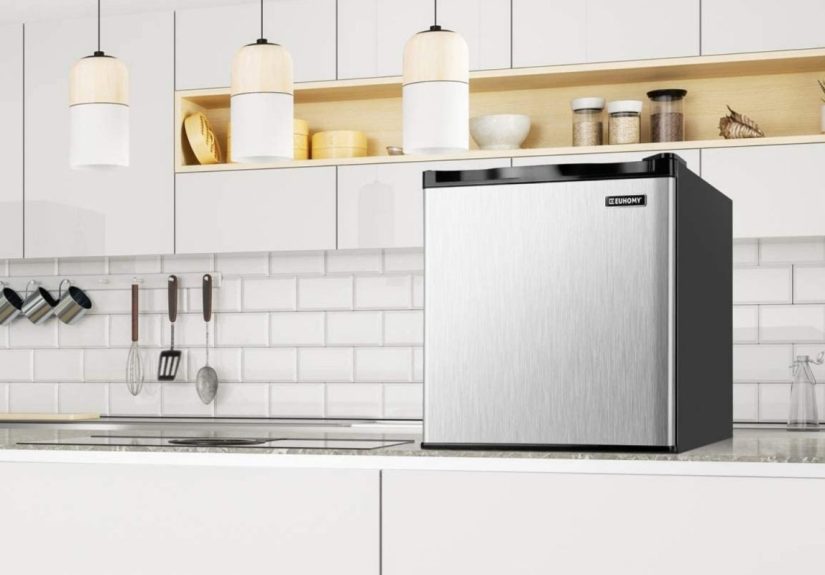
- Best “Tiny but Organized” Upright: Euhomy Mini Freezer (around 1.1 cu. ft.)
- Best Convertible Option (Small-to-Mid): Insignia 7 cu. ft. Convertible Freezer/Refrigerator
- Best for Garages (When Conditions Swing): Garage-Ready Small Chest Models (often 7 cu. ft. class)
- Best Portable Compressor Freezer: Whynter FM-85G (portable chest style)
- Mini Freezer Buying Guide: Match the Freezer to Your Space (and Your Habits)
- Setup and Care Tips That Actually Matter
- FAQ: Mini Freezers (Answered Like a Human, Not a Manual)
- Conclusion: The “Best” Mini Freezer Is the One You’ll Actually Use
- Experiences That People Commonly Have With Mini Freezers (500+ Words of Real-World Lessons)
- 1) The “Apartment Overflow” moment: suddenly, leftovers become a lifestyle
- 2) The “Chest Freezer Black Hole” problemand the bin system that fixes it
- 3) The “Dorm Room Diplomacy” lesson: small freezers and shared spaces
- 4) The “Garage Reality Check”: not every freezer likes temperature swings
- 5) The “Meal Prep Upgrade”: freezing portions beats freezing mystery
- 6) The “Power Outage Calm”: planning beats panic
Need more freezer space but don’t have “extra-square-footage” money? A mini freezer can be the
unsung hero of meal prep, bulk shopping, baby-food batching, or simply keeping your ice cream from
playing musical chairs in a cramped fridge freezer.
Quick transparency note: This is a Bob Vila–style buying guide (practical, homeowner-first,
and a little picky about value). It’s not an official endorsement listjust a carefully researched set of
top mini freezer options, using the same kind of criteria you’d expect from a trusted home-improvement review.
Quick Snapshot: The Mini Freezer Picks (Who Each One Is For)
- Best overall compact upright: Midea WHS-109FW1 (around 3.0 cu. ft.) small footprint, easy everyday access.
- Best countertop/ultra-compact upright: Whynter CUF-110B (around 1.1 cu. ft.) tiny but serious, often Energy Star–listed, plus a lock.
- Best small chest for pure efficiency: Arctic King ARC04S1AWW (small chest category) great “set it and forget it” value.
- Best small chest for simple storage: Insignia small chest (around 3.5 cu. ft.) no-fuss overflow space for the basics.
- Best convertible compact freezer/refrigerator: Insignia 7 cu. ft. convertible (small-to-mid) flexibility when life changes faster than your grocery list.
- Best for garages or temperature swings: Small “garage-ready” chest models (often 7 cu. ft. class) built for tougher environments.
- Best portable compressor freezer: Whynter FM-85G (portable chest style) for road trips, RVs, and “I refuse to live without frozen dumplings.”
“Mini” means different things to different households. In this guide, mini generally covers the compact range
(roughly 1.1–7.0 cubic feet) where you can still move the unit without hiring a forklift and naming it.
How We Chose These Mini Freezers (The Bob Vila–Style Checklist)
1) Capacity that matches real life (not fantasy life)
Cubic feet look like math homework, so here’s the human translation: a 1.1–1.5 cu. ft. unit is “countertop”
territory (ice packs, a few frozen meals, maybe a heroic amount of popsicles). Around 3.0 cu. ft. is the sweet
spot for apartments and overflow storage. Small chest freezers in the 3.5–7.0 cu. ft. range start to feel like
“bulk shopping insurance.”
2) Upright vs. chest: organization vs. efficiency
Uprights win for daily convenienceshelves, door bins, and less digging. Chest freezers tend to be more energy
efficient and better at holding temperature when opened (cold air doesn’t “spill out” as easily). The trade-off:
chests can turn into a frozen archaeological site if you don’t use bins and labels.
3) Defrost type: convenience or control
Manual defrost is common in mini models. It’s usually simpler, often more affordable, and can be a little kinder
to long-term food quality because it doesn’t cycle warm air the way many frost-free systems do. Frost-free is
easier (less maintenance), but typically appears more often in larger uprights.
4) Energy and operating cost: read the labels like a pro
You don’t need an engineering degree to compare energy usejust the yellow EnergyGuide label and (when available)
ENERGY STAR certification. EnergyGuide helps you compare similar models and estimate annual operating cost.
ENERGY STAR guidance also includes practical usage tips like keeping the unit at 0°F and leaving
space behind it for airflow.
5) Placement realities: bedroom-quiet, basement-happy, garage-ready
If your freezer is going in a bedroom, studio apartment, or office, noise matters. If it’s going in a garage,
ambient temperature matters even more. Many brands offer “garage-ready” models designed to operate across wider
temperature ranges. If a unit isn’t rated for that environment, extreme temperatures can be hard on the compressor
and shorten lifespan.
6) The “small things” that become big things
- Reversible door: saves you from the “why does it open into the wall?” moment.
- Lock: helpful for shared spaces, curious kids, or just peace of mind.
- Temperature control: ideally adjustable and easy to understand, not a mystery dial with vibes.
- Interior layout: shelves and baskets reduce the “frozen avalanche” problem.
Top Mini Freezer Options (Bob Vila–Style Picks)
Best Overall Compact Upright: Midea WHS-109FW1 (around 3.0 cu. ft.)
A compact upright like the Midea WHS-109FW1 nails the everyday convenience that makes people actually
use their extra freezer space instead of forgetting it exists. Uprights are easy to live with: open the door,
grab what you need, close the doorno treasure hunt required.
- Best for: apartments, small families, overflow storage, meal prep
- Why it makes the list: solid size-to-footprint ratio, straightforward controls, dependable “extra freezer” role
- Watch-outs: many mini uprights are manual defrost; plan a quick defrost routine if frost builds up
Best Countertop/Ultra-Compact Upright: Whynter CUF-110B (around 1.1 cu. ft.)
The Whynter CUF-110B is the “small but mighty” option that fits where normal freezers can’t: offices,
dorm-style setups, tiny kitchens, or a barista corner that needs space for ice packs and frozen ingredients.
It’s frequently recognized in small-freezer roundups for packing legitimate freezing performance into a compact body.
- Best for: dorms, offices, snack stations, tight spaces
- Standout features: compact form factor, simple temperature control, often includes a lock
- Watch-outs: tiny capacity means you’ll need a “one in, one out” rule to avoid freezer Tetris rage
Best Small Chest for Value and Efficiency: Arctic King ARC04S1AWW (small chest category)
Small chest freezers are the quiet achievers of the appliance world. They tend to be efficient, simple, and
surprisingly good at keeping consistent temperatures. The Arctic King ARC04S1AWW is often highlighted as a strong
small chest pick for shoppers who want extra storage without paying “premium brand tax.”
- Best for: bulk buys, frozen staples, households that want low-cost capacity
- Why it makes the list: practical capacity for the price, straightforward ownership
- Watch-outs: organization is on youuse bins, label bags, and consider a simple inventory list
Best Simple Small Chest: Insignia Small Chest (around 3.5 cu. ft.)
Sometimes you just want a freezer that does freezer things. A small Insignia chest model is a classic overflow
solution: store frozen veggies, extra proteins, breakfast sandwiches, and the emergency pizza that saves you from
ordering takeout on a Tuesday.
- Best for: basic overflow storage, small households, budget-minded shoppers
- Why it makes the list: simple controls, useful size, good “starter chest freezer” vibe
- Watch-outs: manual defrost is common; plan a seasonal cleanup and defrost day
Best “Tiny but Organized” Upright: Euhomy Mini Freezer (around 1.1 cu. ft.)
If you want the upright experiencedoor access, easy grabbing, less diggingwithout giving up precious floor space,
an ultra-compact upright like the Euhomy mini freezer fits the bill. It’s a “secondary freezer” for single-serve items,
ice packs, and small frozen portions.
- Best for: single-person households, dorm rooms, compact kitchens
- Why it makes the list: upright access in a tiny footprint
- Watch-outs: don’t expect it to swallow bulk boxes; think smaller, flatter items
Best Convertible Option (Small-to-Mid): Insignia 7 cu. ft. Convertible Freezer/Refrigerator
Convertible models are great when your needs change with the seasonsmore freezer space during meal-prep months,
more fridge space during entertaining months, or a flexible setup for a garage beverage station (if the unit is rated
for the environment). A popular Insignia 7 cu. ft. convertible is frequently noted for quiet operation and everyday usability.
- Best for: flexible households, small garages/basements, people who hate being locked into one setup
- Why it makes the list: versatile mode switching, more usable storage than tiny countertop units
- Watch-outs: confirm temperature range and placement requirements before installing in a garage
Best for Garages (When Conditions Swing): Garage-Ready Small Chest Models (often 7 cu. ft. class)
Garages are tough environmentshot summers, cold winters, and temperature swings that make some standard appliances unhappy.
If you’re placing a freezer in a garage, look for “garage-ready” language and temperature-range claims from the manufacturer.
If you don’t, you might get inconsistent performance or early wear.
- Best for: garages, workshops, bulk shopping, hunters/anglers (food storage use cases)
- Why it makes the list: better tolerance for ambient temperature swings
- Watch-outs: ENERGY STAR best practices still mattergive it airflow and keep it at the right setting
Best Portable Compressor Freezer: Whynter FM-85G (portable chest style)
Not every “mini freezer” stays in one room. Portable compressor freezers are popular for road trips, RV living,
tailgates (the food kind), and long drives where a cooler just won’t cut it. The Whynter FM-85G is often highlighted
in testing roundups for portable chest models.
- Best for: travel, RV/van life, outdoor events, long drives
- Why it makes the list: true compressor cooling (not just “kinda cold”)
- Watch-outs: portable models vary a lotverify power needs and real usable capacity
Mini Freezer Buying Guide: Match the Freezer to Your Space (and Your Habits)
For dorms and offices: choose upright, choose quiet
Uprights are easier in shared spaces because you can see what’s inside quickly. Look for a compact upright with a
lock if you’re in a communal environment and want fewer “mystery disappearances.”
For apartments and tiny kitchens: prioritize footprint and door swing
Measure the spot and measure how the door will open. A reversible door can turn an awkward corner into a
workable setup. Also check ventilation clearance requirements; a freezer that can’t breathe will make noise and waste energy.
For basements: chest freezers are happy campers
Basements are usually cooler and steadier than garages, which is a friendlier environment for compressors.
A small chest freezer can be an efficient “bulk-buy partner” for families who want to freeze portions and reduce food waste.
For garages: confirm “garage-ready” claims
If a unit isn’t designed for temperature extremes, performance can suffer. ENERGY STAR also cautions that extreme temperatures
are hard on compressors and can reduce appliance lifeso the environment matters as much as the model.
For meal prep and bulk shopping: storage layout matters more than you think
A freezer isn’t helpful if you can’t find anything inside it. Uprights help with visibility; chests need bins.
The best hack is boring but effective: label and date items. “Mystery Meat 2023” is not a confidence booster.
Setup and Care Tips That Actually Matter
Set the right temperature (and don’t guess)
Food safety agencies and ENERGY STAR guidance commonly recommend keeping freezers at 0°F (or below).
If your freezer has a dial instead of a digital display, a small freezer thermometer removes the guesswork.
Give it airflow
Leave a few inches behind the unit for air circulation. This helps the compressor run efficiently and can reduce noise.
Don’t overload it on day one
Let the freezer reach temperature before stuffing it with room-temperature groceries. Freezing works best when the unit
can cool items quicklyespecially for quality and texture.
Power outage reality check
If the power goes out and the door stays closed, official guidance commonly notes that frozen food stays safe for about
48 hours in a full freezer and 24 hours in a half-full freezer. Keep it closed, and resist
the urge to “peek.” Your freezer is not a reality TV show; it does not need check-ins.
Defrost before frost becomes a lifestyle
Manual-defrost mini freezers work best when frost buildup is kept in check. A thin layer is normal; a snowdrift is not.
Pick a routine (for many households: every few months) and you’ll keep storage space and performance from sliding downhill.
FAQ: Mini Freezers (Answered Like a Human, Not a Manual)
What temperature should a mini freezer be?
Aim for 0°F (or below). That’s the standard recommendation used in food safety guidance and energy-efficiency best practices.
Is a chest freezer better than an upright?
“Better” depends on your habits. If you open it daily and want organization, an upright feels easier. If you want efficient storage
and can manage bins and labels, a chest freezer is often a strong value.
Can I put a mini freezer in the garage?
Only if it’s rated for that environment (often labeled “garage-ready”). If not, temperature swings can cause inconsistent performance
and extra wear. When in doubt: check the manufacturer specs and temperature range claims before you buy.
How much electricity does a mini freezer use?
It varies by size, design, and efficiency. The easiest way to compare is the yellow EnergyGuide label, which shows estimated annual energy
use and operating cost for that model.
How long can food stay frozen during a power outage?
With the door closed, guidance commonly states about 48 hours for a full freezer and 24 hours for a half-full freezer.
If items still have ice crystals, they can often be refrozen (quality may drop, but safety can remain).
Conclusion: The “Best” Mini Freezer Is the One You’ll Actually Use
The best mini freezer isn’t the one with the flashiest marketingit’s the one that fits your space, matches your habits,
and makes your life easier. If you want quick access and organization, start with a compact upright like the Midea 3.0 cu. ft. class.
If you want efficient “extra storage” value, a small chest model is hard to beat. If you need flexibility, a convertible unit can adapt
as your household changes.
Choose the right size, keep it at 0°F, give it breathing room, and label your food like Future You is a dear friend
(because Future You is the one who’s going to be digging for that frozen soup at 9:47 PM).
Experiences That People Commonly Have With Mini Freezers (500+ Words of Real-World Lessons)
1) The “Apartment Overflow” moment: suddenly, leftovers become a lifestyle
A common story from apartment dwellers goes like this: the fridge freezer is fineuntil it isn’t. One big grocery run,
one batch-cook Sunday, or one “I’ll just buy the family-size bag” decision later, and the freezer drawer becomes a dangerous
game of Jenga. People who add a compact upright often report an immediate shift: leftovers get portioned, frozen meals become
organized, and weeknight dinners get easier. The funny part? The freezer doesn’t just store foodit stores options. And options
are what keep Tuesday night from turning into expensive takeout night.
2) The “Chest Freezer Black Hole” problemand the bin system that fixes it
Chest freezers are famous for efficiency and infamous for chaos. Many first-time owners experience the “black hole week,”
where food goes in and is never seen again until it’s discovered in an archaeological dig months later. The practical fix that
comes up again and again is simple: use bins (or even reusable grocery totes), categorize by type (meat, veggies, meals, snacks),
and keep a quick inventory list taped nearby. People who do this say they waste less food and actually save more moneybecause
they stop buying duplicates of the same item.
3) The “Dorm Room Diplomacy” lesson: small freezers and shared spaces
In dorms, shared houses, or roommate setups, small freezers can be a peace treaty. The mini freezer becomes a personal “no confusion”
zone: your frozen meals, your ice packs, your snacks, your schedule. Owners often learn two things quickly: (1) a lock can reduce drama,
and (2) compact capacity requires a system. The best habit is rotating stockuse older items first and avoid stuffing the unit so tightly
that airflow suffers. In a small space, a little organization feels like a superpower.
4) The “Garage Reality Check”: not every freezer likes temperature swings
Plenty of people try to place a standard mini freezer in a garage because that’s where the extra space is. A common lesson is that
performance can get weird when the environment gets extremeespecially in very hot summers or cold winters. That’s why “garage-ready”
ratings matter. Homeowners who switch to a garage-ready model often report more consistent temperatures and fewer worries during seasonal
swings. The other big takeaway: even a garage-ready freezer needs airflow and a clean condenser area to run efficiently.
5) The “Meal Prep Upgrade”: freezing portions beats freezing mystery
A mini freezer changes meal prep when people stop freezing big, unlabeled containers and start freezing flat, portioned servings.
The common winning routine: cool foods quickly, portion into freezer-safe containers or bags, label with the name and date, and freeze
flat to stack. This makes a 3.0 cu. ft. upright feel bigger than it is. It also makes weeknight cooking faster, because the freezer becomes
a menu, not a puzzle. The bonus? People often say they waste less produce and rely less on last-minute grocery runs.
6) The “Power Outage Calm”: planning beats panic
One of the most reassuring mini-freezer habits is also the least glamorous: planning for outages. People who keep a freezer reasonably full
(without overstuffing) and avoid unnecessary door-opening during outages tend to feel calmer, because official guidance suggests frozen food
can stay safe for a meaningful window if the door stays closed. Some households freeze a few water bottles to help stabilize temperatures,
and keep a simple thermometer on hand. The lesson is consistent: the best freezer experience isn’t just storageit’s confidence.