Table of Contents >> Show >> Hide
- Why the iPhone 17 Generated Real Hype This Time
- What the iPhone 17 Actually Brings to the Table
- Reasons to Get On the iPhone 17 Hype Train
- Reasons to Stay Seated
- Which iPhone 17 Model Makes Sense for You?
- Final Verdict: Should You Get On?
- Real-World Upgrade Experiences: What the iPhone 17 Hype Feels Like in Daily Life
Every year, Apple launches a new iPhone and the internet reacts like someone just discovered fire again. There are keynote clips, camera comparisons, battery debates, and at least one person declaring that this specific slab of glass and aluminum will “change everything.” Usually, the truth is less dramatic. It is often more like, “Nice phone. My wallet is crying.”
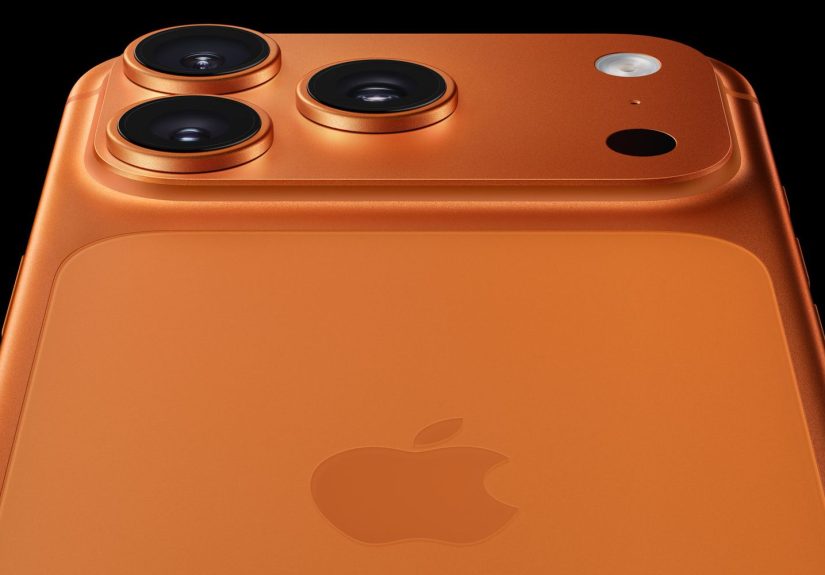
But the iPhone 17 cycle feels a little different. This time, the hype is not built only on leaks, influencer gasps, and dramatic slow-motion b-roll of a phone landing on a marble counter. Apple actually gave the regular iPhone 17 a meaningful glow-up. The base model now looks a lot less like the polite kid brother of the Pro line and a lot more like the iPhone most people should seriously consider.
So, should you climb aboard the iPhone 17 hype train, grab a conductor’s hat, and start planning your trade-in? Or should you wave politely from the platform and keep your current phone for another year? Let’s sort the shiny facts from the shiny marketing.
Why the iPhone 17 Generated Real Hype This Time
The easiest way to explain the iPhone 17 buzz is this: Apple finally made the regular model feel less like a compromise. That matters because most buyers do not actually need the most expensive iPhone. They want a fast phone, a good camera, solid battery life, a screen that looks great, and enough longevity to avoid upgrading again next Tuesday.
The regular iPhone 17 checks those boxes much more convincingly than recent base models. It brings a 6.3-inch display, ProMotion up to 120Hz, an always-on display, 256GB of starting storage, an upgraded 18MP Center Stage front camera, and a 48MP Dual Fusion rear camera setup. In plain English, that means smoother scrolling, better selfies, more room for your photos and apps, and fewer “why does the cheaper one always get the leftovers?” complaints.
Meanwhile, Apple kept the starting U.S. price at $799 for the regular iPhone 17. The iPhone Air starts at $999, the iPhone 17 Pro starts at $1,099, and the Pro Max starts at $1,199. Then, in March 2026, Apple added the iPhone 17e at $599, giving budget buyers a cheaper path into the lineup. Suddenly, the 17 family became less about one hero phone and more about choosing the right level of Apple drama for your budget.
What the iPhone 17 Actually Brings to the Table
A base model that no longer feels basic
The biggest story is the regular iPhone 17. For years, the standard iPhone was good, but a little too obviously held back. The iPhone 17 changes that. The 120Hz ProMotion display makes the phone feel faster even when you are doing boring things like scrolling email or pretending to read the news while really checking memes. Once you use a smoother display, going back to 60Hz feels like the phone is asking permission before every movement.
The jump to 256GB of base storage is also more important than it sounds. Storage upgrades are not glamorous, but they save people from the annual ritual of deleting videos, old screenshots, and that mysterious app you downloaded during a productivity phase in February. Apple doubling the starting storage gives the iPhone 17 better long-term value right out of the gate.
Camera improvements that matter in normal life
Apple also made the camera story more compelling. The regular iPhone 17 gets all 48MP rear cameras for the first time, plus a new 18MP Center Stage front camera. That front camera is not just a spec bump for the spreadsheet crowd. It is designed to handle group shots and video more intelligently, including a wider field of view and easier landscape selfies without awkward hand gymnastics.
For casual users, this is the sweet spot. You get photos and videos that look excellent without needing a filmmaker’s budget or a wildlife photographer’s patience. If your camera use mostly involves kids, pets, travel, food, friends, and occasional “look at this weird cloud” moments, the iPhone 17 is already a very strong tool.
The Pro models are still for serious camera people
That said, the iPhone 17 Pro and Pro Max still rule the camera-and-performance mountain. Apple gave them a redesign, A19 Pro chips, vapor-chamber cooling, and triple 48MP camera systems with optical-quality zoom up to 8x. If you shoot a lot of video, care deeply about zoom, want the best battery life, or simply enjoy owning the fanciest version of a thing, the Pro line remains the top shelf.
The catch is simple: top shelf pricing. The Pro phones are excellent, but they are not automatically the smartest buy for everyone. They are the answer for people who know exactly why they need them, not for people who just assume “more expensive” means “better for me.”
The iPhone Air is cool, but niche
The iPhone Air deserves its own little spotlight because Apple clearly wanted it to be the glamorous movie star of the lineup. It is just 5.6mm thin, has a 6.5-inch 120Hz display, starts at 256GB, and looks like the future wandered into the present wearing a very expensive jacket.
But here is the thing about ultra-thin phones: they are exciting in your hand and sometimes less exciting in your daily routine. The Air is great for buyers who value design, lightness, and novelty. It is less obviously the practical pick for someone who prioritizes maximum camera flexibility or simply wants the strongest value for money.
Reasons to Get On the iPhone 17 Hype Train
1. You have an iPhone 13, 14, or older. This is where the upgrade starts to make real sense. You are getting a smoother display, more storage, better selfie performance, stronger battery behavior, newer silicon, and a more future-friendly package overall.
2. You want the best value in the lineup. The regular iPhone 17 hits the sweet spot. It gets close enough to the Pro experience that many people will not miss the premium extras.
3. You care about keeping a phone for years. Apple’s hardware support, performance headroom, and now larger base storage make the iPhone 17 easier to live with long term.
4. You were waiting for the regular iPhone to stop feeling like a “maybe.” This year, it finally feels like a confident “yes.”
Reasons to Stay Seated
1. You already have an iPhone 16. The iPhone 17 is better, but not in a “drop everything and sprint to the Apple Store” way for every iPhone 16 owner. If your current phone is fast, healthy, and making you happy, restraint is still legal.
2. You want the cheapest new iPhone possible. The iPhone 17e is now the budget door into the lineup at $599. It gives you the A19 chip and more storage than before, but it also cuts corners with a 60Hz display and a simpler camera setup. If price is the main event, it is worth a look.
3. You are a camera obsessive. If zoom range, pro video features, and maximum versatility matter a lot, skip the regular 17 and go straight to the Pro or Pro Max.
4. You are easily hypnotized by “thin.” In that case, you may want the iPhone Air, not because it is the smartest choice, but because your heart has already made a reckless but stylish decision.
Which iPhone 17 Model Makes Sense for You?
Get the iPhone 17 if…
You want the smartest all-around buy. It is the model for most people, especially anyone upgrading from an older iPhone who wants a smoother screen, better cameras, more storage, and excellent everyday performance without Pro-level pricing.
Get the iPhone 17 Pro or Pro Max if…
You care about photography, video, zoom, battery life, or power-user features enough to justify the cost. These are not subtle luxury models. They are clearly designed for buyers who will use those extras.
Get the iPhone Air if…
You love the feeling of new design more than almost anything else. The Air is the cool kid in the lineup: sleek, thin, premium, and just impractical enough to be interesting.
Get the iPhone 17e if…
You want the most affordable new iPhone and you can live without a 120Hz display, the upgraded selfie camera, and a more flexible rear camera system. It is the sensible option, not the exciting one.
Final Verdict: Should You Get On?
Yes, but not blindly.
The iPhone 17 hype is more justified than the usual annual smartphone circus. Apple made the regular iPhone meaningfully better in the ways normal people actually notice: display smoothness, storage, selfie quality, general responsiveness, and overall value. This is not smoke and mirrors. It is one of the strongest cases Apple has made for the standard iPhone in years.
If you are holding onto an iPhone that is two or three generations old, the iPhone 17 is a very sensible upgrade. If you already own a recent Pro or an iPhone 16 that still feels great, you can probably wait without experiencing emotional collapse. And if your budget matters most, the 17e exists for exactly that reason, even if it is more practical commuter train than hype locomotive.
So should you get on the iPhone 17 hype train? If you want the best mix of features, price, and long-term value in Apple’s current lineup, yes. Just do not buy a first-class ticket when coach already gets you to the same destination with a smoother screen and enough storage to stop living like a digital minimalist.
Real-World Upgrade Experiences: What the iPhone 17 Hype Feels Like in Daily Life
The funny thing about upgrading to the iPhone 17 is that the biggest differences are not always the dramatic ones Apple puts on stage. In real life, the experience often sneaks up on you. It starts with the display. You unlock the phone, swipe around for a few minutes, and suddenly everything feels more fluid. Opening apps, scrolling social feeds, flipping through photos, and even checking the weather all feel a little more polished. It is not the kind of upgrade that makes angels sing, but it is absolutely the kind that makes your old phone feel slightly grumpy by comparison.
The storage bump also changes the mood more than people expect. A lot of users live with low-storage anxiety without realizing it. They stop downloading shows for flights, hesitate before shooting 4K video, and treat their camera roll like an overcrowded garage. On the iPhone 17, starting at 256GB makes the phone feel more relaxed. You do not have to think as hard. That mental freedom is underrated.
The camera experience is similar. Most people are not shooting magazine covers. They are taking pet photos, vacation shots, birthday videos, and slightly unhinged selfies when the lighting is suspiciously flattering. In those moments, the iPhone 17 feels dependable. The improved front camera is especially noticeable if you video call a lot or take group photos. It feels like Apple finally admitted that people actually use the selfie camera for more than awkward gym mirror evidence.
Battery life also shows up as a quality-of-life win instead of a headline. A better phone is not always the one with the wildest benchmark score. Sometimes it is the one that gets you through a long workday, a train ride, dinner plans, and late-night scrolling without forcing a charger hunt at 8 p.m. The iPhone 17 seems designed around that kind of practical confidence.
What really sells the iPhone 17 experience, though, is balance. The Pro models are impressive, but they can feel like overkill for people who just want a great phone. The 17e is cheaper, but its compromises are easier to notice. The iPhone Air is undeniably cool, but it also feels like an answer to a design question some buyers were not actually asking. The regular iPhone 17 lands in the middle in the best possible way. It feels premium without being ridiculous, capable without being fussy, and modern without trying too hard to prove it.
That is why the hype has legs. It is not just about specs. It is about how the phone fits into everyday life. The iPhone 17 does not feel like a concept, a flex, or a compromise. It feels like the iPhone Apple should have made for mainstream buyers a while ago. And when a product finally hits that sweet spot, the hype train stops looking like a carnival ride and starts looking like a pretty reasonable trip.