Table of Contents >> Show >> Hide
- What Is a Topless Wire Guard Wall Light?
- Why This Fixture Style Still Works So Well
- Where a Topless Wire Guard Wall Light Works Best
- How to Choose the Right One
- Placement Tips That Make a Big Difference
- Styling Ideas for a More Custom Look
- Mistakes to Avoid
- How to Maintain a Topless Wire Guard Wall Light
- Final Thoughts
- Experiences With a Topless Wire Guard Wall Light
- SEO Tags
Some lighting names sound elegant. Some sound expensive. And some sound like they were invented by a warehouse manager with a coffee stain on the blueprint. “Topless Wire Guard Wall Light” definitely falls into that third categoryand honestly, that is part of the charm.
This fixture style has a wonderfully no-nonsense look: a wall-mounted light with an exposed or partially exposed bulb, often framed by a metal guard, and usually designed with that rugged industrial energy people love in modern farmhouse, coastal utility, workshop-inspired, and vintage commercial interiors. It is practical, a little bit dramatic, and somehow manages to look equally at home beside a back door, above a mudroom bench, or in a bathroom that wants a little edge without going full factory floor.
If you are considering a topless wire guard wall light for your home, the real question is not whether it looks cool. It does. The better question is why this style continues to endure, where it works best, and how to choose one that gives you the right mix of safety, durability, and style. Let us flip the switch on all of that.
What Is a Topless Wire Guard Wall Light?
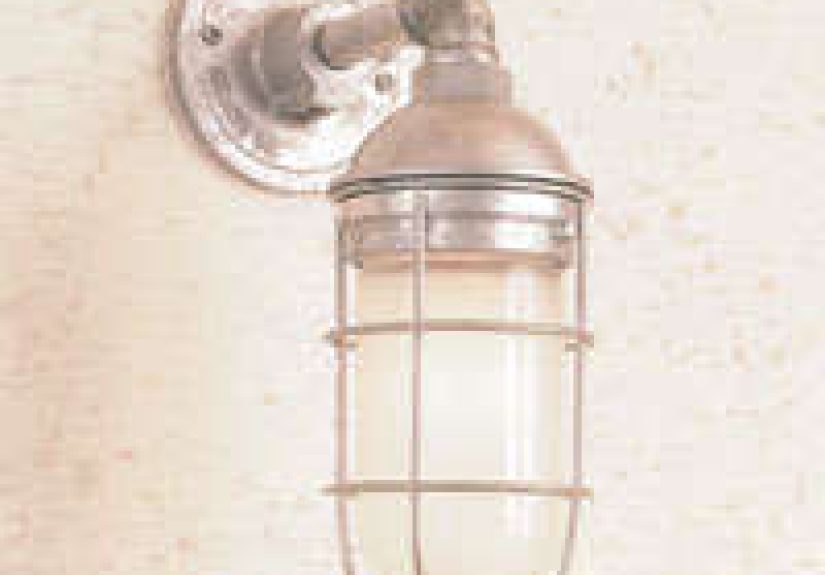
At its core, a topless wire guard wall light is a wall sconce built around a protective cage or wire guard, typically paired with an open-top or visually open profile. In some versions, the bulb is fully visible from below. In others, the fixture includes glass around the lamp while the wire guard adds structure and protection. The overall effect is airy, industrial, and a little bit nautical.
The wire guard is not just there for decoration, although it absolutely earns its style points. Traditionally, guards helped protect bulbs in hardworking places: garages, barns, workshops, utility rooms, exterior corridors, and commercial spaces where fixtures might get bumped. Over time, designers realized that this “practical hardware” look had serious character. Suddenly, the same visual language that once belonged to shipyards and storage rooms started showing up in polished kitchens and curated powder rooms.
The “topless” part of the name usually refers to a more open silhouette rather than a fully enclosed lantern shape. That openness can make the fixture feel lighter and less bulky on the wall. It also helps showcase the bulb, which is why many homeowners pair this style with vintage-inspired Edison bulbs or warm LED filament bulbs for extra personality.
Why This Fixture Style Still Works So Well
It Balances Utility and Personality
Some wall lights are all business. Others are all show. A topless wire guard wall light splits the difference nicely. It has a clear functional purpose, but it never feels boring. The guard adds texture, the exposed bulb adds warmth, and the overall profile gives a room just enough attitude to feel designed rather than merely lit.
It Fits More Styles Than You Might Expect
Yes, this fixture screams industrial. But it can also lean farmhouse when finished in galvanized steel or matte black, coastal when paired with oval bulkhead styling, vintage when used with opal glass and aged brass, or modern when simplified with clean lines and a restrained finish. It is the rare light that can say, “I am practical,” while still wearing good shoes.
It Makes Small Spaces Look More Interesting
In a hallway, laundry room, entry nook, or narrow bathroom, you do not always have room for an oversized fixture. A wire guard sconce adds dimension without a huge visual footprint. Because the fixture often has open sides or an open top, it tends to feel lighter than a bulky lantern or a solid metal box.
It Is Friendly to Today’s Bulb Options
Many of these fixtures work beautifully with modern LED bulbs, including filament-style LEDs that give you the old-school glow without the old-school energy bill. That means you can get the vintage look while still making a smart long-term efficiency choice.
Where a Topless Wire Guard Wall Light Works Best
Entryways and Front Doors
This is one of the most natural homes for the style. A wire guard wall light near the front door looks welcoming but sturdy, especially in black, galvanized, bronze, or weathered finishes. It brings a little architectural grit to a facade without overwhelming it. On traditional homes, it can add contrast. On modern farmhouse exteriors, it feels like it was invited from the start.
Mudrooms and Laundry Rooms
These hardworking rooms deserve lighting with just as much character as the rest of the house. A topless wire guard wall light makes utilitarian spaces feel intentional. It is a wonderful fit above hooks, near a utility sink, or beside built-in storage where overhead lighting alone can feel flat and joyless.
Bathrooms and Powder Rooms
In the right finish, this fixture can bring a tailored industrial look to a bathroom. It is particularly effective in powder rooms where you want something memorable. Just be sure to choose a fixture with the proper location rating for the space. Bathrooms are not the place for decorative optimism and electrical guesswork.
Kitchens, Pantries, and Breakfast Nooks
A pair of these sconces can look fantastic flanking open shelves, framing a range wall, or bringing extra mood to a breakfast corner. In kitchens, the key is balance: let the fixture add texture without competing with every other finish in the room. If you already have bold hardware, patterned tile, and dramatic pendants, a simpler guard design may be the smarter move.
Garages, Workshops, and Covered Outdoor Spaces
This is where the style returns to its roots. In a workshop or garage, the look feels natural and authentic. On a porch or covered patio, it brings warmth and a little old-school utility. Again, rating matters. If the fixture is going outside, make sure it is suitable for damp or wet conditions based on where it will actually live.
How to Choose the Right One
1. Start With the Location Rating
Before you fall in love with a finish, check whether the fixture is rated for dry, damp, or wet locations. This matters more than marketing adjectives. A beautiful indoor sconce is not secretly an outdoor hero just because it looks tough. Covered porches, bathrooms, and exposed exterior walls all have different moisture demands. Buy for the real environment, not the fantasy version.
2. Decide How Much Bulb You Want to See
The exposed-bulb look is a big part of the appeal, but visibility changes the mood. A fully visible bulb feels more industrial and dramatic. Frosted or seeded glass softens the glow and makes the fixture feel more polished. Clear glass shows off decorative bulbs best, while opal or frosted glass diffuses light more gently.
3. Pick a Finish That Plays Nicely With Your Hardware
Matte black is the easy favorite because it works almost everywhere. Galvanized metal leans barn-inspired and weathered. Bronze brings warmth. Brushed nickel can feel cleaner and a little more transitional. Aged brass adds vintage richness. The rule is simple: the light should look like it belongs with your door hardware, plumbing fixtures, cabinet pulls, or nearby metal accents.
4. Think About Size and Projection
This style can look compact and clever or awkwardly undersized depending on the wall. Measure the height, width, and how far the fixture extends from the wall. A tiny sconce on a large exterior wall can look like it got stage fright. A deep-projection fixture in a tight hallway can become a shoulder-check waiting to happen.
5. Choose the Right Light Output
A fixture can look amazing and still fail at the very basic task of helping you see. For mood lighting, warm lower-output bulbs may be perfect. For entry lighting, vanity lighting, or utility areas, you may need stronger illumination. LED bulbs make it easier to get good brightness without cooking the roomor your electric bill.
6. Consider Hardwired vs. Plug-In
Hardwired sconces offer the cleanest, most built-in look. Plug-in versions are easier for renters or for rooms where adding wiring would be a headache. If you are chasing the tailored custom look, hardwired wins. If you just want charming light without opening the wall, plug-in is the sensible rebel.
Placement Tips That Make a Big Difference
Good wall lighting is part design and part geometry. In most interior spaces, sconces are commonly placed around 60 to 72 inches from the finished floor, depending on ceiling height and use. For bathroom vanity areas, a range around 60 to 70 inches often works well. For exterior entry lighting, eye-level placement is usually the sweet spot, often around the mid-60-inch range to low-70-inch range depending on the architecture.
Translation: do not mount it where it shines directly into someone’s eyeballs the second they walk by. The goal is useful illumination, not interrogation-room energy.
If you are placing a pair around a mirror or doorway, keep the spacing visually balanced. Around an entry door, give the fixture enough breathing room from the trim so it does not feel crammed. In a hallway, repeat fixtures consistently for a polished look. And always check projection in narrow spaces so your lighting plan does not become an accidental obstacle course.
Styling Ideas for a More Custom Look
Modern Farmhouse
Choose a black or galvanized fixture with a warm LED filament bulb. Pair it with white siding, natural wood, and simple matte hardware. The look is relaxed, practical, and unmistakably current.
Industrial Vintage
Go darker and moodier. Think blackened steel, aged metal, visible fasteners, and a fixture that proudly shows off its cage. This works beautifully with brick, concrete, reclaimed wood, and darker paint.
Coastal Utility
A wire guard wall light with a nautical or bulkhead feel works especially well in beach homes, lake houses, or bathrooms. Pair it with crisp white walls, weathered wood, and muted blue-gray tones.
Soft Transitional
If you love the guard detail but do not want the fixture to feel too rugged, choose one with smoother lines, a refined finish, and diffused glass. It keeps the character while toning down the workshop vibe.
Mistakes to Avoid
- Choosing an outdoor location without checking for damp or wet rating.
- Using an exposed bulb that is too cool in color and makes the fixture feel harsh.
- Picking a fixture too small for the wall just because it looked cute online.
- Ignoring glare, especially in bathrooms, hallways, and reading areas.
- Mixing too many competing metal finishes within the same sightline.
- Forgetting dimmer compatibility when using LED bulbs.
In other words, do not let a charming product photo make all your decisions for you. Real rooms have scale, traffic, moisture, and people with actual faces who prefer not to be blinded before coffee.
How to Maintain a Topless Wire Guard Wall Light
Maintenance is refreshingly straightforward. Dust the guard regularly so the fixture does not collect that “abandoned workshop chic” look by accident. If the light includes glass, clean it with a non-abrasive cleaner and a soft cloth. For exterior fixtures, check periodically for finish wear, corrosion, or trapped debrisespecially in coastal or very humid environments.
Also pay attention to the bulb. Because many topless or open-profile fixtures show the lamp clearly, the bulb is part of the design. A cheap mismatched bulb can make the whole fixture look less intentional. This is one of those rare moments in life where the supporting actor can absolutely upstage the lead.
Final Thoughts
A topless wire guard wall light is one of those fixtures that proves practical design never really goes out of style. It has a useful past, a flexible present, and enough personality to keep even a simple wall from feeling forgettable. Whether you are styling a front porch, upgrading a mudroom, or adding character to a bathroom, this kind of sconce delivers more than light. It delivers texture, story, and a subtle sense that your home knows exactly what it is doing.
The best version is the one that matches your space, your moisture conditions, your bulb preference, and your appetite for industrial charm. Get those details right, and you will end up with a fixture that feels less like a trend and more like a smart, lasting choice.
Experiences With a Topless Wire Guard Wall Light
Living with a topless wire guard wall light is one of those small home experiences that turns out to be more satisfying than expected. On day one, most people notice the style. It looks distinctive, architectural, and a little tougher than the average sconce. But after a few weeks, what really stands out is how adaptable it feels in everyday life.
In an entryway, for example, this kind of fixture creates a welcome that feels warm without being fussy. The light usually has enough visual structure to hold its own against a door, trim, mail slot, or house numbers, so the entry suddenly feels more finished. Homeowners often describe the effect as “custom” even when the upgrade itself is relatively simple. A plain wall becomes a design moment.
In mudrooms and utility spaces, the experience is even better because the fixture feels right at home among practical elements like hooks, baskets, benches, and storage cabinets. It does not look too delicate for the room. That matters. In spaces where people are dropping bags, kicking off shoes, and brushing past walls with laundry, a fixture with a guarded, durable appearance simply feels more believable. It matches the rhythm of the room.
In a bathroom or powder room, the experience is often about contrast. You get a shape that feels industrial, but when paired with warm light and the right finish, the room still feels inviting rather than cold. Many people are pleasantly surprised by how well the style works with mirrors, tile, and painted millwork. It brings edge, but not chaos. It adds character, but it does not hijack the space.
Outdoor use brings another layer of appreciation. A wire guard wall light on a porch or beside a side door tends to feel grounded and trustworthy. It gives off that subtle “this house is well cared for” energy. At night, when paired with a warm bulb, the guard casts just enough texture to make the glow feel richer. During the day, the fixture still looks sculptural, so it contributes to curb appeal even when it is turned off.
One of the most enjoyable long-term experiences is how this style bridges old and new. It can sit beside modern siding, vintage brick, painted shiplap, or sleek tile and still make sense. That flexibility means homeowners rarely regret the choice once the fixture is installed. Instead, they often start thinking about where a second one might go. And that may be the highest compliment a wall light can earn: not just “that looks nice,” but “now I want another one.”